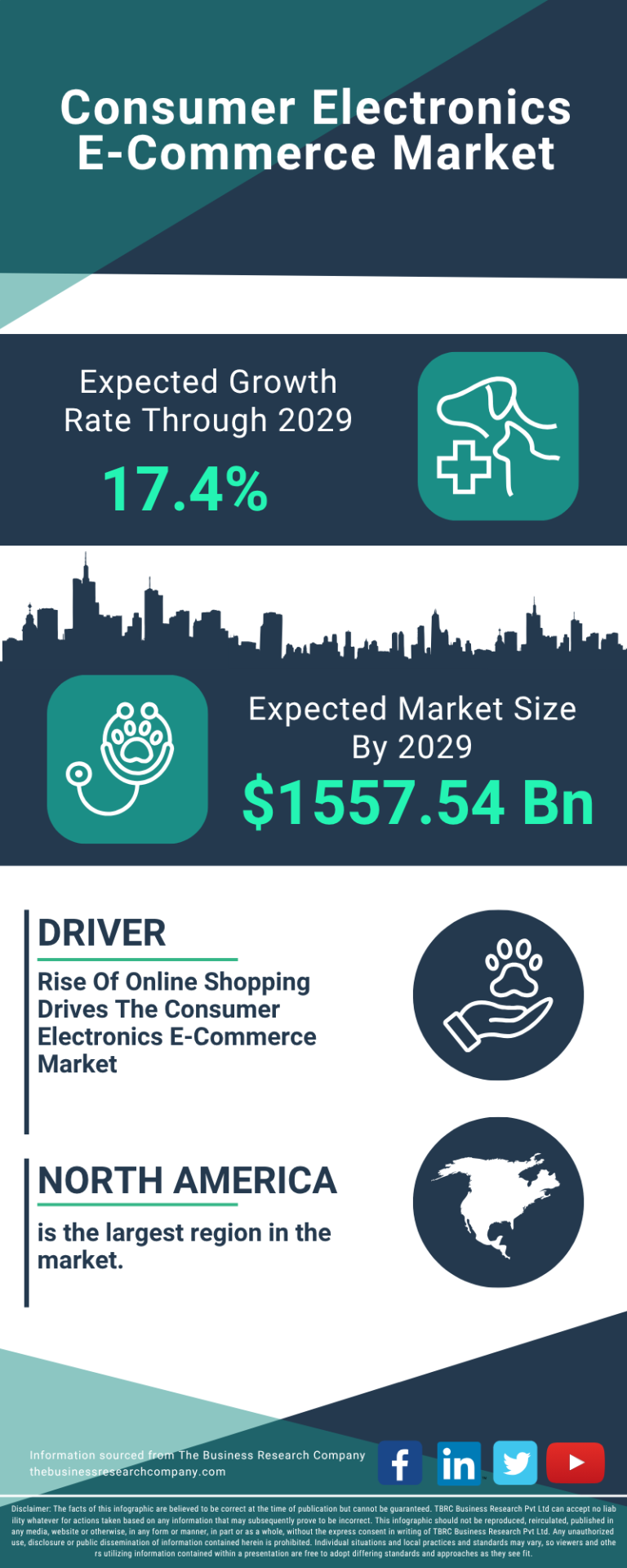
How Has E-Commerce Changed Consumer Electronics Industry: Revolution Unveiled
Imagine a world where you can explore the latest gadgets without leaving your couch. That’s the magic of e-commerce in the consumer electronics industry.
It has transformed how you shop, choose, and even think about electronics. With just a few clicks, you can compare prices, read reviews, and make informed decisions. This change hasn’t just made shopping more convenient; it’s reshaped the entire landscape of consumer electronics.
Are you curious about how these changes impact your buying habits and the industry as a whole? Let’s dive deeper into this fascinating evolution and discover how it affects your daily life.
Shift In Buying Behavior
The shift in buying behavior within the consumer electronics industry is a clear sign of how e-commerce has reshaped the market. Consumers today expect more than just products—they want ease, speed, and detailed information at their fingertips. Understanding this change can help you make smarter purchasing decisions and even influence how retailers adapt to your needs.
Rise Of Online Shopping
Online shopping for electronics has surged dramatically. You no longer have to visit multiple stores to compare prices or features. With just a few clicks, you can access a vast range of products, read reviews, and watch demo videos from the comfort of your home.
Think about the last time you bought a new gadget—did you check online first? Most people do, and this trend continues to grow, making physical stores less of a go-to option for initial research or purchase.
Demand For Convenience
Convenience is now a top priority for buyers. Fast shipping, easy returns, and 24/7 customer service have become standard expectations. You want your new phone or headphones delivered quickly and hassle-free, not tied to store hours or long checkout lines.
Retailers have responded by offering same-day delivery and flexible payment options. This makes buying electronics feel less like a chore and more like a seamless experience. How often do you find yourself choosing an online store just because it offers better convenience?
Impact On In-store Sales
Physical stores have seen a drop in foot traffic for electronics purchases. Many shoppers now visit stores only to test products before buying online at a better price. This “showrooming” behavior forces retailers to rethink their role in the buying process.
Some stores have adapted by enhancing in-store experiences with expert advice and exclusive deals that you can’t find online. It raises the question: what makes you choose to buy in-store versus online when both options are available?
Expansion Of Product Variety
The expansion of product variety has reshaped the consumer electronics industry. Online stores offer many more choices than traditional shops. This variety meets different needs and budgets. It also helps customers find exactly what they want. The range of products now includes items from global brands and unique niche products. These options create a richer shopping experience for everyone.
Access To Global Brands
Consumers can buy products from famous brands worldwide. E-commerce removes the limits of local stores. Buyers find the latest gadgets from top companies easily. This access increases competition and drives innovation. It also helps people compare prices and features. As a result, customers get better deals and more options.
Emergence Of Niche Products
Niche products target specific needs or interests. Online platforms allow small brands to reach customers directly. These products include specialized gadgets and unique accessories. Customers can find items that suit their lifestyles perfectly. Niche products add diversity and personalization to the market. They help consumers discover new technology beyond mainstream choices.
Pricing And Competition
The way e-commerce has reshaped pricing and competition in the consumer electronics industry is striking. Prices fluctuate more frequently, and competition now spans the globe, making it a challenge for both brands and shoppers. Understanding these shifts can help you navigate better deals and smarter purchases.
Dynamic Pricing Strategies
Online retailers use dynamic pricing to adjust product costs based on demand, time, and even your browsing history. This means the price you see might change within hours or even minutes.
For example, if a new smartphone launches and demand is high, prices can spike quickly. But as supply stabilizes, prices may drop to attract more buyers.
Have you noticed prices changing when you check the same item multiple times? That’s dynamic pricing at work, creating a competitive edge for sellers while offering you potential savings if you time your purchase right.
Price Transparency
E-commerce platforms make it easy to compare prices across multiple sellers instantly. You no longer have to visit several stores or spend hours searching for the best deal.
This transparency forces brands to stay competitive and honest with their pricing. You benefit from seeing exactly what you pay and any additional fees upfront.
When you shop online, do you take time to check different sellers or just buy from the first place you find? Price transparency invites you to be more selective and informed.
Role Of Flash Sales And Discounts
Flash sales and limited-time discounts have become powerful tools to grab your attention and create urgency. These offers can bring electronics at prices significantly lower than regular retail.
Many consumers, including myself, have snagged deals on headphones or smartwatches during these sales by acting quickly. However, it’s key to assess if the discount is genuine or just a marketing tactic.
Do you often wait for a sale before buying electronics? Recognizing the role of flash sales can help you decide when to hold off and when to jump on a deal.
Technological Integration
Technological integration has reshaped how consumers interact with electronics online. It blends digital tools with shopping to enhance user experience. This integration helps buyers make better choices quickly and with confidence.
Augmented Reality For Product Visualization
Augmented Reality (AR) lets customers see products in real life before buying. They can view electronics from all angles using their phone or computer. AR reduces doubts and increases trust in the product quality.
With AR, shoppers can:
- Visualize size and design in their space
- Compare different models easily
- Understand product features through interactive demos
Ai-driven Recommendations
Artificial Intelligence (AI) analyzes user behavior to suggest products. It learns preferences from past searches and purchases. These smart recommendations save time and improve satisfaction.
AI tools offer:
- Personalized product lists
- Relevant accessories and upgrades
- Alerts for deals on preferred brands
Seamless Payment Solutions
Online stores now provide fast and secure payment options. Multiple payment methods suit different customer needs. This eases the checkout process and reduces cart abandonment.
Features include:
- One-click payments
- Mobile wallets and digital currencies
- Strong encryption for data safety
Supply Chain And Logistics
The rise of e-commerce has reshaped the supply chain and logistics in the consumer electronics industry. It demands faster delivery, smarter inventory control, and closer cooperation between manufacturers and retailers. These changes improve efficiency and meet customer expectations for quick and reliable service.
Faster Delivery Models
Speed is now a top priority in consumer electronics delivery. Companies use advanced shipping methods to reduce delivery times. Same-day and next-day deliveries are becoming common. Warehouses are placed closer to customers to enable quick dispatch. Technology like route optimization helps carriers deliver goods faster and with fewer delays.
Inventory Management Improvements
Better inventory management is key to meeting demand in e-commerce. Real-time tracking systems give accurate stock information to sellers and buyers. Automated warehouses use robots to pick and pack items quickly. This reduces errors and avoids overstock or stockouts. Data analytics predict which products will sell fast, helping to keep the right items in stock.
Impact On Manufacturers And Retailers
Manufacturers and retailers now work more closely to meet online demand. They share data to plan production and delivery better. Retailers use direct shipping from manufacturers to speed up orders. Smaller batches are produced to avoid excess stock. This cooperation helps reduce costs and improve customer satisfaction.
Consumer Trust And Reviews
Consumer trust and reviews play a vital role in the consumer electronics industry today. Online shopping depends heavily on what buyers say about products and brands. Reviews help shoppers decide what to buy without seeing the product in person. Trust builds slowly through honest and helpful feedback from other customers.
Trust is especially important in electronics. These products often come with high prices and complex features. Shoppers want to be sure they get value for their money. Reviews offer real experiences that help reduce doubts and fears. They create a sense of security that encourages more purchases online.
Influence Of Customer Feedback
Customer feedback shapes how people view electronics products. Positive reviews highlight good quality and performance. Negative reviews warn about flaws or issues. This balance guides buyers to make informed choices.
- Reviews reveal product strengths and weaknesses.
- Customers share tips and tricks for use.
- Feedback helps compare similar products easily.
- Ratings summarize overall satisfaction at a glance.
Many shoppers trust peer opinions more than advertisements. Real user stories feel more honest. This influence has pushed brands to improve products and services. Listening to feedback leads to better customer experiences.
Building Brand Reputation Online
Brands gain or lose reputation based on online reviews. A strong positive presence attracts more customers. It also increases repeat business and referrals.
- Responding to reviews shows care and responsibility.
- Encouraging honest feedback builds transparency.
- Quickly fixing issues in reviews boosts trust.
- Consistent quality results in higher ratings.
Good reputation online helps brands stand out in a crowded market. It creates loyal customers who trust the brand over competitors. This trust is crucial for long-term success in e-commerce.
Future Trends
The future of the consumer electronics industry is closely tied to e-commerce trends. These trends shape how products are made, sold, and used. Understanding them helps businesses and consumers prepare for what lies ahead.
Growth Of Mobile Commerce
More people shop using smartphones and tablets. Mobile commerce is becoming the main way to buy electronics. Websites and apps are optimized for small screens. Fast, easy checkout processes improve the buying experience. Mobile payments and digital wallets make purchases secure and quick. This trend will continue to grow as mobile technology improves.
Sustainability And Eco-friendly Practices
Consumers want products that are good for the planet. Brands are focusing on eco-friendly materials and packaging. Energy-efficient devices are in high demand. Electronics companies invest in recycling programs and reduce waste. Transparency about a product’s environmental impact influences buying decisions. Sustainability will be a key factor in future product development and marketing.
Integration Of Iot And Smart Devices
Smart devices connect and communicate through the Internet of Things (IoT). This integration offers convenience and automation in daily life. Consumers expect seamless control of gadgets via mobile apps. Voice assistants and smart home systems are becoming standard. E-commerce platforms showcase these connected products with detailed features. The IoT trend will expand, creating new opportunities in consumer electronics.
Frequently Asked Questions
How Has E-commerce Improved Electronics Accessibility?
E-commerce has made consumer electronics widely accessible by offering a vast product range online. Shoppers can easily compare prices and features without visiting stores. This convenience increases buying options and reaches customers in remote areas, enhancing overall accessibility in the industry.
What Impact Has E-commerce Had On Electronics Pricing?
E-commerce promotes competitive pricing by allowing consumers to compare multiple sellers instantly. This transparency often leads to lower prices and frequent discounts. Online platforms reduce overhead costs for retailers, which further helps in offering affordable prices to buyers.
How Does E-commerce Influence Consumer Electronics Innovation?
E-commerce provides direct customer feedback, helping brands identify trends and needs faster. This rapid insight drives innovation in product design and features. Online reviews and ratings also push companies to maintain high quality and improve user experiences.
Why Is Online Customer Service Vital For Electronics Buyers?
Online customer service offers quick support, troubleshooting, and guidance during electronics purchases. It helps build trust, reduces return rates, and enhances buyer satisfaction. Effective service also aids in handling warranty claims and technical inquiries efficiently.
Conclusion
E-commerce has changed how people buy electronics. Prices are clearer and choices are bigger. Customers can shop anytime, without leaving home. Reviews help buyers make better decisions. Stores compete to offer fast delivery and good service. This shift also pushes brands to improve quality.
The industry grows with new online tools and ideas. Shopping for electronics is easier and faster today. The future will bring even more changes. The consumer electronics world will keep evolving with e-commerce.