How Many People Use Wearable Technology: Surprising User Stats Revealed
Imagine a world where your watch not only tells the time but also keeps track of your heart rate, steps, and even your sleep patterns. Welcome to the era of wearable technology, a world that might already be a part of your daily life.
Ever wondered just how many people are embracing this tech revolution? The numbers may surprise you. You’re not alone if you find yourself curious about the growing trend of wearable technology. Perhaps you’ve noticed more people sporting smartwatches or fitness trackers, and you’re wondering if they’re just a fad or a fixture of modern life.
Discover why wearable tech is more than a passing trend and how it’s becoming an indispensable part of many people’s lives. Join us as we delve into the statistics and trends behind the rise of wearable technology. Whether you’re considering investing in a device yourself or simply intrigued by how technology is shaping our everyday experiences, this article will provide insights that might just change the way you view the gadgets around you. Keep reading to find out how this technology is not only transforming personal health but also connecting people like never before.
Current Wearable Tech Users
Wearable technology has become a part of everyday life for millions around the world. Whether it’s tracking fitness, monitoring health, or staying connected, more people are adopting these devices each year. Understanding who uses wearables and how this number is changing can help you see where the market is heading and where your interests fit in.
Global User Numbers
Currently, over 1 billion people worldwide use some form of wearable technology. This includes smartwatches, fitness trackers, smart glasses, and even smart clothing. The popularity is not limited to one region; users span across North America, Europe, Asia, and emerging markets.
For instance, in the United States alone, nearly 30% of adults own a smartwatch or fitness tracker. In countries like China and India, rapid urbanization and rising health awareness are driving high adoption rates. These numbers show how wearables are no longer niche gadgets but mainstream tools.
Growth Trends Over Time
The wearable tech user base has grown rapidly over the past decade. In 2015, there were roughly 200 million users globally. Now, that number has quintupled, showing steady and strong growth.
This expansion is fueled by improvements in device design, lower prices, and new features like health monitoring for chronic conditions. Have you noticed how your friends or family have started wearing smartwatches more often? This trend reflects a broader shift toward integrating technology into daily health routines.
As technology advances, expect even more personalized and useful wearables. Are you ready to be part of this growing community, or are you already enjoying the benefits of wearable tech?
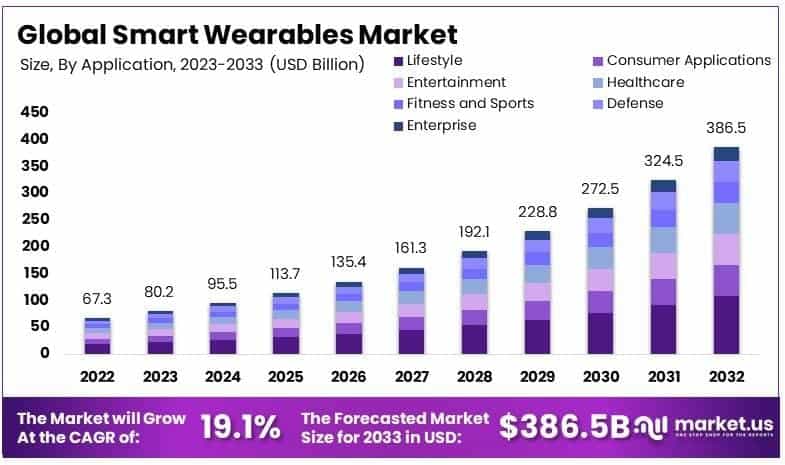
Credit: market.us
Popular Types Of Wearables
Wearable technology has become a part of daily life for millions worldwide. These devices help track health, fitness, and even connect users to their digital world. Different types of wearables serve different purposes, meeting the needs of various users.
Fitness Trackers
Fitness trackers are popular for monitoring physical activities. They count steps, measure distance, and track calories burned. Many also monitor sleep patterns to help improve rest. These devices are lightweight and easy to wear all day. People use them to stay motivated and reach fitness goals.
Smartwatches
Smartwatches offer more than just fitness tracking. They provide notifications, calls, and apps right on your wrist. Many models include GPS for outdoor activities and music control. They combine convenience and style, appealing to a wide audience. Smartwatches often sync with smartphones for added functionality.
Health Monitoring Devices
Health monitoring devices focus on medical and wellness needs. They track heart rate, blood pressure, and oxygen levels. Some help manage chronic conditions like diabetes. These wearables provide real-time data to users and doctors. They support healthier lifestyles through constant monitoring and alerts.
Demographics Of Wearable Users
Understanding who uses wearable technology helps you see its real impact. The demographics of wearable users reveal patterns about who values these devices most and why. This insight can guide you if you’re thinking about adopting wearables or targeting an audience with wearable-related products.
Age Groups
Wearables attract a wide range of ages, but certain groups stand out. Young adults between 18 and 34 are the biggest users, often drawn by fitness tracking and smart notifications. Meanwhile, middle-aged users, especially those 35 to 54, tend to focus on health monitoring features like heart rate and sleep tracking.
Interestingly, older adults (55+) are starting to adopt wearables more, mainly for health reasons and fall detection. You might not expect this trend, but it shows wearables are becoming tools for managing wellness at any age. How could you benefit from tracking your health data no matter your age?
Gender Differences
Men and women use wearables differently. Men often use fitness-oriented features like running metrics or cycling stats. Women, on the other hand, frequently engage with health monitoring tools such as menstrual cycle tracking and sleep quality.
This doesn’t mean one gender uses wearables more than the other; usage rates are fairly balanced. Instead, the focus varies based on personal goals and lifestyle. What features would you prioritize if you chose a wearable?
Geographic Distribution
Wearable technology adoption is uneven across the globe. North America and Europe lead with the highest usage rates, thanks to strong tech infrastructure and higher disposable income. Asia is rapidly catching up, especially in countries like China and Japan, where smart devices are becoming part of daily life.
In contrast, wearable use is lower in many developing regions, often due to cost and limited awareness. This geographic gap raises questions: How can wearable tech become accessible to more people worldwide? Could future innovations lower the barrier for you or your community?
Credit: www.idtechex.com
Usage Patterns And Preferences
Wearable technology has become a part of many people’s daily lives. Understanding how users interact with these devices helps to see their real value. Usage patterns and preferences reveal what features attract users and how often they engage with their gadgets. This insight guides future development and improves user experience.
Daily Usage Statistics
Most users wear their devices throughout the day. Around 70% of users check their wearables multiple times daily. Many keep them on during workouts and sleep. Average daily usage time is about 16 hours. Some users only wear them during exercise or specific tasks.
Most Used Features
- Step tracking is the top feature for many users.
- Heart rate monitoring is widely used, especially for fitness.
- Sleep tracking helps users understand their rest quality.
- Notifications for calls and messages keep users connected.
- GPS tracking is popular among runners and cyclists.
Users pick features that match their lifestyle and health goals.
User Engagement Levels
Engagement varies by user goals and device type. Fitness enthusiasts show high interaction with health data. Casual users check notifications and basic stats occasionally. Long-term users develop habits around their wearables. User engagement tends to drop if devices lack updates or useful features.
Impact On Health And Lifestyle
Wearable technology has changed how you take care of your health and daily habits. These devices don’t just count steps—they offer insights that can help you make better choices. You might be surprised how much a small gadget on your wrist can influence your lifestyle.
Fitness And Activity Tracking
Wearables keep track of your movements throughout the day, encouraging you to stay active. They show real-time data like steps taken, calories burned, and heart rate. This feedback can push you to move more, even if it’s just a quick walk during a busy day.
Think about the last time your watch buzzed to remind you to stand or move. That simple nudge might have prevented hours of sitting, which is linked to many health issues. Are you using these reminders to your advantage?
Sleep Monitoring Benefits
Good sleep is essential, yet many people don’t realize how their habits affect it. Wearables track your sleep patterns, showing when you’re restless or getting deep rest. This information helps you adjust your bedtime routine for better sleep quality.
Imagine knowing exactly how long you actually sleep versus how long you think you do. Some users report improved energy and mood after changing habits based on sleep data. What would you change about your sleep if you had clear data?
Chronic Disease Management
For those with chronic conditions, wearables offer more than convenience—they offer control. Devices can monitor heart rate irregularities, blood oxygen levels, and other vital signs. This constant monitoring helps catch problems early and can reduce emergency visits.
Doctors can also use wearable data to adjust treatments more precisely. If you or someone you know manages a chronic illness, wearable technology might provide a valuable support system. How could real-time health data improve your daily management?
Market Leaders And Brands
Wearable technology is a fast-growing market with many brands competing for users. Several companies lead the industry by offering popular and trusted devices. These market leaders shape trends and influence how millions use wearables daily.
Top Wearable Tech Companies
- Apple – Known for the Apple Watch and AirPods.
- Samsung – Offers Galaxy Watch and fitness bands.
- Fitbit – Specializes in fitness trackers and smartwatches.
- Garmin – Focuses on GPS watches and sport devices.
- Xiaomi – Popular for affordable smart bands and watches.
- Huawei – Provides smartwatches with health features.
Market Share Insights
Apple holds the largest market share in wearable technology. Its devices combine style, function, and health tracking. Samsung follows closely with a wide range of smartwatches and earbuds.
Fitbit remains a strong player focused on fitness enthusiasts. Garmin attracts users needing precise activity and GPS tracking. Xiaomi and Huawei capture budget-conscious buyers worldwide.
These companies continue expanding their user base by adding new features. Health monitoring, longer battery life, and better designs drive growth. The wearable technology market will keep evolving with these leaders at the forefront.
Future Trends In Wearables
The future of wearable technology looks promising and full of innovation. Devices will become smarter, smaller, and more helpful. Users will enjoy more features that improve health, fitness, and daily life. New trends will shape how people use wearables in many ways.
Emerging Technologies
Wearables will include advanced sensors for better health tracking. Expect improvements in heart rate, sleep, and stress monitoring. Flexible displays and lightweight materials will make devices more comfortable. Integration with augmented reality (AR) will offer new ways to interact. Voice control and AI assistants will become more common. Battery life will improve, allowing longer use without charging.
Predicted User Growth
The number of wearable users will rise steadily in the next years. More people will adopt wearables for health, fitness, and convenience. Businesses will use wearables for employee safety and productivity. Older adults will benefit from health-monitoring devices tailored to their needs. Markets in Asia and other regions will see strong growth. Overall, billions of people will use wearable technology soon.
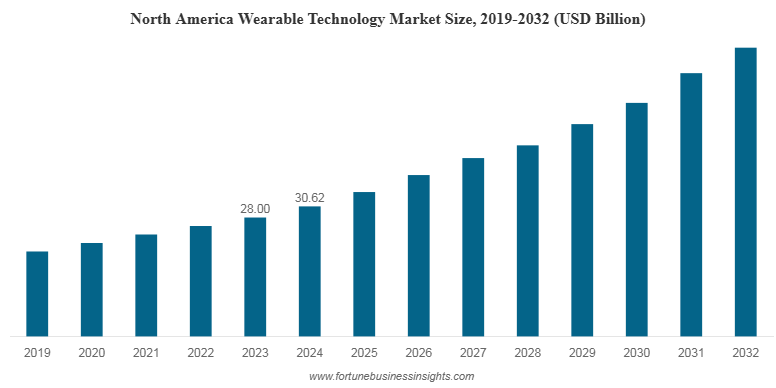
Credit: www.fortunebusinessinsights.com
Frequently Asked Questions
How Many People Worldwide Use Wearable Technology?
Over 1 billion people globally use wearable technology as of 2024. This number is growing rapidly due to increased health awareness and tech adoption. Wearables include smartwatches, fitness trackers, and smart glasses, all contributing to this expanding user base.
What Age Group Uses Wearable Technology Most?
Adults aged 18 to 44 are the primary users of wearable technology. This group values fitness tracking and smart features for daily convenience. Younger generations embrace wearables for health, communication, and entertainment purposes.
Why Do People Prefer Wearable Technology?
People prefer wearable technology for real-time health monitoring, convenience, and connectivity. Wearables help track fitness, manage health conditions, and receive notifications instantly. Their ease of use and integration with smartphones boost popularity.
Which Countries Lead In Wearable Technology Usage?
The United States, China, and Europe lead in wearable technology adoption. These regions have high smartphone penetration and tech-savvy populations. Strong market demand and innovation drive growth in wearable usage here.
Conclusion
Wearable technology reaches millions worldwide every day. People use smartwatches, fitness trackers, and more. These devices help track health and stay connected. Their popularity continues to grow with new features. Wearables fit easily into busy lifestyles. They offer convenience and useful information instantly.
Expect this trend to expand in coming years. Wearable tech changes how people manage health and time. Simple, handy tools that many now rely on. The future looks bright for wearable technology users.