How to Choose Wearable Technology: Ultimate Guide for Smart Buyers
Are you overwhelmed by the endless options in the world of wearable technology? You’re not alone.
With so many gadgets promising to simplify your life, how do you choose the one that’s right for you? Whether you’re looking to track your fitness, stay connected, or monitor your health, the perfect device is out there. But finding it can feel like searching for a needle in a haystack.
Imagine a world where every choice you make is smart, informed, and just right for your lifestyle. This guide will show you how to navigate the maze of wearable technology with ease. Ready to discover how to choose the best wearable device that fits seamlessly into your life? Let’s dive in!

Credit: medium.com
Types Of Wearable Tech
Wearable technology comes in many forms, each designed for different needs and lifestyles. Choosing the right type depends on what you want to track or enhance. From fitness to health to daily convenience, wearables offer diverse features.
Fitness Trackers
Fitness trackers focus on physical activity and exercise. They count steps, measure distance, and track calories burned. Some models monitor sleep patterns and heart rate. These devices are lightweight and easy to wear all day.
Smartwatches
Smartwatches combine fitness tracking with smartphone features. They show notifications, calls, and messages on your wrist. Many include GPS, music control, and apps. Smartwatches suit people who want more than just fitness data.
Wearable Cameras
Wearable cameras capture photos and videos hands-free. They are perfect for outdoor activities and adventures. Some devices attach to clothing or helmets. These cameras provide a new way to record your experiences.
Health Monitors
Health monitors track vital signs like heart rate, oxygen levels, and blood pressure. They help users manage medical conditions or maintain wellness. Some models alert you to unusual health readings. These wearables support proactive health care.
Smart Glasses
Smart glasses offer a hands-free digital experience. They display information directly in your line of sight. Some include cameras, speakers, and voice control. These devices blend technology with everyday vision.
Key Features To Consider
Choosing the right wearable technology means focusing on features that truly impact your daily use. It’s not just about flashy looks or the latest model; it’s about how well the device fits your lifestyle and needs. Let’s dive into the key features you should pay attention to before making your choice.
Battery Life
Battery life can make or break your experience with a wearable. Imagine needing a charge halfway through your day—that disrupts your routine. Look for devices that offer at least a full day of use, and consider how quickly the battery recharges.
Some wearables offer power-saving modes that stretch battery life without sacrificing core functions. Ask yourself: do you want a device that lasts longer but with fewer features active, or one that needs frequent charging but offers more capabilities?
Compatibility
Your wearable should work seamlessly with the devices you already own. Check if it pairs well with your smartphone’s operating system—be it iOS, Android, or others. Incompatible devices can limit notifications, apps, and syncing options.
Think about the apps you rely on daily. Will your wearable support them? Compatibility affects how much value you get out of your device, so don’t overlook this aspect.
Display Quality
A clear, bright display makes interacting with your wearable easier and more enjoyable. Look for screens that remain visible under sunlight and offer good resolution for reading notifications or tracking stats.
Touch responsiveness and size also matter. If you want quick glances at your stats or messages, a well-designed display saves you time and frustration.
Sensors And Accuracy
Accurate sensors are the heart of any wearable, especially if you track fitness or health data. Poor sensor quality leads to misleading results, which can be frustrating or even harmful if you rely on the data for health decisions.
Consider what you want to track—heart rate, steps, sleep, or GPS—and verify the device’s reputation for accuracy in those areas. Have you ever been surprised by your wearable’s data? That’s a sign to check sensor reliability carefully.
Design And Comfort
You’ll wear this device for hours, so comfort is key. A bulky or heavy device quickly becomes annoying, no matter how smart it is. Try to find a design that fits your wrist or body shape comfortably.
Style matters too. Do you want something sporty, sleek, or subtle? Choose a design that you won’t want to hide or take off, because the best wearable is one you actually wear consistently.
Performance And Reliability
Performance and reliability are the backbone of any wearable technology you choose. These devices need to keep up with your daily activities without lagging or failing. Think about how frustrating it is when your smartwatch freezes during a workout or your fitness tracker stops syncing data unexpectedly.
Processor And Speed
The processor controls how fast and smoothly your wearable runs. A powerful chip ensures apps open quickly and sensors respond in real time. If you use your device for fitness tracking, navigation, or notifications, speed matters more than you might think.
Consider devices with multi-core processors or those designed specifically for wearables. These options handle multitasking better and improve battery efficiency. Ask yourself: Does your daily routine demand quick responses or heavy app use?
Water Resistance
Water resistance is crucial if you sweat during workouts or want to wear your device in the rain. Some wearables are rated for swimming, while others only handle splashes. Knowing the water resistance level helps you avoid damage and extend your device’s life.
Look for IP ratings like IP67 or IP68, which indicate protection against dust and water. If you swim regularly, check for devices specifically designed to track underwater activity. How often will your wearable face wet conditions?
Durability
Wearables experience a lot of daily wear and tear. Scratches, drops, and bumps are common, so durability is essential. Materials like stainless steel, reinforced glass, and strong plastics provide better protection.
Check reviews for real-world durability tests. Some brands offer military-grade certifications, which can be a good sign. Think about your lifestyle: Does your environment demand extra ruggedness?
Software Updates
Regular software updates keep your wearable secure and introduce new features. Devices that receive frequent updates perform better over time and fix bugs promptly. Lack of updates can leave you with outdated software and vulnerabilities.
Choose brands known for consistent support and check their update history before buying. Updates can also improve battery life and add compatibility with new apps. How important is long-term software support in your decision?
Connectivity Options
Connectivity options in wearable technology decide how devices communicate with other gadgets and networks. These options affect device performance, battery life, and usability. Choosing the right connectivity type depends on the device’s purpose and your daily needs.
Bluetooth And Wi-fi
Bluetooth is common in wearables for short-range connections. It links your device to smartphones, headphones, or computers. Bluetooth uses less power, helping the battery last longer.
Wi-Fi allows wearables to connect to the internet directly. It supports faster data transfer and streaming. Wi-Fi consumes more battery than Bluetooth but is useful for apps needing internet access.
Devices with both Bluetooth and Wi-Fi offer flexibility. They connect easily to multiple devices and networks.
Cellular Capabilities
Cellular-enabled wearables can work independently from phones. They use SIM cards to access mobile networks. This lets users make calls, send messages, and stream music on the go.
Cellular devices are ideal for active lifestyles. They provide freedom to stay connected without carrying a phone.
Consider monthly data plans and extra costs before choosing cellular wearables.
Gps Tracking
GPS is essential for location tracking in wearables. It helps with navigation, fitness tracking, and safety alerts.
Some wearables use built-in GPS, while others rely on connected phones. Built-in GPS offers more accuracy and independence.
Outdoor enthusiasts and runners benefit from wearables with strong GPS features.
Health And Fitness Benefits
Wearable technology offers many health and fitness benefits. These devices help track your body’s vital signs and daily activities. They provide useful data to improve your lifestyle. Choosing the right wearable can boost your motivation and support your health goals.
Activity Tracking
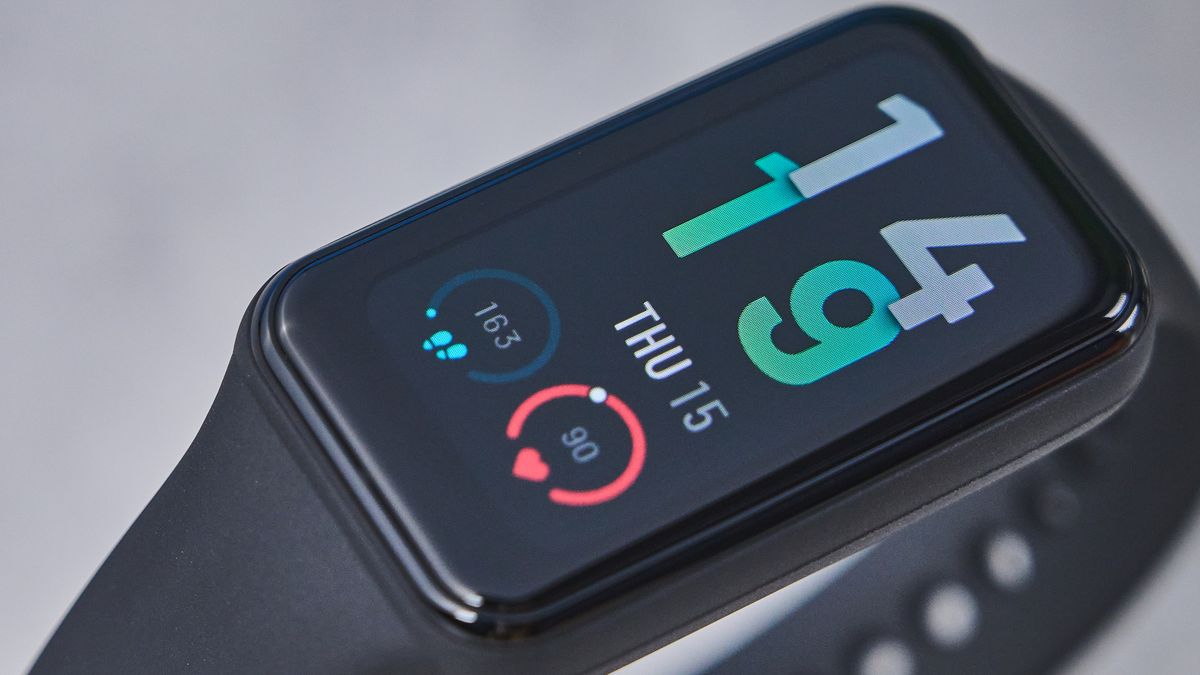
Activity tracking monitors your daily movements. It counts steps, distance, and calories burned. This data helps you stay active and reach fitness goals. Some devices also track specific exercises like running or cycling. This feature encourages regular physical activity and progress.
Sleep Monitoring
Sleep monitoring records how well you sleep each night. It tracks sleep duration and quality. Good sleep is crucial for health and energy. Wearables help identify sleep patterns and problems. Understanding your sleep can lead to better rest and recovery.
Heart Rate Measurement
Heart rate measurement checks your pulse throughout the day. It shows how your heart responds to activity and rest. Monitoring heart rate helps detect irregularities early. It also guides exercise intensity for safer workouts. Continuous heart rate data supports overall heart health.
Stress Management
Stress management features track your stress levels using sensors. Some devices offer breathing exercises to reduce stress. Managing stress improves mental health and focus. Wearables remind you to take breaks and relax. These tools promote a balanced and calm lifestyle.
Credit: www.tomsguide.com
Price And Budget Planning
Price and budget planning plays a key role in choosing wearable technology. Setting a clear budget helps narrow down choices. It ensures you get the best features within your spending limit. Consider what features matter most. Decide how much you are willing to spend before shopping. This approach saves time and prevents overspending.
Entry-level Devices
Entry-level devices suit those new to wearables. They offer basic features like step tracking and notifications. Prices usually range from $20 to $100. These devices often focus on essential health and fitness functions. They are simple, lightweight, and easy to use. Great for casual users or tight budgets.
Mid-range Options
Mid-range wearables provide more advanced features. Expect heart rate monitoring, sleep tracking, and app support. Prices fall between $100 and $250. These devices balance quality and affordability well. They often include better screens and longer battery life. Ideal for users wanting more from their wearable.
Premium Wearables
Premium wearables offer top-tier technology and design. Prices start around $250 and can go above $500. These devices include GPS, ECG, and advanced health metrics. They feature durable builds and stylish designs. Best for fitness enthusiasts and tech-savvy users seeking high performance.
Brand Reputation And Support
Brand reputation and support play a key role in choosing wearable technology. A trusted brand often means reliable products and good customer care. Support services help solve issues quickly and keep your device working well. These factors give confidence and improve the overall experience with your wearable device.
Customer Service
Good customer service answers questions clearly and quickly. It helps with setup, troubleshooting, and advice. Brands with helpful support reduce frustration. Check if the company offers multiple ways to reach them, like phone, chat, or email.
Warranty And Repairs
A solid warranty protects your purchase from defects. Understand what the warranty covers and its length. Some brands offer easy repair or replacement options. This saves money and hassle if the device breaks or malfunctions.
User Reviews
User reviews reveal real experiences with a brand and its products. Look for comments on durability, performance, and support. Mixed or negative reviews can highlight common problems. Positive reviews often point to trustworthy brands and satisfying support.
Privacy And Security
Privacy and security are critical when choosing wearable technology. These devices collect sensitive information about your health, location, and daily habits. You need to ensure your data stays safe and your privacy is respected.
Data Protection
Look for wearables that use strong encryption to protect your data both on the device and during transmission. Check if the company clearly explains how they store and use your data. Remember, a device is only as secure as the data policies behind it.
I once switched to a fitness tracker that promised top-notch security, and it made me feel confident sharing my health stats without worrying about leaks. What kind of data would you feel uncomfortable sharing?
App Permissions
Wearables often connect to apps that request access to various parts of your phone or personal information. Always review these permissions carefully before you install the app. Avoid apps that ask for more access than necessary, like your contacts or microphone, unless it’s essential for the device’s function.
Have you ever installed an app that asked for permissions that seemed unrelated to its purpose? That’s a red flag to watch out for.
Regular Security Updates
Choose devices from brands known for providing regular security updates. These updates fix vulnerabilities and protect your wearable from new threats. Without updates, your device’s security can quickly become outdated, making it easier for hackers to access your data.
Think about your smartphone — you likely update it regularly to stay secure. Your wearable needs the same care. How often do you check for updates on your devices?
Future Trends In Wearables
The future of wearable technology is not just about making gadgets smaller or more stylish. It’s about adding real value to your daily life through smarter, more connected devices. Understanding upcoming trends can help you choose wearables that stay relevant and useful as technology evolves.
Emerging Technologies
Wearables are starting to use flexible displays and advanced materials that bend and stretch with your movements. This means you could soon wear devices that feel more like clothing than tech.
Some new wearables will include AI to predict your needs before you even ask. Imagine a watch that suggests when to rest or hydrate based on your activity and health data.
Integration With Smart Homes
Your wearable will become a key part of your smart home system. It will communicate with lights, thermostats, and security systems to create a seamless living experience.
Think about arriving home to lights that adjust to your mood or a thermostat that sets the perfect temperature as you walk in. Your wearable can make these conveniences automatic without extra effort from you.
Advancements In Health Monitoring
Health tracking will go beyond steps and heart rate. Future wearables will monitor blood sugar, hydration levels, and even detect early signs of illness.
These devices will help you take proactive steps for your health, potentially reducing visits to the doctor. How much could you benefit from early warnings about your body’s condition?
Credit: www.amazon.com
Frequently Asked Questions
What Features Should I Look For In Wearable Technology?
Look for features like heart rate monitoring, GPS, battery life, and compatibility with your devices. Prioritize functions that suit your lifestyle and fitness goals.
How Do I Choose The Right Wearable For Fitness Tracking?
Select a wearable with accurate sensors, water resistance, and activity-specific tracking. Ensure it syncs with your preferred apps for easy data analysis.
Are Smartwatches Better Than Fitness Bands?
Smartwatches offer more functionalities like calls and apps. Fitness bands focus mainly on health metrics. Choose based on your need for features versus simplicity.
How Important Is Battery Life In Wearables?
Battery life is crucial for uninterrupted tracking and convenience. Longer battery life means less frequent charging, ideal for active users or travelers.
Conclusion
Choosing the right wearable technology depends on your needs and lifestyle. Think about what features matter most to you. Comfort and battery life are key factors to consider. Price should fit your budget without cutting important functions. Take time to read reviews and compare options.
The right device can help track health, stay connected, and improve daily life. Keep it simple and practical for the best experience. Wearables are tools to support your goals, not complicate them. Choose wisely and enjoy the benefits they bring.