What Does Wearable Technology Do: Transforming Daily Life
Have you ever wondered what wearable technology really does for you? These gadgets are more than just cool accessories—they can track your health, keep you connected, and even make your daily tasks easier.
Imagine having a personal assistant right on your wrist or a device that helps you stay motivated to move more. If you want to discover how wearable technology can change the way you live, stay tuned. This article will reveal the surprising benefits and practical uses that might just make you want to try one yourself.
Credit: www.bgosoftware.com
Types Of Wearable Devices
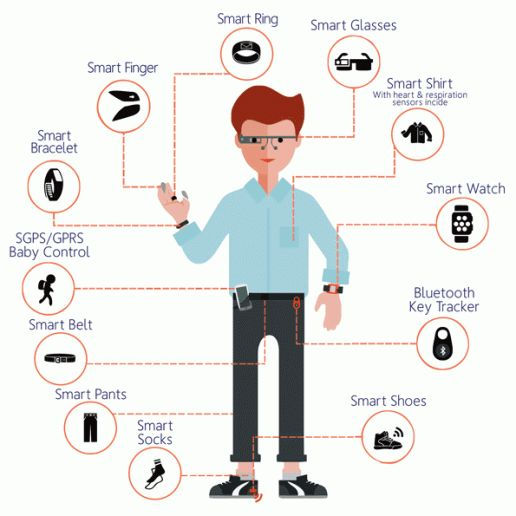
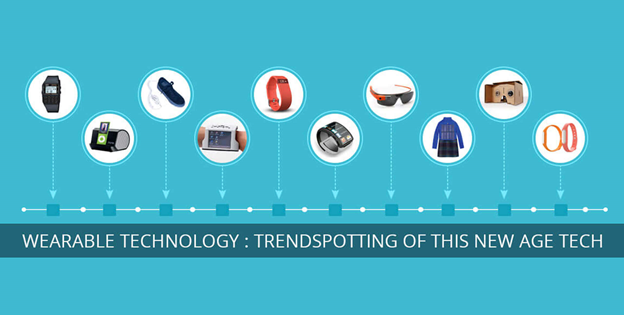
Wearable technology has evolved into various types of devices that fit seamlessly into your daily routine. Each type serves a unique purpose, helping you track, monitor, or enhance different aspects of your life. Understanding these options can help you choose what best suits your needs.
Fitness Trackers
Fitness trackers focus on monitoring your physical activity. They count steps, measure distance, and track calories burned. Many also monitor sleep patterns, giving you a clearer picture of your overall health.
If you want to stay motivated, fitness trackers provide real-time feedback and set goals. Imagine getting a gentle reminder to move after sitting too long—how often does that nudge help you actually get up?
Smartwatches
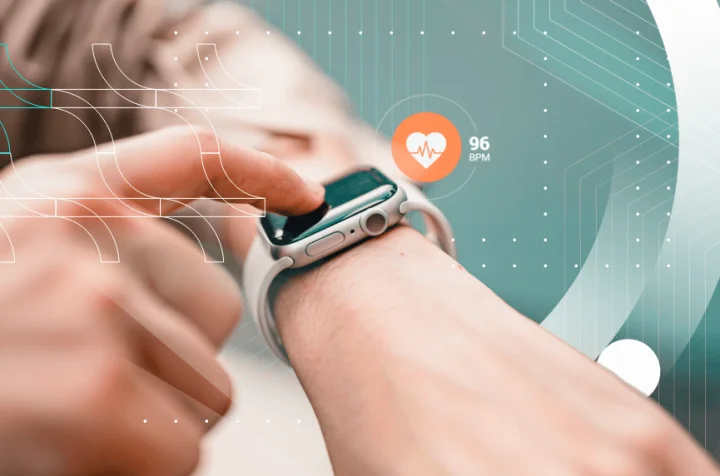
Smartwatches combine the features of fitness trackers with additional smart functions like notifications, calls, and apps. They act as a mini-computer on your wrist, offering convenience without pulling out your phone.
Think about how many times you’ve checked your phone just to see a message. A smartwatch can save you those moments and keep you connected discreetly.
Health Monitors
Health monitors go beyond basic tracking to measure specific health metrics such as heart rate variability, blood oxygen levels, and even ECG readings. These devices can alert you to potential health issues early on.
Have you ever wondered if your heart is really healthy during stress or exercise? A health monitor can provide those insights, sometimes even sharing data directly with your doctor.
Augmented Reality Glasses
Augmented reality (AR) glasses overlay digital information onto your real-world view. This technology is useful for hands-free navigation, learning, and even gaming.
Imagine walking into a new city and seeing directions right in front of your eyes or getting instant translations while talking to someone. AR glasses bring these possibilities to life.
Enhancing Health And Fitness
Wearable technology helps people stay healthy and fit every day. These devices collect data about your body and activities. They show useful information to improve your lifestyle.
Wearables motivate users to move more, eat better, and rest well. They make health goals easier and more fun to reach.
Activity Tracking
Wearable devices count steps, distance, and calories burned. They track daily movement and exercise routines. This helps users see how active they are and set goals.
Some wearables also monitor specific workouts like running or cycling. They provide feedback on performance and progress.
Heart Rate Monitoring
Heart rate sensors measure your pulse throughout the day. This shows how hard your heart is working during activities. It also helps detect irregular heartbeats early.
Users can adjust exercise intensity based on heart rate zones. This improves fitness safely and effectively.
Sleep Analysis
Wearables track sleep patterns including deep, light, and REM sleep. They show how long and how well you sleep each night. This helps identify sleep problems and improve rest.
Better sleep leads to more energy and faster recovery after exercise.
Personalized Fitness Coaching
Some wearables offer tailored advice based on your health data. They suggest workouts, rest times, and nutrition tips. This creates a fitness plan made just for you.
Coaching features keep users motivated and focused on their goals. They adapt as your fitness level changes.
Boosting Productivity
Wearable technology is changing how you work and manage daily tasks by boosting your productivity. It puts important tools right on your wrist or glasses, so you stay focused without constantly reaching for your phone or computer. This helps you get more done while keeping distractions at bay.
Notifications And Alerts
Wearables deliver notifications directly to you without interrupting your workflow. Instead of checking your phone every few minutes, your smartwatch or fitness band shows messages and reminders discreetly. This keeps you informed and lets you decide when to respond, saving valuable time.
Imagine finishing a task and getting a gentle tap on your wrist about a meeting starting soon. You stay on schedule without breaking your concentration.
Voice Commands
Using voice commands with wearables lets you perform tasks hands-free. You can send texts, set reminders, or search for information just by speaking. This is especially helpful when your hands are busy or you’re on the move.
Have you ever tried dictating a quick email or asking for directions while carrying groceries? Wearables make that simple, so you don’t lose momentum.
Seamless Connectivity
Wearable devices sync effortlessly with your smartphone, computer, and other gadgets. This seamless connection means your data and notifications stay updated across all platforms. You don’t have to switch devices or apps constantly to stay on top of things.
Think about starting a task on your laptop and receiving progress updates on your watch. This kind of connectivity helps you multitask more efficiently.
Time Management Tools
Wearables come loaded with features like calendars, timers, and habit trackers to manage your time better. These tools help you break down big projects into manageable chunks and remind you to take breaks. Consistent use of these features can improve your focus and prevent burnout.
Have you used a timer on your watch to stay focused during work sessions? It’s a small change that can make a big difference in how much you accomplish.
Improving Safety And Security
Wearable technology plays a vital role in enhancing your safety and security every day. These devices go beyond tracking steps or monitoring health—they act as personal guardians in many situations. Whether you’re at home, work, or on the move, wearable tech offers practical tools to keep you protected and connected.
Emergency Alerts
Imagine feeling unsafe or suddenly facing a medical emergency. Wearable devices can send immediate alerts to your emergency contacts or local authorities with just a button press. This quick communication can save crucial minutes during a crisis.
You might not always be able to make a call yourself, but your wearable can do it for you. Some devices also detect unusual patterns like a rapid heartbeat or extreme stress and automatically trigger alerts, adding an extra layer of safety.
Location Tracking
Knowing where you or your loved ones are at all times can bring peace of mind. Wearable technology uses GPS to provide real-time location tracking, which is especially helpful for children, elderly family members, or workers in hazardous environments.
Think about hiking alone or navigating a busy city; location tracking ensures help can find you quickly if needed. You can even set safe zones and receive notifications if someone leaves or enters these areas.
Fall Detection
Falls can be dangerous, especially for seniors or people with certain health conditions. Many wearable devices now include fall detection sensors that recognize when you’ve taken a hard fall. They can automatically send alerts to caregivers or emergency services.
I’ve seen how this feature helped a friend who fell at home but couldn’t reach a phone. The device called for help right away, proving how lifesaving this technology can be.
Access Control
Wearables are changing how we secure our homes and workplaces. Instead of keys or passwords, some devices allow access through proximity or biometric data like fingerprints or heart rate patterns. This reduces the risk of lost keys or stolen credentials.
Imagine unlocking your office door with a simple tap on your smartwatch—no fumbling for keys or badges. This seamless security adds convenience without compromising safety, making you feel more secure throughout your day.
Transforming Entertainment
Wearable technology is changing how people enjoy entertainment. These devices bring convenience and new ways to experience music, games, and virtual worlds. They make entertainment more personal and interactive.
Music And Media Control
Wearables allow easy control of music and videos. Users can play, pause, skip, or adjust volume with simple gestures or taps. This hands-free control works well during workouts or travel. Some devices also show song info and notifications. This keeps users connected without needing a phone.
Gaming Enhancements
Gaming gets more immersive with wearable tech. Motion sensors and haptic feedback let players feel movements and actions. Wearables track body movements, adding real-life motion to games. This creates a more active and engaging experience. Players enjoy games that respond to their gestures and positions.
Virtual And Augmented Reality Experiences
Wearables open doors to virtual and augmented reality worlds. VR headsets offer full immersion in digital environments. AR glasses blend digital images with the real world. These devices enhance storytelling, education, and social interaction. Users explore new places and ideas without leaving home.
Credit: medium.com
Challenges And Limitations
Wearable technology offers many benefits but faces several challenges and limits. These issues affect user experience and device performance. Understanding these challenges helps users make better choices.
Battery Life
Most wearables need frequent charging. Short battery life limits continuous use. Users may find it inconvenient to recharge often. Battery technology must improve for longer device operation.
Privacy Concerns
Wearables collect sensitive personal data. This raises worries about data security and misuse. Users fear their information may be shared without consent. Strong privacy measures are essential to protect user data.
Data Accuracy
Wearable devices sometimes provide incorrect readings. Factors like sensor quality and placement affect accuracy. Inaccurate data can lead to wrong health conclusions. Improving sensor technology is important for reliable results.
Device Compatibility
Wearables may not work well with all phones or apps. Compatibility issues limit functionality and user choice. Some devices support only specific platforms or brands. Better standards are needed to ensure broad compatibility.
Future Trends In Wearable Tech
Wearable technology is evolving fast, and the future holds exciting possibilities that will change how you interact with your devices every day. These trends focus on making wearables smarter, more comfortable, and deeply integrated into your lifestyle. Let’s dive into what’s coming next and how it could affect you.
Advanced Health Monitoring
Your wearable won’t just track steps or heart rate anymore. Future devices will monitor a wide range of health metrics continuously, such as blood glucose levels, hydration, and even early signs of illness. Imagine catching a potential health issue before symptoms appear—this could become a routine part of your health management.
These improvements mean you’ll get personalized health insights, not just raw data. Would you rely on your wearable to alert you to health risks? It’s a question worth considering as this tech gets more precise.
Ai Integration
Artificial intelligence will make your wearable devices smarter and more intuitive. Your device will learn your habits, preferences, and needs to offer tailored advice and automate routine tasks. Think of it as having a personal assistant on your wrist who understands you better every day.
This AI could help you improve your fitness routine, manage stress, or even optimize your sleep patterns. How much could your daily life improve if your wearable predicted your needs before you did?
Flexible And Smart Fabrics
Wearables will become less intrusive with fabrics that are both flexible and smart. Clothes embedded with sensors can monitor your body’s signals without the bulk of traditional devices. You might wear a shirt or socks that track your health seamlessly throughout the day.
This technology allows you to stay connected and informed while feeling comfortable. Would you prefer your health tracker to be part of your clothing instead of a separate gadget?
Expanded Ar Applications
Augmented reality (AR) will extend beyond gaming and entertainment into practical, everyday uses. Wearables with AR capabilities can provide real-time information overlays, such as navigation, translations, or work instructions. Imagine fixing a device with step-by-step visual guides right in your field of view.
These applications can boost productivity, learning, and even social interactions. How would having instant, hands-free information change the way you work or learn?

Credit: www.youtube.com
Frequently Asked Questions
What Is Wearable Technology Used For?
Wearable technology tracks health, fitness, and daily activities. It provides real-time data for better lifestyle choices. It also supports communication and convenience on the go. Devices like smartwatches and fitness bands are popular examples.
How Does Wearable Technology Improve Health Monitoring?
Wearables monitor heart rate, sleep patterns, and activity levels continuously. They alert users to irregularities or health risks early. This helps in timely medical intervention and better personal health management.
Can Wearable Technology Enhance Productivity?
Yes, wearables streamline notifications, reminders, and hands-free communication. They help manage tasks efficiently without needing constant phone access. This saves time and boosts overall productivity throughout the day.
Are Wearable Devices Compatible With Smartphones?
Most wearable devices easily sync with smartphones via Bluetooth. This connection enables data sharing, app integration, and remote control features. Compatibility varies by brand but is generally user-friendly and seamless.
Conclusion
Wearable technology helps people track health and stay connected. It makes daily tasks easier and more fun. Devices like smartwatches and fitness trackers show useful information quickly. They also support safety by sending alerts when needed. This technology keeps growing and changing fast.
People use it in many ways every day. Wearables add convenience without much effort. They fit well into busy lifestyles. The future will bring even more helpful features. Wearable technology truly blends technology with life. Simple, useful, and always close at hand.