How Wearable Technology Will Reshape Healthcare: A Revolution
Imagine having a tiny device on your wrist that keeps track of your health every second, alerting you before a problem even starts. This is not science fiction—it’s the power of wearable technology, and it’s about to change your healthcare experience forever.
You’ll discover how these smart gadgets can give you real-time insights, help catch diseases early, and even make visits to the doctor faster and easier. Keep reading to find out how wearable technology will reshape healthcare—and why it matters for your health and well-being.
Rise Of Wearable Tech
Wearable technology is becoming an important part of healthcare. These devices help track health data in real time. This data gives doctors and patients better insight into health conditions.
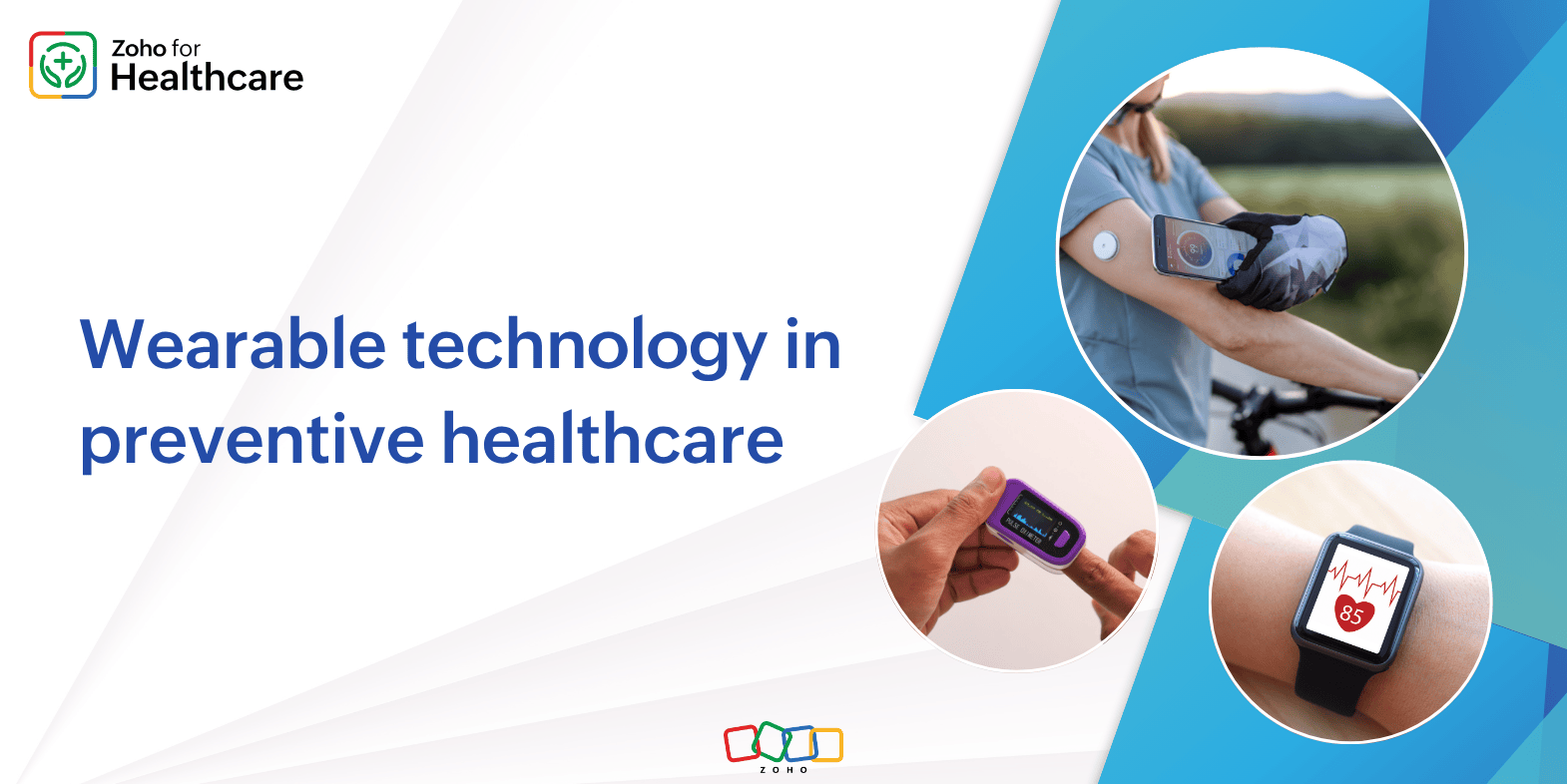
Wearable tech is no longer just fitness trackers. It now includes devices that monitor heart rate, sleep, and blood sugar levels. These tools can detect problems early and support ongoing care.
Current Trends
- Continuous health monitoring through smartwatches and sensors
- Integration with mobile apps for personalized health advice
- Use of AI to analyze health data and predict risks
- Remote patient monitoring to reduce hospital visits
- Focus on mental health with stress and mood tracking
Popular Devices
| Device | Function | Benefit |
|---|---|---|
| Apple Watch | Heart rate, ECG, activity tracking | Early detection of heart issues |
| Fitbit | Step count, sleep analysis | Improves fitness and sleep habits |
| Continuous Glucose Monitors | Blood sugar tracking | Helps manage diabetes effectively |
| Oura Ring | Sleep and recovery tracking | Supports better rest and stress management |
Credit: www.zoho.com
Impact On Patient Monitoring
Wearable technology is changing how doctors and patients track health. It makes patient monitoring easier and more accurate. This shift helps catch problems early and improves care quality. Patients can stay connected to their health anytime and anywhere. The constant flow of health data supports better decisions and faster responses.
Real-time Data Tracking
Wearable devices collect health information instantly. They measure heart rate, sleep patterns, and activity levels. This data updates in real time for both patients and doctors. Sudden changes in health signs can trigger alerts. Immediate action can prevent serious health issues. Real-time tracking gives a clearer picture of a patient’s condition over time.
Remote Health Management
Patients can manage their health without frequent hospital visits. Wearables send data directly to healthcare providers. Doctors monitor patients remotely and adjust treatments quickly. This reduces the need for in-person checkups. Remote management is helpful for chronic disease patients. It saves time and lowers healthcare costs while keeping care effective.
Enhancing Chronic Disease Care
Chronic diseases demand constant attention, and wearable technology offers tools to make managing these conditions easier and more precise. With devices that track health data in real time, you can spot changes early and adjust care before problems escalate. This shift empowers you to take control and live better with ongoing health challenges.
Diabetes Management
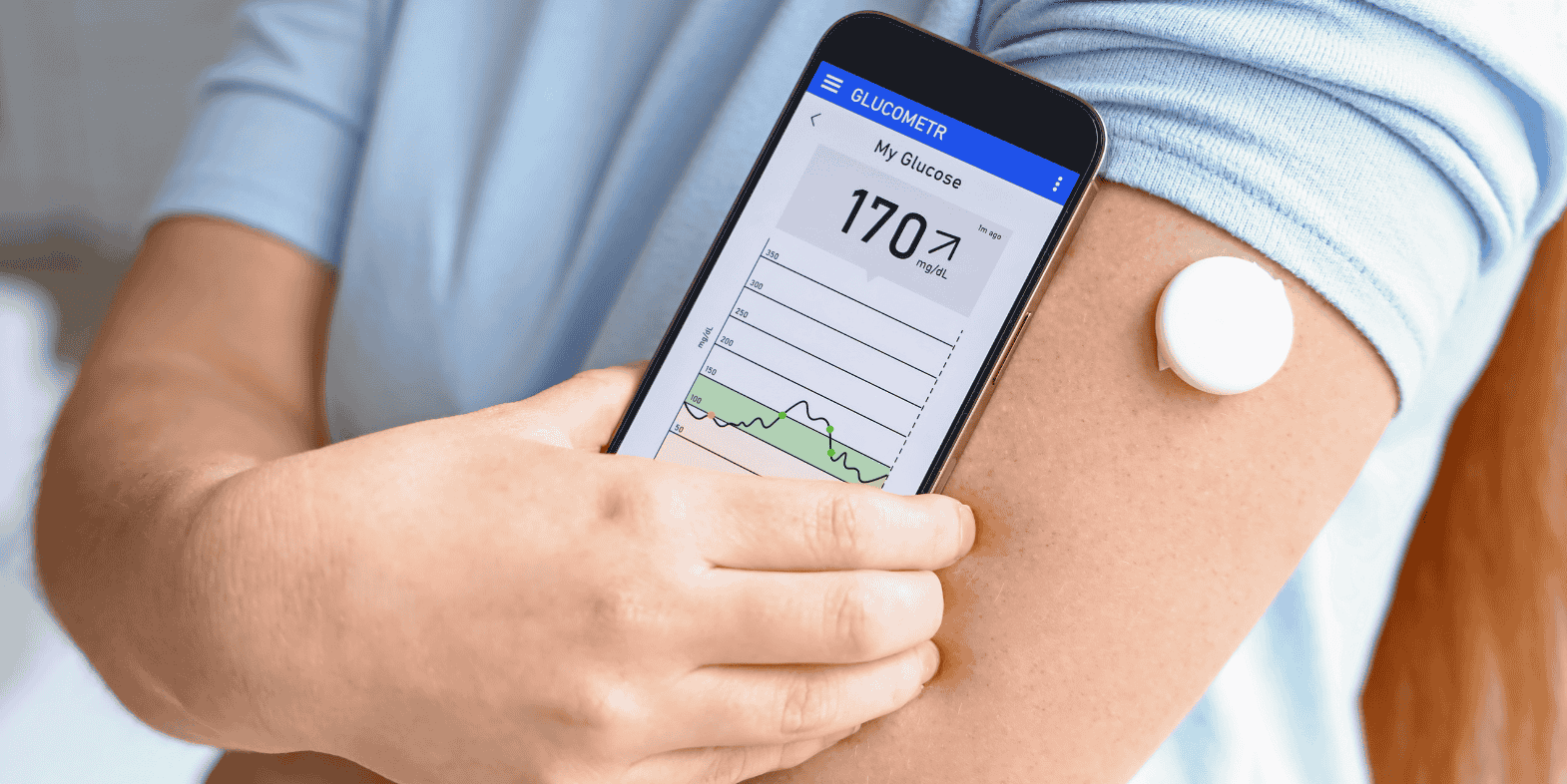
Wearables designed for diabetes help you keep your blood sugar levels in check without frequent finger pricks. Continuous glucose monitors (CGMs) provide real-time data, alerting you to highs and lows instantly.
Imagine waking up and seeing your glucose trends on your smartwatch before breakfast. This lets you adjust your diet or insulin dose right away, preventing dangerous swings.
Many devices sync with apps that suggest personalized meal plans or remind you to take medication, making daily management less stressful. How would having this kind of immediate feedback change your approach to diabetes?
Heart Disease Monitoring
Wearable tech tracks your heart rate, rhythm, and even oxygen levels throughout the day. Devices can detect irregularities like atrial fibrillation early, often before symptoms appear.
Knowing your heart health in real time can prompt you to seek medical advice quickly, potentially avoiding serious events like strokes or heart attacks.
Some wearables offer features like stress monitoring and guided breathing exercises, helping you manage factors that affect heart health. Could having this constant connection to your heart’s status make you more proactive about your cardiovascular wellness?
Boosting Preventive Care
Wearable technology is changing how healthcare focuses on prevention. These devices provide constant health data to users and doctors. This data helps spot health risks early and encourages healthier habits. Preventive care can reduce serious illnesses and lower healthcare costs. Wearables make it easier to track and improve daily health.
Early Detection
Wearables monitor vital signs like heart rate and sleep patterns. They can detect unusual changes that might signal health problems. Early alerts prompt users to seek medical advice faster. This can catch diseases before symptoms appear. Regular data collection helps doctors understand health trends over time.
Lifestyle Improvements
Wearable devices motivate users to move more and eat better. They offer reminders to stay active and hydrated throughout the day. Users can set goals and track progress easily. Small, daily changes lead to better long-term health. Wearables also help reduce stress by monitoring relaxation and sleep quality.
Data Privacy And Security
As wearable technology becomes a key part of healthcare, the question of data privacy and security gains more importance. These devices collect sensitive health information that could be misused if not properly protected. Understanding the risks and how to guard your data is essential for anyone using or considering wearable health tech.
Risks And Challenges
Wearables often store and transmit personal health data over the internet, making them targets for hackers. If a device’s security is weak, your information could be stolen or altered without your knowledge.
Another challenge is the lack of clear regulations around data ownership and sharing. Many users don’t know who exactly has access to their health data after it leaves their device.
Do you ever wonder how your data is handled after syncing your wearable with an app? This uncertainty can lead to privacy breaches and misuse of your sensitive information.
Protective Measures
You can take steps to protect your health data when using wearables. Start by choosing devices with strong encryption and two-factor authentication features.
Regularly update your device software to fix security vulnerabilities. Also, review app permissions carefully—only allow access to data that is necessary for the app’s function.
Consider using a virtual private network (VPN) when syncing your wearable data to add a layer of security. Being proactive about your data privacy helps you stay in control of your personal health information.

Credit: www.latimes.com
Integration With Healthcare Systems
Wearable technology is becoming a vital part of healthcare, but its true value shines when it connects seamlessly with existing healthcare systems. Integration allows data collected by your devices to become actionable insights for doctors and caregivers. This connection can improve diagnosis, treatment, and overall patient care.
Electronic Health Records
Imagine your smartwatch sending real-time health data directly into your Electronic Health Record (EHR). This means doctors get an up-to-date picture of your health without extra appointments or paperwork. Data like heart rate, sleep patterns, and activity levels can help spot issues earlier.
However, integrating wearable data into EHRs requires standard formats and secure channels. Your privacy is crucial, so systems must protect your information while making it accessible to your care team. When done right, this integration helps doctors make faster, better decisions tailored to you.
Telemedicine Synergy
Wearables enhance telemedicine by providing continuous health monitoring between virtual visits. Instead of just discussing symptoms, your doctor can review accurate data collected over days or weeks. This ongoing insight makes remote consultations more precise and personalized.
Think about how this changes your experience: fewer unnecessary trips to the clinic and more focused conversations about your health. Telemedicine paired with wearables creates a feedback loop where your data guides care, and care adjusts based on your data.
Are you ready to share your wearable data with your healthcare provider? This partnership could change how you manage your health every day.
Future Innovations
Wearable technology is evolving quickly. It will soon offer new ways to support health and wellness. Future innovations promise smarter, faster, and more precise health monitoring. These advancements will help doctors and patients manage health better.
Ai And Wearables
Artificial intelligence (AI) will enhance wearable devices significantly. AI can analyze data from wearables instantly. It detects patterns that humans might miss. This helps in early diagnosis of diseases. AI also personalizes alerts for users based on their health data. Wearables with AI can guide users to take timely actions.
Personalized Medicine
Wearables will support personalized medicine by tracking individual health closely. They will collect data like heart rate, sleep, and activity levels daily. Doctors can use this data to tailor treatments for each patient. This approach reduces side effects and improves outcomes. Personalized medicine will make healthcare more precise and effective.
Credit: www.zoho.com
Frequently Asked Questions
What Is Wearable Technology In Healthcare?
Wearable technology includes devices like smartwatches and fitness trackers. They monitor health metrics such as heart rate and activity levels in real-time, enhancing patient care and early diagnosis.
How Do Wearables Improve Patient Monitoring?
Wearables provide continuous health data remotely. This allows doctors to track patient conditions closely, detect issues early, and adjust treatments promptly, improving outcomes and reducing hospital visits.
Can Wearables Detect Chronic Diseases Early?
Yes, wearables track vital signs and patterns linked to chronic conditions. Early detection through data analysis helps in timely intervention and better management of diseases like diabetes and heart problems.
What Are The Privacy Concerns With Healthcare Wearables?
Privacy risks include data breaches and unauthorized access. Manufacturers must ensure strong encryption, secure data storage, and transparent user consent to protect sensitive health information.
Conclusion
Wearable technology is changing healthcare step by step. It helps people track their health every day. Doctors can see real-time data and act fast. This means better care and fewer hospital visits. As devices get smarter, they will support more health needs.
Everyone can take charge of their wellness with these tools. The future of healthcare looks more personal and connected. Small devices, big impact.