
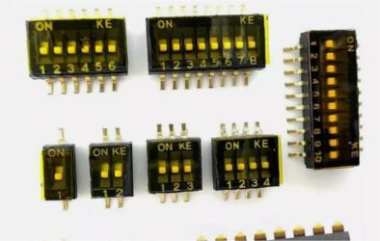
Have you ever wondered what makes your gadgets work so smoothly inside? One small but powerful part that plays a big role is the DIP electronic component.
If you’re curious about how these tiny pieces fit into the bigger picture of electronics, you’re in the right place. Understanding what a DIP component is can help you grasp how devices are built and maybe even inspire you to create your own projects.
Keep reading, and you’ll discover the simple secrets behind this essential part and why it matters to you.
Credit: www.sameskydevices.com
Basics Of Dip Components
DIP components, or Dual In-line Package components, are a common type of electronic part. They are widely used in circuits and devices. Understanding their basics helps in working with electronics confidently.
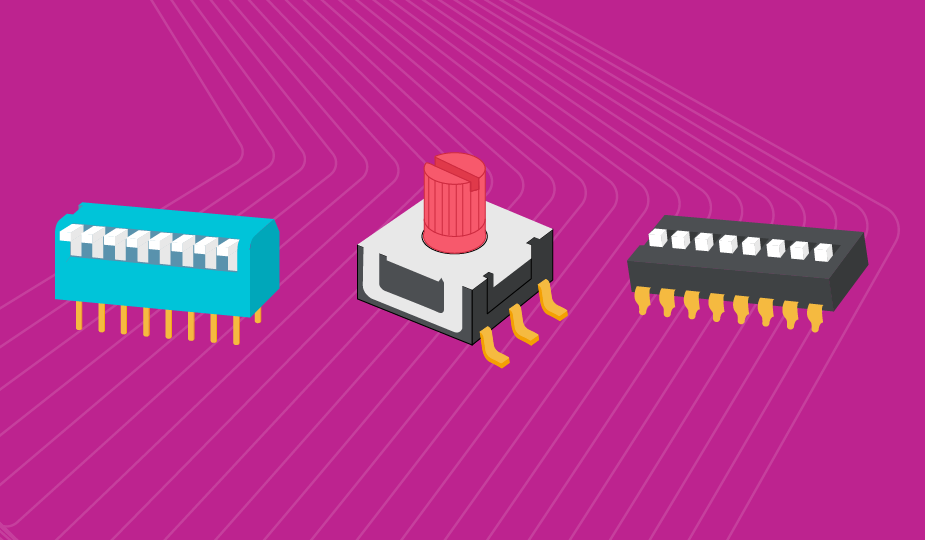
DIP components have a rectangular shape with two parallel rows of pins. These pins fit into holes on a circuit board, making connections easy and secure. Their design supports manual soldering and automated assembly.
What Does Dip Mean?
DIP stands for Dual In-line Package. It describes how the pins are arranged. Two rows of pins run along the sides of the component’s body. This layout allows the component to be mounted on a circuit board easily.
Common Types Of Dip Components
- Integrated Circuits (ICs)
- Switches
- Resistors and Capacitors in DIP form
- EPROM chips
Dip Component Pin Configuration
The number of pins varies from 4 to 40 or more. Pins are spaced evenly, usually 2.54 mm apart. Each pin connects to a specific function or signal. Pin numbering starts at the top left corner.
Advantages Of Using Dip Components
- Easy to handle and install
- Compatible with breadboards and sockets
- Simple to replace or upgrade
- Reliable mechanical and electrical connections
How Dip Components Fit Into Circuits
They are inserted into holes on a PCB. Pins pass through the board and are soldered on the opposite side. This method creates a firm and durable connection. DIP components can be removed and reused if needed.
Structure And Design
The structure and design of a DIP (Dual In-line Package) electronic component play a crucial role in its functionality and ease of use. Understanding how these components are built helps you pick the right one for your project and troubleshoot issues more effectively. The design focuses on simplicity, reliability, and compatibility with standard circuit boards.
Pin Configuration
DIP components typically have two parallel rows of pins. These pins are spaced evenly, usually 0.1 inches (2.54 mm) apart, which fits perfectly into breadboards and PCBs.
The number of pins can vary widely, from as few as 4 to more than 40. Each pin serves a specific purpose like power supply, ground, input, or output.
Have you ever wondered why these pins are so standardized? It’s to ensure easy replacement and consistent connections across different devices. This standardization saves you time when designing or repairing circuits.
Material Composition
The body of a DIP component is usually made from plastic or ceramic. Plastic is common for general use because it’s lightweight and cost-effective.
Ceramic packages are preferred in high-reliability applications since they offer better heat resistance and durability. Inside, the pins are made of metal, often tin or gold-plated copper, to ensure strong electrical conductivity and prevent corrosion.
Choosing the right material affects the component’s lifespan and performance. Next time you pick a DIP for your circuit, consider the environment it will operate in—this choice can make a big difference.
Types Of Dip Packages
Types of DIP packages vary widely, each designed to fit specific needs in electronic circuits. Understanding these types helps you select the right component for your project, ensuring better performance and easier assembly. Let’s look at some common DIP package types to clarify their differences and uses.
Dual Inline Package
The Dual Inline Package, or DIP, is the classic form you’ll often find in electronic devices. It features two parallel rows of pins that plug directly into a socket or through holes on a circuit board.
Its straightforward design makes it easy to handle and replace, which is why many hobbyists and professionals prefer it. Have you noticed how quickly you can swap out a DIP chip compared to surface-mount parts? That ease of use often speeds up troubleshooting and upgrades.
Plastic Dip
Plastic DIP packages are a popular variant of the standard DIP. They use plastic as the casing material, which is cost-effective and offers decent protection to the internal components.
These packages are lightweight and resist moisture, making them suitable for many everyday applications. However, if your project demands higher heat resistance or better durability, you might want to consider other materials like ceramic.
Advantages Of Dip Components
DIP (Dual In-line Package) components offer several clear advantages that make them a popular choice in electronics design and prototyping. Their straightforward design simplifies handling and integration, which can save you time and reduce errors. Understanding these benefits can help you decide when to use DIP components effectively in your projects.
Ease Of Use
DIP components are known for their simple, user-friendly design. They have two parallel rows of pins that fit easily into breadboards and through-hole circuit boards, making them perfect for hands-on work.
If you’ve ever struggled with tiny surface-mount parts under a microscope, you’ll appreciate how much easier it is to place and replace DIP components by hand. This makes troubleshooting and experimentation less frustrating and more efficient.
Have you noticed how quick it is to swap out a DIP chip compared to other packages? This ease of insertion and removal encourages quick testing and iteration, which is crucial when you’re developing or repairing circuits.
Cost-effectiveness
DIP components are generally more affordable than their surface-mount counterparts, especially in small quantities. This can be a big advantage if you’re building prototypes or low-volume products.
Besides the component cost, the tooling and assembly process for DIP parts tend to be less expensive. You don’t need specialized equipment to solder or place these parts, which lowers your overall project budget.
Are you working on a budget but still want reliable components? DIP packages often provide a practical balance between price and performance, making them a smart choice for many hobbyists and engineers alike.
Common Applications
DIP (Dual In-line Package) electronic components are everywhere, powering many devices you use daily. Understanding where these components fit can help you appreciate their importance. Let’s look at some common applications where DIP components play a crucial role.
Consumer Electronics
DIP components are widely used in consumer electronics like remote controls, radios, and gaming consoles. Their compact design makes them easy to mount on circuit boards inside these devices.
You might not realize it, but the buttons you press on your TV remote rely on DIP switches and ICs to send commands. These components help manage power, signal processing, and control functions effectively.
Have you ever opened an old electronic gadget and noticed rows of small black chips with metal legs? Those are often DIP components. They’re simple to replace and test, which is why manufacturers keep using them in many household items.
Industrial Devices
In industrial settings, DIP components are valued for their reliability and ease of maintenance. They appear in control systems, sensors, and automation equipment.
Imagine a factory floor where machines need precise timing and control. DIP ICs handle tasks like timing signals and logic operations to keep everything running smoothly.
Because industrial environments can be harsh, DIP packages offer a sturdy solution that’s easier to repair on-site. If you work with industrial electronics, you might have swapped out a DIP chip to fix a malfunctioning device.

Credit: www.arrow.com
Installation And Soldering Tips
Installing and soldering DIP electronic components requires care and precision. Proper techniques ensure strong connections and prevent damage to parts. This section guides you through the necessary tools and clear steps for a successful installation.
Tools Required
- Soldering iron with a fine tip
- Lead-free solder wire
- Flux pen or paste
- Desoldering pump or wick
- Needle-nose pliers
- Wire cutters
- Antistatic wrist strap
- Multimeter for testing
- PCB holder or vise
Step-by-step Guide
- Wear the antistatic wrist strap to protect components.
- Insert the DIP component pins into the PCB holes carefully.
- Flip the board to access the pins underneath.
- Heat the soldering iron to around 350°C (662°F).
- Apply flux to the pins for better solder flow.
- Touch the soldering iron tip to a pin and pad simultaneously.
- Feed solder wire to the heated joint until it melts and flows.
- Remove solder wire first, then the iron, to form a shiny joint.
- Repeat for each pin, avoiding excess solder or bridges.
- Trim any long pin leads with wire cutters.
- Inspect all joints with a magnifier for cold or cracked solder.
- Use a multimeter to test continuity and correct installation.
Troubleshooting And Maintenance
Maintaining and troubleshooting DIP electronic components is key to ensuring device reliability. These components can face issues from wear, poor connections, or environmental effects. Regular checks help spot problems early and keep circuits working well. Proper care extends the component’s lifespan and prevents costly repairs.
Common Issues
- Poor solder joints causing intermittent connections
- Bent or broken pins during handling or insertion
- Oxidation leading to increased resistance on pins
- Component overheating from excessive current
- Damage from static electricity discharge
Preventive Measures
- Use clean, well-maintained soldering tools
- Handle components with care to avoid bending pins
- Store components in anti-static containers
- Apply contact cleaner to pins before insertion
- Check circuit power limits to prevent overheating
- Inspect solder joints regularly for cracks or dullness

Credit: www.amazon.com
Frequently Asked Questions
What Is A Dip Electronic Component?
A DIP (Dual Inline Package) is a type of electronic component package. It has two parallel rows of pins for easy insertion into circuit boards. DIP components are widely used for integrated circuits and other devices in through-hole mounting.
How Do Dip Components Work In Circuits?
DIP components connect to circuit boards via their pins. Each pin corresponds to a specific function or signal. When inserted into a socket or PCB, they create electrical connections necessary for the circuit’s operation.
What Are The Common Uses Of Dip Components?
DIP components are common in microcontrollers, memory chips, and logic ICs. They are used in prototyping and production due to easy handling and soldering on PCBs.
How To Identify A Dip Electronic Component?
DIP components have a rectangular plastic body with two rows of metal pins. The pins are spaced evenly and designed for through-hole mounting on PCBs.
Conclusion
A DIP electronic component fits easily into circuit boards. It helps connect parts simply and clearly. Many devices use DIP parts for their design. Understanding DIP basics makes electronics easier to learn. These components stay popular because they are simple and reliable.
Knowing what DIP means helps you read electronics better. It’s a small but important piece in many gadgets. Keep exploring to see how DIP parts work in real life.


