What is Ic in Electronics Components: Ultimate Guide Explained
Have you ever wondered what makes your smartphone, computer, or even your TV work so smoothly? The secret lies in a tiny component called the IC.
If you’re curious about what IC means in electronics and why it’s so important, you’re in the right place. Understanding ICs can unlock a whole new level of knowledge about the devices you use every day. Keep reading, and you’ll discover how these small chips power the technology all around you.
Basics Of Ics
Integrated Circuits, or ICs, are vital parts of modern electronics. They combine many tiny electronic components into a small chip. This makes devices smaller, faster, and more reliable. ICs are found in almost all electronic devices today.
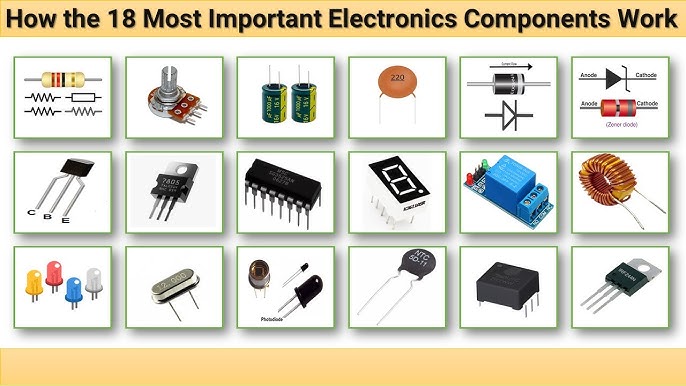
The basics of ICs help understand their role and how they work. They contain components like transistors, resistors, and capacitors. These parts work together to perform various functions like amplification, computation, or signal processing.
What Is An Integrated Circuit?
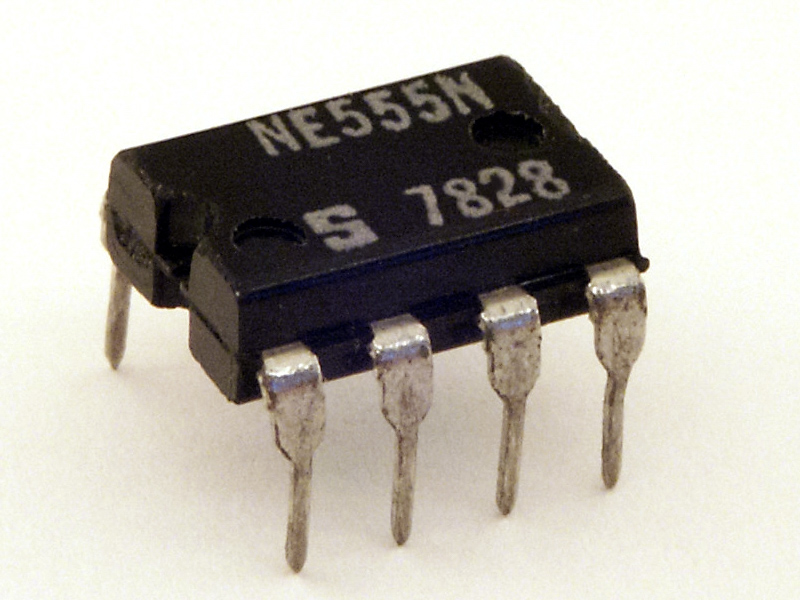
An Integrated Circuit is a small chip made of semiconductor material. It holds many electronic components in a compact form. These components are connected to perform specific tasks inside electronic devices.
- Analog ICs: Handle continuous signals like sound or temperature.
- Digital ICs: Work with binary signals, used in computers.
- Mixed-Signal ICs: Combine analog and digital functions.
How Ics Are Made
ICs are created using a process called photolithography. A silicon wafer is coated with layers of materials. Patterns are etched to form tiny circuits. This process repeats multiple times to build the full chip.
- Compact size saves space in devices.
- Lower power consumption compared to discrete parts.
- Improved reliability due to fewer connections.
- Cost-effective for mass production.

Credit: www.electronicsandyou.com
History Of Integrated Circuits
The history of integrated circuits marks a major milestone in electronics. It transformed bulky, complex devices into small, efficient components. This change paved the way for modern electronics, impacting everyday life.
Integrated circuits, or ICs, combine many electronic components on a tiny chip. This innovation started in the mid-20th century. The journey of ICs involves key inventors and important inventions.
The Origins Of Integrated Circuits
The idea of miniaturizing circuits came from the need to make electronics smaller and faster. Engineers wanted to reduce the size of components and wiring. This led to the concept of integrating multiple parts on one chip.
Key Inventors And Early Developments
Jack Kilby of Texas Instruments created the first working integrated circuit in 1958. His design used germanium and showed the potential of ICs. Around the same time, Robert Noyce at Fairchild Semiconductor developed a silicon-based IC. Noyce’s design was easier to produce and helped start mass manufacturing.
Impact On Technology And Industry
Integrated circuits changed electronics forever. They made devices smaller, cheaper, and more reliable. ICs enabled the creation of computers, mobile phones, and many other gadgets. The growth of the IC industry also boosted global technology development.
Types Of Ics
Integrated Circuits (ICs) come in different types, each designed to handle specific tasks in electronic devices. Understanding these types helps you choose the right IC for your project or repair work. Let’s look at the main categories and what makes each unique.
Analog Ics
Analog ICs process continuous signals like sound, light, or temperature. They are essential in devices such as amplifiers, voltage regulators, and sensors. If you’ve ever adjusted the volume on your radio, you’ve interacted with an analog IC working behind the scenes.
These ICs often deal with real-world inputs, making their design crucial for precision and stability. Ever wondered how your phone’s microphone converts sound into an electrical signal? That’s the job of an analog IC.
Digital Ics
Digital ICs work with discrete signals, mainly binary code (0s and 1s). They form the backbone of computers, calculators, and digital watches. If you type on a keyboard or use a smartphone app, digital ICs are managing the data.
These ICs include microprocessors, memory chips, and logic gates. Their strength lies in fast, reliable processing of information, which is why they dominate computing devices.
Mixed-signal Ics
Mixed-signal ICs combine both analog and digital functions on a single chip. This hybrid nature makes them ideal for applications like data converters, radio frequency circuits, and automotive electronics. Think of your smartphone’s camera sensor, which uses mixed-signal ICs to convert light into digital images.
By handling both types of signals, mixed-signal ICs reduce space and power consumption in devices. Have you considered how many tasks your gadgets perform simultaneously? Mixed-signal ICs make that possible.

Credit: www.reddit.com
Key Components Of Ics
Understanding the key components inside an Integrated Circuit (IC) helps you grasp how these tiny chips perform complex tasks. Each component plays a unique role, working together to create the powerful functions you rely on in electronics. Let’s break down the main building blocks that make ICs so versatile and efficient.
Transistors
Transistors are the heart of most ICs. They act as switches or amplifiers, controlling the flow of electrical current. You can think of them as tiny gates that open or close to manage signals inside the chip.
Without transistors, ICs wouldn’t be able to process information or perform logic operations. Modern chips can contain millions—even billions—of transistors packed into a small space. Ever wondered how your smartphone handles so much data? It’s largely due to these microscopic transistors working in sync.
Capacitors
Capacitors store and release electrical energy within an IC. They help smooth out voltage fluctuations and filter signals to keep circuits stable. Imagine them as tiny energy reservoirs that balance the power flow during operation.
Capacitors also assist in timing functions by controlling how quickly a circuit charges or discharges. This timing is crucial in everything from simple clocks to complex processors. Have you noticed how stable your devices run even under heavy use? Capacitors play a big role in that reliability.
Resistors
Resistors control the amount of current flowing through the circuit. They limit or reduce current to protect sensitive components from damage. Think of them as traffic regulators that keep the electrical flow under control.
By adjusting resistance levels, IC designers can fine-tune how circuits respond to signals. This precision helps ensure consistent performance and prevents overheating. Next time you see a circuit board, try spotting the tiny resistors—they’re small but essential for keeping everything running smoothly.
Ic Manufacturing Process
The IC manufacturing process is a fascinating journey from a digital design to a tiny chip that powers countless devices. Understanding this process helps you appreciate the complexity and precision behind every integrated circuit (IC) in your gadgets. Let’s break down how these chips come to life, step by step.
Design And Fabrication
The process starts with the design phase, where engineers create detailed blueprints of the circuit. These designs specify how millions of transistors and components will connect on a silicon wafer. Precision is key because even a tiny mistake can affect the chip’s performance.
Next is fabrication, which takes place in cleanrooms to avoid dust and contamination. Silicon wafers undergo a series of steps such as photolithography, etching, doping, and layering. Each step shapes the wafer to form the intricate circuits defined in the design.
Have you ever wondered how a wafer holds hundreds or thousands of chips? The answer lies in how carefully the fabrication process repeats patterns across the wafer before cutting it into individual ICs.
Testing And Packaging
After fabrication, the ICs aren’t ready to use just yet—they need thorough testing. Testing checks if each chip meets performance standards and identifies any defects. This step ensures you get a reliable product when you buy electronics.
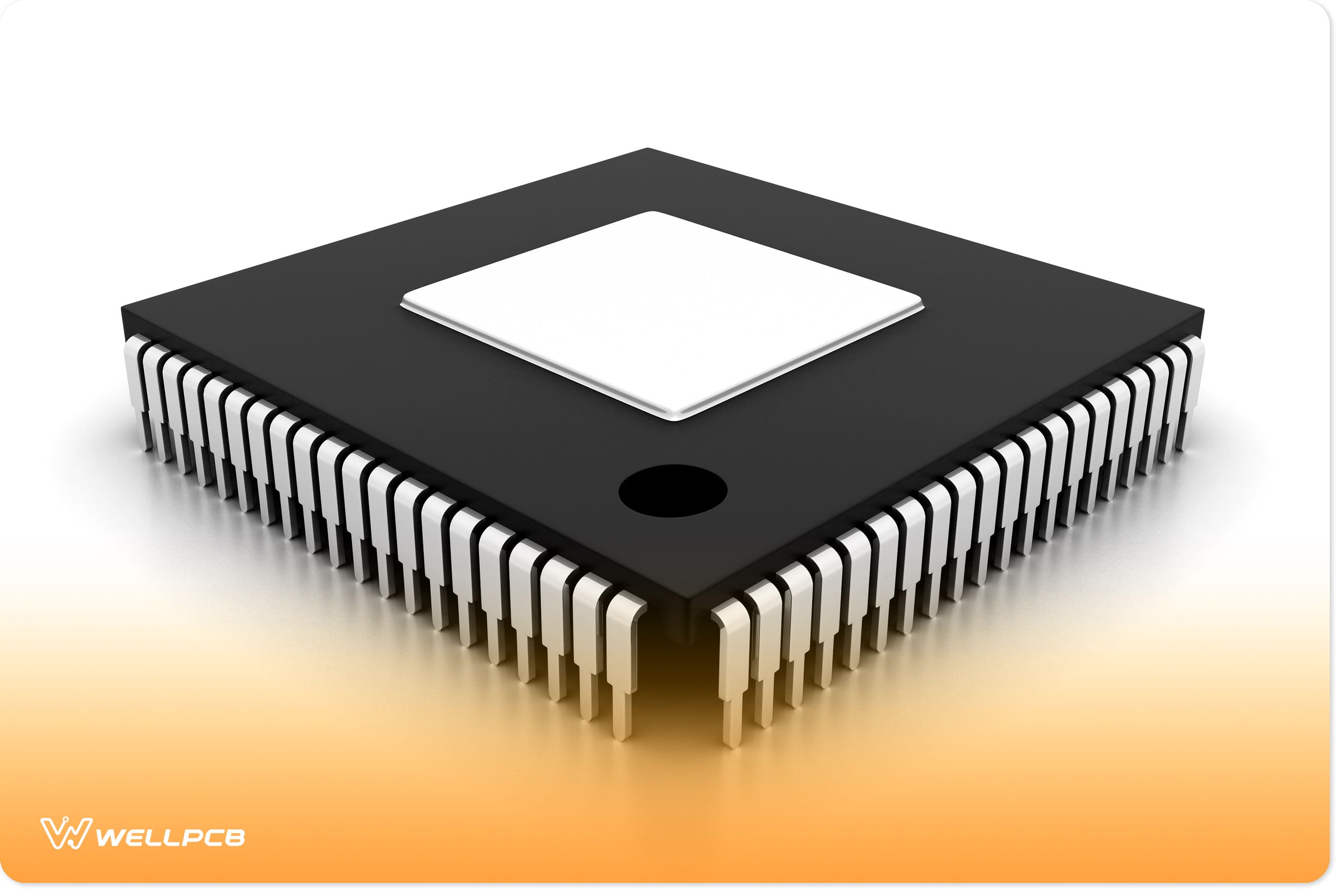
Once tested, the good chips move to packaging. Packaging protects the IC and provides the pins or contacts to connect it to other parts of a circuit. The package also helps manage heat and physical stress during use.
Think about your smartphone or laptop: without proper packaging, the delicate IC inside would be vulnerable to damage. Packaging turns a fragile chip into a robust component ready for the real world.
Credit: www.wellpcb.com
Applications Of Ics
Integrated Circuits (ICs) power countless devices you interact with daily. Their compact size and efficiency make them essential across various fields. Understanding where ICs are used can give you a clearer picture of their value and versatility.
Consumer Electronics
Your smartphone, laptop, and even your TV rely heavily on ICs to function smoothly. These tiny chips handle everything from processing data to managing power usage. Without ICs, the sleek, fast gadgets you enjoy wouldn’t exist.
Think about the last time your phone updated its software or your gaming console ran a complex game. ICs made that possible by efficiently managing multiple tasks simultaneously. Have you ever wondered how so many features fit into such a small device?
Automotive Industry
Modern cars are packed with ICs that control engine systems, safety features, and infotainment. They help monitor and optimize fuel efficiency, reduce emissions, and enhance driver safety. This integration makes vehicles smarter and more reliable than ever before.
Consider the anti-lock braking system (ABS) or airbag deployment—both depend on ICs for rapid response. Next time you drive, notice how your car uses technology quietly working behind the scenes to keep you safe.
Telecommunications
ICs enable the fast, reliable communication networks you depend on every day. They process signals, manage data flow, and ensure clear voice and video transmission. Without ICs, the internet and mobile networks would be much slower and less stable.
When you send a text or join a video call, ICs work instantly to connect you. Have you paused to think about the complex technology that makes seamless communication possible?
Advantages Of Using Ics
Integrated Circuits (ICs) have transformed the electronics industry. Their use brings many benefits that improve device performance and design. ICs combine many components into a small chip. This reduces size and cost. They also increase reliability and efficiency in electronic devices.
Compact Size and Space Saving
ICs are very small compared to discrete components. They fit many functions into a tiny chip. This saves space on circuit boards. Smaller size helps make portable devices lighter and easier to carry.
Lower Cost of Production
Manufacturing ICs is cheaper than assembling many separate parts. Mass production reduces the price per unit. This makes electronics more affordable for consumers.
Improved Reliability
ICs have fewer connections and solder points. This reduces the chance of failure. The components inside are protected by a solid package. This makes ICs more durable and stable over time.
Better Performance and Speed
Signals travel shorter distances inside ICs. This reduces delay and power loss. ICs can operate faster than circuits built with separate parts. This improves overall device speed.
Lower Power Consumption
ICs use less power than equivalent circuits made from discrete components. This is important for battery-powered devices. Longer battery life means better user experience.
Easy to Design and Manufacture
Designers can use ICs to simplify circuit layouts. This reduces design time and complexity. Manufacturing is also easier with fewer parts to handle.
Challenges In Ic Development
Developing integrated circuits (ICs) involves many complex challenges. Engineers must solve difficult problems to create reliable and efficient ICs. These challenges affect cost, performance, and production time. Understanding these obstacles helps appreciate the effort behind every electronic device.
Miniaturization and Design Complexity
ICs keep getting smaller but more powerful. Designing tiny circuits with millions of components is tough. Small sizes cause heat and electrical interference problems. Managing these issues requires advanced tools and skills.
Manufacturing Precision and Yield
Manufacturing ICs demands extreme precision. Even a tiny error can ruin a chip. High precision machines and clean environments are necessary. Maintaining good production yield while avoiding defects is a constant challenge.
Power Consumption and Heat Dissipation
ICs must use less power to extend battery life. At the same time, they generate heat that can damage circuits. Engineers work hard to balance power use and heat control. Efficient designs improve device reliability and safety.
Testing and Quality Assurance
Testing every IC thoroughly is essential to ensure quality. Complex circuits need many test steps to find faults. This process is time-consuming and costly. Yet, it prevents failures in final products.
Future Trends In Ic Technology
Future trends in IC technology promise exciting changes in electronics. Integrated circuits are becoming smaller, faster, and more efficient. These improvements will impact many fields, from smartphones to medical devices. Innovations focus on enhancing performance while reducing power use and cost.
New materials and designs will push the boundaries of what ICs can do. Advances in manufacturing techniques will also enable more complex circuits. These trends will shape the next generation of electronic devices.
Smaller And More Powerful Chips
ICs are shrinking in size but gaining power. This allows devices to be lighter and faster. Smaller chips use less energy and fit into compact gadgets. Nanotechnology helps achieve these size reductions.
3d Integrated Circuits
3D ICs stack multiple layers of circuits vertically. This design improves speed and reduces delays. It also saves space on the chip surface. 3D ICs are a key trend in miniaturization and performance.
Use Of New Materials
Traditional silicon is being replaced by new materials like graphene. These materials conduct electricity better and are more durable. They help create faster and more efficient ICs. Research in this area is rapidly growing.
Artificial Intelligence Integration
ICs now include AI features directly on the chip. This allows devices to process data faster and smarter. AI-integrated ICs improve real-time decision-making in gadgets. They enhance user experience and device capabilities.
Energy-efficient Designs
Reducing power consumption remains a top priority. New IC designs focus on low energy use without losing performance. This trend supports longer battery life in mobile devices. It also helps reduce environmental impact.
Frequently Asked Questions
What Is An Ic In Electronic Components?
An IC, or integrated circuit, is a small chip containing multiple electronic components. It performs complex functions in a compact form. ICs are essential in modern electronics, improving performance and reducing size.
How Do Ics Work In Electronic Circuits?
ICs combine transistors, resistors, and capacitors on a tiny chip. They process signals and control electrical functions efficiently. This integration simplifies circuit design and boosts reliability.
What Are The Common Types Of Ics?
Common IC types include digital, analog, and mixed-signal ICs. Digital ICs process binary data, analog ICs handle continuous signals, and mixed-signal ICs combine both functions.
Why Are Ics Important In Modern Electronics?
ICs enable miniaturization and complex functionality in devices. They reduce power consumption, cost, and increase speed. ICs are foundational to computers, smartphones, and other electronics.
Conclusion
Integrated circuits (ICs) play a key role in modern electronics. They combine many tiny parts into one small chip. This makes devices smaller and more powerful. Understanding ICs helps you grasp how gadgets work. They appear in phones, computers, and many other tools.
Knowing their basics makes electronics less confusing. Keep exploring to learn how different ICs fit various uses. Simple parts, big impact.