What is Predictive Maintenance Technologies: Unlock Efficiency
Have you ever wished you could stop machine breakdowns before they happen? Imagine saving time, money, and stress by knowing exactly when your equipment needs attention.
That’s where predictive maintenance technologies come in. These smart tools help you spot problems early, so you can fix them before they turn into costly disasters. If you want to keep your operations running smoothly and avoid unexpected downtime, understanding predictive maintenance is a game-changer.
Keep reading to discover how these technologies work and why they matter for your business.

Credit: www.radometechnologies.com
Predictive Maintenance Basics
Understanding the basics of predictive maintenance technologies is essential for anyone involved in managing machinery or industrial equipment. These technologies help you anticipate equipment failures before they happen, saving time and costs associated with unexpected breakdowns. Let’s look at the core ideas behind predictive maintenance and why it matters to your operations.
Key Concepts
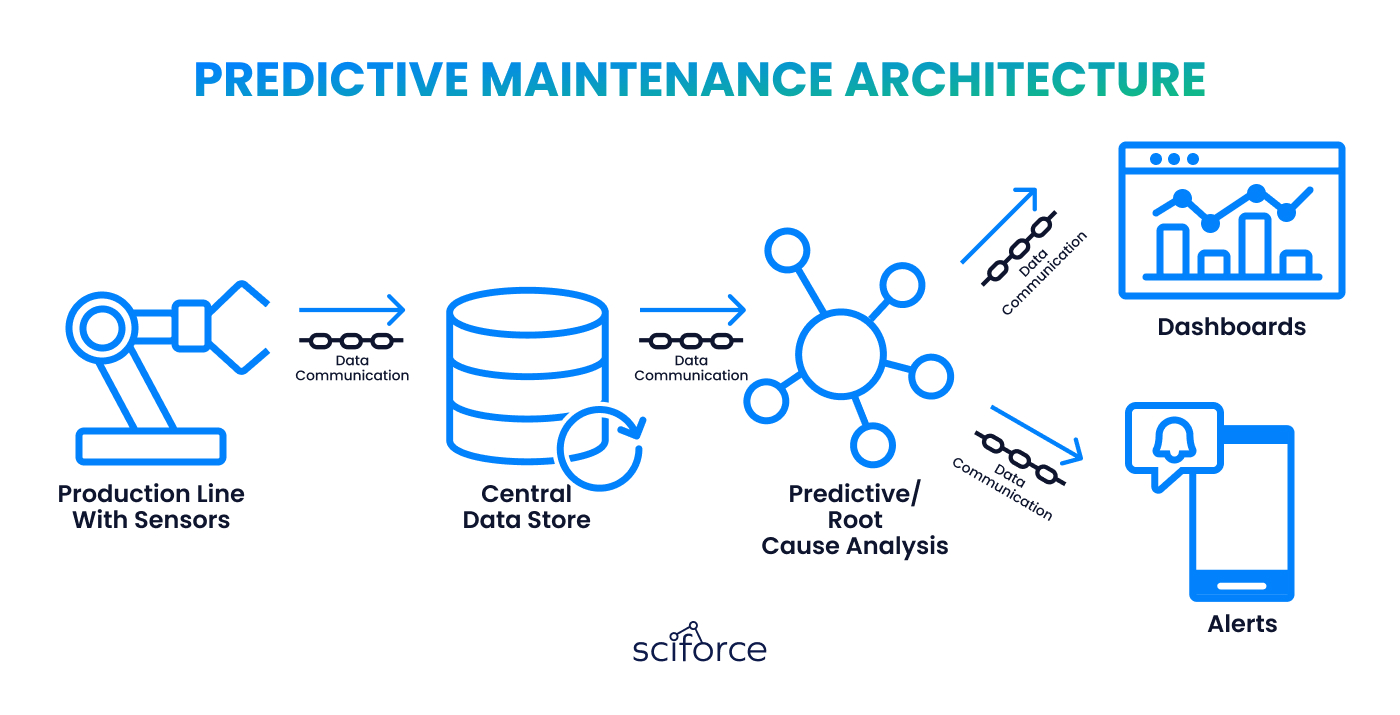
Predictive maintenance relies on monitoring the condition of equipment during normal operation. Sensors collect data such as temperature, vibration, and pressure, which is then analyzed to detect signs of wear or potential failure.
Instead of fixing machines on a fixed schedule or after they break, you fix them only when the data shows a problem is likely. This approach makes your maintenance efforts more efficient and targeted.
Think about a factory robot that suddenly stops working. With predictive maintenance, you might have noticed unusual vibration patterns days before the failure and scheduled a repair without disrupting production.
Benefits For Industry
- Reduced Downtime:Machines stay operational longer because issues are fixed early.
- Cost Savings:Avoid expensive emergency repairs and unnecessary maintenance tasks.
- Improved Safety:Early detection of faults reduces the risk of accidents.
- Longer Equipment Life:Timely repairs prevent severe damage to machines.
Have you ever considered how much money your company loses every hour a critical machine is down? Predictive maintenance can turn those hours into minutes, keeping your production line moving smoothly.

Credit: leewayhertz.medium.com
Core Technologies
Core technologies form the backbone of predictive maintenance, enabling you to anticipate equipment failures before they happen. These technologies gather and process data, turning raw information into actionable insights. Understanding them helps you choose the right tools to keep your operations smooth and cost-effective.
Sensors And Iot Devices
Sensors and IoT devices are the eyes and ears of predictive maintenance. They continuously monitor equipment conditions like temperature, vibration, and pressure.
Imagine a factory where machines send real-time alerts about unusual heat spikes. This instant feedback lets you fix issues before they cause downtime.
Without these devices, you’d rely on guesswork or scheduled checks that might miss hidden problems.
Data Analytics And Ai
Collecting data is just the start. Data analytics and AI transform that data into clear patterns and trends.
Think about analyzing months of sensor data to spot subtle changes that signal wear and tear. AI can detect these shifts faster and more accurately than humans.
This means you can plan maintenance precisely when it’s needed, avoiding unnecessary repairs or unexpected breakdowns.
Machine Learning Models
Machine learning models learn from past data to predict future equipment behavior. They get smarter over time as they process more information.
For example, a model might predict that a pump will fail within 30 days based on vibration data trends. This prediction helps you schedule maintenance just in time.
Would you rather fix a problem on your schedule or wait for an emergency that halts your work? Machine learning gives you that control.
Data Collection Methods
Data collection is the backbone of predictive maintenance technologies. Without accurate and timely data, predicting equipment failures or scheduling maintenance becomes guesswork. Understanding how data is gathered helps you make better decisions about which tools to use and how to interpret the information you receive.
Real-time Monitoring
Real-time monitoring collects data continuously from sensors installed on machines. These sensors track parameters like temperature, vibration, and pressure instantly.
Imagine your factory’s conveyor belt suddenly heating up. Real-time sensors detect this spike immediately, allowing you to act before a breakdown happens. This method keeps your operations smooth by catching issues as they start.
Devices often connect to cloud platforms, giving you access to live data on your phone or computer. This instant visibility means you can respond faster, saving time and money.
Historical Data Use
Historical data involves collecting and analyzing past information about equipment performance and maintenance records. This data reveals patterns and trends that help predict future failures.
Think about how you remember your car’s service history to anticipate when it might need a tune-up. Similarly, companies use this stored data to schedule maintenance at the most effective times.
By comparing past failures with current conditions, you can identify which parts wear out fastest and plan replacements accordingly. This approach reduces unexpected downtime and extends the life of your equipment.

Credit: www.deloitte.com
Implementation Strategies
Implementing predictive maintenance technologies requires careful planning and clear strategies. Companies must focus on how these technologies fit into their current operations. Effective implementation improves equipment reliability and reduces downtime. It also helps teams respond faster to potential failures.
Integration With Existing Systems
Connecting predictive maintenance tools with current systems is crucial. Data from sensors and machines should flow smoothly into existing software. This integration avoids duplication and ensures accurate insights.
- Assess current IT infrastructure before adding new tools
- Choose compatible software and hardware
- Use APIs to link different platforms
- Train staff on new system workflows
Well-integrated systems provide real-time data. This helps teams make better decisions quickly.
Challenges And Solutions
Implementing predictive maintenance brings challenges. Data quality issues and lack of skilled staff are common problems. Resistance to change can also slow progress.
- Data Quality:Clean and validate data regularly to ensure accuracy.
- Skill Gaps:Provide training and hire experts in data analysis and maintenance.
- Change Management:Communicate benefits clearly to encourage team buy-in.
- Cost Concerns:Start with small pilot projects to show value before scaling.
Addressing these challenges early leads to smoother adoption and better results.
Industry Applications
Predictive maintenance technologies are reshaping how various industries handle equipment upkeep. By using data and smart tools, these technologies help you predict when machines might fail before problems happen. This approach saves time, cuts costs, and improves safety in many sectors.
Manufacturing
In manufacturing, downtime means lost money and delayed orders. Predictive maintenance helps you monitor machines like conveyor belts, motors, and robots in real time. Sensors track vibrations, temperature, and wear, alerting you to issues early.
Imagine catching a worn-out bearing before it breaks. This prevents costly production halts and keeps your team productive. Have you ever faced unexpected machine failures that threw off your entire schedule?
Energy Sector
The energy industry relies on equipment like turbines, transformers, and pipelines that operate under high stress. Predictive maintenance technologies analyze data from these assets to spot signs of fatigue or corrosion.
This approach helps you avoid blackouts and expensive repairs. For example, wind farms use sensor data to schedule maintenance during low-wind periods, minimizing energy loss. How often do you think energy providers miss early warning signs of equipment failure?
Transportation
In transportation, safety and reliability are critical. Predictive maintenance monitors engines, brakes, and other vital components of vehicles and trains to reduce breakdowns on the road or track.
Fleet operators can use this data to plan repairs before issues become dangerous or costly. Imagine avoiding a costly roadside repair by knowing exactly when a part needs replacement. Are you ready to trust data over guesswork for your vehicle maintenance?
Future Trends
The future of predictive maintenance technologies holds exciting possibilities that can reshape how you manage equipment and reduce downtime. As technology evolves, new tools and methods will become available to help you predict failures more accurately and respond faster.
Advancements In Ai
AI is getting smarter at analyzing complex data from machines. It can now detect subtle patterns that humans might miss, allowing you to predict failures before they happen. This means maintenance can be scheduled exactly when needed, saving time and money.
Imagine your system learning from past breakdowns and improving its predictions continuously. This adaptability helps you avoid unexpected stoppages and extend the life of your equipment. The key question is: how will you use AI-driven insights to change your maintenance strategies?
Edge Computing Impact
Edge computing brings data processing closer to the machines themselves. Instead of sending all information to a central server, devices analyze data locally and make quick decisions. This reduces delays and allows you to act immediately on urgent maintenance needs.
For example, a sensor on a factory machine can detect a fault and alert your team right away without waiting for cloud analysis. This speed can prevent minor issues from turning into costly repairs. Are you ready to leverage edge computing to boost your maintenance response time?
Frequently Asked Questions
What Is Predictive Maintenance Technology?
Predictive maintenance technology uses data and sensors to predict equipment failures. It helps schedule repairs before breakdowns occur, reducing downtime and costs.
How Do Predictive Maintenance Technologies Work?
They collect real-time data from machines using IoT sensors. Advanced analytics and AI analyze this data to detect early signs of wear or failure.
What Are Common Tools In Predictive Maintenance?
Common tools include IoT sensors, machine learning algorithms, cloud computing, and vibration analysis. These tools help monitor and analyze equipment health continuously.
Why Is Predictive Maintenance Important For Industries?
It minimizes unexpected equipment failures, lowers maintenance costs, and extends asset life. This improves operational efficiency and safety in various industries.
Conclusion
Predictive maintenance technologies help prevent equipment failures. They save time and reduce repair costs. These tools use data to spot issues early. This keeps machines running smoothly and safely. Businesses can plan maintenance better and avoid surprises. Technology changes how industries work every day.
Understanding these tools helps companies stay efficient. Embracing predictive maintenance leads to smarter operations. It’s a smart step toward long-term success.