
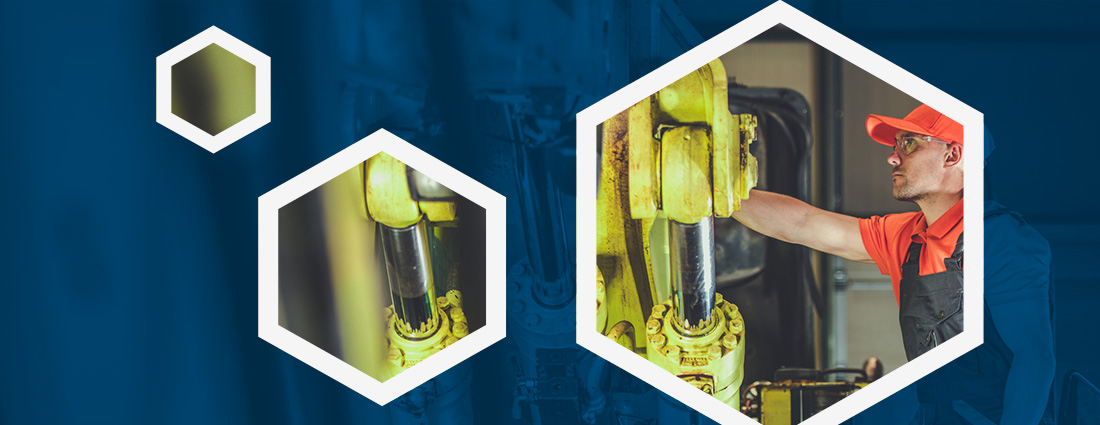
What Maintenance Tasks are Essential for Maximising Hydraulic System Lifespan: Key Tips
If you rely on hydraulic systems, you know how important it is to keep them running smoothly. But do you know which maintenance tasks truly make a difference in extending their lifespan?
Ignoring small issues today can lead to costly repairs or unexpected downtime tomorrow. You’ll discover the essential steps you need to take to protect your hydraulic system and get the most out of your investment. Keep reading to unlock simple, effective tips that will save you time and money while keeping your equipment in top shape.
Routine Inspection
Routine inspection is the backbone of maintaining a healthy hydraulic system. Regularly checking your system helps you catch small issues before they turn into costly repairs or downtime. It’s a simple habit that extends the life of your equipment and keeps everything running smoothly.
Visual Checks
Start by carefully examining all visible parts of your hydraulic system. Look for signs of wear, cracks, or corrosion on hoses, fittings, and cylinders. Don’t overlook the condition of seals and connectors—they often show early signs of trouble.
Pay attention to unusual dirt buildup or discoloration. These can indicate contamination or overheating. A clean system is usually a well-maintained system, so keep surfaces free of grime and debris.
Leak Detection
Leaks are silent killers in hydraulic systems. Even a small drip can reduce efficiency and cause damage over time. Check all joints, valves, and hose connections for any signs of fluid escaping.
Use a clean cloth or paper towel to wipe suspected areas—wet spots confirm leaks quickly. Never rely on the appearance of puddles alone since some leaks are slow or internal. Detecting leaks early saves you money and prevents system failure.
Credit: yorkpmh.com
Fluid Maintenance
Maintaining the hydraulic fluid is crucial to keeping your system running smoothly and extending its lifespan. The fluid acts as the lifeblood of the system, transferring power and lubricating components. Neglecting fluid maintenance can lead to contamination, wear, and eventual failure.
Fluid Quality Checks
Regularly checking the quality of your hydraulic fluid helps catch problems early. Look out for changes in color, consistency, or the presence of particles. These signs often indicate contamination or degradation.
Use a clean container to draw a sample and inspect it visually. Consider sending fluid samples to a lab for detailed analysis, especially if your system handles critical operations. Are you monitoring fluid temperature and viscosity? These factors affect fluid performance and should be checked frequently.
Regular Fluid Changes
Hydraulic fluids don’t last forever. Over time, they break down and lose their effectiveness. Changing the fluid at recommended intervals removes contaminants and restores system efficiency.
Follow the manufacturer’s guidelines for fluid change frequency, but also consider your system’s operating conditions. Harsh environments or heavy use might require more frequent changes. Have you noticed any decrease in system responsiveness? It might be time for a fluid change to avoid costly repairs.
Filter Management
Filter management plays a key role in keeping hydraulic systems healthy. Filters remove dirt and particles that can damage parts. Clean filters help the system run smoothly and last longer. Regular attention to filters prevents failures and costly repairs.
Filter Replacement
Replacing filters on time keeps the hydraulic fluid clean. Dirty filters block fluid flow and strain the system. Check the manufacturer’s guide for replacement intervals. Use filters that match system specifications for best results.
Signs that filters need replacement include:
- Reduced system performance
- Unusual noises or vibrations
- Increased temperature in the system
- Visible dirt or damage on the filter
Filter Cleaning
Some filters can be cleaned instead of replaced. Cleaning removes trapped particles and restores flow. Use appropriate cleaning methods like flushing with clean fluid or gentle washing.
Cleaning frequency depends on the system’s operating environment. Avoid harsh cleaning agents that damage the filter material. Always inspect the filter after cleaning for any wear or damage.
System Component Care
Taking care of the components in your hydraulic system is crucial for extending its lifespan. Each part, no matter how small, plays a key role in maintaining system efficiency and preventing costly breakdowns. Neglecting these components can quickly lead to leaks, pressure loss, and even system failure.
Hose And Fitting Inspection
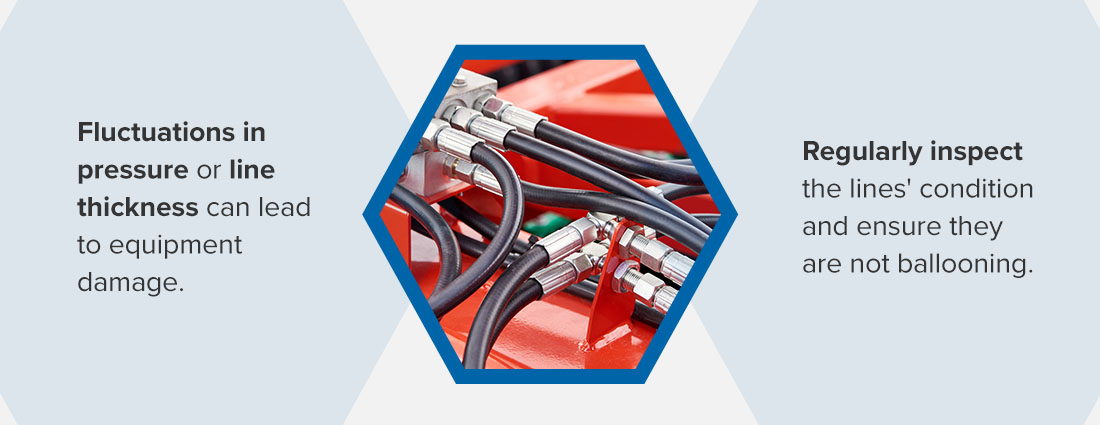
Regularly checking hoses and fittings helps you spot early signs of wear and tear before they cause bigger problems. Look for cracks, bulges, or abrasions on hoses, and ensure fittings are tight but not over-tightened. Loose or damaged connections can lead to leaks that reduce system pressure and contaminate the fluid.
Have you noticed any fluid spots around your machine? That might be a sign it’s time to replace worn hoses or tighten fittings. Don’t wait until a hose bursts—routine inspections can save you from unexpected downtime and expensive repairs.
Seal And Gasket Maintenance
Seals and gaskets prevent fluid leaks and keep contaminants out. Over time, they can harden, crack, or deform, especially under high pressure or temperature changes. Check them regularly for signs of deterioration and replace them promptly to maintain a tight seal.
When I once ignored a small gasket leak, it led to a bigger issue that shut down the entire system for days. That experience taught me how vital it is to replace seals as soon as you detect any damage. You can extend the life of your hydraulic system by treating seals and gaskets as priority parts during maintenance.
Monitoring System Performance
Monitoring system performance is key to keeping your hydraulic system running smoothly for years. It helps you catch problems early, avoid costly repairs, and maintain optimal efficiency. Paying close attention to how your system behaves under different conditions gives you valuable insights that directly affect its lifespan.
Pressure Testing
Pressure testing lets you check if your hydraulic system is maintaining the right pressure levels. Low or fluctuating pressure can signal leaks, worn seals, or blockages. Using pressure gauges at critical points helps you spot these issues before they cause serious damage.
Try to test pressure regularly, especially after maintenance or system changes. Keep a log of pressure readings to identify trends or sudden drops. This data can guide you when deciding if a component needs replacement or adjustment.
Temperature Monitoring
Temperature plays a crucial role in the health of your hydraulic system. Excess heat can break down the fluid, damage seals, and reduce overall system life. Monitoring temperature at various points prevents overheating and helps maintain proper fluid viscosity.
Install temperature sensors near pumps, valves, and reservoirs for real-time feedback. If you notice temperature spikes, investigate the cause immediately—whether it’s a clogged filter, insufficient cooling, or heavy workload. Staying on top of temperature changes protects your system from premature wear.
Proper Storage Practices
Proper storage practices play a vital role in extending the life of hydraulic systems. Storing components and fluids correctly prevents damage and contamination. It also keeps parts ready for quick use without extra maintenance.
Careful attention to storage conditions reduces wear and avoids costly repairs. This ensures the system works smoothly over time. Two key areas to focus on are environmental conditions and protection from contaminants.
Environmental Conditions
Store hydraulic parts in a clean, dry place. Avoid areas with extreme heat or cold, which can cause material fatigue. Keep humidity low to prevent rust and corrosion. Ensure good ventilation to reduce moisture buildup. Avoid direct sunlight to protect seals and hoses from cracking.
Protection From Contaminants
Cover all openings to keep dirt and dust out. Use sealed containers for hydraulic fluids. Clean parts before storage to remove debris and oil residue. Avoid storing near chemicals that might cause damage. Regularly inspect stored items to catch contamination early.
Training And Skill Development
Training and skill development are often overlooked but are crucial for keeping your hydraulic system running smoothly over the years. Without the right knowledge, even the best equipment can fail prematurely. Investing time and resources in education helps prevent costly mistakes and ensures your team can spot issues before they escalate.
Operator Training
Your operators are the first line of defense in protecting your hydraulic system. Proper training teaches them how to use controls correctly, recognize warning signs, and follow safety protocols. When operators understand the impact of their actions, they handle equipment more carefully, reducing wear and tear.
Think about the last time you noticed a strange noise or vibration in your system. A well-trained operator can catch these early signals and alert maintenance before damage occurs. You want your team to act proactively, not reactively.
- Teach correct start-up and shutdown procedures
- Show how to monitor pressure and temperature gauges
- Explain the importance of keeping the system clean and free of contaminants
Maintenance Team Education
Maintenance crews need specialized knowledge about hydraulic components and troubleshooting techniques. Continuous education helps them stay updated on new technologies and best practices. When your maintenance team knows what to look for, they can extend the lifespan of pumps, valves, and hoses effectively.
Imagine a situation where a small leak was ignored because it seemed insignificant. A skilled technician understands that even minor leaks can lead to bigger problems if left unattended. Training equips your team to perform detailed inspections and preventive maintenance with confidence.
- Provide hands-on training for diagnosing common hydraulic faults
- Encourage certification programs and workshops
- Use real case studies to highlight lessons learned from past failures

Credit: heavyvehicleinspection.com
Credit: yorkpmh.com
Frequently Asked Questions
What Are The Key Maintenance Tasks For Hydraulic Systems?
Regularly check fluid levels, inspect hoses and fittings, replace filters, and monitor system pressure. These tasks prevent leaks, contamination, and wear, ensuring smooth operation and extending system lifespan.
How Often Should Hydraulic Fluid Be Changed?
Hydraulic fluid should be changed every 1,000 to 2,000 hours or as recommended by the manufacturer. Regular changes keep the fluid clean, reduce contamination, and maintain optimal system performance.
Why Is Filter Replacement Critical For Hydraulic Systems?
Filters trap contaminants that cause wear and damage. Replacing filters on schedule prevents clogging, protects components, and maintains fluid cleanliness, which maximizes system reliability and lifespan.
How Can Hose And Seal Inspections Extend System Life?
Regular inspections catch cracks, leaks, and wear early. Timely replacements prevent system failures, reduce downtime, and ensure safe, efficient hydraulic operation over time.
Conclusion
Regular checks keep hydraulic systems running smooth and long. Clean filters and oil changes prevent damage. Tighten fittings to stop leaks and pressure loss. Watch for unusual noises or heat to catch problems early. Proper maintenance saves money and avoids downtime.
Small efforts today mean fewer repairs tomorrow. Stay consistent and your hydraulic system will serve well. Simple tasks protect your investment and boost efficiency. Keep it clean, tight, and monitored for best results.


