What Wearable Technology is Out There for Health Care: Explore Now
Have you ever wondered how wearable technology can change the way you take care of your health? Imagine having a device that tracks your heart rate, monitors your sleep, or even alerts you to potential health issues—all right on your wrist or clipped to your clothes.
These gadgets are no longer just fancy accessories; they are powerful tools that put control of your health into your hands. You’ll discover the most popular and effective wearable technologies available today for health care. By the end, you’ll know exactly how to choose the right device to improve your well-being and stay ahead of health problems before they start.
Keep reading—you won’t want to miss out on these game-changing tools!
Types Of Wearable Health Devices
Wearable health devices come in many forms. They help people track their health easily and stay active. These gadgets collect data like heart rate, sleep quality, and blood sugar levels. This data helps users and doctors understand health better. Below are some common types of wearable health devices.
Fitness Trackers
Fitness trackers monitor steps, calories burned, and physical activity. They encourage users to move more and stay fit. Many models also track heart rate and distance traveled. These devices are simple and affordable for daily use.
Smartwatches
Smartwatches offer fitness tracking plus extra features. They show notifications, calls, and messages from your phone. Most have built-in heart rate sensors and GPS. Some models measure blood oxygen and stress levels. Smartwatches combine health tracking with convenience.
Wearable Ecg Monitors
Wearable ECG monitors record the heart’s electrical activity. They help detect irregular heartbeats and other conditions. These devices provide detailed heart data outside hospitals. They are useful for people with heart problems or risks.
Continuous Glucose Monitors
Continuous glucose monitors track blood sugar in real time. They are vital for people with diabetes. These devices alert users to high or low sugar levels. This helps manage diet and medication better. They reduce the need for frequent finger pricks.
Sleep Trackers
Sleep trackers measure sleep duration and quality. They detect sleep stages like deep and light sleep. Users learn how well they rest each night. Some devices offer tips to improve sleep habits. Good sleep is key to overall health.
Smart Clothing
Smart clothing includes sensors woven into fabrics. They monitor heart rate, muscle activity, and body temperature. These clothes provide health data during exercise or daily life. Smart clothing is comfortable and easy to wear. It offers another way to track wellness.

Credit: medium.com
Key Features Of Health Wearables
Health wearables offer many useful features for monitoring the body. They help track vital signs and daily habits. These devices give data that supports healthier choices. Understanding key features shows how they benefit users.
Heart Rate Monitoring
Heart rate monitors measure beats per minute. They track your pulse during rest and exercise. Constant heart rate data helps detect irregularities early. This feature supports heart health and fitness goals.
Activity And Step Tracking
Wearables count steps taken throughout the day. They measure distance and active minutes too. This data encourages moving more and staying fit. Users can set goals and watch progress easily.
Sleep Analysis
Sleep tracking records how long and well you sleep. It tracks deep, light, and REM sleep stages. Good sleep data helps improve rest quality. Users learn when to adjust bedtime habits.
Blood Oxygen Measurement
This feature checks the oxygen level in the blood. Oxygen saturation shows how well lungs deliver oxygen. Low levels can signal health issues. Continuous monitoring supports respiratory health awareness.
Stress And Mood Detection
Wearables sense stress through heart rate changes and skin signals. Some use breathing exercises to help reduce stress. Mood tracking helps users understand emotional patterns. This feature supports mental well-being.
Real-time Alerts
Devices send alerts for unusual heart rates or activity. Users get notified about potential health risks instantly. Early warnings can prompt quick action or doctor visits. Alerts improve safety and health management.
Wearables For Chronic Disease Management
Managing chronic diseases can be challenging, but wearable technology is making it easier to stay on top of your health every day. These devices offer real-time monitoring and data tracking, helping you and your healthcare providers make better decisions. Whether it’s keeping an eye on blood sugar or tracking heart rhythms, wearables give you more control over your condition.
Diabetes Monitoring Devices
Continuous glucose monitors (CGMs) have changed how people with diabetes manage their blood sugar levels. These small sensors attach to your skin and provide updates throughout the day without the need for finger pricks. Devices like the Dexcom G6 and FreeStyle Libre help you spot trends and avoid dangerous highs or lows.
Imagine being able to adjust your meals or activity based on real-time glucose data. This immediate feedback can prevent complications and improve your quality of life. Have you tried a CGM yet? It might be the tool you need for smarter diabetes management.
Cardiac Health Wearables
Heart health wearables go beyond just counting steps or calories. Devices like the Apple Watch and Fitbit now offer ECG features to detect irregular heartbeats, such as atrial fibrillation. These alerts can prompt you to seek medical advice before problems escalate.
Some wearables also monitor your heart rate variability and oxygen levels, providing a full picture of your cardiovascular health. Would you feel more secure wearing a device that keeps an eye on your heart around the clock?
Respiratory Condition Trackers
For those with asthma or COPD, wearable technology can track breathing patterns and environmental factors like air quality. Devices such as the Spire Stone attach to your clothing and send alerts if your breathing changes. This early warning can help you avoid triggers and manage flare-ups more effectively.
These trackers often sync with apps that log symptoms and medication use, making it easier to share accurate information with your doctor. How could knowing your lung function in real time change how you handle your respiratory condition?
Wearables For Hypertension
Monitoring blood pressure regularly is crucial if you have hypertension. Wearable blood pressure monitors like Omron HeartGuide offer a convenient way to check your readings anytime. This wristwatch-style device tracks your blood pressure trends and gives personalized insights.
Staying aware of your numbers can motivate healthier habits and better medication adherence. What if your wearable could notify you before your blood pressure spikes? That proactive approach might prevent serious health issues.

Credit: www.latimes.com
Benefits Of Wearable Technology In Healthcare
Wearable technology is changing how healthcare works by offering real-time health data and continuous monitoring. These devices not only help doctors keep an eye on patients more effectively but also empower you to take control of your own health. The benefits go beyond convenience—they can lead to better health outcomes and more personalized care.
Improved Patient Monitoring
Wearable devices like smartwatches and fitness bands track vital signs such as heart rate, blood pressure, and oxygen levels continuously. This constant monitoring lets healthcare providers spot changes in your condition quickly, sometimes before symptoms even appear. Imagine avoiding an emergency room visit because your wearable alerted your doctor to an irregular heartbeat early on.
Early Detection Of Health Issues
Wearables can detect subtle changes that might indicate the start of a health problem. For example, a drop in physical activity or changes in sleep patterns can hint at issues like depression or heart disease. Catching these signs early means you can get treatment sooner, potentially preventing serious complications.
Enhanced Patient Engagement
When you use wearable devices, you become more aware of your health habits and progress. Many apps provide daily feedback and set reminders, making it easier to stick to medication schedules or exercise routines. This active role in your health encourages better lifestyle choices and keeps you motivated.
Remote Healthcare Access
Wearables make it easier to receive care without frequent trips to the doctor’s office. Data collected by your device can be shared instantly with healthcare professionals, allowing for virtual check-ins and adjustments to your treatment plan. This is especially helpful if you live far from medical centers or have mobility challenges.
Challenges And Limitations
Wearable technology in health care offers exciting possibilities, but it also comes with several challenges and limitations you need to be aware of. These hurdles affect how effectively these devices can be used and trusted in everyday health monitoring. Understanding these issues helps you make better choices about which devices to rely on and how to handle the data they collect.
Data Privacy Concerns
Health data is extremely personal, and wearable devices collect a lot of it. You might wonder who has access to your information and how securely it’s stored. Many devices send data to cloud servers, which can be vulnerable to hacking or misuse.
Sometimes, companies share data with third parties without clear consent, raising ethical questions. You should always check privacy policies and consider devices that offer strong encryption and transparent data handling.
Accuracy And Reliability Issues
Not all wearable health devices provide consistent or precise readings. For example, heart rate monitors can be off by several beats per minute depending on how the device fits or moves during use. This can lead to misleading information about your health status.
Some devices work well for general tracking but aren’t reliable enough for medical decisions. It’s important to cross-check wearable data with professional medical advice rather than relying solely on the device.
Battery Life And Device Comfort
Long battery life is crucial, especially if you need continuous monitoring. Devices that require frequent charging can interrupt your tracking and cause frustration. Some wearables are bulky or uncomfortable, making it hard to wear them all day or night.
Your experience might vary—what feels comfortable for one person might be irritating for another. Testing different models and paying attention to battery specs helps you find a balance between comfort and functionality.
Cost And Accessibility
Many advanced wearable health devices come with a high price tag. This can put them out of reach for people who might benefit the most. Even when affordable, some devices require smartphones or internet access, which isn’t available to everyone.
Think about whether the device fits your budget and lifestyle before investing. Sometimes, simpler devices or apps can offer useful insights without the extra cost and complexity.
Future Trends In Health Wearables
The future of health wearables is bright and full of promise. These devices will become smarter, more accurate, and deeply integrated into daily life. Users will benefit from better health monitoring and personalized care. Advances in technology will help detect diseases early and support ongoing treatments.
Integration With Ai And Machine Learning
AI and machine learning will help wearables analyze health data faster. These technologies can spot patterns and predict health issues before symptoms appear. Devices will learn from each user’s habits to provide tailored advice. This makes health tracking more precise and useful.
Advanced Biometric Sensors
New sensors will measure a wider range of health signs. These include blood sugar, hydration levels, and stress indicators. Sensors will become smaller and more comfortable to wear all day. This allows continuous monitoring without interrupting daily activities.
Personalized Health Insights
Wearables will offer insights based on individual health data and lifestyle. They will suggest specific actions to improve wellbeing. Users will get reminders for medication, exercise, and diet changes. This personalized approach helps people stay healthier and avoid illness.
Wearables In Telemedicine
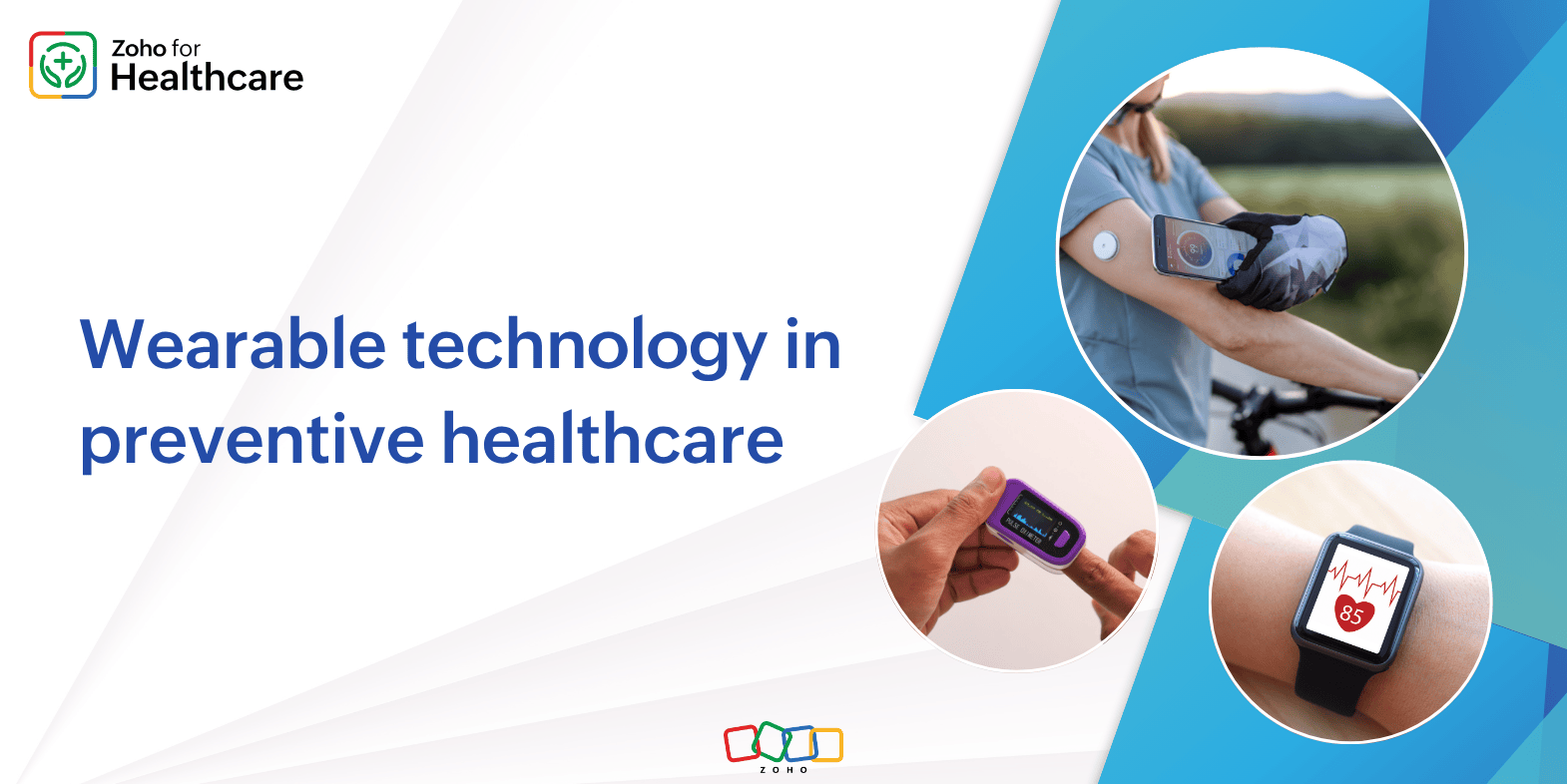
Health wearables will play a key role in telemedicine services. Doctors can receive real-time data from patients remotely. This allows timely diagnosis and treatment without hospital visits. Patients will feel more connected to their healthcare providers through these devices.
Credit: www.zoho.com
Frequently Asked Questions
What Are The Most Common Healthcare Wearable Devices?
Common healthcare wearables include fitness trackers, smartwatches, ECG monitors, and glucose monitors. They track vital signs like heart rate, activity, sleep, and blood sugar levels, providing real-time health data for better management and prevention of diseases.
How Do Wearable Devices Improve Patient Health Monitoring?
Wearable devices provide continuous, real-time health data. This helps doctors detect issues early and monitor chronic conditions closely. They enable remote monitoring, reducing hospital visits and improving timely interventions, ultimately enhancing patient care and health outcomes.
Can Wearable Technology Detect Serious Health Conditions?
Yes, some wearables can detect serious conditions like arrhythmias, sleep apnea, and hypertension. Advanced sensors analyze heart rhythms and oxygen levels, alerting users and doctors to potential health risks promptly, enabling early diagnosis and treatment.
Are Wearable Health Devices Suitable For All Age Groups?
Wearable health devices are designed for various age groups. They offer easy-to-use features for seniors and fitness-focused functions for younger users. However, device choice should consider individual health needs, tech comfort, and medical advice.
Conclusion
Wearable technology helps track health every day. Devices like smartwatches and fitness bands monitor heart rate and steps. Some tools check sleep quality or blood pressure. These gadgets support healthier habits and early problem detection. They make health care easier and more personal.
People can stay informed about their body’s needs. Technology keeps improving, offering new ways to stay well. Wearables are a useful part of modern health care. Simple, handy, and helpful for many people.