What is Wearable Technology in Fitness: Revolutionizing Health Tracking
Have you ever wondered how some people track every step, heartbeat, and calorie burned without even thinking about it? That’s the magic of wearable technology in fitness.
These smart devices slip right onto your wrist or clip onto your clothes, turning your body into a live dashboard of health data. Imagine having a personal coach who never sleeps, always ready to guide you toward your fitness goals.
If you want to discover how wearable tech can transform your workouts and make staying fit easier and more fun, keep reading. You’re about to unlock the secrets behind this game-changing fitness trend.

Credit: www.truvefit.com
Rise Of Wearable Fitness Tech
Wearable fitness technology has grown rapidly over the last decade. It changed how people track and improve their health. These devices help users monitor physical activity easily and accurately. The rise of wearable tech made fitness more accessible for everyone.
Early Fitness Trackers
The first fitness trackers were simple and basic. They mainly counted steps and estimated calories burned. People wore these devices on their wrists or clipped them to clothes. Early models had limited battery life and fewer features. Despite this, they sparked interest in personal health tracking.
Advancements In Sensor Technology
Sensor technology improved greatly over time. Modern devices now measure heart rate, sleep quality, and even blood oxygen levels. Small sensors collect detailed data without causing discomfort. These advancements provide users with accurate and useful health insights. This data helps people make better fitness choices daily.
Integration With Smartphones
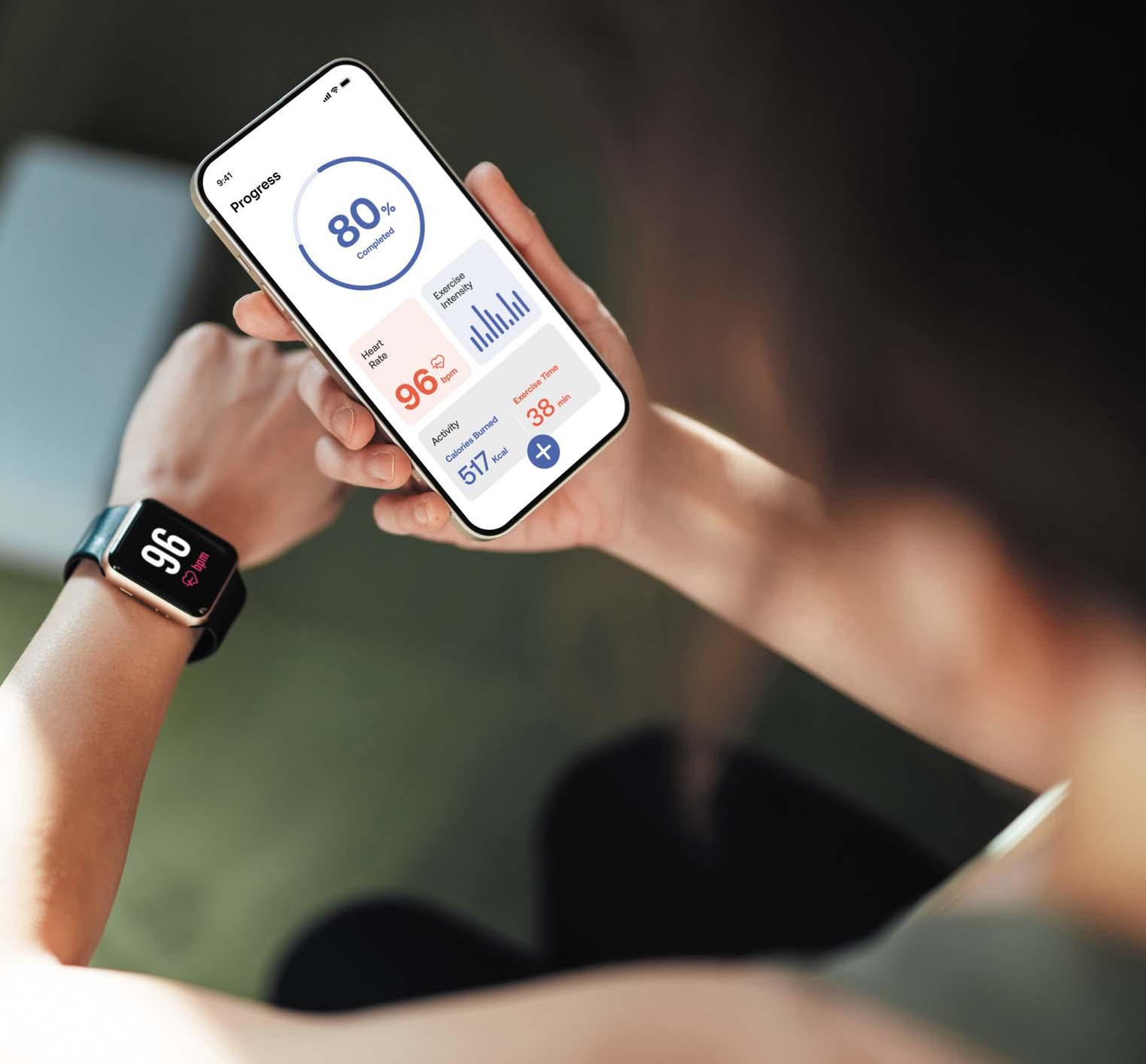
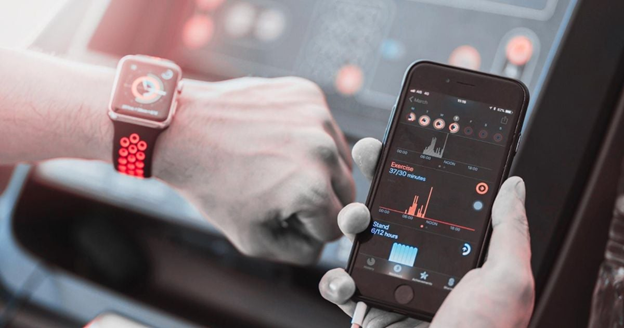
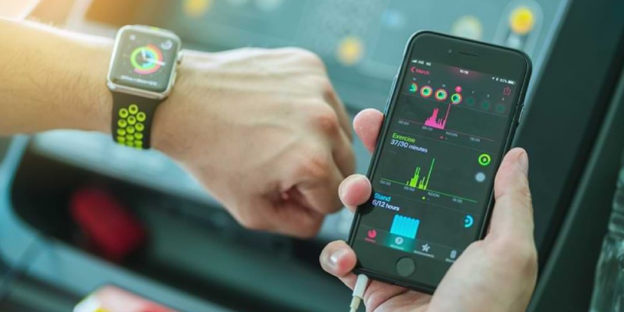
Wearable fitness devices connect easily with smartphones. Mobile apps display detailed reports and progress charts. Users receive notifications and personalized fitness tips on their phones. This integration encourages consistent tracking and goal setting. It also allows sharing achievements with friends for motivation.
Popular Types Of Wearable Devices
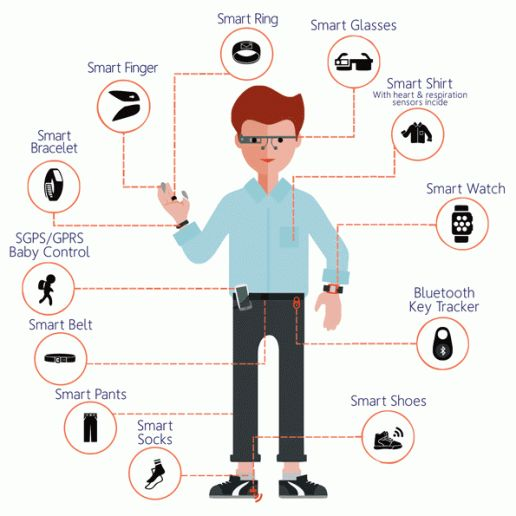
Wearable technology in fitness comes in many forms, each designed to help you track and improve your health in different ways. Understanding the popular types of wearable devices can help you pick the one that fits your lifestyle and fitness goals. Here’s a look at some of the most common options and how they can support your fitness journey.
Smartwatches
Smartwatches are more than just timekeepers. They combine style with functionality, offering features like step counting, calorie tracking, GPS, and even sleep monitoring.
Many smartwatches sync with your phone, letting you receive notifications and control music during workouts. If you’ve ever lost track of your pace or route, a smartwatch can keep you on track effortlessly.
Fitness Bands
Fitness bands are lightweight, simple devices focused primarily on health tracking. They monitor your daily activity, heart rate, and sometimes sleep patterns.
Because they are less bulky and usually cheaper than smartwatches, fitness bands are perfect if you want basic tracking without the extra features. Have you noticed how wearing one motivates you to move more during the day?
Smart Clothing
Smart clothing integrates sensors directly into fabric to monitor muscle activity, heart rate, and posture. This type of wearable offers real-time data without the need to wear an extra device on your wrist.
Imagine your workout gear giving you instant feedback on your form or fatigue level. It’s like having a personal coach woven into your clothes.
Wearable Heart Monitors
Wearable heart monitors provide precise heart rate data, often more accurate than standard fitness bands. They are essential for athletes or anyone needing detailed heart health information.
Some models come as chest straps or patches, designed to stay secure during intense workouts. If you want to train in specific heart rate zones, this type of device gives you the control you need.
Key Features In Fitness Wearables
Fitness wearables come with features that help track and improve health. These devices collect data to give insights about your daily activities. The features focus on monitoring movement, heart health, rest quality, and location. They help users stay motivated and informed about their fitness progress.
Activity And Step Tracking
Wearables count your steps and track physical activity throughout the day. They measure distance walked, calories burned, and active minutes. This helps users set and reach daily fitness goals. The data encourages more movement and a healthier lifestyle.
Heart Rate Monitoring
Heart rate sensors track your pulse in real time. They show how hard your heart works during exercise and rest. This feature helps users exercise safely and improve cardiovascular health. It also detects unusual heart rates for early warning signs.
Sleep Analysis
Wearables monitor sleep patterns and quality. They track how long and well you sleep each night. The data highlights deep, light, and REM sleep stages. Users can improve sleep habits for better recovery and energy.
Gps And Location Tracking
GPS tracks your route and speed during outdoor workouts. It maps runs, walks, and bike rides with accuracy. This helps users analyze performance and plan better workouts. Location tracking also adds safety by sharing your position if needed.
Credit: medium.com
Impact On Personal Health
Wearable technology in fitness is changing how you understand and improve your personal health. These devices do more than count steps—they provide insights that can shape your daily habits and long-term wellness. By using wearable tech, you gain tools that support smarter choices and keep you engaged in your fitness journey.
Motivation And Goal Setting
Wearable devices help you stay motivated by setting clear, achievable goals. You can customize targets like daily steps, calories burned, or active minutes, making your objectives personal and relevant. Seeing your progress in real time encourages you to push a bit harder or celebrate small wins, which keeps you coming back for more.
Have you ever noticed how a simple vibration or notification can spark a quick workout or remind you to move? That nudge can turn a lazy afternoon into a productive one, proving that motivation often needs just a little push.
Real-time Feedback
One of the biggest benefits of wearable technology is the immediate feedback it gives. You don’t have to guess if your heart rate is too high or if your pace is improving; the device tells you right away. This instant information helps you adjust your workout on the spot, making every session more effective and safer.
Imagine running and feeling tired but unsure why. Your wearable can show if your heart rate is too elevated, suggesting it’s time to slow down. This kind of real-time insight helps prevent injuries and improves your overall fitness strategy.
Tracking Progress Over Time
Wearables allow you to track your fitness journey day by day, week by week, and beyond. You can see trends in your activity levels, sleep quality, and even stress patterns. This long-term data lets you spot what’s working and what needs change.
Looking back at your stats after a month or two can be incredibly motivating. It’s a clear record of your efforts and progress, showing that your hard work pays off. What patterns might you discover in your own fitness habits if you start tracking today?
Benefits For Healthcare Providers
Wearable technology in fitness offers significant benefits for healthcare providers, transforming how they track and manage patient health. These devices provide continuous, real-time data, allowing for more personalized and effective care. By integrating wearables into healthcare routines, providers can enhance patient outcomes and streamline their workflows.
Remote Patient Monitoring
Wearable devices let healthcare providers monitor patients from a distance without frequent office visits. This is especially helpful for patients with chronic conditions who need constant observation. You can catch issues early by tracking vital signs like heart rate, activity levels, and sleep patterns remotely.
Imagine a patient recovering from surgery who wears a fitness tracker. Their doctor receives alerts if their activity drops or heart rate spikes, prompting timely intervention. This approach saves time and reduces hospital readmissions.
Data-driven Treatment Plans
Wearables collect detailed health data that helps healthcare providers create more accurate treatment plans. Instead of relying on occasional checkups, you get a full picture of a patient’s daily habits and progress. This ongoing data allows adjustments tailored to real-world conditions.
For example, if a patient’s activity levels improve steadily, their medication or therapy can be adjusted accordingly. Data-driven plans empower you to make smarter decisions and improve patient engagement.
Early Detection Of Health Issues
Wearable technology can identify subtle changes in health before symptoms become severe. You might notice irregular heart rhythms or abnormal sleep patterns that indicate underlying problems. Early detection means you can act quickly to prevent complications.
This proactive approach often leads to better outcomes and lowers healthcare costs. What if your wearable could alert you to a health risk before it impacts your daily life? That’s the kind of advantage providers gain from these tools.
Credit: medium.com
Challenges And Limitations
Wearable technology in fitness offers many benefits but also faces several challenges. These issues affect user experience and data trust. Understanding these limits helps users make informed choices.
Data Privacy Concerns
Wearable devices collect personal health and activity data. This data often travels to cloud servers for analysis. Users worry about who can access their sensitive information. Some companies may share data with third parties. This can lead to privacy breaches or misuse. Strong security measures are necessary to protect user data. Transparency in data handling builds user trust.
Accuracy And Reliability
Wearables use sensors to track heart rate, steps, and sleep. Sensor errors may cause inaccurate readings. Environmental factors like movement and sweat affect sensor performance. Inaccurate data can mislead users about their fitness progress. Devices may vary in precision depending on brand and model. Users should consider wearables as guides, not exact tools.
Battery Life And Wearability
Wearable devices need frequent charging, limiting continuous use. Short battery life disrupts tracking during workouts or sleep. Bulky or uncomfortable designs reduce user willingness to wear devices. Some wearables are not water-resistant, limiting use in swimming or rain. Comfort and battery efficiency are key for daily use. Manufacturers must balance features with practical design.
Future Trends In Fitness Wearables
The future of fitness wearables is not just about tracking steps or heart rates anymore. These devices are evolving to become smarter, more precise, and far more integrated into your daily life. Imagine wearables that don’t just record data but also guide you with personalized advice and insights tailored specifically to your body and goals.
Ai And Machine Learning Integration
Fitness wearables are starting to use AI and machine learning to offer deeper insights into your health. These technologies analyze your habits over time, learning what works best for your body.
For example, instead of generic workout suggestions, your wearable might recommend adjusting your routine based on your recovery patterns or sleep quality. Have you ever wished your device could actually understand how you feel? That’s where AI steps in, making your fitness journey smarter and more responsive.
Enhanced Biometric Sensors
The sensors in wearables are becoming more advanced, capable of measuring a wider range of health indicators with greater accuracy. New sensors can track hydration levels, blood oxygen saturation, and even stress hormones.
This means you get a more complete picture of your health, not just basic metrics like heart rate. Imagine knowing exactly when your body needs rest or when you’re at peak performance. These improvements help you make smarter decisions every day.
Wearables Beyond Fitness
Fitness wearables are expanding their role beyond workouts and health tracking. They’re starting to assist with mental health, posture correction, and even monitoring chronic conditions.
Think about a device that reminds you to take deep breaths when stress is high or alerts you to early signs of illness. How could having this kind of information change the way you approach your wellness? The next generation of wearables aims to support your overall well-being, not just your fitness goals.
Frequently Asked Questions
What Is Wearable Technology In Fitness?
Wearable technology in fitness refers to devices worn on the body that track health and exercise data. Examples include smartwatches and fitness bands. They monitor heart rate, steps, calories, and sleep patterns to help users improve their fitness and overall wellness.
How Do Fitness Wearables Track Health Data?
Fitness wearables use sensors like accelerometers and heart rate monitors to collect data. They analyze movement, pulse, and other biometrics. This information helps users understand their physical activity, monitor progress, and set personalized fitness goals.
Are Fitness Wearables Accurate For Health Monitoring?
Fitness wearables provide reasonably accurate data for everyday fitness tracking. However, they may not replace professional medical devices. Their accuracy depends on the device quality and how consistently the user wears it during activities.
Can Wearable Technology Improve Workout Performance?
Yes, wearable technology helps improve workout performance by providing real-time feedback. Users can track progress, adjust intensity, and optimize exercise routines. This personalized data encourages motivation and helps achieve fitness goals efficiently.
Conclusion
Wearable technology in fitness transforms how we track our health. These devices offer real-time data, helping users stay motivated. Users can track steps, heart rate, and calories easily. Such technology supports healthier lifestyles. It encourages consistent exercise routines. Fitness goals become clearer and more achievable.
Wearable tech also fosters community through shared challenges. This tech connects users globally, creating a supportive network. As technology advances, wearables will improve further. They will provide even more personalized insights. Embracing wearable fitness technology can benefit everyone. It’s a simple step towards better health and well-being.