Which Electronic Device Consumes More Electricity: Shocking Energy Facts
Do you ever wonder why your electricity bill is higher than expected? It might be the electronic devices in your home quietly draining more power than you realize.
Identifying which gadgets are the biggest energy hogs can help you make smarter choices and save money. Imagine the relief of understanding which devices are silently inflating your costs and learning how to manage them better. Keep reading to uncover which common electronics are the real culprits and how you can take control of your energy consumption, reducing both your bill and your environmental footprint.

Credit: www.amazon.ca
Common Household Devices
Common household devices are the main contributors to your electricity bill. Understanding which devices use more power can help you manage your energy consumption better. Let’s look closely at some everyday appliances and how much energy they typically consume.
Energy Use Of Refrigerators
Refrigerators run 24/7, which means they constantly draw electricity. Older models can use between 100 to 800 kWh per year, while newer energy-efficient ones may use less than 400 kWh. If your fridge is more than 10 years old, it might be costing you more than you realize.
Think about how often you open the fridge door. Each time, the compressor works harder to cool it back down, increasing electricity use. Simple habits like keeping the door closed quickly can save energy.
Power Consumption Of Televisions
Televisions vary widely in power use depending on size and technology. A modern LED TV typically uses 30 to 100 watts, but large plasma TVs can consume over 200 watts. Watching TV for several hours daily adds up fast.
Have you noticed how much standby mode still consumes? Many TVs use between 1 to 5 watts when off but plugged in. Unplugging or using a power strip with a switch can cut this hidden energy waste.
Heating And Cooling Appliances
Heating and cooling devices often use the most electricity in a home. Space heaters can consume 750 to 1500 watts, and air conditioners vary from 500 watts for small units to several thousand for central systems. These appliances significantly impact your electricity bill during extreme weather.
Using programmable thermostats or fans can reduce the need for constant heating or cooling. Have you tried adjusting your thermostat by just a degree or two? Small changes can lead to noticeable savings.
High Energy Consumers
High energy consumers are the electronic devices that use the most electricity in homes. These devices often run for long hours or need a lot of power to work. Understanding which devices consume the most energy helps control electricity bills and reduce waste. Some devices can use hundreds or even thousands of watts at a time.
Air Conditioners
Air conditioners are among the top energy users in many households. They cool the air by running compressors and fans. This process uses a lot of electricity, especially on hot days. Larger units and older models usually consume more power. Keeping them well-maintained can help reduce energy use.
Water Heaters
Water heaters need a lot of energy to heat water quickly. They often run for several hours a day, especially in colder seasons. Electric water heaters use resistive heating elements that draw significant power. Tankless water heaters use energy on demand but can still be high consumers during use.
Electric Ovens And Stoves
Electric ovens and stoves use high power levels to generate heat for cooking. The heating elements can consume a large amount of electricity in short periods. Baking or cooking for long times increases energy use. Induction stoves are more efficient but still rank as high energy consumers.
Smaller Devices With Hidden Costs
Smaller electronic devices often consume less power than big appliances. Yet, their electricity use can add up over time. Many of these gadgets draw power even when not in use. This “hidden cost” can surprise many homeowners. Understanding which devices use more power helps manage electricity bills better.
Computers And Laptops
Computers and laptops are common in homes and offices. Desktops usually consume more power than laptops. However, laptops can still use a significant amount when charging. Leaving them plugged in after full charge wastes energy. Screen brightness and running programs also affect power use. Power-saving modes can reduce electricity consumption.
Chargers And Standby Power
Chargers for phones, tablets, and other devices consume power even when not charging. This is called standby power or “vampire power.” Small devices plugged in all day add up to noticeable energy use. Unplugging chargers or using power strips can help save electricity. Many people overlook this hidden drain on their bills.
Gaming Consoles
Gaming consoles use a lot of electricity during play. They also consume power in standby mode for updates and quick startup. Older models tend to be less energy efficient. Leaving consoles on or in standby for long periods increases energy use. Turning them off completely when not in use saves power and money.

Credit: lowendmac.com
Factors Affecting Electricity Use
Understanding what drives electricity consumption in your devices can help you make smarter choices and reduce your energy bills. Several factors play a role in how much power an electronic device uses. These include how often and how long you use the device, its built-in efficiency, and whether it’s actively running or just on standby.
Usage Duration And Frequency
How long you use a device directly impacts its electricity consumption. For example, a TV running for five hours a day will consume more power than one used only for an hour. Similarly, devices you use frequently throughout the day, like your laptop or smartphone charger, add up over time.
Think about your daily habits. Are there devices left on unnecessarily? Cutting down usage time can lead to noticeable savings without any costly upgrades.
Device Efficiency Ratings
Not all devices consume power equally, even if they seem similar. Efficiency ratings, such as ENERGY STAR labels, indicate how well a device uses electricity. Choosing appliances with better ratings means you get the same performance using less energy.
I once swapped out my old refrigerator with an energy-efficient model and immediately saw a drop in my electricity bill. It’s a practical step you can take that pays off over time.
Standby Vs Active Power
Many devices draw power even when turned off but still plugged in—this is called standby power. Devices like game consoles, cable boxes, and chargers can silently consume electricity 24/7. Although small, this waste adds up across multiple devices.
Do you unplug devices or use power strips to cut off standby power? This simple habit can reduce energy use without affecting your daily routine.
Tips To Reduce Consumption
Reducing the electricity consumption of your electronic devices can have a big impact on your energy bills and the environment. Small changes in how you use and manage devices can add up quickly. Let’s look at some practical tips that you can start applying right away to lower your energy use.
Energy-saving Settings
Most modern devices come with built-in energy-saving features. Check your device’s settings menu for options like sleep mode, automatic screen dimming, or power-saving modes. Activating these can cut down power use without affecting performance.
For example, I adjusted my laptop’s sleep timer to activate after just 5 minutes of inactivity. This simple tweak reduced its energy consumption noticeably during the day. Have you explored the energy settings on your devices recently?
Unplugging Unused Devices
Many electronics draw power even when turned off, a phenomenon called “phantom load.” Unplug chargers, TVs, and kitchen gadgets when not in use to stop this waste. Using power strips with switches can make it easier to disconnect multiple devices at once.
Think about how many devices you leave plugged in overnight or during the day without using. Could unplugging those save you money? Try this for a week and observe any difference in your electricity bill.
Upgrading To Efficient Models
Older electronics often consume more power than newer, energy-efficient models. Look for devices labeled with ENERGY STAR or similar certifications when replacing old appliances. These models use less electricity and often have better performance.
Switching my old refrigerator to an energy-efficient one cut my monthly electricity use significantly. It might seem like a big investment upfront, but the savings add up over time. Which devices in your home might benefit from an upgrade?
Credit: pedirayudas.com
Environmental And Cost Impact
Understanding the environmental and cost impact of your electronic devices can change the way you use them daily. Some gadgets quietly drain your electricity and inflate your bills without you noticing. At the same time, the energy they consume adds to your carbon footprint, affecting the planet.
Electricity Bills Breakdown
Not all devices consume electricity equally, and this directly influences your monthly bills. High-power devices like air conditioners, heaters, and large TVs can add up to a significant chunk of your electricity cost.
- Air conditioners often consume between 1,000 to 2,500 watts per hour, leading to a sharp rise in bills during hot months.
- LED TVs use less power, typically around 50 to 150 watts, but leaving them on unnecessarily still adds up.
- Gaming consoles and desktop computers can consume between 200 to 600 watts, especially under heavy use.
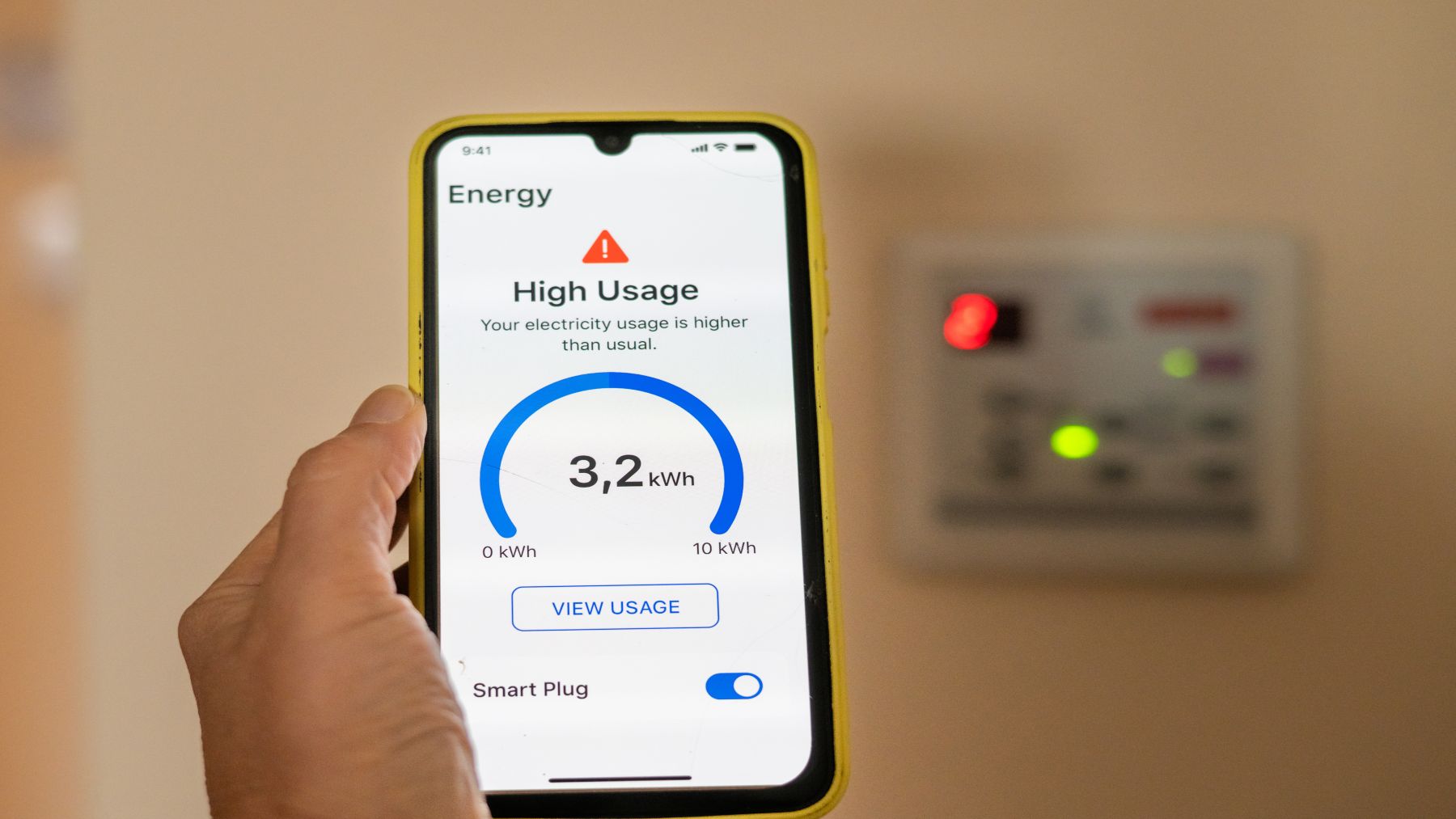
Have you ever checked which device is the main culprit behind your high electricity bill? Simple monitoring tools or smart plugs can give you surprising insights.
Carbon Footprint Of Devices
Your choice of devices affects not only your wallet but also the environment. Each kilowatt-hour (kWh) of electricity you use generates carbon emissions depending on how your electricity is produced.
- Devices with high wattage contribute more to CO2 emissions over time.
- Even standby power consumption adds up, so unplug devices when not in use.
- Renewable energy sources can reduce your device’s carbon impact significantly.
Consider this: if you reduce the use of high-energy appliances, you shrink your carbon footprint and help combat climate change. What small changes can you make today to lessen your environmental impact?
Long-term Savings Potential
Investing in energy-efficient devices can save you money in the long run. Though they may cost more upfront, they use less electricity, lowering your bills over time.
- Look for ENERGY STAR or similar certifications when buying new electronics.
- Replacing an old refrigerator or air conditioner with a newer, efficient model can cut energy use by 20-50%.
- Smart home devices help you control and reduce unnecessary energy consumption.
I once swapped my old desktop for a laptop with better energy ratings and noticed a clear drop in electricity costs within months. What could be your next smart upgrade?
Frequently Asked Questions
Which Electronic Device Uses The Most Electricity At Home?
Air conditioners typically consume the most electricity among home devices. They run for long hours and require high power to cool spaces efficiently, especially in hot climates.
How Much Electricity Does A Refrigerator Consume Daily?
A refrigerator uses about 100 to 800 watts per day. Usage depends on size, model, and temperature settings, impacting overall electricity consumption.
Do Tvs Consume A Lot Of Electricity?
Modern LED TVs use less electricity, typically between 30 to 100 watts. Usage increases with screen size and display type, affecting power consumption.
Which Kitchen Appliance Consumes The Most Electricity?
Electric ovens and microwaves consume the most power in kitchens. They require high wattage to generate heat quickly for cooking or baking.
Conclusion
Electronic devices differ a lot in how much power they use. Some use a little energy all the time, while others use a lot when running. Knowing which device uses more electricity helps save money and protect the planet. Small changes, like turning off devices when not in use, can make a big difference.
Choosing energy-efficient devices also lowers your electric bills. Remember, saving energy is good for your home and the environment. Simple habits lead to smarter electricity use every day.