
Have you ever wondered just how vast the consumer electronics industry really is? Whether you’re shopping for the latest smartphone, a cutting-edge gaming console, or the most innovative smart home gadget, you’re diving into a market that’s not only massive but also constantly evolving.
The scale of this industry might surprise you. It’s a world filled with endless choices and innovations designed to make your life easier, more connected, and a whole lot more fun. As you explore this article, you’ll uncover the sheer size of the consumer electronics industry and discover why it’s such a powerhouse in the global economy.
Get ready to be amazed by the numbers, trends, and the endless possibilities that make this industry an integral part of your daily life.
Credit: www.kbvresearch.com
Global Market Value
The consumer electronics industry holds a massive place in the global economy, shaping how we live, work, and entertain ourselves. Understanding its market value helps you grasp the scale and opportunities within this dynamic sector. Let’s break down the current size, growth trends, and regional contributions to get a clear picture.
Current Market Size
The global consumer electronics market is valued at over $1 trillionas of the latest reports. This figure reflects the combined sales of devices like smartphones, laptops, smart home gadgets, and wearable tech. The sheer volume shows how integral these products have become in daily life.
Think about your own collection of gadgets—each purchase you make adds to this vast market. Are you surprised by how much this sector generates worldwide?
Growth Trends
The market has been growing steadily, with an annual growth rate of around 7-8%. This growth is fueled by rapid technological advances and increasing consumer demand for smarter, more connected devices. Emerging trends like 5G, AI integration, and eco-friendly electronics are accelerating this expansion.
Have you noticed how quickly new gadgets with innovative features hit the shelves? Staying updated with these trends can help you make smarter buying decisions and spot investment opportunities.
Regional Contributions
Asia-Pacific leads the market, accounting for nearly 40%of global consumer electronics sales, thanks to manufacturing hubs like China, South Korea, and Japan. North America and Europe also hold significant shares, driven by high consumer spending and technological adoption.
- Asia-Pacific:Manufacturing powerhouse and largest consumer base
- North America:Early adopters of new technology and high per capita spending
- Europe:Strong demand for innovation and sustainable products
Where do you see the most growth potential based on your region or interests? Understanding regional dynamics can guide you whether you’re a consumer, entrepreneur, or investor.
Key Product Segments
The consumer electronics industry spans a wide range of products used daily. These devices shape how people communicate, entertain themselves, and work. Understanding the key product segments reveals the industry’s vast size and diversity.
Each segment targets different needs and preferences. This variety fuels constant innovation and market growth. Let’s explore the main categories driving the industry’s scale.
Smartphones And Mobile Devices
Smartphones remain the largest segment in consumer electronics. They combine communication, internet access, and multimedia functions in one device. Mobile devices include tablets and accessories like smart cases and chargers. Their demand stays high worldwide, especially in emerging markets.
Wearable Technology
Wearables include smartwatches, fitness bands, and health monitors. These devices track activity, health, and notifications on the go. Wearables appeal to fitness enthusiasts and tech-savvy users alike. Their growth reflects the rising focus on health and convenience.
Home Entertainment Systems
Home entertainment covers TVs, sound systems, and streaming devices. Smart TVs and 4K displays lead this segment. Consumers seek immersive experiences for movies, games, and music. The segment expands with new tech like voice control and smart home integration.
Personal Computing Devices
This segment includes laptops, desktops, and accessories. Personal computers serve work, education, and leisure needs. Demand rises with remote work and online learning trends. Innovations focus on portability, speed, and battery life improvements.
Major Industry Players
The consumer electronics industry thrives on the strength and innovation of its major players. These companies shape the market with their products, strategies, and technological advancements. Understanding who dominates this space can help you anticipate trends and make smarter choices as a consumer or business partner.
Leading Manufacturers
Some manufacturers have become household names through consistent innovation and quality. Companies like Apple, Samsung, and Sonylead the pack with diverse product lines that range from smartphones to smart TVs and wearables.
Apple’s focus on seamless user experience has built a loyal customer base worldwide. Samsung’s broad portfolio and aggressive marketing keep it competitive across many product categories. Sony combines cutting-edge technology with entertainment, making it a key player in both electronics and media.
Emerging Competitors
New players are shaking up the market by introducing fresh ideas and affordable alternatives. Brands like Xiaomi, OnePlus, and Oppoare gaining traction by offering high-spec products at lower prices.
These companies appeal to younger buyers and tech enthusiasts who want powerful devices without overspending. Their rise challenges established giants and pushes the industry toward more innovation and competitive pricing.
Market Share Distribution
| Company | Estimated Global Market Share (%) | Key Product Categories |
|---|---|---|
| Apple | 25% | Smartphones, Tablets, Wearables |
| Samsung | 20% | Smartphones, TVs, Home Appliances |
| Sony | 10% | Gaming Consoles, TVs, Audio Equipment |
| Xiaomi | 8% | Smartphones, Smart Home Devices |
| Others | 37% | Various |
Notice how the top players hold significant but not overwhelming shares, leaving room for newcomers to disrupt. How do you think this balance affects the products you choose or the innovation you expect next?
Credit: www.kbvresearch.com
Consumer Demand Drivers
The size of the consumer electronics industry is largely shaped by what drives consumers to buy new products. These drivers influence how much people spend and what types of devices they prefer. Understanding these factors helps explain why the industry grows and changes over time.
Technological Innovations
New technology sparks interest and demand. Features like better cameras, faster processors, and smart connectivity attract buyers. Innovations make devices more useful and fun. Consumers often replace old gadgets to enjoy these improvements.
Changing Consumer Preferences
People’s tastes and needs evolve. Some prefer compact devices; others want larger screens. Sustainability and energy efficiency also affect choices. Trends like wearable tech or smart home devices shape buying habits. These shifts keep the market dynamic.
Economic Factors
Income levels and job security impact spending on electronics. Lower prices and financing options boost purchases. Economic growth encourages more buying, while recessions slow it down. Global markets and trade policies also play a role.
Impact Of E-commerce
The rise of e-commerce has changed the consumer electronics industry deeply. It has expanded market reach beyond physical stores. This shift makes products available anytime and anywhere. Consumers enjoy more choices and better prices online. Brands can now connect with buyers directly through digital channels.
Online Sales Growth
Online sales of consumer electronics have grown rapidly. Many buyers prefer shopping on websites and apps. This growth pushes manufacturers to improve online services. Fast delivery and easy returns attract more customers. Online platforms show new gadgets faster than stores.
Digital Marketing Strategies
Brands use digital marketing to reach more people. Social media ads target specific groups by age and interest. Email campaigns inform customers about deals and launches. Influencers help showcase products in real-life use. Search engine optimization (SEO) improves website visibility and traffic.
Consumer Buying Behavior
Consumers research products online before buying. They compare prices, read reviews, and watch videos. Many prefer buying from trusted online sellers. Mobile shopping is popular among younger buyers. Consumers expect smooth, simple checkout processes and secure payments.
Future Market Projections
The future of the consumer electronics industry looks promising but complex. Understanding the market projections can help you navigate upcoming opportunities and challenges. Let’s break down what experts expect in growth, new technologies shaping the market, and hurdles you might face.
Expected Growth Rates
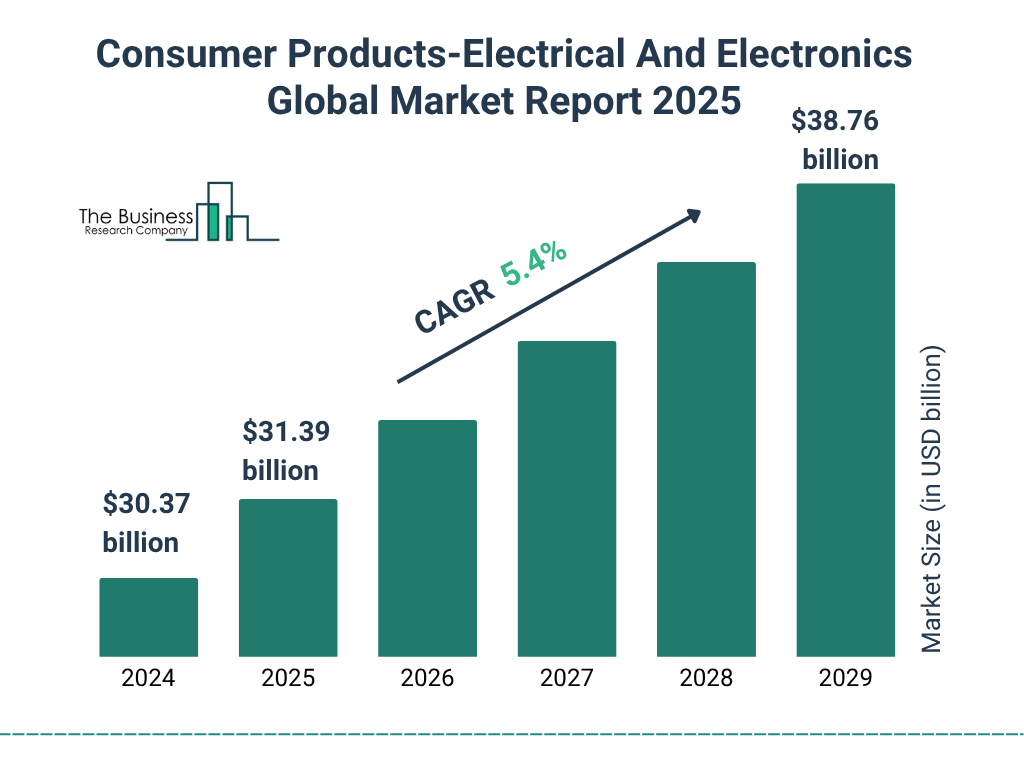
The consumer electronics market is projected to grow steadily over the next decade. Analysts estimate an annual growth rate of around 5-7%, driven by rising demand for smart devices and home automation.
This steady growth means more options for consumers and more competition among brands. If you’re planning to invest or start a business, consider how this growth aligns with your goals.
Emerging Technologies
Several new technologies are set to reshape consumer electronics. Artificial intelligence, foldable displays, and 5G connectivity are already making products smarter and faster.
Wearables and augmented reality devices are gaining traction, offering experiences that were once only science fiction. Have you thought about how these trends could change your daily tech use or business approach?
Potential Challenges
Despite the optimism, the industry faces significant challenges. Supply chain disruptions and rising material costs could slow down production and push prices up.
Privacy concerns and regulatory hurdles also demand attention. You’ll need to stay informed and adaptable to keep pace with these obstacles while capitalizing on the market’s growth.
.png)
Credit: www.podbase.com
Frequently Asked Questions
How Big Is The Global Consumer Electronics Market?
The global consumer electronics market is valued at over $1 trillion in 2024. It includes devices like smartphones, TVs, and wearable tech. Growth is driven by innovation and rising consumer demand worldwide.
What Factors Drive Consumer Electronics Industry Growth?
Key growth drivers include technological advancements, increasing disposable income, and expanding internet access. Consumer preference for smart and connected devices also fuels market expansion.
Which Regions Lead In Consumer Electronics Sales?
Asia-Pacific leads the market, followed by North America and Europe. Rapid urbanization, tech adoption, and manufacturing hubs boost sales in these regions.
How Does Innovation Impact The Industry Size?
Continuous innovation introduces new products and features, attracting buyers. This keeps the market dynamic and expands its overall size annually.
Conclusion
The consumer electronics industry is vast and ever-growing. Millions of products reach homes worldwide every year. This sector shapes how people live and work daily. Demand keeps rising with new technology and innovation. It offers many jobs and drives global trade.
Understanding its size helps us see its true impact. The future holds many chances for growth and change. A dynamic market that affects us all.


