How Does Smart Home Devices Work: Unlocking Home Automation Secrets
Have you ever wondered how smart home devices actually work to make your life easier? Imagine controlling your lights, thermostat, and security system with just a tap on your phone or a simple voice command.
These devices aren’t magic—they rely on clever technology designed to understand your needs and respond instantly. If you want to unlock the full potential of your smart home and discover how everything connects seamlessly, keep reading. This guide will break down the mystery behind smart home devices in a way that’s clear and easy to follow—so you can start using them smarter today.
Smart Home Basics
Understanding the basics of smart home devices is essential before you dive into setting up your own system. These devices work together to make your home more convenient, secure, and energy-efficient. Knowing what makes them tick helps you choose the right gadgets and connect them effectively.
Core Components
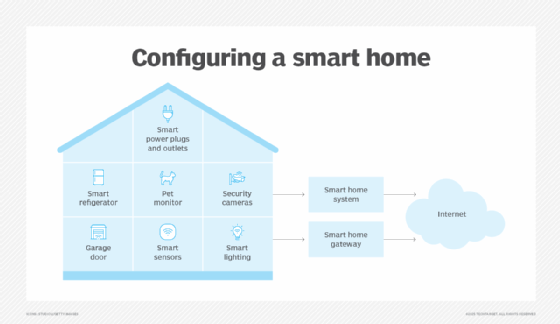
Smart home systems rely on a few key parts. The smart hubacts as the central brain, managing communication between devices. Sensors detect changes in your environment, like motion or temperature, while actuators carry out commands, such as turning on lights or adjusting thermostats.
Many devices also include a user interface, like an app or voice assistant, letting you control everything easily. Without these core components working smoothly together, your smart home won’t function as expected.
Types Of Devices
You’ll find a wide range of smart devices, each serving a different purpose. Common categories include:
- Lighting:Smart bulbs and switches that adjust brightness or color remotely.
- Security:Cameras, door locks, and alarms that keep your home safe.
- Climate control:Thermostats and fans that help maintain comfortable temperatures.
- Appliances:Smart refrigerators, ovens, and washers that you can monitor or control from anywhere.
Choosing devices depends on what you want to automate or monitor in your home.
Connectivity Options
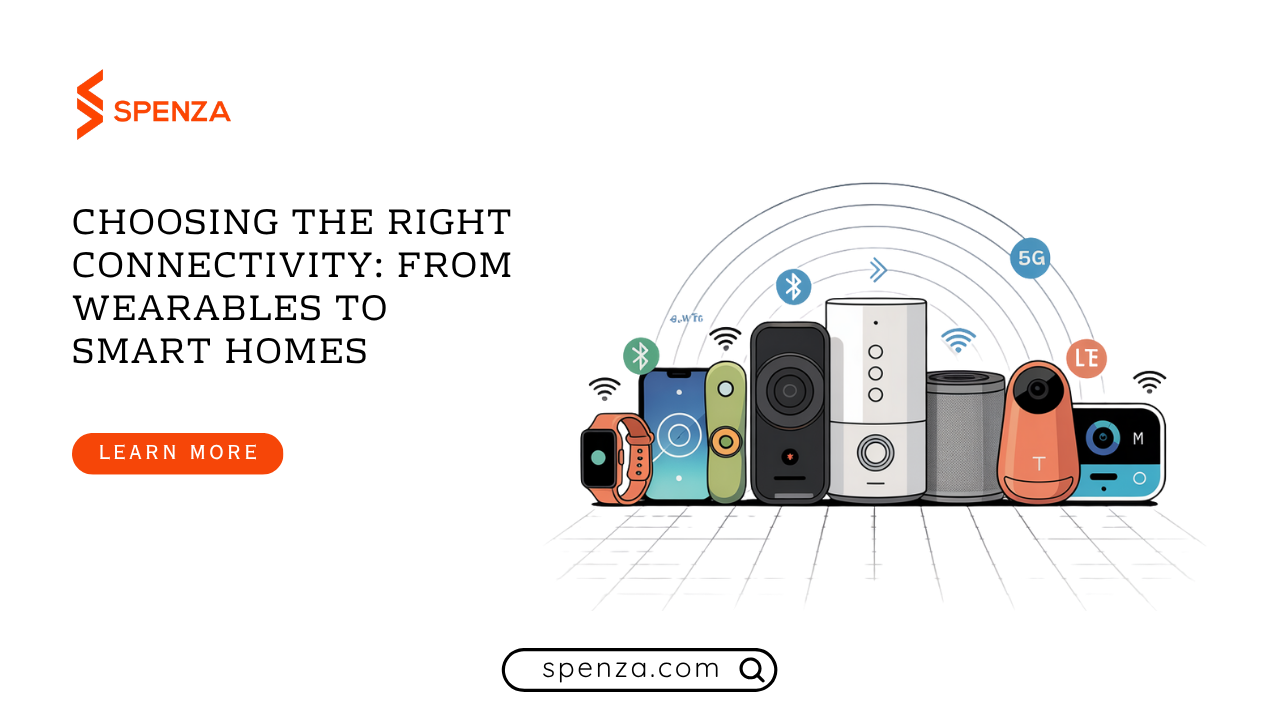
Smart devices need to communicate, and they do this through various connectivity methods. Wi-Fi is common for high-bandwidth devices like cameras and speakers. Bluetooth works well for short-range connections, often between your phone and a device.
Other options include Zigbee and Z-Wave, low-power protocols designed specifically for smart home networks. Understanding these options helps you ensure your devices can talk to each other without issues. Have you checked what connectivity your current gadgets use? It might save you headaches down the line.
Communication Protocols
Communication protocols are the backbone of smart home devices. They determine how your gadgets talk to each other and to your control hub. Understanding these protocols helps you choose the right devices that work seamlessly in your home setup.
Wi-fi
Wi-Fi is the most common protocol in smart homes because it uses your existing home internet network. It allows devices like cameras, speakers, and thermostats to connect directly to your router.
However, Wi-Fi can consume more power and may get crowded if too many devices connect at once. Have you noticed your network slowing down when too many gadgets are online? That’s Wi-Fi’s limitation in action.
Zigbee And Z-wave
Zigbee and Z-Wave are low-power wireless protocols designed specifically for smart home devices. They create a mesh network, where devices relay signals to each other, extending range and reliability.
This means your smart bulbs or sensors can communicate even if they’re far from your main hub. These protocols use less energy than Wi-Fi and avoid network congestion by operating on different frequencies.
Bluetooth
Bluetooth is popular for close-range device communication. It’s common in smart locks, wearables, and speakers where direct control from a phone is needed.
Bluetooth doesn’t require a central hub and uses minimal power, but its range is limited. Have you tried controlling a device from across your home and found it unresponsive? That’s Bluetooth’s range at play.
Thread And Matter
Thread is a newer protocol that combines the best of mesh networking with IP-based communication. It allows devices to connect directly and securely without a central hub.
Matter is a universal standard built on Thread and other protocols to ensure devices from different brands work together smoothly. Imagine adding a new smart device without worrying about compatibility—Matter aims to make that possible.
Sensors And Actuators
Sensors and actuators form the core of smart home devices. Sensors detect changes in the environment. Actuators perform actions based on sensor data. Together, they enable smart devices to respond automatically and improve home comfort and security.
Sensors gather real-time data such as movement, temperature, and humidity. Actuators then trigger devices like locks, lights, or thermostats. This interaction makes smart homes efficient and easy to control.
Motion And Presence Sensors
Motion sensors detect movement in a room or area. They use technologies like infrared or ultrasonic waves. Presence sensors identify if someone is inside a space. These sensors help control lighting, alarms, and cameras.
For example, lights turn on when you enter a room. Security systems alert you if unexpected motion is detected. This saves energy and enhances safety.
Temperature And Humidity Sensors
Temperature sensors measure the heat level inside your home. Humidity sensors track moisture in the air. These sensors help maintain a comfortable environment.
Smart thermostats adjust heating or cooling based on sensor readings. Humidity sensors trigger dehumidifiers or humidifiers automatically. This keeps air quality healthy and reduces energy use.
Smart Locks And Switches
Smart locks control door access remotely or by schedule. They use actuators to lock or unlock doors. This offers convenience and security.
Smart switches control lights and appliances with simple commands. They can turn devices on or off automatically. These devices respond to sensors or user input via apps or voice assistants.
Credit: spenza.com
Voice Control And Ai
Voice control and artificial intelligence (AI) are central to smart home devices. They make devices easy to use and responsive. You can talk to your home gadgets, and they listen and act. AI helps devices understand and learn from your commands. This creates a smoother, smarter home experience.
Popular Voice Assistants
Several voice assistants power smart homes. These include:
- Amazon Alexa
- Google Assistant
- Apple Siri
- Microsoft Cortana
They respond to spoken commands. You can ask them to play music, control lights, or check the weather. These assistants connect with many devices, making home control simple.
Natural Language Processing
Natural language processing (NLP) allows devices to understand human speech. It breaks down sentences into words and meanings. This helps smart devices interpret commands correctly.
NLP can detect intent and context. It makes conversations with devices feel natural. This technology improves over time with more use.
Machine Learning In Automation
Machine learning helps smart devices learn your habits. They recognize patterns in your daily routines. Devices adjust settings automatically to fit your lifestyle.
For example, a thermostat may learn when you are home. It adjusts temperature without manual input. This saves energy and adds comfort. Machine learning keeps smart homes adaptive and efficient.
Hub And Cloud Integration
Smart home devices rely on two key components: hubs and cloud integration. These systems work together to make your home smarter and more responsive. Understanding how they connect helps explain the ease of controlling devices remotely and automating tasks.
Centralized Control Hubs
A control hub acts as the brain of your smart home. It connects different devices like lights, locks, and sensors. The hub communicates with devices using wireless signals such as Wi-Fi, Zigbee, or Z-Wave. This setup allows you to control all devices from one app or voice assistant. The hub processes commands quickly and coordinates device actions efficiently.
Cloud Services Role
Cloud services store and manage data from your smart home devices. They enable remote access, so you control devices even when away. Cloud platforms also handle software updates and data backup. Advanced features like voice recognition and automation rules run on cloud servers. This makes devices smarter and improves performance over time.
Security And Privacy Concerns
Smart home systems transmit data over the internet, raising security risks. Strong passwords and encryption protect your data from hackers. Choose devices with regular security updates to reduce vulnerabilities. Be cautious about sharing personal information with cloud providers. Understanding privacy policies helps you make safer choices for your smart home.

Credit: blog.se.com
Automation And Scheduling
Automation and scheduling lie at the heart of smart home devices. They allow your home to act on its own, adjusting to your lifestyle without constant input. This level of convenience is not just about saving time; it’s about creating a seamless living experience tailored to your needs.
Creating Routines
Routines let you set up a series of actions triggered by a single command or event. Imagine waking up to lights turning on, your coffee maker starting, and the thermostat adjusting to your preferred temperature—all automatically. You can customize routines easily through your device’s app, combining multiple smart devices to work together.
Think about how much smoother your mornings could be if your home prepared itself while you’re still in bed. What simple routine could make your day start better?
Geofencing Features
Geofencing uses your phone’s location to trigger actions when you enter or leave a certain area. For example, your smart lock can automatically unlock when you arrive home and lock when you leave. This feature adds security and convenience by responding to your movements without any manual commands.
Have you noticed how often you forget to lock the door or turn off the lights when rushing out? Geofencing can handle these tasks quietly in the background, giving you peace of mind.
Adaptive Automation
Adaptive automation allows your smart home to learn and adjust to your habits over time. Instead of relying solely on fixed schedules, your devices can predict your preferences and change settings accordingly. This means your home gets smarter and more efficient the longer you use it.
Imagine your lights dimming automatically as you settle in for the evening or your heating adjusting based on your daily routine without you lifting a finger. How much easier would your life be if your home anticipated your needs?
Energy Efficiency And Savings
Smart home devices help reduce energy use and save money. They control heating, lighting, and monitor energy in real time. These tools make homes more efficient without extra effort.
Smart Thermostats
Smart thermostats adjust home temperature automatically. They learn your schedule and preferences. This avoids heating or cooling empty rooms. You can also control them remotely via phone. This leads to lower energy bills and less waste.
Lighting Controls
Lighting controls turn lights on or off based on room occupancy. They dim lights to save power while keeping comfort. Timers and sensors make sure lights run only when needed. This simple control cuts down electricity use significantly.
Monitoring Energy Consumption
Energy monitors track how much power each device uses. They provide easy-to-read reports on your energy habits. This data helps spot waste and areas to improve. Knowing your usage encourages smarter choices and savings.
Future Trends
The future of smart home devices is shaping up to be more connected, intelligent, and user-friendly than ever before. As technology evolves, your home gadgets will work seamlessly together, anticipate your needs, and offer broader choices. Let’s look at what’s coming next and how it can impact your everyday life.
Interoperability Standards
One challenge you might face today is that not all smart devices speak the same language. Different brands use different systems, which can make it hard to get everything working together smoothly.
Future trends point to stronger interoperability standards, meaning more devices will connect effortlessly regardless of the manufacturer. Imagine controlling your lights, thermostat, and security system from a single app without any hassle. Will you feel more in control when your devices finally sync up flawlessly?
Advanced Ai Integration
Smart homes are getting smarter with AI that learns your habits and preferences over time. Instead of just reacting to commands, devices will predict what you need before you ask.
This means your coffee maker might start brewing as soon as your morning alarm goes off or your lights could adjust automatically based on your mood. Think about how much time and effort you could save with AI anticipating your daily routines.
Expanding Device Ecosystems
The number of smart devices available will keep growing, giving you more options to customize your home environment. From smart mirrors to intelligent kitchen appliances, the ecosystem is becoming richer and more diverse.
With so many choices, you can create a home setup that truly fits your lifestyle. How will you decide which new gadgets add real value to your daily life?
Credit: cosmobc.com
Frequently Asked Questions
What Are Smart Home Devices?
Smart home devices are internet-connected gadgets designed to automate and enhance home functions. They include smart thermostats, lights, security systems, and more. By using Wi-Fi or Bluetooth, they allow remote control via smartphones or voice commands. They make homes more efficient and convenient.
How Do Smart Home Devices Communicate?
Smart home devices communicate through wireless protocols like Wi-Fi, Zigbee, or Bluetooth. These protocols allow devices to send and receive data over a network. This enables seamless interaction with smartphones or smart home hubs, ensuring efficient automation and control of home functions.
Can Smart Home Devices Save Energy?
Yes, smart home devices can save energy. Smart thermostats optimize heating and cooling, reducing energy waste. Smart lights automatically turn off when not in use. These features help lower electricity bills and promote sustainable living, making homes more energy-efficient.
Are Smart Home Devices Secure?
Smart home devices can be secure if properly configured. Regularly updating firmware and using strong, unique passwords enhances security. It’s crucial to choose reputable brands with strong security measures. Following these practices helps protect against unauthorized access and potential vulnerabilities.
Conclusion
Smart home devices make life easier by connecting your gadgets. They use the internet to share information quickly. You can control many things from your phone or voice. These devices learn your habits to help save energy. Security cameras and sensors keep your home safe.
Setting up smart devices is simple and fast. This technology keeps growing, offering more helpful features. Smart homes bring comfort and convenience to everyday life. Understanding how they work helps you choose the right device. Explore smart home options and enjoy a connected lifestyle.