What is South Korea’S Global Market Share in Consumer Electronics: Revealed!
Have you ever wondered why your latest smartphone or cutting-edge television is likely to have originated from South Korea? If you’re curious about how South Korea has positioned itself as a titan in the consumer electronics industry, you’re in the right place.
South Korea’s influence in the global market is not just significant; it’s transformative. This small yet mighty nation has carved out a substantial share, making a name for itself with innovations that redefine how you interact with technology every day.
Understanding South Korea’s global market share in consumer electronics can give you a fresh perspective on the devices you use and appreciate. Ready to discover how this tech powerhouse shapes the gadgets that power your world? Keep reading to unravel the secrets behind South Korea’s remarkable success story in consumer electronics.
South Korea In Global Consumer Electronics
South Korea stands as a powerhouse in the global consumer electronics market. Known for its innovation and quality, the country plays a major role in shaping the technology we use daily. From smartphones to home appliances, South Korean brands consistently capture a significant share of the global market.
South Korea’s Leading Brands In Consumer Electronics
Brands like Samsung and LG are not just names but symbols of cutting-edge technology and reliability. Samsung, for instance, holds a dominant position in the smartphone market worldwide. LG excels in home appliances and display technology, including OLED TVs.
These companies invest heavily in research and development, ensuring they stay ahead of global trends. Have you noticed how your smartphone or TV often comes with features first introduced by these brands?
Market Share And Global Reach
South Korea’s consumer electronics sector accounts for a substantial portion of global sales. Samsung alone commands around 20% of the global smartphone market, making it a key player. LG, while smaller in smartphones, is a leader in home appliances and displays.
These market shares reflect the trust consumers place in South Korean products. Their ability to combine innovation with affordability keeps them competitive worldwide.
Innovation Driving Growth
South Korean companies push the boundaries of technology. From foldable phones to AI-powered appliances, they introduce products that often redefine user experience. This focus on innovation attracts tech enthusiasts and everyday users alike.
Think about the last time you upgraded your device—was it because of a new feature that caught your eye? That’s the result of South Korea’s drive to innovate continuously.
Challenges And Opportunities Ahead
Despite its strengths, South Korea faces stiff competition from other countries like China and the USA. Maintaining market share requires constant innovation and understanding shifting consumer preferences. Sustainability and smart technology integration are emerging areas where South Korean brands can lead.
Are you curious about how your next gadget might blend eco-friendliness with advanced tech? South Korea’s consumer electronics industry is likely working on it right now.
Credit: www.statista.com
Key South Korean Brands
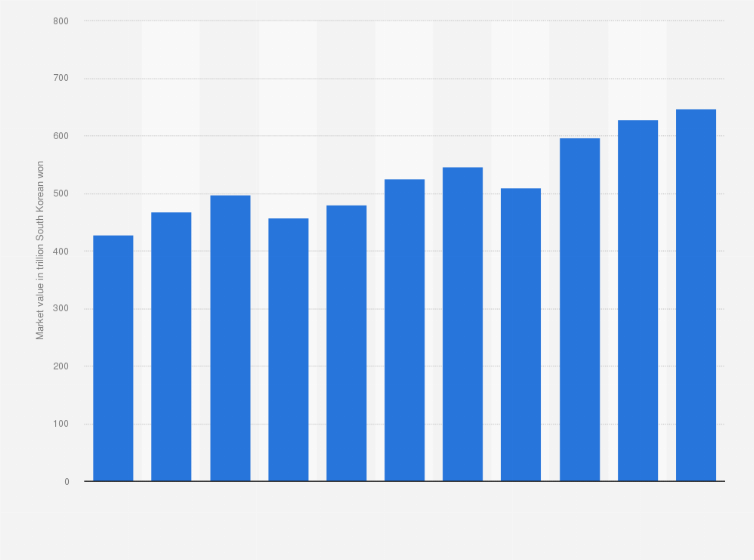
South Korea’s footprint in the consumer electronics market is defined by a few key brands that have shaped global trends and technology standards. These brands don’t just sell products; they influence how you interact with technology daily. Understanding their market influence offers insights into why South Korea holds a significant share in the global consumer electronics landscape.
Samsung’s Market Influence
Samsung is a powerhouse in the global electronics market, commanding a massive share in smartphones, TVs, and semiconductors. You might own a Samsung device or know someone who does—its reach is truly worldwide.
The company’s innovation in foldable screens and 5G technology has set industry benchmarks. Samsung’s aggressive investment in research and development keeps it ahead in a fast-moving market.
Lg’s Global Reach
LG is another giant that impacts your daily life, especially in home appliances and display technologies. Their OLED TVs are often praised for superior picture quality, influencing global consumer preferences.
LG’s focus on smart home integration shows how South Korean brands are shaping the future of connected living. If you’ve ever enjoyed a smart refrigerator or air purifier, LG probably played a role.
Emerging Players
While Samsung and LG dominate, smaller South Korean brands like SK Hynix and Coway are carving out important niches. SK Hynix, a major player in memory chips, supports the backbone of many tech devices you use.
Coway’s success in air and water purification reflects growing consumer demand for health-focused electronics. These emerging companies show how South Korea’s market share continues to grow through innovation and specialization.
Market Share By Product Category
South Korea holds a strong position in the global consumer electronics market, with its influence varying across different product categories. Understanding the market share by product type reveals where South Korean brands excel and where there’s room to grow. Let’s break down the numbers and trends in key sectors that shape the industry.
Smartphones
South Korean companies, led by giants like Samsung and LG, control a significant portion of the global smartphone market. Samsung alone often captures around 20% to 22% of the global smartphone market share, making it one of the top players worldwide.
Have you noticed how many people around you use Samsung phones? This widespread adoption shows the brand’s strong appeal, supported by advanced technology and diverse price ranges. However, competition from Chinese brands like Xiaomi and Apple’s steady hold means South Korea must innovate continuously to keep its lead.
Televisions
The television market is another arena where South Korean brands dominate. Samsung and LG combined account for nearly 40% to 45% of global TV sales, especially in premium categories like OLED and QLED displays.
These brands set high standards for picture quality and smart features, pushing others to catch up. If you’re upgrading your TV, chances are you’re considering a South Korean model for its reliability and innovation.
Home Appliances
When it comes to home appliances, South Korea commands a solid presence with brands like Samsung and LG offering refrigerators, washing machines, and air conditioners worldwide. Their market share in this category is around 15% to 20%, with strong sales in North America and Europe.
What makes these appliances stand out is their smart technology integration and energy efficiency, which appeal to eco-conscious consumers. If you’re looking to invest in durable and tech-savvy home products, South Korean options often come highly recommended.
Wearable Devices
Wearable technology is a fast-growing sector where South Korean companies are making notable strides. Samsung leads with a market share of about 10% to 12% globally, especially in smartwatches and wireless earbuds.
Have you tried any Samsung wearables? Their seamless integration with smartphones and fitness tracking features attract users looking for convenience and style. The question is, can South Korea expand this share amid rising competition from Apple and emerging brands?
Factors Driving South Korea’s Market Share
South Korea holds a strong position in the global consumer electronics market. Several key factors help it maintain and grow this market share. These factors create a solid foundation for South Korea’s success in this competitive industry.
Each factor plays a vital role in shaping the country’s ability to innovate, produce, and distribute electronics worldwide. Understanding these elements reveals why South Korea remains a top player in consumer electronics.
Innovation And Technology
South Korea invests heavily in research and development. Leading companies continuously launch new and improved products. Cutting-edge technology drives superior quality and user-friendly designs. This focus on innovation keeps South Korea ahead in product trends.
Strong partnerships between universities and tech firms foster creativity. The country embraces advanced technologies like 5G, AI, and IoT. These innovations enhance product features and customer experience. The tech-savvy culture encourages rapid adoption and development of new gadgets.
Government Support
The South Korean government actively supports the electronics sector. It provides funding and tax incentives for research projects. Policies promote exports and strengthen international trade relations. Government initiatives help small and medium enterprises grow globally.
Infrastructure investments improve manufacturing and logistics capabilities. Training programs develop skilled workers for the electronics industry. This support system ensures companies can compete on a global scale with confidence.
Global Supply Chains
South Korea is well integrated into global supply networks. Efficient logistics and strong trade partnerships enable timely delivery of components. This integration lowers production costs and increases flexibility. Companies can quickly respond to market demands worldwide.
Access to raw materials and advanced manufacturing equipment is secured. Reliable supply chains help maintain consistent product quality. Close ties with suppliers and distributors build trust and long-term collaboration.
Challenges Facing South Korean Brands
South Korean brands in consumer electronics face several challenges. These hurdles impact their global market share and growth potential. Understanding these challenges helps explain their current market position.
Intense Competition
South Korean companies compete with many strong global brands. Rivalries come from countries like the US, China, and Japan. Each competitor pushes innovation and price cuts. This fierce competition limits profit margins and market expansion. Brands must constantly improve to keep their edge.
Trade Barriers
Trade restrictions affect South Korea’s exports. Tariffs and import regulations vary by country. These rules increase costs and reduce product availability. Political tensions sometimes lead to stricter trade policies. Overcoming these barriers requires complex strategies and negotiations.
Changing Consumer Preferences
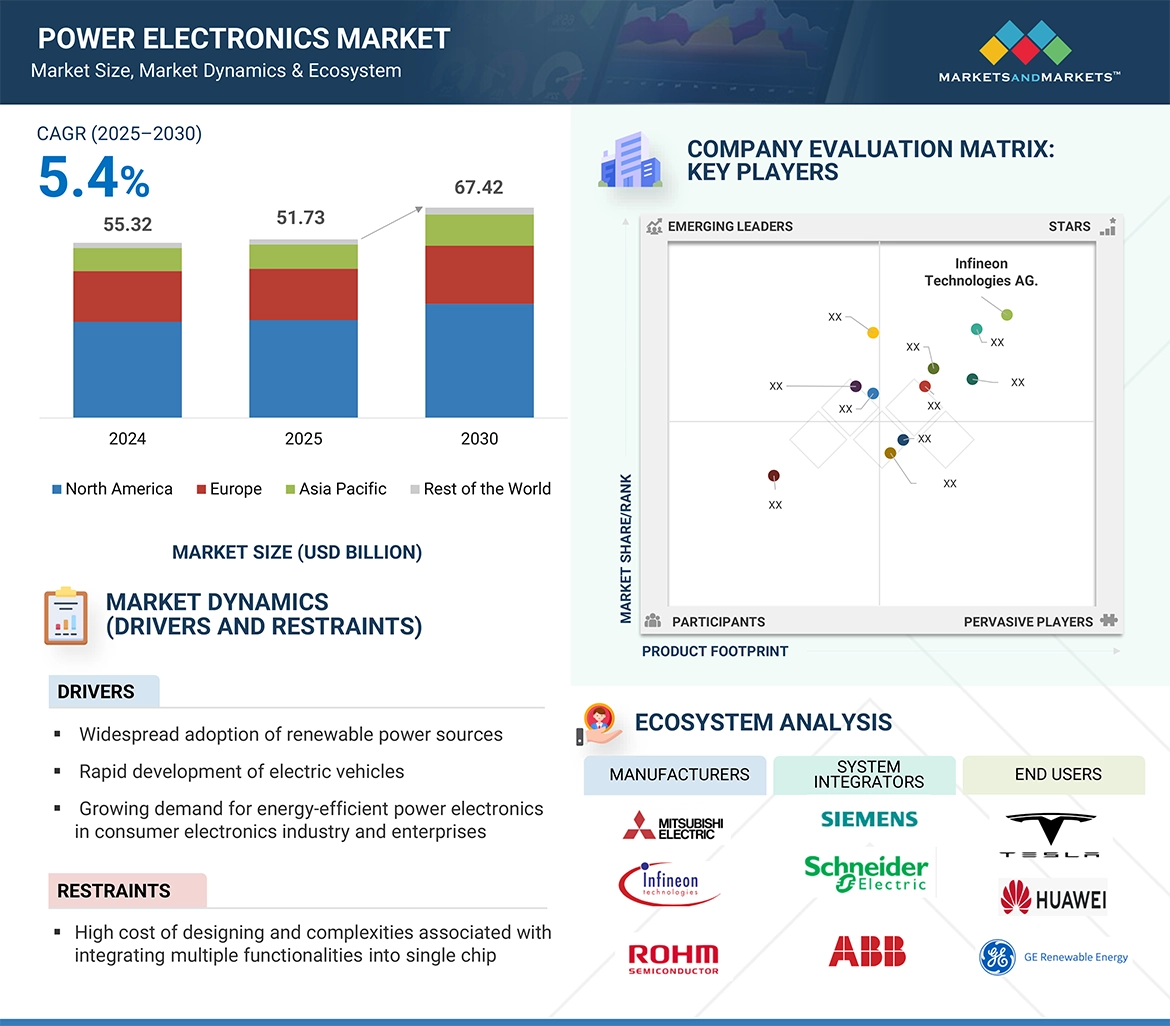
Consumers demand new features and eco-friendly products. Preferences shift quickly in the electronics market. South Korean brands must adapt to trends like smart technology and sustainability. Failure to meet these demands can cause loss of customers. Staying relevant means continuous research and development.
Credit: www.marketsandmarkets.com
Future Trends And Opportunities
South Korea’s consumer electronics sector is poised for significant growth. New trends and opportunities will shape its future global market share. These trends focus on technology, environment, and expanding markets. Companies are investing in innovations to meet changing consumer needs. The following areas highlight key future directions.
5g And Iot Expansion
5G technology is spreading rapidly across the globe. South Korean firms lead in 5G network development and devices. This technology boosts faster internet and more connected devices. The Internet of Things (IoT) benefits from 5G’s speed and reliability. Smart homes, cities, and industries will grow with these advances. South Korea is investing heavily in IoT ecosystems. This creates new products and services for consumers worldwide.
Sustainability Initiatives
Consumers demand greener products and responsible manufacturing. South Korean companies focus on reducing carbon footprints. They use recycled materials and energy-efficient processes. Eco-friendly electronics attract buyers and comply with regulations. Sustainability drives innovation in battery life and packaging. These initiatives improve brand image and open new markets. The shift towards sustainability is vital for long-term success.
Emerging Markets
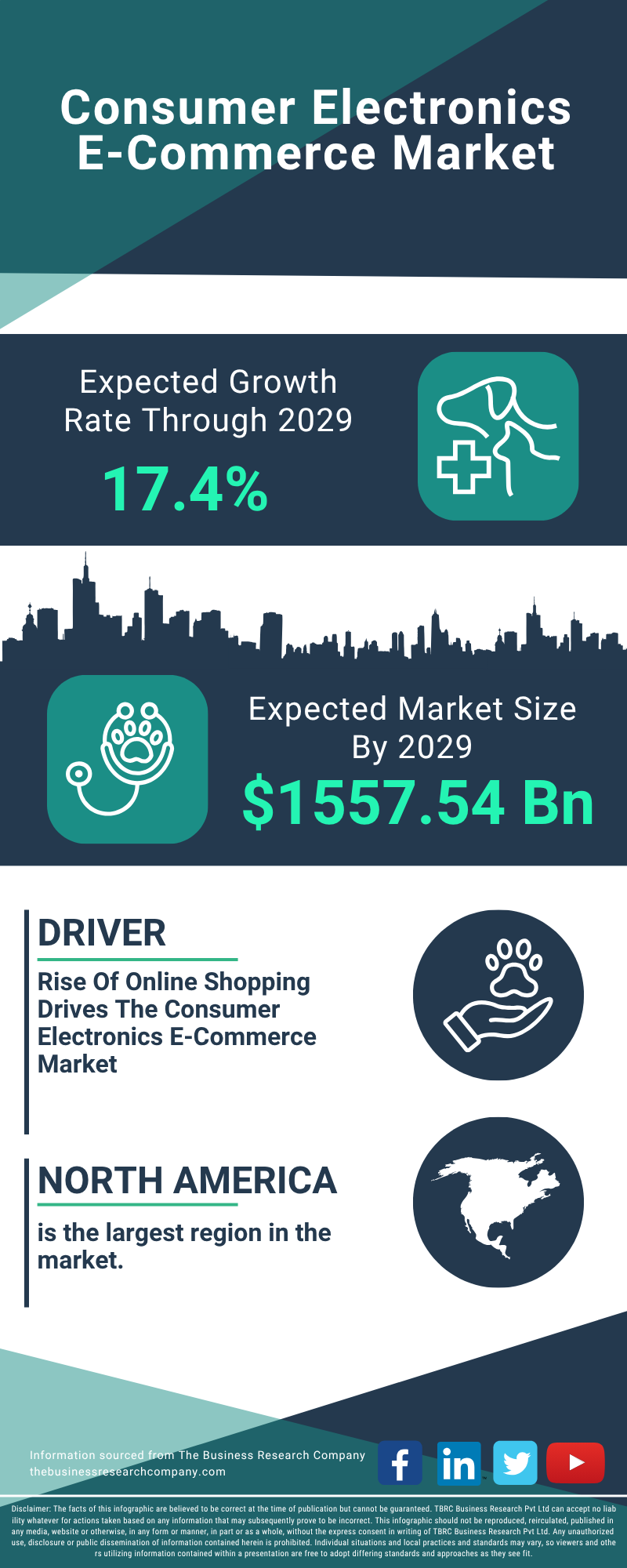
Emerging markets offer fresh growth opportunities for South Korea. Countries in Asia, Africa, and Latin America show rising demand. Affordable, high-quality electronics are popular in these regions. South Korean brands adapt products to local needs and preferences. Expanding distribution channels helps reach more consumers. These markets balance global competition and increase revenue streams. Focus on emerging markets will boost South Korea’s global share.
Credit: www.thebusinessresearchcompany.com
Frequently Asked Questions
What Is South Korea’s Market Share In Consumer Electronics?
South Korea holds around 15% of the global consumer electronics market. Leading brands like Samsung and LG drive this significant share. The country excels in smartphones, TVs, and home appliances, contributing to its strong global presence.
Which South Korean Companies Lead In Consumer Electronics?
Samsung and LG are South Korea’s top consumer electronics companies. Samsung dominates smartphone and semiconductor markets. LG is known for innovative TVs and home appliances. Both brands boost South Korea’s global market influence.
How Does South Korea Impact Global Electronics Innovation?
South Korea leads in technology innovation and R&D investment. It pioneers advancements in display, semiconductor, and mobile technology. This innovation strengthens its market position and influences global electronics trends.
What Factors Contribute To South Korea’s Electronics Market Success?
Strong R&D, government support, and skilled workforce fuel South Korea’s success. Global brand recognition and export strategies also play key roles. These factors combine to maintain its competitive edge worldwide.
Conclusion
South Korea holds a strong position in the global consumer electronics market. Its companies lead in innovation and quality. Consumers worldwide trust South Korean brands for technology. The country’s share reflects steady growth and competitive strength. This influence shapes trends in gadgets and devices.
South Korea will likely remain a key player in this field. The market continues to benefit from its advanced products. Watch how South Korea impacts future electronics developments. Success comes from constant improvement and meeting customer needs. The global market values South Korea’s contributions highly.