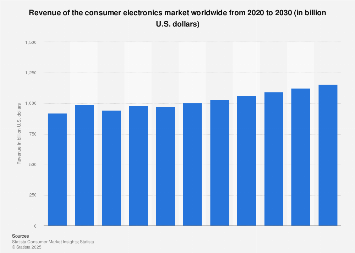
How to Start a Consumer Electronics Business: Ultimate Startup Guide
Are you ready to dive into the dynamic world of consumer electronics? This is your chance to transform your passion for gadgets into a thriving business.
Imagine being at the forefront of innovation, offering the latest tech marvels that customers crave. Starting a consumer electronics business might seem daunting, but with the right steps, it can be incredibly rewarding. In this guide, you’ll discover the key strategies to turn your dream into reality.
From understanding market demands to sourcing the best products, every detail matters. Stick with us, and you’ll learn how to navigate this exciting industry with confidence and success. Ready to unlock the secrets? Let’s get started!
Choosing Your Niche
Choosing your niche is one of the most important decisions when starting a consumer electronics business. It determines your target audience, product range, and marketing strategy. Picking the right niche means focusing your efforts where you can stand out and meet real customer needs.
Identifying Market Trends
Keep an eye on emerging technologies and shifts in consumer behavior. Are smart home devices gaining popularity? Is wearable tech evolving fast? Tracking trends helps you spot opportunities before the market saturates.
Use tools like Google Trends, social media hashtags, and industry reports to gather data. Notice which products get buzz and which fade away quickly. Your goal is to find a niche with growing demand, not a passing fad.
Assessing Consumer Needs
Understanding what your customers want is crucial. Look beyond features and focus on the problems your product solves. For example, if you target fitness enthusiasts, consider not just smartwatches but devices that track unique health metrics.
Talk to potential customers through surveys or online forums. Ask questions about their pain points and wishlist features. This direct feedback guides you to a niche where you can deliver real value.
Evaluating Competition
Analyze existing businesses in your chosen niche. Who are the major players? What do they offer, and where do they fall short? Spotting gaps in their offerings can give you a competitive edge.
Create a simple comparison table listing competitors, their strengths, weaknesses, and price points. Use this to decide how you can differentiate your brand—whether through better quality, pricing, or unique features.
| Competitor | Strengths | Weaknesses | Price Range |
|---|---|---|---|
| Brand A | Wide product range, strong marketing | High prices, limited customization | $$$ |
| Brand B | Affordable, user-friendly designs | Basic features, less durable | $ |
| Your Business | Customizable features, mid-range price | To be determined | $$ |
Ask yourself: How can you serve customers better than these competitors? The answers will shape your niche and your business’s future.
Creating A Business Plan
Creating a solid business plan is the foundation of your consumer electronics venture. It helps you map out your vision clearly and prepares you for challenges ahead. A well-thought-out plan can turn your ideas into achievable goals and guide your daily decisions.
Setting Clear Goals
Start by defining what you want your business to achieve. Are you aiming to become a local retailer, an online seller, or a manufacturer? Clear goals help you focus your efforts and measure progress.
Think about your target market and product range. Setting specific milestones, like launching your first product line or reaching a sales target within six months, keeps you motivated and accountable.
Budgeting And Financial Forecasts
Knowing your financial limits is crucial before you spend a dime. List all startup costs such as inventory, equipment, website development, and marketing. Don’t forget ongoing expenses like rent, salaries, and utilities.
Create a simple table to track your income and expenses month by month. This will help you forecast profits and identify when your business might break even. Would you be surprised how small costs can add up quickly?
| Expense | Estimated Cost |
|---|---|
| Inventory Purchase | $15,000 |
| Website Setup | $3,000 |
| Marketing | $2,000 |
| Rent and Utilities | $1,200/month |
Marketing Strategies
Think about how you will reach your customers and convince them to buy from you. Will you rely on social media ads, influencer partnerships, or email campaigns? Choose channels that fit your budget and audience.
Consider offering product demos or discounts to build initial trust. What makes your electronics different or better? Highlight that in your messaging to stand out in a crowded market.
Registering Your Business
Registering your consumer electronics business is a crucial step that sets the foundation for your operations. It gives your company a legal identity, builds trust with customers, and protects your personal assets. Understanding the registration process helps you avoid costly mistakes and ensures your business complies with local laws.
Selecting A Business Structure
Your business structure affects taxes, liability, and how you manage operations. Common structures include sole proprietorship, partnership, LLC, and corporation. Each has pros and cons depending on your goals and resources.
For example, if you want simplicity and full control, a sole proprietorship might work. But if protecting your personal assets is a priority, an LLC could be better. Think about how you want to handle profits, losses, and decision-making before choosing.
Obtaining Licenses And Permits
Running a consumer electronics business requires specific licenses and permits. These vary by location and the type of products you sell. Missing one can lead to fines or forced closure.
Common permits include a general business license, sales tax permit, and possibly special electronics handling permits. Check with your city or state government websites to find the exact requirements. It’s wise to keep a checklist to track what you’ve applied for and received.
Understanding Legal Requirements
Legal obligations don’t end once you register. You must follow consumer protection laws, warranty regulations, and electronic waste disposal rules. Ignoring these can damage your reputation and cost you money.
Ask yourself: How will you handle product returns? Are your warranties clear and fair? Keeping contracts and policies transparent protects your business and builds customer loyalty. Consulting a legal expert can save you headaches later.

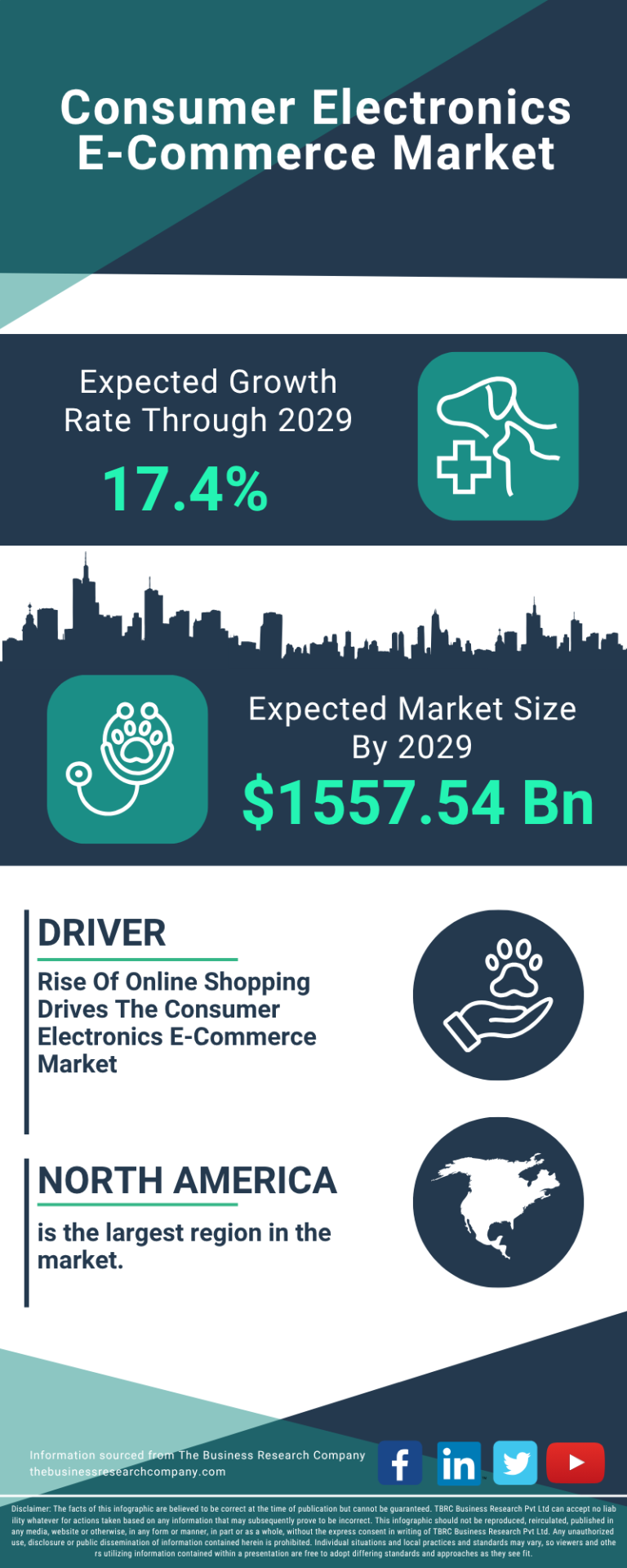
Credit: www.thebusinessresearchcompany.com
Sourcing Products And Suppliers
Sourcing products and suppliers is a crucial part of starting a consumer electronics business. Finding the right partners affects your product quality, costs, and customer satisfaction. Reliable sourcing ensures smooth operations and steady growth.
Choosing trustworthy manufacturers and setting clear agreements helps avoid delays and issues. Checking product quality regularly protects your brand reputation. Let’s explore how to find good suppliers, negotiate terms, and maintain quality control.
Finding Reliable Manufacturers
Start by researching manufacturers with a strong track record. Use online directories, trade shows, and industry forums to find options. Check reviews and ask for references from other businesses.
Look for manufacturers who specialize in your product type. Confirm they meet safety and compliance standards. Request product samples to evaluate quality before committing.
Negotiating Terms
Clear communication builds a solid partnership. Discuss prices, payment schedules, and delivery times openly. Aim for terms that benefit both sides.
Negotiate minimum order quantities and return policies carefully. Understand all costs, including shipping and taxes. Put agreements in writing to avoid misunderstandings later.
Quality Control Measures
Implement regular checks during production to catch defects early. Create a checklist for product specifications and test procedures.
Work closely with manufacturers to fix issues quickly. Consider hiring a third-party inspection service for unbiased quality reviews.
Document quality control steps to ensure consistency. Consistent quality builds trust with customers and reduces returns.
Building Your Brand
Building your brand is the foundation of your consumer electronics business. It shapes how customers see you and influences their buying decisions. A strong brand creates recognition, trust, and loyalty, which are crucial in a competitive market.
Designing A Logo And Identity
Your logo is often the first thing people notice about your brand. It needs to be simple, memorable, and reflect what your business stands for.
Think about colors and fonts that match the tech-savvy and innovative nature of consumer electronics. Avoid overly complex designs that confuse potential customers.
Consider hiring a professional designer or using trusted logo design tools. Test your logo in different sizes and backgrounds to ensure it looks good everywhere—from websites to product packaging.
Creating An Online Presence
Your website is your digital storefront. It must be user-friendly, mobile responsive, and clearly showcase your products and brand values.
Don’t stop at a website; leverage social media platforms where your target customers hang out. Regularly post updates, product launches, and helpful tips to keep your audience engaged.
Have you thought about the power of customer reviews and testimonials online? They boost credibility and encourage new customers to trust your brand.
Developing Customer Trust
Trust is earned through consistency and transparency. Deliver on your promises and provide excellent customer support.
Offer warranties, clear return policies, and fast responses to questions or complaints. These small actions build confidence in your brand.
Share behind-the-scenes looks at your product development or company values to create a personal connection. People buy from brands they believe in, not just products.

Credit: appstle.com
Setting Up Sales Channels
Setting up effective sales channels is key to reaching your customers and growing your consumer electronics business. Your choice of sales platforms influences how easily customers find your products and how well you can manage orders and inventory. Let’s look at some practical ways to get your products into the hands of buyers.
Launching An E-commerce Store
Creating your own online store gives you full control over branding and customer experience. Platforms like Shopify, WooCommerce, or BigCommerce make it simple to set up without deep technical skills.
Focus on clear product descriptions, high-quality images, and easy navigation. Think about adding customer reviews and FAQs to build trust. Have you considered how you’ll handle shipping and returns? Setting these policies upfront avoids headaches later.
Using Marketplaces
Marketplaces like Amazon, eBay, and Newegg already have millions of visitors looking for electronics. Listing your products here can boost visibility quickly without the need for heavy marketing.
However, competition is fierce. Pay attention to pricing strategies and monitor your product listings regularly. You might need to optimize titles and keywords to stand out. How will you differentiate your brand in such a crowded space?
Establishing Physical Retail
Opening a physical store or partnering with existing retailers connects you with customers who prefer hands-on experiences. You can showcase your products, offer demos, and provide immediate support.
Location matters—choose spots with high foot traffic or near complementary businesses. Consider pop-up shops or kiosks as low-risk ways to test the market. What unique experiences can you create in-store that online shopping can’t offer?
Managing Inventory And Logistics
Managing inventory and logistics is crucial for a consumer electronics business. It ensures products are available and reach customers on time. Proper handling reduces costs and improves customer satisfaction. Good systems help track stock levels and avoid overstock or shortages.
Inventory Tracking Systems
Choose a reliable inventory tracking system. It helps monitor stock in real-time. Use software that updates automatically with each sale or return. Barcode scanners and RFID tags can speed up tracking. Keep data accurate to prevent errors and lost items.
Shipping And Delivery Options
Offer multiple shipping choices to meet customer needs. Provide standard, express, and international shipping if possible. Partner with trusted carriers for fast and safe delivery. Use packaging that protects electronic items during transit. Share tracking information with customers for transparency.
Handling Returns And Warranties
Create a clear return policy to build trust. Accept returns for defective or damaged products within a set time. Inspect returned items quickly and process refunds or replacements. Manage warranty claims efficiently to keep customers happy. Keep records of returns and repairs for future reference.
Marketing And Promotion
Marketing and promotion form the backbone of any consumer electronics business. Effective marketing helps reach potential customers and build trust. Promotion spreads awareness about your products and brand. Both efforts boost sales and grow your business.
Digital Advertising
Digital advertising targets customers online using various platforms. It includes pay-per-click (PPC) ads, display ads, and video ads. These ads appear on search engines, websites, and apps. They attract people actively searching for electronics. You can control budgets and track results easily. Use clear messages and strong calls to action. Focus on benefits and features that matter most to buyers.
Social Media Campaigns
Social media is a powerful tool for promotion. Platforms like Facebook, Instagram, and Twitter connect you with a large audience. Share engaging content such as product images, videos, and reviews. Run contests or giveaways to increase followers. Post regularly to keep your audience interested. Use simple language and eye-catching visuals. Encourage users to share your posts to widen reach.
Customer Engagement
Engaging with customers builds loyalty and trust. Respond quickly to questions and comments online. Offer helpful advice and support. Collect feedback to improve your products and services. Create newsletters with updates, tips, and exclusive deals. Personalize communication to make customers feel valued. Happy customers often become repeat buyers and brand advocates.
Scaling Your Business
Scaling your consumer electronics business is a crucial phase that moves you from a startup to a well-established player in the market. It requires careful planning and smart decisions to grow without losing quality or customer trust. Are you ready to take your business to the next level? Let’s look at key strategies that can help you scale effectively.
Expanding Product Lines
Adding new products keeps your brand fresh and attracts a wider audience. Start by analyzing customer feedback and market trends to identify gaps you can fill. For example, if you sell headphones, consider adding wireless chargers or smart speakers to complement your existing lineup.
Don’t rush into too many products at once. Test new items on a small scale and gather data on customer response. This approach reduces risk and helps you understand what your audience truly wants.
Entering New Markets
Expanding beyond your current location can dramatically increase your sales. Research markets where your products are in demand but competition is lower. You might find opportunities in emerging economies or niche segments like gaming or fitness gadgets.
Consider cultural preferences and local regulations before launching. For example, some countries have strict import rules for electronics, and understanding these can save you costly delays. How can you tailor your marketing to resonate with these new audiences?
Building Partnerships
Partnering with other businesses can open doors to new customers and resources. Look for companies that complement your products—like accessory manufacturers, retailers, or tech service providers.
Strong partnerships often lead to joint promotions, bundled offers, or shared distribution channels. I once teamed up with a local repair shop, which boosted both our customer trust and sales. What kind of partnerships could add value to your business?
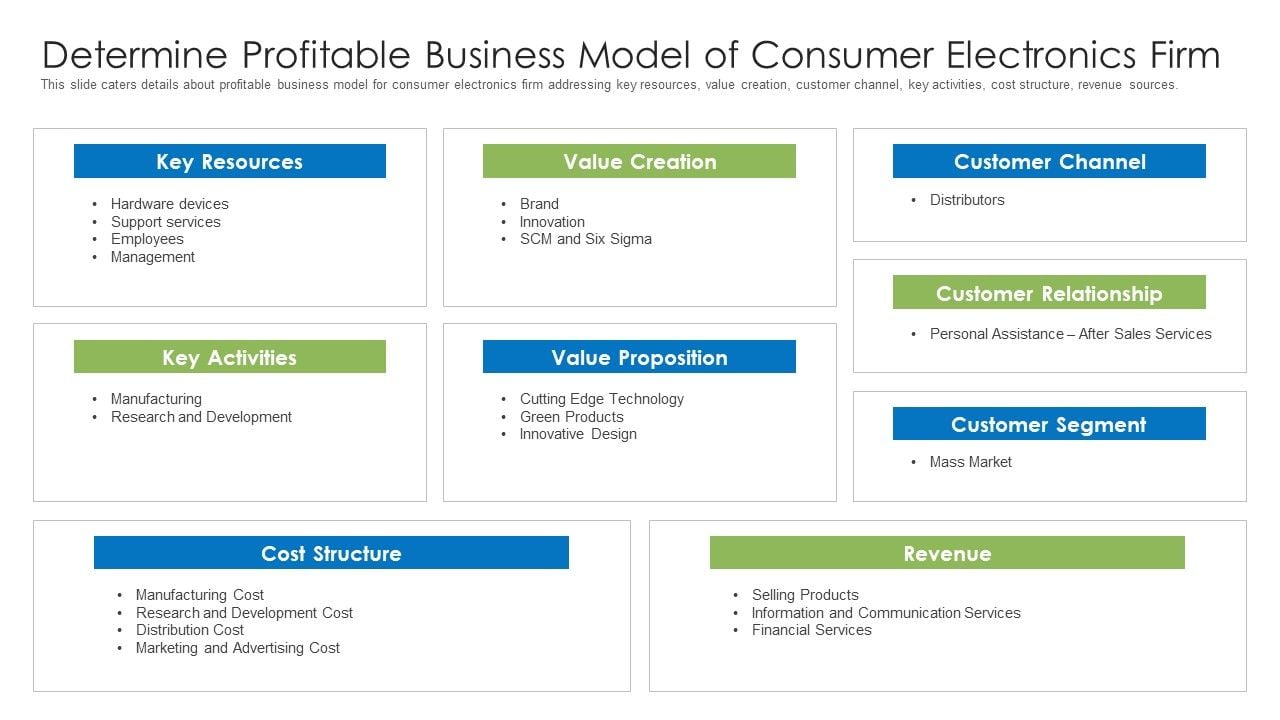
Credit: www.slidegeeks.com
Frequently Asked Questions
What Are The First Steps To Start A Consumer Electronics Business?
Begin by researching market trends and identifying your target audience. Develop a clear business plan and secure necessary funding. Choose reliable suppliers and focus on product quality to build trust.
How Can I Find Reliable Suppliers For Electronics?
Look for suppliers with strong reputations and positive reviews. Attend trade shows and use online platforms to compare options. Verify certifications and ensure they meet quality standards.
What Legal Requirements Are Needed To Start This Business?
Register your business and obtain necessary licenses or permits. Comply with local regulations and safety standards. Consult a legal expert to ensure full compliance.
How Do I Market My Consumer Electronics Effectively?
Use social media, SEO, and influencer partnerships to reach your audience. Highlight product features and benefits clearly. Offer promotions and excellent customer service to build loyalty.
Conclusion
Starting a consumer electronics business takes planning and hard work. Know your market and find good suppliers. Keep your products affordable and reliable. Focus on building trust with customers. Use clear, honest marketing to reach buyers. Stay updated with new technology trends.
Track your costs and manage your budget well. Be ready to solve problems quickly. Success comes from patience and steady effort. Begin small and grow step by step. Your dedication will guide your business forward.