Where is Wearable Technology Located: Unveiling Insights
Have you ever wondered where wearable technology really lives? Not just on your wrist or in your pocket, but where its true power and purpose are hidden.
Understanding where wearable tech is located can change how you use it every day. Whether it’s tracking your health, boosting your productivity, or keeping you connected, knowing its place helps you get the most from your devices. Keep reading, and you’ll discover surprising locations and insights that will make your wearable tech work better for you.
Wearable Tech Types
Wearable technology comes in many forms. It fits into daily life in unique ways. Each type offers different features. Some focus on health, others on convenience or entertainment. Understanding these types helps choose the right device for your needs.
Smartwatches And Fitness Bands
Smartwatches and fitness bands track physical activity. They monitor steps, heart rate, and sleep patterns. Many connect with smartphones to show notifications. These devices help users stay active and aware of their health.
Smart Glasses And Headsets
Smart glasses display information right before your eyes. They allow hands-free access to apps and messages. Headsets often include virtual reality (VR) or augmented reality (AR). They create immersive experiences for gaming or work.
Wearable Medical Devices
Wearable medical devices monitor vital health signs continuously. They track blood sugar, blood pressure, or oxygen levels. These devices support patients and doctors in managing health conditions. Many alert users to potential health issues early.
Clothing And Accessories
Wearable tech also includes smart clothing and accessories. These may have sensors to track body temperature or movement. Some garments adjust to temperature changes for comfort. Accessories like smart rings or bracelets add subtle tech benefits.
Credit: www.appventurez.com
Placement On The Body
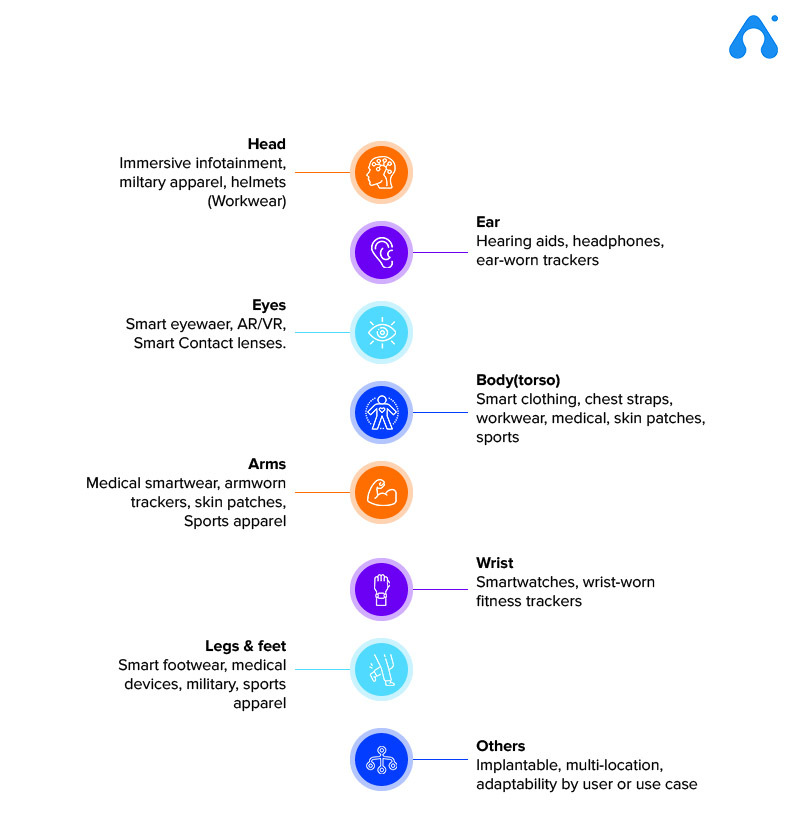
Wearable technology fits on different parts of the body. The placement depends on the device’s function and design. Some wearables track health, while others help with communication or entertainment. Body placement affects comfort and accuracy. Let’s explore common wearable locations.
Wrist-worn Devices
Wrist devices are the most popular wearables. They include smartwatches and fitness trackers. These gadgets monitor heart rate, steps, and sleep. The wrist is easy to access and check. People wear them all day for health tracking and notifications.
Head-mounted Gear
Headwear includes smart glasses and virtual reality headsets. These devices provide hands-free information or immersive experiences. They track eye movement or display digital content. Comfort and weight are important for long use. Many use headgear for gaming or work tasks.
Torso And Chest Wearables
Chest and torso wearables include heart monitors and posture trackers. They measure breathing, heart rate, or muscle activity. These devices fit under clothes or attach with straps. Athletes and patients often use torso wearables for detailed health data.
Leg And Foot Devices
Wearables on legs and feet track movement and balance. These include smart shoes and motion sensors. They help runners, dancers, and physical therapy patients. Footwear devices analyze walking patterns to improve performance or recovery.
Technology Integration
Technology integration in wearable devices brings together many small parts. Each part works with others to create a smooth experience. These devices combine sensors, connectivity, power, and displays to function well. Understanding these components helps explain where the technology is located inside wearables.
Sensors And Trackers
Sensors are the core of wearable technology. They collect data like heart rate, steps, and temperature. These tiny sensors sit close to the skin. Common types include accelerometers, gyroscopes, and optical sensors. Trackers analyze movement and health signals. This data helps users monitor fitness and health easily.
Connectivity Modules
Connectivity modules allow wearables to communicate with other devices. Bluetooth and Wi-Fi chips are common examples. These modules are small and placed inside the device’s body. They send data to smartphones or cloud services. This connection keeps information updated and accessible in real time.
Power Sources
Wearables need power to work all day. Most use small rechargeable batteries. These batteries fit inside the device’s frame. Some wearables use solar cells or kinetic energy for extra power. Efficient power management ensures longer use without frequent charging.
Display And User Interface
Displays show information clearly and simply. Wearables use OLED or LCD screens. Some devices have touchscreens or physical buttons. The user interface is designed for easy control. It is usually located on the front or wrist area. This allows quick access to notifications and apps.
Industry Applications
Wearable technology has found its way into many industries, changing how people work, play, and take care of themselves. Its applications stretch far beyond just smartwatches and fitness trackers. Understanding where wearable tech fits in industry settings can help you see its real-world value and how it might impact your daily life.
Healthcare And Fitness
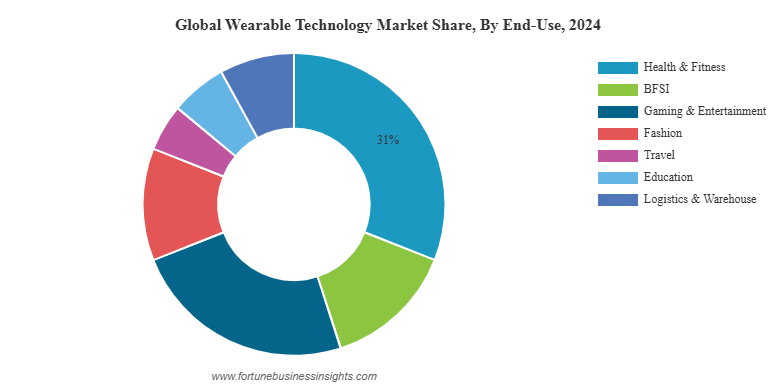
Wearables in healthcare monitor vital signs like heart rate, oxygen levels, and sleep patterns continuously. This constant tracking helps detect issues early, sometimes before symptoms appear. Imagine catching irregular heartbeats just by wearing a device on your wrist—this can save lives.
Fitness enthusiasts use wearables to track steps, calories, and workout intensity. This data motivates you to push harder or rest when needed. Many apps sync with these devices, turning exercise into a goal-driven experience.
Entertainment And Gaming
Wearable tech enhances gaming by making it more immersive. Devices like VR headsets and motion sensors let you interact with games physically, not just through buttons. This interaction changes the way you experience stories and challenges.
Music lovers also benefit from wearables that deliver sound without bulky headphones. Bone conduction headphones and smart earbuds allow you to stay aware of your surroundings while enjoying your favorite tracks. What if your wearable could also boost your mood through sound tailored just for you?
Workplace And Safety
In hazardous environments, wearables monitor worker health and environmental conditions to prevent accidents. Sensors can detect toxic gases, extreme temperatures, or fatigue levels. This real-time info keeps you and your colleagues safer on the job.
Wearable devices also improve productivity by tracking movement and posture. For example, smart glasses provide hands-free access to manuals and instructions, reducing errors. How could such tech make your workday easier and more efficient?
Fashion And Lifestyle
Wearables are no longer just practical; they’re a fashion statement. Designers create smart jewelry and clothing that blend technology with style. These items track your health or notify you discreetly while complementing your look.
Some wearables even adapt to your mood or environment, changing colors or patterns. This personalization invites you to express yourself while staying connected. Have you thought about how your accessories could do more than just look good?
Future Trends
The future of wearable technology is shaping up to be more exciting and practical than ever. As these devices become smarter and more user-friendly, they will blend seamlessly into your daily life. Imagine wearables that feel like a natural extension of yourself, offering powerful features without any hassle.
Miniaturization And Comfort
Wearable devices are getting smaller and lighter, making them easier to wear all day. Think about a smartwatch that feels as comfortable as a regular watch or fitness bands so thin you forget you’re wearing them.
This miniaturization doesn’t just improve comfort; it opens up new opportunities for design and placement. Would you be willing to wear a device embedded in your clothing or even your skin if it was barely noticeable?
Enhanced Connectivity
Future wearables will connect faster and more reliably to your devices and the internet. Technologies like 5G and Wi-Fi 6 will allow your wearables to sync data instantly, keeping you updated in real-time.
Imagine receiving important alerts or health updates without pulling out your phone. How much easier would your daily routine be if your wearables acted as your constant, smart assistant?
Advanced Health Monitoring
Wearables are already tracking steps and heart rate, but soon they will monitor a wider range of health metrics with medical-grade accuracy. Expect sensors that can detect blood sugar levels, hydration, or even stress indicators.
Personal experience taught me that having continuous health insights can motivate better habits. Would access to real-time health data change how you approach your wellness?
Wearables Beyond The Body
Wearable technology isn’t limited to what you wear on your body anymore. Smart glasses, earbuds, and even smart clothing are expanding the idea of wearables.
Some companies are developing devices integrated into everyday objects like jewelry or shoes. What new forms of wearable tech would you find most useful if they blended into your environment?

Credit: www.happiestminds.com
Credit: www.fortunebusinessinsights.com
Frequently Asked Questions
Where Is Wearable Technology Commonly Found?
Wearable technology is commonly found on the wrist, head, and body. Popular devices include smartwatches, fitness bands, smart glasses, and wearable health monitors. These locations provide convenience and easy access for users while enabling accurate data collection and real-time communication.
Which Body Parts Do Wearable Devices Monitor?
Wearable devices monitor the wrist, chest, head, and sometimes limbs. Wristbands track heart rate and activity. Chest straps measure ECG and breathing. Smart glasses focus on vision and AR experiences. These placements optimize health tracking and user interaction.
How Is Wearable Technology Integrated Into Clothing?
Wearable technology is integrated into clothing using smart fabrics and sensors. These fabrics monitor vital signs like temperature and movement. Integration is seamless, making wearables comfortable and stylish. This approach expands wearable tech beyond accessories to everyday apparel.
Why Are Wrists Popular For Wearable Devices?
Wrists are popular for wearable devices because they offer easy access and comfort. The wrist allows continuous monitoring of pulse, activity, and sleep. It’s ideal for devices like smartwatches and fitness trackers, combining functionality with style for daily wear.
Conclusion
Wearable technology fits into many parts of daily life. You can find it on wrists, heads, and even clothes. These devices help track health, provide information, and connect you to the world. As technology grows, wearables will appear in more places.
They keep getting smaller and easier to use. This makes them a natural part of how people live and work. Wearable technology is not just a trend; it is becoming a steady part of life.