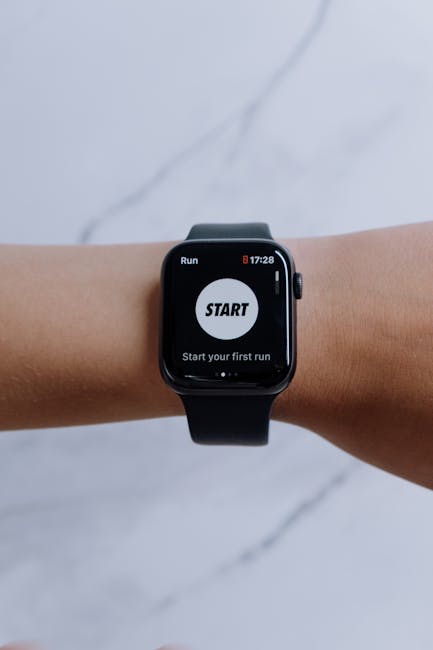
What’S Wearable Technology: Future of Innovation
Have you ever wondered how your watch can do more than just tell time? Or how a small device clipped to your clothes can track your health and fitness without any effort from you?
That’s the power of wearable technology. It’s changing the way you live, work, and stay connected. Imagine having tools that make your daily life easier, help you stay healthier, and keep you informed—all right on your body. Curious to know what wearable technology really is and how it can benefit you?
Keep reading, because what you discover might surprise you.
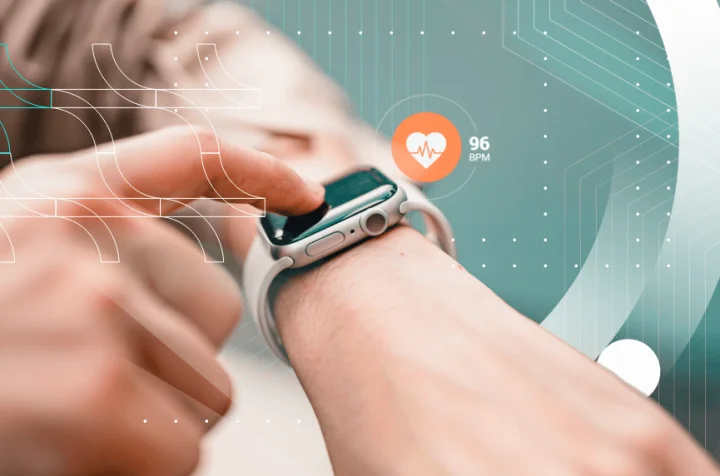
Credit: www.bgosoftware.com
Wearable Tech Basics
Wearable technology has become a part of daily life for many people. These devices are small and easy to wear. They collect data and help users stay connected or monitor health.
Understanding the basics of wearable tech helps you see how these devices work and what they do. This section covers the main types, key parts, and how they operate.
Types Of Wearables
- Smartwatches – Track fitness, show notifications, and tell time.
- Fitness trackers – Monitor steps, heart rate, and sleep.
- Smart glasses – Display information and capture photos or videos.
- Wearable cameras – Record videos hands-free during activities.
- Health monitors – Measure blood pressure, glucose, or other health data.
Key Components
- Sensors – Detect movement, heart rate, or environmental data.
- Processor – Handles data and runs device functions.
- Battery – Powers the device for hours or days.
- Display – Shows information to the user.
- Connectivity – Links device to smartphones or the internet.
How They Work
Wearables gather data through sensors embedded inside. The processor analyzes this information quickly. Then, the device shows results on a screen or sends data to an app. Connectivity allows syncing and sharing with other devices. This process happens continuously while wearing the device.
Current Applications
Wearable technology has grown beyond simple gadgets. It now plays a key role in many areas of daily life. Different industries use wearable devices to improve health, entertainment, and work. These devices collect data, provide real-time feedback, and help users stay connected. Here are some main uses of wearable technology today.
Health And Fitness
Wearables track physical activity and vital signs. They monitor heart rate, steps, and sleep quality. Users receive alerts about their health conditions. Some devices can detect irregular heartbeats or stress levels. Fitness trackers help set goals and encourage exercise. They make it easier to maintain a healthy lifestyle.
Entertainment And Gaming
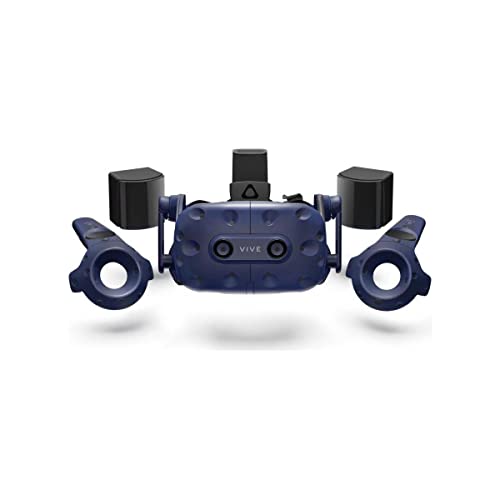
Wearable devices enhance gaming and media experiences. Virtual reality headsets create immersive worlds. Players feel inside the game environment. Smart glasses allow users to view content hands-free. Music and video apps run smoothly on smartwatches. These devices bring entertainment closer to the user.
Workplace Efficiency
Wearables improve communication and productivity at work. Smart glasses provide hands-free instructions and data. Workers can access information without stopping tasks. Fitness trackers encourage breaks and movement to reduce fatigue. Some devices monitor environmental conditions for safety. Wearables help create smarter, safer workplaces.
Emerging Trends
Wearable technology keeps evolving fast. New trends bring fresh features and better user experience. These trends make devices lighter, smarter, and more useful. They blend technology with daily life in natural ways.
Flexible And Smart Fabrics
Smart fabrics change how wearables feel and work. These materials bend and stretch easily. Sensors inside fabrics track health and movement smoothly. Clothes can monitor heart rate, temperature, and more. This tech makes wearables less bulky and more comfortable.
Ai Integration
Artificial intelligence improves wearable functions. AI learns user habits and gives tailored feedback. It helps with health alerts and activity coaching. Devices can predict issues before they happen. This creates a smarter and more helpful experience.
Augmented Reality Enhancements
Augmented reality adds digital layers to real life. Wearables use AR to show useful info instantly. Users see directions, notifications, or data without looking away. This tech helps in sports, work, and gaming. It makes interactions faster and more immersive.
Challenges Ahead
Wearable technology offers many benefits but also faces big challenges. These issues affect how people use and trust these devices. Overcoming these problems is key to wider adoption and success.
Privacy Concerns
Wearables collect a lot of personal data. This includes health, location, and daily habits. Users worry about who can see this data. Data breaches can lead to identity theft or misuse. Clear rules and strong security are needed to protect users.
Battery Life Limitations
Most wearables need frequent charging. Short battery life limits their use throughout the day. Users want devices that last longer without adding bulk. Improving battery technology is crucial for better user experience.
Design And Comfort
Wearables must feel good on the body. Bulky or heavy devices can be uncomfortable. Design should balance style, size, and functionality. Comfort encourages users to wear devices more often and longer.
Future Possibilities
Wearable technology is evolving rapidly, opening doors to possibilities that once seemed out of reach. The future holds exciting advancements that will change how you live, work, and take care of your health. Let’s dive into some of the most promising areas where wearable tech could make a real impact on your daily life.
Medical Breakthroughs
Imagine a watch that not only tracks your steps but also monitors your blood sugar or detects early signs of heart disease. Wearables are becoming powerful health tools, capable of delivering real-time data directly to doctors.
This means faster diagnosis and personalized treatment plans tailored just for you. Could this reduce hospital visits and save lives? Your wearable might soon act as a personal health assistant, alerting you to risks before symptoms even appear.
Seamless Connectivity
Picture your wearable syncing effortlessly with all your devices, from your phone to your car, creating a connected ecosystem around you. This level of integration could simplify your routines by automating tasks and keeping you informed without lifting a finger.
For example, your smartwatch could adjust your home’s temperature based on your activity or remind you of meetings by syncing with your calendar. How much easier would your day be if your technology anticipated your needs?
Personalized User Experience
Wearable tech will learn more about your habits, preferences, and goals to offer a truly customized experience. This means smarter notifications, tailored fitness coaching, and even mood tracking to help you manage stress.
Think about a device that adapts to how you feel and what you want to achieve, rather than forcing you into one-size-fits-all solutions. Would you trust a wearable that understands you better than anyone else?

Credit: www.techinsights.com
Impact On Daily Life
Wearable technology has woven itself into the fabric of everyday life, changing how you interact with the world around you. Its impact is visible in many areas, from keeping track of your health to how you communicate and work. Understanding these changes can help you use wearable devices more effectively and improve your daily routines.
Improving Health Monitoring
Wearable devices like smartwatches and fitness bands give you real-time updates on your health. You can track your heart rate, sleep quality, and even detect irregularities early. This constant monitoring helps you make better lifestyle choices and catch potential health issues before they become serious.
Have you ever noticed how a simple vibration alert can remind you to move after long periods of sitting? That small nudge can significantly improve your daily activity levels without disrupting your flow.
Transforming Communication
Wearables make staying connected easier and less intrusive. Instead of pulling out your phone, you get notifications, calls, and messages right on your wrist or glasses. This quick access helps you respond faster and stay present in conversations without being glued to a screen.
Think about how discreetly you can check an important message during meetings or while on the move. This subtlety changes how you manage interruptions and maintain focus.
Enhancing Productivity
With reminders, calendars, and voice assistants built into wearables, managing your tasks becomes smoother. You can set alarms, check your schedule, and even control smart home devices without stopping what you’re doing. This hands-free convenience helps you stay organized and efficient throughout your day.
Imagine being able to start a timer, send a quick note, or check your to-do list with just a tap or voice command. How much time could you save by reducing the need to switch devices?
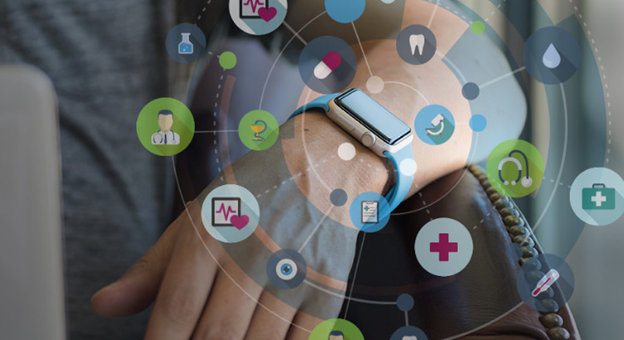
Credit: medium.com
Frequently Asked Questions
What Is Wearable Technology Used For?
Wearable technology monitors health, tracks fitness, and enhances communication. It provides real-time data and improves daily convenience. Common uses include heart rate tracking, GPS navigation, and notifications.
How Does Wearable Technology Work?
Wearables use sensors to collect data from the body or environment. This data is processed by software to provide insights or alerts. Connectivity options like Bluetooth link devices to smartphones or networks.
What Are Popular Types Of Wearable Devices?
Popular wearables include smartwatches, fitness trackers, smart glasses, and VR headsets. Each serves different purposes such as fitness monitoring, augmented reality, or immersive gaming experiences.
Are Wearable Devices Safe To Use?
Most wearables are safe when used correctly and follow health guidelines. Data privacy depends on the device and app security. Users should review permissions and update software regularly.
Conclusion
Wearable technology helps people track health and stay connected. These devices are easy to use and fit daily life well. They keep improving with new features and designs. People can find wearables for many needs and budgets. This tech makes life simpler and more fun.
Try a wearable to see how it fits you. It might change how you live and work. The future will bring even smarter gadgets to wear. Stay curious and watch this space grow.