
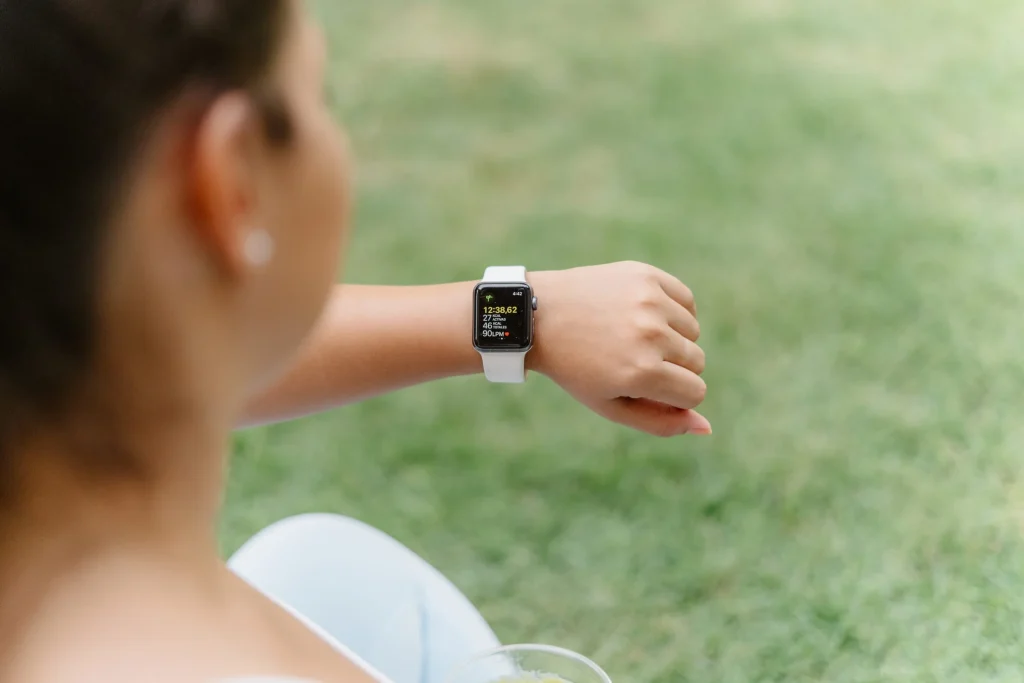
Are you ready to take your workout to the next level? Wearable technology can be the game-changer you’ve been looking for.
Imagine having a personal coach on your wrist, tracking every step, heartbeat, and calorie burned—all in real time. This isn’t just about gadgets; it’s about making your workouts smarter, more efficient, and more motivating. Keep reading to discover how wearable tech can boost your performance, keep you focused, and help you reach your fitness goals faster than ever before.
Tracking Performance Metrics
Tracking performance metrics is a key benefit of wearable technology during workouts. These devices collect data that helps you understand your body better. They provide real-time feedback to improve your exercise efficiency and results.
Wearables give clear insights into how hard your body is working. They show progress and highlight areas that need more focus. This information makes workouts smarter and more personalized.
Heart Rate Monitoring
Heart rate monitoring shows how fast your heart beats during exercise. It helps you stay in the right intensity zone. Staying in the correct zone improves endurance and burns fat effectively.
Wearables track heart rate continuously. This helps you avoid overtraining or undertraining. Knowing your heart rate also supports better recovery planning after workouts.
Step Counting And Distance Tracking
Step counting records how many steps you take during a workout or daily activities. Distance tracking measures how far you move. These metrics help set clear movement goals.
Wearables motivate you to stay active by showing daily progress. They make walking, running, or hiking more measurable and fun. Tracking steps and distance encourages consistent physical activity.
Calorie Burn Estimation
Calorie burn estimation shows how many calories you use during exercise. It helps manage weight and diet goals. Wearables calculate calories based on heart rate and movement data.
Knowing calorie burn guides better food choices and portion control. It also helps plan workout intensity for effective fat loss or muscle gain. This metric keeps your fitness journey on track.

Credit: gulfnews.com
Enhancing Motivation
Staying motivated throughout your workout routine can be challenging. Wearable technology steps in as a powerful tool to keep your energy and focus high. It offers real-time encouragement, making every session feel purposeful and rewarding.
Goal Setting And Progress Alerts
Setting clear goals is crucial for motivation. Wearables let you define specific targets like steps, calories burned, or workout duration. They send instant alerts when you hit milestones, sparking a sense of achievement.
Imagine receiving a buzz on your wrist the moment you reach 10,000 steps—that small nudge can push you to keep moving. These progress alerts break your workout into manageable chunks, making big goals feel more attainable.
Social Sharing And Competitions
Sharing your achievements with friends or workout communities adds a social layer to motivation. Many devices let you post your stats directly to social media or fitness groups.
Friendly competitions, like step challenges or running leaderboards, create excitement and accountability. Have you noticed how a little competition with a buddy can make you run faster or push harder? That’s the social boost wearable tech provides.
Personalized Feedback
Generic advice doesn’t cut it when you want to improve. Wearables analyze your unique data to offer tailored tips on form, pace, or recovery. This personalized feedback helps you avoid injury and maximize results.
When your device highlights a pattern—like slowing down during the last mile—it encourages you to adjust your strategy. This kind of insight turns your workout from guesswork into informed action.
Improving Workout Efficiency
Wearable technology helps you exercise smarter, not harder. It gives instant feedback to improve how you train. This technology tracks your movements and shows areas to improve. It saves time by focusing on what works best for your body. Your workouts become more effective with less guesswork.
Real-time Coaching
Wearables provide coaching during your workout. They send alerts to correct your pace or effort. This guidance helps avoid injuries and boosts performance. You get tips on breathing, speed, and rest without waiting for a trainer. Real-time coaching keeps you motivated and focused on goals.
Exercise Form Analysis
These devices analyze your exercise form closely. They detect if your posture or movement is wrong. This helps prevent strain and muscle damage. Wearables give suggestions to fix your form immediately. Better form means better results and fewer injuries over time.
Adaptive Workout Plans
Wearable technology adjusts your workouts based on progress. It uses data like heart rate and fatigue levels. Your plan changes to fit your current fitness state. This keeps your routine challenging but safe. Adaptive plans help you improve steadily without overdoing it.
Supporting Recovery
Supporting recovery is a crucial part of any workout routine, yet it often gets overlooked. Wearable technology helps you stay on top of your body’s needs by providing real-time data on how well you recover after exercise. This insight allows you to adjust your efforts and avoid burnout or injury.
Sleep Tracking
Sleep is when your body repairs muscles and restores energy. Wearable devices track your sleep patterns, showing you how much deep, light, and REM sleep you get each night. Understanding your sleep quality helps you see if you’re truly recovering or just resting.
Have you ever felt tired despite a full night’s sleep? Tracking can reveal disturbances you weren’t aware of, like frequent waking or short sleep cycles. With this info, you can make changes—like adjusting bedtime or reducing screen time—to improve your rest.
Stress Level Monitoring
High stress slows down recovery by raising cortisol levels, which can affect your muscles and immune system. Wearables monitor heart rate variability and other indicators to estimate your stress levels throughout the day. By knowing when stress is high, you can take steps to relax and prevent it from impacting your workouts.
Imagine noticing your stress spikes after work and then choosing to meditate or take a walk before training. This simple adjustment can improve both your mental and physical recovery.
Recovery Time Recommendations
After intense training, your body needs time to rebuild. Wearable tech calculates personalized recovery times based on your workout intensity, heart rate, and other factors. Instead of guessing when to train again, you get clear guidance on when your body is ready.
This reduces the risk of overtraining and helps you stay consistent. Wouldn’t it be helpful to have your device tell you, “Take a rest day” or “You’re good to go today”?
Integrating With Health Ecosystems
Integrating wearable technology with health ecosystems transforms your workout routine from simple exercise into a comprehensive health experience. This connection lets your devices communicate seamlessly with various apps and platforms, giving you a clearer picture of your overall well-being. How often do you check your fitness app and wonder if the data is really working for you? Integrating these tools can turn that guesswork into actionable guidance.
Syncing With Health Apps
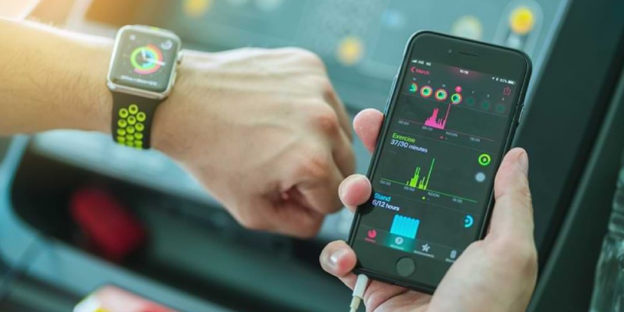
Wearables automatically sync with popular health apps like Apple Health, Google Fit, or Fitbit. This means your workout data—steps, heart rate, calories burned—gets stored in one place. You don’t have to manually enter information, saving time and reducing errors.
Imagine finishing a run and instantly seeing your stats alongside your daily activity and sleep patterns. This holistic view helps you understand how each part of your day affects your fitness goals. It also makes sharing progress with trainers or doctors easier, offering a full health profile.
Data-driven Insights
Once synced, health ecosystems analyze your data to provide insights tailored to your habits. You might learn which workout times yield the best results or how your recovery periods affect performance. These insights go beyond raw numbers, showing trends that help you improve steadily.
For example, your device could alert you if your heart rate stays elevated after exercise, signaling overtraining. This kind of feedback encourages smarter workouts and prevents injury. Wouldn’t you want your fitness routine to adjust based on real data instead of guesswork?
Customizable Alerts And Reminders
Wearables let you set personalized alerts within your health ecosystem. You can receive reminders to hydrate, move, or start winding down for better sleep. These notifications keep you accountable without feeling like a nagging coach.
Custom alerts also help you stay on track with goals like daily step counts or workout frequency. By tuning these settings to your lifestyle, the technology supports your fitness journey in a way that fits you best. How could timely reminders change the way you stay motivated?
Credit: medium.com
Choosing The Right Wearable
Choosing the right wearable technology can boost your workout experience. The right device tracks your progress accurately. It fits your lifestyle and motivates you to stay active. Picking a wearable means thinking about features, budget, and comfort. These factors ensure you enjoy using your device every day.
Key Features To Consider
Look for features that match your workout goals. Heart rate monitoring helps you train at the right intensity. GPS tracks your running or cycling routes. Step counters measure your daily activity. Sleep tracking shows how well you rest. Some wearables also offer workout plans and reminders. Choose features that keep you motivated and informed.
Budget And Compatibility
Set a budget before shopping for a wearable. Prices vary from basic models to advanced devices. Cheaper options still offer useful features. Check if the wearable works with your smartphone or apps. Compatibility allows easy syncing of your workout data. This makes tracking progress simple and clear.
Design And Comfort
Comfort matters since you wear the device daily. Choose a lightweight and flexible design. The band should fit snugly but not too tight. Some wearables come with interchangeable straps for style. Water resistance is important for sweaty workouts or swimming. A comfortable design encourages regular use and better results.

Credit: www.healio.com
Frequently Asked Questions
How Does Wearable Technology Improve Workout Efficiency?
Wearable technology tracks real-time data like heart rate and calories burned. This helps optimize workout intensity and duration, ensuring effective exercise sessions tailored to individual fitness levels.
Can Wearables Help Prevent Workout Injuries?
Yes, wearables monitor movement patterns and detect improper form. They provide feedback to correct posture, reducing the risk of injuries during exercise.
What Types Of Workouts Benefit Most From Wearables?
Cardio, strength training, and HIIT workouts benefit greatly. Wearables track performance metrics, helping users adjust routines for maximum results and improved fitness progression.
Do Wearables Motivate Users To Exercise More?
Wearables offer goal-setting features and progress tracking. Notifications and rewards encourage consistent workouts, boosting motivation and helping users stay committed to fitness goals.
Conclusion
Wearable technology helps you track your progress every day. It keeps you motivated to move and stay active. You can see your heart rate, steps, and calories burned easily. This information helps you improve your workouts step by step. Small changes lead to big results over time.
Wearables also remind you to rest and recover well. They make fitness simple and clear for everyone. Using them can make your workout more fun and effective. Why not give it a try? Your body will thank you.


