
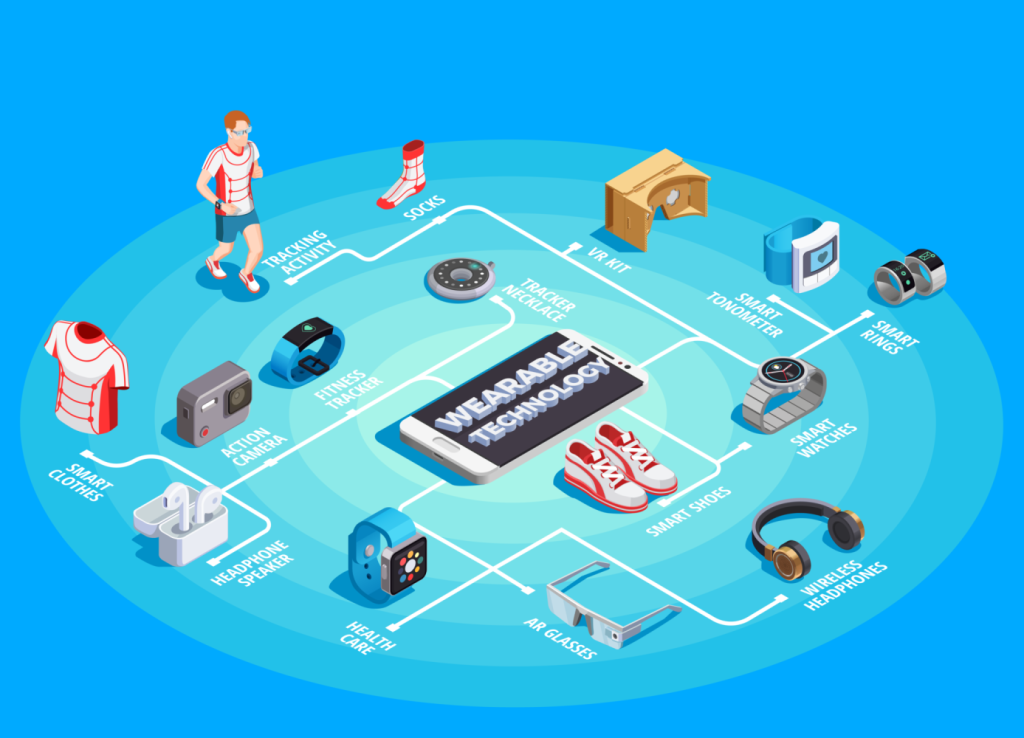
Imagine knowing exactly how your guests move, interact, and enjoy every moment of your event—all without interrupting their experience. Wearable technology makes this possible, giving you real-time insights that can transform the way you plan and manage events.
If you want to create unforgettable experiences and make smarter decisions, understanding how wearable tech tracks event guests is a game-changer. Keep reading to discover how this innovative tool puts powerful data right at your fingertips.

Credit: wholesale.rdxsports.com
Wearable Tech In Events
Wearable technology is changing how event organizers connect with guests and manage large crowds. These devices don’t just track attendance; they provide real-time insights into guest behavior, preferences, and movement. Imagine knowing exactly which sessions your attendees enjoyed the most or where bottlenecks form during an event.
Types Of Wearable Devices
Event planners use a variety of wearable devices to monitor guests effectively. The most common are:
- RFID Wristbands:These are simple, cost-effective, and allow quick check-ins and access control.
- Smart Badges:Beyond identification, these can track networking activities and session attendance.
- Smart Watches:Some events offer branded smartwatches that help with navigation, schedules, and notifications.
- Fitness Trackers:These monitor physical activity and can be used in sports or wellness events to engage participants.
Each device type offers different data points, so choosing the right one depends on your event’s goals.
Integration With Event Systems
Wearables reach their full potential when connected to your event’s digital ecosystem. Linking these devices with registration software, CRM tools, and analytics platforms creates a seamless flow of data.
This integration allows you to:
- Track guest check-ins and session attendance instantly.
- Send personalized notifications or updates directly to guests.
- Analyze foot traffic patterns to optimize event layout.
- Follow up post-event with tailored content based on guest interactions.
Have you considered how real-time data could improve your event management decisions? Integrating wearable tech might be the key to delivering a more personalized and efficient experience for your guests.
Tracking Methods
Wearable technology tracks event guests using several tracking methods. These methods help organizers monitor guest movement and engagement. Tracking ensures a smooth event flow and better guest experiences. Different technologies offer unique ways to gather location and interaction data.
Bluetooth And Rfid Technology
Bluetooth and RFID are common in wearable devices. Bluetooth uses short-range wireless signals to detect nearby devices. It helps track guest locations inside event venues. RFID uses radio waves to communicate between tags and readers. Guests wear RFID wristbands or badges for easy scanning. These technologies work well indoors where GPS is weak. They provide real-time data on guest movement and crowd density.
Gps And Location Services
GPS tracks guests using satellite signals. It works best in outdoor or large open areas. Location services on wearable devices send coordinates to event apps. This helps organizers see guest paths and hotspots. GPS tracking offers broader coverage but uses more battery. Combining GPS with other methods improves accuracy and detail.
Data Collection Techniques
Data collection gathers useful information from wearable devices. Sensors measure guest proximity, time spent, and interaction frequency. Event apps record check-ins and activity patterns. Data is stored securely and analyzed for insights. Organizers use data to improve event layouts and services. Clear data helps create safer and more engaging events.
Guest Behavior Insights
Understanding how guests behave at your event can transform the way you plan and execute future experiences. Wearable technology provides detailed insights into guest behavior that were once impossible to track accurately. These insights help you see beyond surface-level observations and focus on real actions and preferences.
Movement Patterns
Wearable devices show exactly where guests move throughout your venue. You can identify popular spots and areas that get overlooked. This information helps you arrange booths, seating, and activities where they’ll get the most attention.
Imagine noticing guests crowding one exhibit while another sits empty. You can ask yourself: why is that? Is the layout confusing, or is one area more visually appealing? Tracking movement patterns lets you make smarter adjustments to improve flow and guest satisfaction.
Engagement Levels
Not all guests engage the same way, and wearables measure the intensity of their interactions. Sensors detect when someone stops to interact, how long they stay, and how often they return. This data helps you pinpoint which experiences truly capture attention.
If you see low engagement at a particular session or booth, consider changing your approach. Could the content be more relevant? Should the staff be more inviting? These insights guide you to boost real connections rather than guessing what works.
Dwell Time Analysis
Dwell time reveals how long guests remain in specific areas. Longer dwell times usually indicate higher interest or comfort, while short stays might mean confusion or disinterest. This metric is crucial for optimizing layouts and content placement.
For example, if a networking lounge has low dwell time, maybe the seating isn’t comfortable or the atmosphere feels unwelcoming. By analyzing dwell time, you can create spaces that encourage guests to linger and engage more deeply.

Credit: gorout.com
Benefits For Event Organizers
Wearable technology offers event organizers a powerful tool to manage and improve their events in real time. By tracking guest movements and interactions, you gain valuable insights that directly impact the success of your event. These benefits go beyond simple attendance counts, helping you craft a more engaging and efficient experience.
Enhanced Attendee Experience
Wearables allow you to understand how guests navigate your event. You can identify popular areas and those that need improvement. This insight helps you address crowding issues and enhance comfort for attendees.
Imagine noticing a bottleneck at a food station early on. You can quickly deploy staff or open additional counters to ease the wait. This responsiveness keeps your guests happy and engaged throughout the event.
Optimized Event Layout
Data from wearable devices shows you which spaces attract the most attention. You can rearrange booths, seating, and activity zones based on real guest behavior rather than guesses. This optimization ensures every square foot works hard for your event goals.
Have you ever wondered if your event layout truly supports smooth traffic flow? Wearable tracking answers that question with clear evidence, allowing you to tweak designs for better movement and engagement.
Targeted Marketing Opportunities
Tracking technology helps you understand attendee preferences by monitoring sessions attended and interactions made. This data lets you send personalized offers and messages that resonate with your guests.
Instead of generic announcements, you can deliver content tailored to individual interests. This targeted approach increases sponsor value and boosts post-event engagement, helping you build lasting relationships.
Privacy And Security
Wearable technology collects important data about event guests. This raises concerns about privacy and security. Protecting guest information is key to building trust and ensuring a safe experience. Organizers must handle data carefully and follow strict rules. Guests should feel confident their personal information is safe and used properly.
Data Protection Measures
Event organizers use strong tools to protect data. Encryption keeps information hidden from unauthorized access. Secure servers store data safely to prevent breaches. Regular software updates close security gaps. Access controls limit who can see guest data. These steps reduce risks and protect sensitive information.
Guest Consent And Transparency
Guests must know what data is collected and why. Clear consent forms explain the use of wearable devices. Transparency builds trust between guests and organizers. Guests can choose what information to share. Organizers should provide easy ways to opt out. Honest communication respects privacy and meets legal rules.
Credit: blog.pcnametag.com
Future Trends
The future of wearable technology in event management promises smarter, more efficient guest tracking. Innovations will focus on deeper insights and seamless interactions. These trends aim to improve guest experiences and optimize event operations.
Ai And Predictive Analytics
Artificial intelligence will analyze guest data in real time. Predictive models will anticipate guest needs and preferences. Event organizers can tailor experiences based on these insights. AI helps identify crowd patterns to enhance safety and flow. Predictive analytics will reduce wait times and improve service delivery.
Advanced Sensor Integration
Wearables will include more precise sensors to monitor environment and guests. Sensors will track heart rate, temperature, and movement more accurately. This data provides clues about guest comfort and engagement. Integration with venue systems will automate lighting and temperature adjustments. Sensors will support contactless check-ins and personalized notifications, making events smoother.
Frequently Asked Questions
How Does Wearable Technology Track Event Guests?
Wearable technology tracks event guests by using sensors and Bluetooth signals. It collects data on location, movement, and interactions. This helps organizers monitor attendance and engagement in real-time, improving event management and guest experience.
What Types Of Wearable Devices Are Used At Events?
Common wearable devices include RFID wristbands, smart badges, and fitness trackers. These devices enable seamless check-ins, cashless payments, and personalized experiences. They enhance convenience and security for both guests and organizers.
Can Wearable Technology Improve Event Networking?
Yes, wearable technology can enhance networking by exchanging digital contact information automatically. It helps guests connect based on shared interests and attendance patterns. This creates more meaningful and efficient networking opportunities.
Is Guest Data Collected Through Wearables Secure?
Event organizers use encryption and secure platforms to protect guest data. Privacy policies comply with data protection regulations like GDPR. This ensures guest information is stored and handled safely.
Conclusion
Wearable technology helps track guests quickly and easily. It shows where people go and what they like. This data helps organizers plan better events next time. Guests feel safer and more connected during the event. Using wearables also saves time and reduces mistakes.
Event hosts gain useful insights to improve future experiences. Tracking guests with wearables makes events smoother and more fun. Simple tools with big benefits. A smart choice for modern events.


