
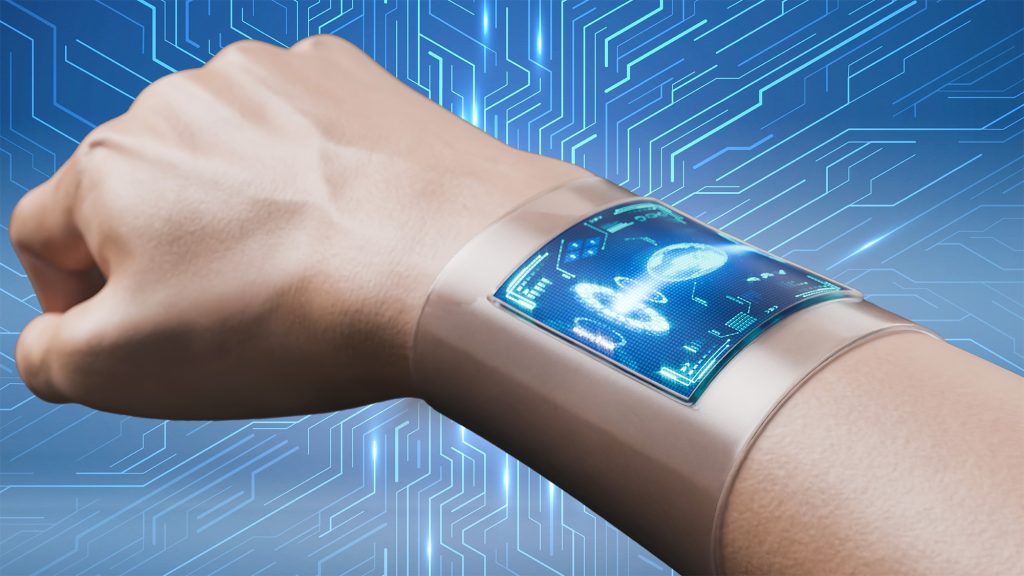
Have you ever wondered if your own body could power the devices you wear every day? Imagine never having to plug in your smartwatch, fitness tracker, or earbuds again.
What if your movements, body heat, or even your heartbeat could keep your wearable technology charged all day long? This idea isn’t just science fiction—it’s a fascinating possibility that could change the way you use gadgets forever. Keep reading to discover how humans might become the ultimate power source for wearable tech and what that means for your daily life.
Credit: www.tomsguide.com
Current Charging Methods
Charging wearable technology is essential to keep your devices functional throughout the day. Understanding the current charging methods helps you choose the best way to power your gadgets efficiently. Let’s look at how wearables get their energy and what limitations exist with today’s options.
Wired Charging
Wired charging remains the most common method for powering wearables. You usually connect your device to a charger using a USB cable or a proprietary connector. This method is straightforward and often faster than wireless options.
However, carrying cables can be inconvenient, especially when you’re on the move. Have you ever found yourself searching for the right cable just when your smartwatch’s battery is low? That’s a frustration many users face daily.
Wireless Charging
Wireless charging uses electromagnetic fields to transfer energy without any cables. This method adds convenience by letting you place your device on a charging pad or dock. It reduces wear and tear on charging ports and cables.
Still, wireless charging is slower and requires precise alignment to work efficiently. Imagine placing your fitness tracker on a pad and waking up to find it only partially charged. That’s a common issue users experience with this technology.
Battery Limitations
Wearable devices have small batteries due to their size and design constraints. This limits how much power they can store and how long they can last between charges. You might notice your device needs daily charging, which can be annoying.
Battery technology hasn’t advanced enough to allow for days or weeks of continuous use without a recharge. Would you prefer longer battery life even if it means a slightly bulkier device? This trade-off is something manufacturers and users constantly balance.

Credit: www.otandp.com
Challenges In Wearable Charging
Charging wearable technology presents unique challenges that differ significantly from those of larger devices like smartphones or laptops. The small form factor of wearables limits how much battery can fit inside, while users expect these devices to be lightweight and easy to use. Balancing these demands often means making tough choices between battery life, size, and convenience.
Size And Portability Constraints
Your wearable device needs to be small and light enough to wear comfortably all day. This limits the size of the battery and charging components that can be included. Bulky charging ports or large batteries defeat the purpose of wearables designed for seamless use.
Think about your own smartwatch or fitness tracker. If the charging process feels cumbersome or the device becomes heavy, you’re less likely to wear it consistently. Designers must find ways to embed charging solutions without adding bulk.
Power Efficiency Issues
Wearables often have small batteries that drain quickly due to constant sensors, displays, and wireless connections. Efficient power use is critical but challenging because these features consume energy continuously.
Improving power efficiency involves both hardware and software optimizations. Have you noticed your fitness tracker’s battery dying faster after a software update? Even small changes can impact how long your device lasts between charges.
User Convenience
Charging wearables should fit smoothly into your daily routine. If the process requires special cables, long charging times, or frequent interruptions, it reduces your willingness to use the device.
Wireless charging pads and magnetic connectors improve convenience, but they must be reliable and easy to use. Ask yourself: does the current charging method for your wearable feel natural or like a hassle?
Human-powered Energy Sources
Human-powered energy sources tap into the natural movements and biological functions of your body to generate power. This approach can make charging wearable technology more sustainable and convenient. Imagine your smartwatch or fitness tracker gaining energy simply as you move, or even from the heat your body emits throughout the day.
Kinetic Energy Harvesting
Kinetic energy harvesting captures the energy created by your body’s motion, such as walking, running, or even typing. Tiny generators embedded in wearable devices convert this movement into electrical energy. You might notice your steps powering your fitness tracker without ever needing to plug it in.
Think about how much energy you produce daily just by moving. Could your wearable turn that energy into a steady power source? This technology is already used in some self-winding watches, showing its real-world potential.
Thermoelectric Generation
Thermoelectric generators use the heat difference between your skin and the surrounding air to create electricity. Your body’s natural warmth becomes a power source that can keep your devices charged. Even in cool environments, this temperature gap is enough to produce a small but continuous current.
Have you ever felt your watch or band warm against your skin? That warmth can be more than comfort—it can be energy. This method works quietly and efficiently without requiring you to change your habits.
Bioelectric Energy
Bioelectric energy harvesting involves capturing electrical signals from your body, such as those from muscles or nerve impulses. These signals can potentially power low-energy wearable sensors and devices. Although still in early stages, this technology could turn your own biological signals into a reliable energy source.
Imagine your wearable charging itself through your muscle movements during workouts or daily activities. This approach blurs the line between your body and technology, offering new ways to stay connected without frequent recharging.

Credit: www.youtube.com
Innovative Charging Technologies
Innovative charging technologies are transforming how wearable devices get power. These new methods aim to reduce the need for frequent plug-in charging. Some use natural energy sources or wireless power transfer. These advances make wearables more convenient and user-friendly. Here are some exciting technologies leading this change.
Energy Harvesting Fabrics
Energy harvesting fabrics convert body movements into electrical energy. Tiny sensors in the fabric capture kinetic energy from walking or stretching. This energy can power small wearable devices like fitness trackers. The fabric feels normal but works as a power source. It offers a constant, silent way to recharge wearables throughout the day.
Solar-powered Wearables
Solar-powered wearables use small solar cells embedded in the device or clothing. These cells absorb sunlight and convert it into electricity. This method works best outdoors or in bright indoor lighting. It extends battery life and reduces the need for charging cables. Solar cells are lightweight and flexible, fitting well with wearable designs.
Inductive And Resonant Charging
Inductive charging uses magnetic fields to transfer energy wirelessly. A charging pad creates a magnetic field that a wearable device’s coil captures. Resonant charging works similarly but can transfer energy over longer distances. Both methods allow easy, cable-free charging. Users can simply place or bring their wearables near a charger to power up.
Health And Safety Considerations
Charging wearable technology directly on your body raises important health and safety questions. Understanding these risks helps you protect your skin and overall well-being while enjoying the convenience of wearable devices.
Impact On Skin And Body
Wearing charging devices against your skin for extended periods can cause irritation or discomfort. Sweat and friction may worsen these effects, leading to redness or even small rashes.
Some users report warmth or mild burning sensations during wireless charging sessions. If you experience this, it’s a clear sign to pause and check your device’s placement.
Have you noticed any unusual marks after charging your wearable? Keeping your skin clean and dry before charging can reduce the chance of irritation.
Radiation And Exposure Risks
Wearables use low-power electromagnetic fields to charge wirelessly. While these levels are generally considered safe, prolonged exposure near sensitive areas like your wrist or chest deserves attention.
Studies show that typical wireless charging emits radiation well below harmful limits, but staying informed helps you make better choices.
- Try to limit charging sessions directly on your skin to shorter periods.
- Use a protective barrier, like a thin cloth, between your skin and the charger.
- Keep devices updated, as manufacturers often improve safety features through firmware updates.
Would you change your habits if small risks were involved? Balancing convenience and caution ensures you get the most from your wearable tech without compromising your health.
Future Trends And Possibilities
The future of charging wearable technology holds exciting possibilities. Advances aim to make power sources smaller, smarter, and more efficient. Wearables may soon draw energy from everyday human activities. This shift could reduce the need for traditional charging methods.
New materials and smart designs will play key roles. Energy management will become more adaptive and personalized. The integration of wearables with clothing and AI will change how we power devices.
Integration With Smart Textiles
Smart textiles embed sensors and circuits into fabric. These fabrics can capture energy from body heat and movement. This energy can directly charge wearable devices sewn into clothes.
Imagine shirts or wristbands that never need plugging in. Smart textiles offer comfort and continuous power. They open doors to seamless wearable charging without extra gear.
Continuous Power Supply Concepts
Continuous power supply aims to keep wearables always active. Technologies like kinetic energy harvesters and thermoelectric generators are key. They convert walking, running, or body heat into electricity.
Energy storage improvements will help store power efficiently. Small batteries and supercapacitors will hold charge longer. This ensures wearables work all day without interruptions.
Role Of Ai In Energy Management
AI can optimize how wearables use and save energy. It learns user habits to predict when and how to charge devices. AI adjusts power use for better battery life and comfort.
Smart algorithms balance performance and energy needs. They reduce waste and extend the time between charges. AI makes wearable technology more user-friendly and reliable.
Frequently Asked Questions
Can Humans Generate Power To Charge Wearables?
Humans can generate small amounts of energy through movement. This energy can partially charge wearable devices, but it’s limited and inefficient for full charging.
How Does Body Heat Charge Wearable Technology?
Body heat can be converted into electrical energy using thermoelectric generators. This method offers a low but continuous power source for some wearables.
Is Kinetic Energy Enough To Power Wearables?
Kinetic energy from walking or motion can power wearables. However, it usually supplements battery life rather than fully replacing traditional charging.
What Wearable Devices Use Human Energy For Charging?
Some fitness trackers and smartwatches use solar cells or kinetic energy harvesters. These devices extend battery life but still need occasional external charging.
Conclusion
Charging wearable technology using the human body is an exciting idea. Small movements and body heat could power devices someday. Science is still exploring how to make this practical. For now, batteries remain the main energy source. New research may bring better ways to charge wearables soon.
This could lead to more freedom and less need for plugs. People want devices that last longer and work anytime. The future of wearable tech charging looks promising and worth watching.


