How Often Should You Perform Maintenance on Exhaust System: Essential Tips
Your vehicle’s exhaust system plays a crucial role in keeping your car running smoothly and safely. But how often should you perform maintenance on it?
Ignoring this can lead to costly repairs, poor fuel efficiency, and even dangerous emissions. If you want to protect your investment and ensure your car stays in top shape, understanding the right maintenance schedule is key. Keep reading to discover exactly when and why you should check your exhaust system to avoid unexpected problems down the road.
Signs Of Exhaust System Issues
Recognizing signs of exhaust system problems helps prevent costly repairs. Early detection keeps your vehicle safe and efficient. The exhaust system controls harmful gases and noise from your engine.
Ignoring warning signs can cause engine damage or higher emissions. Pay attention to changes in sound, smell, or fuel use. Visual checks also reveal rust or damage. Knowing these signs guides timely maintenance and repairs.
Unusual Noises
Strange sounds often signal exhaust issues. Listen for loud rumbling or hissing noises under your car. These sounds indicate leaks or holes in the exhaust system. A rattling noise can mean loose or broken parts. Promptly addressing noises avoids bigger problems.
Decreased Fuel Efficiency
Low fuel economy may result from exhaust troubles. A damaged exhaust affects engine performance and burns more fuel. Notice if your vehicle needs more gas to travel the same distance. Fixing exhaust issues can restore normal fuel use and save money.
Visible Rust And Damage
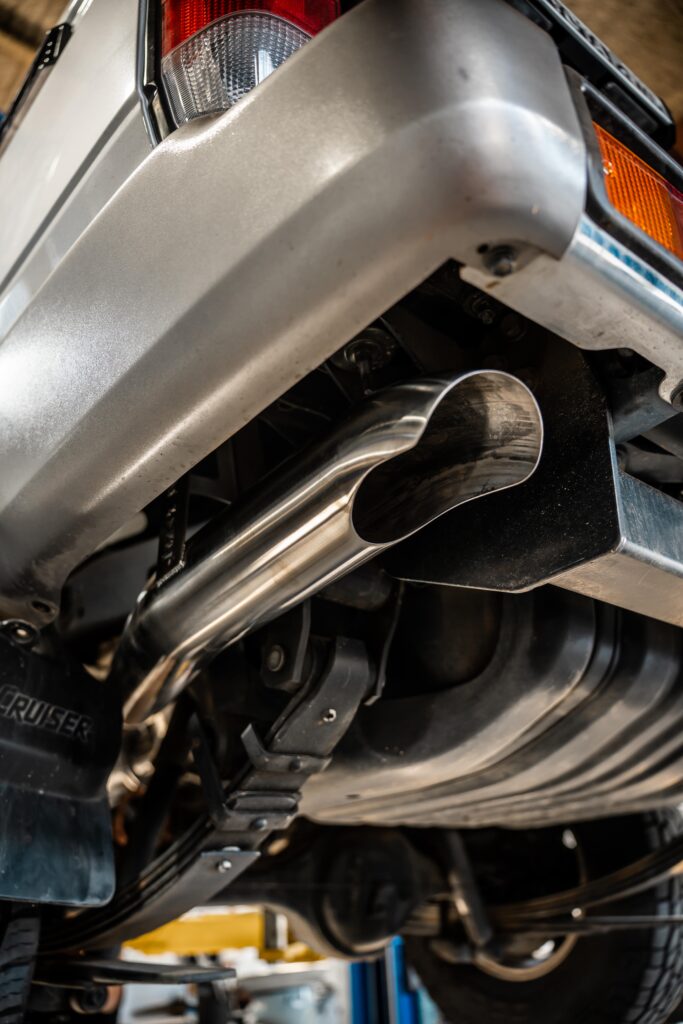
Rust and physical damage are clear warning signs. Check the exhaust pipes and muffler for rust spots or cracks. Corrosion weakens the system and causes leaks. Damage from road debris or impacts also harms the exhaust. Replace or repair damaged parts quickly.
Strong Exhaust Smell
A strong exhaust odor inside or around the car is dangerous. It may mean leaks letting harmful gases enter the cabin. Carbon monoxide exposure can cause headaches or dizziness. Never ignore strong exhaust smells. Have the system inspected immediately.
Credit: www.justdieselperformance.com.au
Recommended Maintenance Intervals
Knowing the right time to maintain your exhaust system helps avoid costly repairs. Regular checks keep your vehicle running clean and smooth. Maintenance intervals depend on various factors, but following set guidelines ensures better performance and safety.
Manufacturer Guidelines
Vehicle makers provide specific maintenance schedules for exhaust systems. These guidelines appear in your owner’s manual. Usually, inspections happen every 30,000 to 50,000 miles. Following these schedules helps detect problems early. It also ensures your car meets emission standards.
Factors Influencing Frequency
Not all cars need the same maintenance interval. Age, model, and exhaust type affect how often checks are needed. Older vehicles often require more frequent inspections. Rust-prone areas or rough roads can speed up wear and tear. Regularly check for visible damage or strange noises.
Impact Of Driving Conditions
Driving style and environment impact exhaust system health. Short trips may cause moisture buildup and corrosion. City driving with frequent stops stresses exhaust parts more. Harsh weather like snow or salt on roads increases rust risk. Long highway drives usually cause less damage.
Routine Exhaust System Checks
Routine exhaust system checks are essential to keep your vehicle running smoothly and safely. Regular inspections help catch small problems before they turn into costly repairs or dangerous situations. You don’t need to be a mechanic to perform some basic checks that can extend the life of your exhaust system.
Visual Inspections
Look under your vehicle and along the exhaust pipes for any signs of rust, cracks, or holes. Pay close attention to the muffler and catalytic converter areas, where damage often starts. Even a small rust spot can quickly grow into a major issue if left unchecked.
Don’t forget to check for unusual colors on the pipes, like blue or black soot, which can indicate overheating or leaks. If you spot anything odd, it’s time to dig deeper or get professional help. A quick visual inspection every few months can save you from unexpected breakdowns.
Leak Detection
Leaks in your exhaust system can affect engine performance and increase harmful emissions. One simple way to detect leaks is by listening for unusual noises—hissing, popping, or loud roaring sounds often signal a leak. Have you ever noticed a sudden change in your vehicle’s sound? That’s a clue.
You can also feel for leaks by carefully running your hand near exhaust joints (without touching hot parts). If you feel escaping air or smell exhaust fumes inside the cabin, act quickly. Exhaust leaks are not just a performance issue—they’re a health risk.
Checking Mounting Components
Exhaust pipes and mufflers are held in place by hangers and clamps that can wear out or break over time. Inspect these mounting parts for any signs of corrosion or looseness. If your exhaust system is rattling or hanging lower than usual, the mounts might be failing.
Replacing worn mounting components is usually a simple and inexpensive fix. It prevents further damage caused by excessive movement or vibrations. When was the last time you checked the stability of your exhaust system?

Credit: www.whocanfixmycar.com
Cleaning And Repairs
Cleaning and repairs are essential to keep your exhaust system working smoothly and safely. Neglecting this can lead to poor engine performance, increased emissions, and costly repairs down the line. Regular attention to these tasks helps you spot small problems before they become big headaches.
Removing Debris And Rust
Debris like leaves, mud, or road salt can clog parts of your exhaust system, especially around the muffler and pipes. Use a soft brush or a cloth to clear these out regularly. Rust is another common enemy; if you notice flaky or discolored metal, it’s time to clean it off with a wire brush.
After cleaning, apply a rust-resistant spray to protect the metal. If you live in a humid or coastal area, make this a monthly habit. Have you checked under your car lately to see if rust is starting to eat away at your exhaust?
Fixing Minor Damages
Small cracks, holes, or loose connections can cause loud noises and reduce your car’s efficiency. Use exhaust repair tape or patch kits for quick fixes on minor holes. Tighten any loose clamps or bolts you find to prevent parts from rattling or falling off.
Sometimes, these small repairs can extend your exhaust system’s life by months or even years. Don’t wait for the noise to become unbearable before acting. What’s the last minor repair you made that saved you a bigger expense?
When To Replace Parts
Not all damage can be fixed with patches or cleaning. If you notice large holes, severe rust, or parts that are bent out of shape, replacement might be necessary. Exhaust pipes and mufflers typically last between 5 to 7 years, but harsh driving conditions can shorten that span.
Replace parts if you experience persistent loud noises, reduced fuel efficiency, or failed emission tests. Keep an eye on the hangers and gaskets too—they wear out and can cause parts to sag or leak. How often do you inspect these components during your regular car checks?
Professional Maintenance Services
Professional maintenance services are key to keeping your exhaust system running smoothly. While DIY checks can catch some issues, experts bring a depth of knowledge and specialized tools that make a real difference. Their inspections can uncover problems before they turn into costly repairs or safety hazards.
Benefits Of Expert Inspections
Expert inspections go beyond a simple look-over. Technicians spot early signs of corrosion, leaks, or blockages that you might miss. They ensure your exhaust system meets emission standards, which can save you from fines and help the environment.
Regular professional checkups also extend your vehicle’s life. They improve fuel efficiency and performance by keeping the exhaust flowing properly. Have you ever noticed your car sounding louder or running rough? That’s often a sign you need an expert’s eye.
Diagnostic Tools Used
Professionals use advanced diagnostic tools to assess your exhaust system accurately. Devices like smoke machines help detect leaks that aren’t visible to the naked eye. Electronic analyzers measure emissions to ensure your vehicle is within legal limits.
These tools also check sensors and the catalytic converter’s condition. Without them, some problems remain hidden until they cause bigger issues. Think about how much time and money you could save by spotting trouble early.
Scheduling Regular Service
How often should you schedule these professional services? It depends on your vehicle and driving habits, but a good rule is once a year or every 12,000 miles. If you drive in harsh conditions or notice performance changes, don’t wait—book a checkup sooner.
Setting reminders for regular inspections helps keep your exhaust system in top shape. Many service centers offer packages that combine exhaust checks with other maintenance tasks, saving you time and effort. Are you keeping track of your vehicle’s service schedule?
Tips For Extending Exhaust System Life
Keeping your exhaust system in good shape helps your vehicle run smoothly. Simple care steps can make your exhaust last longer. Focus on habits and protection to reduce wear and tear. Follow these tips to protect your exhaust system and save on repairs.
Driving Habits To Avoid
Aggressive driving wears out the exhaust faster. Avoid rapid acceleration and heavy braking. Stop sudden stops and fast starts. Short trips do not allow the exhaust to heat fully. This can cause moisture buildup and rust. Try to combine errands to drive longer distances.
Using Quality Fuel
Low-quality fuel can harm your exhaust system. It may cause deposits and clogging. Choose fuel from trusted stations. Quality fuel burns cleaner and reduces harmful residue. This keeps your exhaust cleaner and working well.
Protecting Against Corrosion
Rust and corrosion damage exhaust pipes quickly. Wash your vehicle regularly, especially the undercarriage. Remove salt and dirt that cause rust. Park in dry places to avoid moisture buildup. Use rust-resistant sprays or coatings for extra protection.

Credit: www.fcmuffler.com
Frequently Asked Questions
How Often Should I Inspect My Exhaust System?
Inspect your exhaust system every 12,000 miles or once a year. Regular checks prevent leaks and rust damage, ensuring optimal performance and safety.
What Signs Indicate Exhaust System Maintenance Is Needed?
Look for loud noises, reduced fuel efficiency, or unusual smells. These signs suggest leaks or damage that require immediate attention to avoid costly repairs.
Can Neglecting Exhaust Maintenance Affect Engine Performance?
Yes, a faulty exhaust can reduce engine power and fuel economy. Timely maintenance keeps emissions low and your vehicle running efficiently.
Is Professional Exhaust System Maintenance Necessary?
Professional maintenance ensures accurate diagnosis and proper repairs. Experts use specialized tools to detect hidden issues that DIY checks might miss.
Conclusion
Regular exhaust system checks keep your vehicle safe and efficient. Ignoring maintenance can cause costly damage and poor engine performance. Aim to inspect your exhaust every 12,000 to 15,000 miles or once a year. Listen for unusual noises or smells that signal issues.
Simple checks save money and extend your car’s life. Stay alert and keep your exhaust system in top shape. It’s a small effort with big benefits.