What is Industrial Maintenance Technology: A Complete Guide
Are you curious about how factories and machines keep running smoothly without constant breakdowns? Understanding Industrial Maintenance Technology could be the key to unlocking that mystery.
This field plays a crucial role in making sure equipment works efficiently and safely, saving companies time and money. If you want to know what Industrial Maintenance Technology is and why it matters to you—whether you’re thinking about a career or just want to grasp how the industrial world operates—this article will guide you through everything you need to know.
Keep reading to discover how this technology impacts your everyday life and the future of industries everywhere.
Industrial Maintenance Technology Basics
Understanding the basics of Industrial Maintenance Technology is essential for anyone involved in managing or repairing industrial equipment. This field focuses on keeping machines and systems running smoothly, reducing downtime, and ensuring safety. Knowing the fundamentals helps you anticipate problems and maintain efficiency in your workplace.
Key Concepts
At its core, Industrial Maintenance Technology revolves around diagnosing, repairing, and maintaining machinery. It combines mechanical, electrical, and computerized systems knowledge.
Think about the last time you encountered a machine breakdown. Did you know that proper troubleshooting could have prevented hours of lost production? That’s why understanding how systems interact is crucial.
Some important ideas include:
- Preventive Maintenance:Scheduled tasks to avoid failures.
- Predictive Maintenance:Using data and sensors to predict issues.
- Corrective Maintenance:Fixing problems after they occur.
Core Components
The equipment you work with often includes motors, pumps, conveyors, and control panels. These parts require different skills to service effectively.
Electrical components like sensors and wiring demand attention to detail and safety precautions.
Mechanical parts, such as gears and bearings, need lubrication and alignment checks regularly.
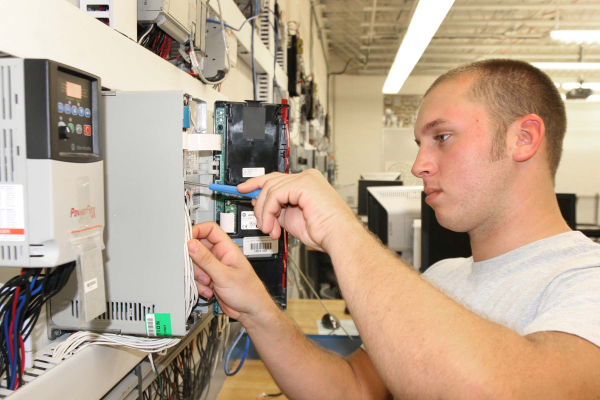
Control systems, including PLCs (Programmable Logic Controllers), add a digital layer that you must understand to troubleshoot complex issues.
Types Of Maintenance
Maintenance isn’t one-size-fits-all. You must choose the right approach based on the situation and equipment condition.
- Preventive Maintenance:Routine tasks like cleaning, lubricating, and inspecting to prevent failure.
- Predictive Maintenance:Using tools like vibration analysis or thermal imaging to detect early signs of wear.
- Corrective Maintenance:Repairing or replacing parts after a breakdown occurs.
- Reactive Maintenance:A more urgent response when unexpected failures happen, often costly and disruptive.
Which type do you rely on most in your work environment? Balancing these methods can save you time and money while keeping machinery reliable.

Credit: www.supplychainbrain.com
Tools And Equipment
Industrial maintenance technology relies heavily on various tools and equipment. These tools help maintain, repair, and improve machinery in factories. Using the right tools ensures machines work safely and efficiently. Each category of tools plays a unique role in maintenance tasks. Below are the main types of tools used in this field.
Hand Tools
Hand tools are essential for many maintenance jobs. They include wrenches, screwdrivers, pliers, and hammers. These tools allow workers to tighten, loosen, cut, and shape parts manually. Hand tools are simple but very effective for small repairs and adjustments. They are easy to carry and use in tight spaces.
Power Tools
Power tools make maintenance faster and less tiring. Common power tools include drills, grinders, and impact wrenches. These tools use electricity or batteries for extra force. Power tools help workers handle heavy-duty tasks with less effort. They improve accuracy and speed during repairs and installations.
Diagnostic Devices
Diagnostic devices help find problems in machines early. Tools like multimeters, thermal cameras, and vibration analyzers check machine conditions. These devices detect electrical issues, overheating, and abnormal vibrations. Early problem detection prevents costly breakdowns. Diagnostic tools guide technicians to fix machines correctly and quickly.
Maintenance Procedures
Maintenance procedures are essential for keeping industrial equipment running smoothly. They prevent breakdowns and extend the life of machines. These procedures help reduce costs by avoiding unexpected failures and downtime. Industrial Maintenance Technology uses different types of maintenance methods. Each method has a specific purpose and approach to handling equipment care.
Preventive Maintenance
Preventive maintenance involves regular checks and servicing of equipment. Tasks are scheduled based on time or usage. This method aims to catch problems early. It includes cleaning, lubrication, adjustments, and parts replacement. Preventive maintenance reduces the chance of sudden equipment failures. It helps keep production lines stable and efficient.
Predictive Maintenance
Predictive maintenance uses data and sensors to monitor equipment condition. It predicts when a machine might fail. This method focuses on real-time monitoring and analysis. Techniques include vibration analysis, temperature checks, and oil testing. Predictive maintenance allows maintenance teams to act only when needed. It saves time and resources by preventing unnecessary work.
Corrective Maintenance
Corrective maintenance happens after a machine breaks down or shows signs of failure. The goal is to fix the problem quickly and restore operation. This method often requires troubleshooting to find the root cause. Repairs or part replacements are done to bring equipment back to normal. Corrective maintenance can be costly and cause downtime if not managed well.
Skills Required
To excel in Industrial Maintenance Technology, you need a unique blend of skills. These skills help you keep machinery running smoothly and prevent costly downtime. Understanding what abilities are essential can guide you in building a successful career in this field.
Technical Skills
Technical skills form the foundation of industrial maintenance work. You must be comfortable with electrical systems, mechanical components, and computer controls. Skills like reading blueprints, using diagnostic tools, and performing routine inspections are crucial.
Imagine troubleshooting a conveyor belt that suddenly stops—knowing how to check motors, sensors, and wiring quickly saves valuable time. Are you ready to handle both traditional machinery and modern automated systems?
Problem-solving Abilities
Every day brings new challenges that require quick thinking and creativity. You need to identify the root cause of a malfunction and decide on the best fix without delay. This skill reduces downtime and improves overall efficiency.
Think about a machine overheating during peak production. Can you pinpoint the issue before it escalates? Your ability to analyze problems and apply practical solutions sets you apart in this field.
Safety Practices
Safety is non-negotiable in industrial maintenance. You must follow strict guidelines to protect yourself and your coworkers. Knowing how to handle hazardous materials and operate tools safely is essential.
Have you ever witnessed a small safety oversight lead to a serious accident? Adhering to safety protocols isn’t just about rules—it’s about preventing harm and maintaining a productive workplace.
Training And Certification
Training and certification play a key role in industrial maintenance technology. They prepare workers with skills needed to keep machines and systems running smoothly. Proper training ensures safety and efficiency in the workplace. Certification shows employers that workers meet industry standards.
Educational Programs
Many schools offer programs in industrial maintenance technology. These include community colleges, technical schools, and online courses. Students learn about electrical systems, hydraulics, and mechanical repairs. Programs often combine classroom lessons with hands-on practice. This helps build a strong foundation for real-world jobs.
Industry Certifications
Certifications prove a worker’s knowledge and skills. Common ones include Certified Maintenance & Reliability Technician (CMRT) and Industrial Maintenance Technician (IMT). These certifications require passing exams and sometimes work experience. They improve job chances and show commitment to the field.
On-the-job Training
Hands-on experience is vital in industrial maintenance technology. New workers often learn under the guidance of experienced technicians. This training helps them understand real equipment and tools. On-the-job training develops problem-solving skills and builds confidence.

Credit: www.ishn.com
Technology Trends
Technology trends shape the field of industrial maintenance technology. They improve how machines are monitored and repaired. These trends help reduce downtime and lower costs.
New tools and systems make maintenance faster and more accurate. Workers use smart devices and software to track equipment health. This ensures machines run smoothly and safely.
Automation And Robotics
Automation uses machines to perform tasks without human help. Robots handle dangerous or repetitive jobs in factories. They improve precision and speed in maintenance work.
Robots inspect equipment and fix small issues quickly. Automated systems can schedule repairs before failures happen. This helps keep production lines running without stops.
Iot In Maintenance
The Internet of Things (IoT) connects machines to the internet. Sensors on equipment collect data in real time. This data shows the machine’s condition and performance.
IoT helps detect problems early. Alerts notify technicians before serious damage occurs. It also allows remote monitoring from anywhere, saving time and travel costs.
Data Analytics
Data analytics studies the information gathered from machines. It finds patterns and trends that humans might miss. This knowledge predicts when maintenance is needed.
Using analytics, companies plan repairs better. They avoid costly breakdowns and improve machine life. Data-driven decisions lead to smarter maintenance schedules.
Career Opportunities
Choosing a career in Industrial Maintenance Technology opens doors to a world of practical and rewarding opportunities. This field blends hands-on skills with technical knowledge, allowing you to solve real problems in various industries every day. If you enjoy fixing machinery and optimizing systems, your career path here will always keep you engaged and in demand.
Job Roles
In Industrial Maintenance Technology, your job title could vary widely based on your skills and interests. Common roles include:
- Maintenance Technician:Responsible for routine inspections and repairs to keep equipment running smoothly.
- Industrial Electrician:Focuses on electrical systems, wiring, and troubleshooting electrical faults.
- Mechanical Technician:Works with mechanical parts, ensuring machines operate efficiently.
- Automation Specialist:Handles programmable logic controllers (PLCs) and automated machinery.
Each role demands a blend of technical expertise and problem-solving ability, making your work both challenging and satisfying.
Industry Sectors
Industrial Maintenance Technologists find work across many industries, giving you options to choose what fits your interests best.
- Manufacturing:From automotive to electronics, factories rely heavily on maintenance experts to prevent downtime.
- Energy and Utilities:Power plants and water treatment facilities need skilled workers to keep operations safe and efficient.
- Food and Beverage:Ensuring machinery meets hygiene and safety standards is crucial here.
- Transportation:Maintenance of vehicles and infrastructure keeps goods and people moving.
Where do you see yourself working? The diversity means you can find a sector that aligns with your passions and skills.
Salary Expectations
Your earning potential in Industrial Maintenance Technology depends on experience, location, and the industry you choose. Entry-level technicians typically start with competitive wages, often higher than average starting salaries in many trades.
| Position | Average Annual Salary (USD) |
|---|---|
| Maintenance Technician | $40,000 – $55,000 |
| Industrial Electrician | $50,000 – $70,000 |
| Automation Specialist | $60,000 – $85,000 |
As you gain certifications and experience, your salary can grow significantly. How much are you willing to invest in your skills to boost your earning potential?
-resized-600.jpg?width=400&height=266&name=electronics_tech_img_9279_(2)-resized-600.jpg)
Credit: hub.hindscc.edu
Frequently Asked Questions
What Is Industrial Maintenance Technology?
Industrial Maintenance Technology involves maintaining and repairing machinery in factories. It ensures equipment runs efficiently, reducing downtime and increasing productivity.
Why Is Industrial Maintenance Technology Important?
It prevents costly machine failures and production halts. Proper maintenance improves safety, extends equipment life, and saves money in manufacturing industries.
What Skills Are Needed For Industrial Maintenance Technology?
Key skills include mechanical, electrical, and troubleshooting abilities. Knowledge of automation, hydraulics, and computer systems is essential for effective maintenance.
How Does Industrial Maintenance Technology Impact Manufacturing?
It boosts operational efficiency by minimizing breakdowns. Timely maintenance enhances product quality and ensures smooth factory workflow.
Conclusion
Industrial Maintenance Technology keeps machines working well. It helps avoid breakdowns and saves money. Skilled workers use tools to fix and maintain equipment. This field supports many industries and jobs. Learning these skills can lead to steady work. Understanding basic technology makes tasks easier.
It plays a key role in safety and efficiency. Staying updated with new tools is important. Industrial Maintenance Technology is a smart career choice for many. It blends hands-on work with technical knowledge. Simple but vital for factories and plants.