
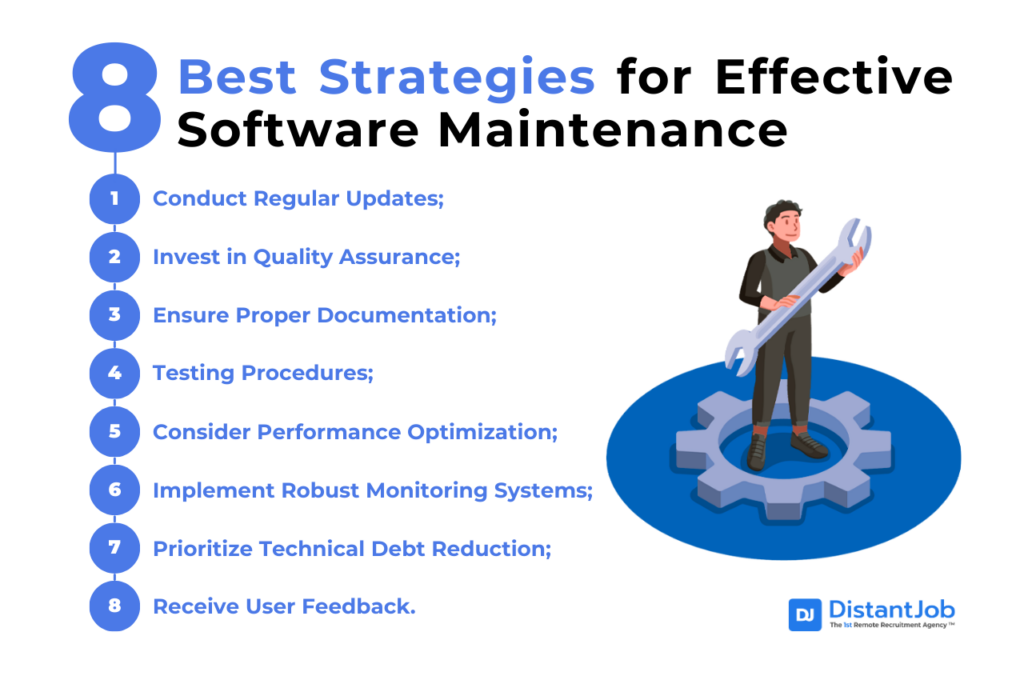
Have you ever wondered how some systems stay reliable and easy to fix, while others seem to break down more often and take forever to repair? The secret lies in a specific maintenance activity designed just for that—boosting the system’s maintainability.
Understanding which maintenance activity does this can save you time, reduce costs, and keep your system running smoothly. You’ll discover exactly what that activity is and how it can transform the way you manage your systems. Keep reading to unlock the key to easier, faster, and more effective maintenance.
Types Of Maintenance Activities
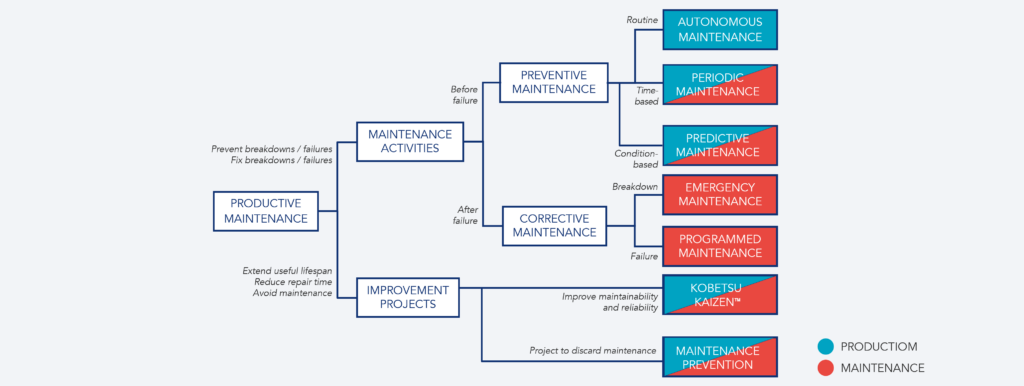
Maintenance activities play a crucial role in keeping systems reliable, efficient, and easy to manage. Understanding the different types helps you choose the right approach to boost your system’s maintainability. Each type has its unique focus and benefits, impacting how smoothly your operations run.
Corrective Maintenance
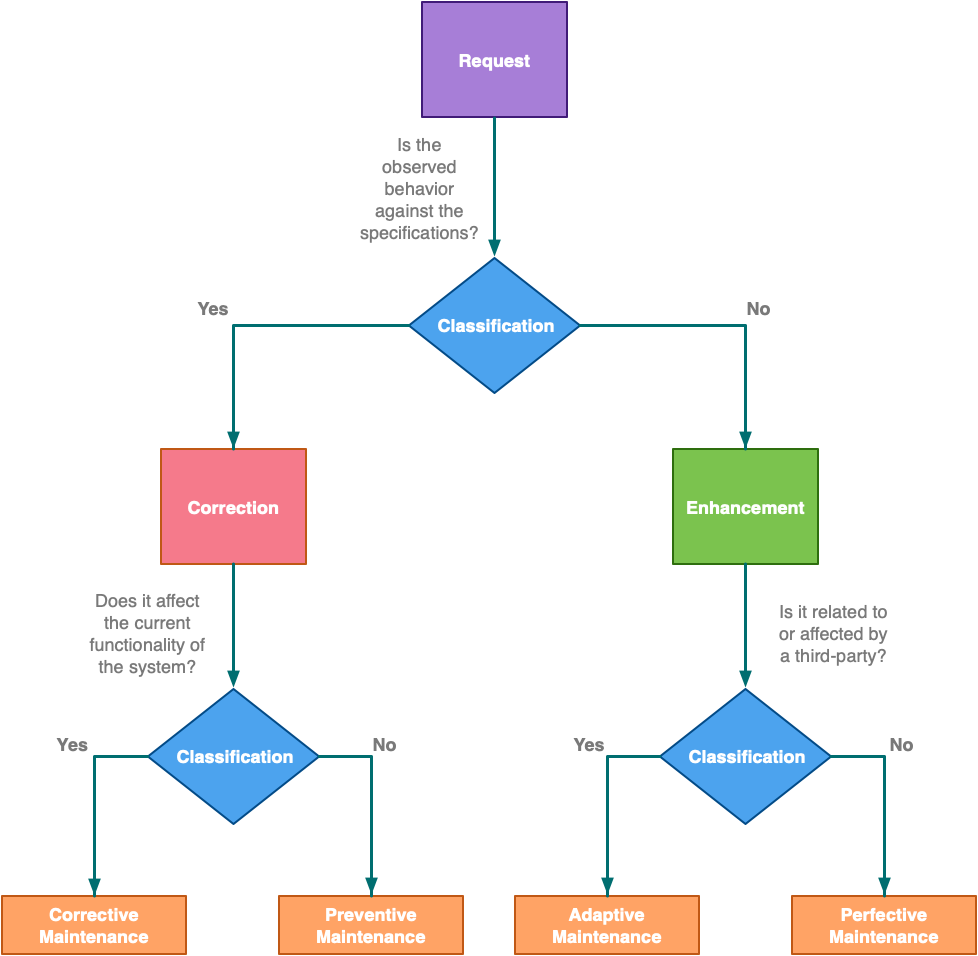
This type involves fixing problems after they occur. When a system breaks down or malfunctions, corrective maintenance gets it back to normal. It’s reactive but necessary to prevent downtime from stretching out.
Imagine you’re running a website, and suddenly, a key feature stops working. Corrective maintenance is the immediate action to repair that feature so users aren’t affected for long. But relying solely on this can increase stress and costs over time.
Preventive Maintenance
Preventive maintenance is all about stopping problems before they start. It includes regular checks, updates, and replacements based on schedules or usage patterns. This approach reduces unexpected failures and keeps your system in good shape.
Think about changing your car’s oil regularly to avoid engine trouble. Similarly, routine system scans and updates can catch small issues early, saving you from bigger headaches later. How often do you review your system’s health to avoid surprises?
Adaptive Maintenance
Systems often need changes to stay compatible with evolving environments. Adaptive maintenance updates your system to meet new hardware, software, or business requirements. It keeps your system relevant and functioning smoothly as conditions change.
If your business switches to a new operating system or software platform, adaptive maintenance ensures your existing system still works well. Ignoring this can cause performance drops or incompatibility, which hurts your productivity.
Perfective Maintenance
Perfective maintenance focuses on improving system performance and usability. It’s about refining features, enhancing user experience, and adding new capabilities. This type directly contributes to maintainability by making the system easier to manage and use.
For example, updating your app’s interface to be more intuitive or speeding up response times makes it more maintainable. Have you considered how small improvements can reduce future maintenance effort and boost user satisfaction?
Defining System Maintainability
System maintainability refers to how easily a system can be kept in good working order. It measures the effort needed for repairs, updates, and improvements. High maintainability means the system can be fixed or improved quickly and with less cost. This quality is vital for long-term system performance and user satisfaction. Understanding maintainability helps in planning maintenance activities that keep the system reliable and efficient.
Key Factors Influencing Maintainability
- Design Simplicity:Simple designs are easier to understand and fix.
- Modularity:Systems made of independent parts are easier to update.
- Documentation:Clear manuals help technicians perform maintenance correctly.
- Accessibility:Easy access to components reduces repair time.
- Standardization:Using common parts and procedures simplifies maintenance.
Impact On System Lifecycle
Good maintainability extends the system’s useful life. It lowers downtime by speeding up repairs. Maintenance costs drop because fewer resources are needed. Systems with high maintainability can adapt to new requirements. This flexibility keeps systems relevant and valuable over time. Overall, maintainability supports smooth operation throughout the system’s lifecycle.
Maintenance Activities That Enhance Maintainability
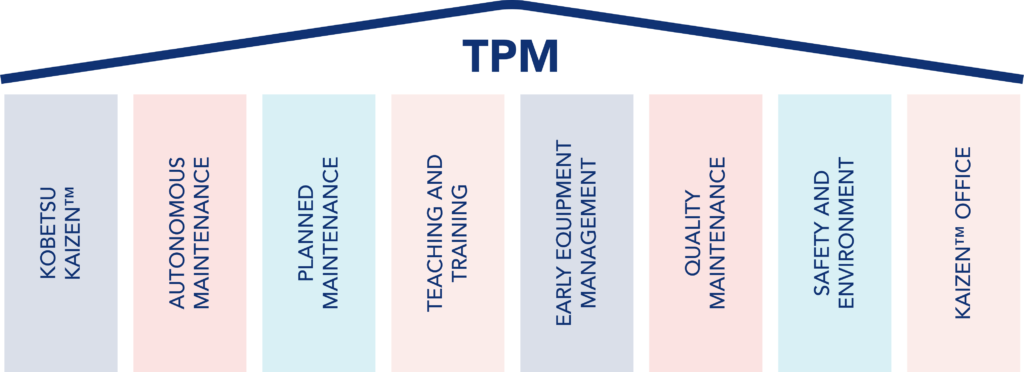
Maintenance activities play a key role in making a system easier to manage and update. These activities focus on improving the system’s structure and clarity. This leads to faster problem-solving and smoother future changes. Enhancing maintainability reduces costs and increases system lifespan.
Several maintenance tasks directly improve maintainability. They help keep the system clean, organized, and well-documented. These tasks also ensure the system adapts to new needs without major issues.
Role Of Perfective Maintenance
Perfective maintenance improves a system’s performance and features. It refines code and interfaces for better user experience. This maintenance type also removes unnecessary parts that complicate the system. Improving the system’s design makes future updates easier and faster. Perfective maintenance keeps the system relevant and simple to manage.
Importance Of Documentation Updates
Up-to-date documentation is vital for maintainability. It explains how the system works and its current state. Clear documentation helps new developers understand the system quickly. It reduces errors and speeds up troubleshooting. Regular updates ensure documentation matches the system’s latest changes.
Code Refactoring And Optimization
Refactoring cleans and restructures existing code without changing its function. This process removes code duplication and fixes poor design choices. Optimized code runs faster and uses fewer resources. Cleaner code is easier to read and maintain. Refactoring lowers the risk of bugs and simplifies future enhancements.
Credit: kaizen.com
Best Practices To Improve Maintainability
Improving system maintainability is key to reducing downtime and cutting long-term costs. You can make your system easier to update, fix, and expand by following some proven best practices. These approaches help you manage complexity and keep your system clean and organized.
Modular Design Principles
Breaking your system into small, independent modules makes maintenance simpler. Each module should handle a specific task, so changes in one part don’t affect others. This separation saves you time when debugging or upgrading because you can focus on just one piece without getting overwhelmed.
Think about how apps with modular design let you update features without crashing the whole system. How can you apply this idea to your own projects to avoid tangled code and reduce errors?
Standardizing Procedures
Using consistent processes and documentation ensures everyone follows the same steps when maintaining the system. Standardization minimizes confusion and helps new team members quickly understand how things work. It also speeds up troubleshooting since you know exactly where to look and what to expect.
Try creating checklists, templates, and clear guidelines for maintenance tasks. Have you noticed how much easier it is to fix issues when procedures are predictable?
Continuous Monitoring And Feedback
Keeping an eye on system performance and collecting user feedback helps you spot problems early. Regular monitoring allows you to act before small issues become big failures. Feedback from users reveals real-world challenges that may not show up in testing.
Set up alerts for unusual activity and encourage your team to share insights after maintenance. What patterns might you discover that could prevent future breakdowns?
Tools Supporting Maintainability Enhancement
Maintaining a system’s efficiency over time requires more than just reactive fixes. The right tools can actively boost maintainability, making your system easier to update, troubleshoot, and improve. Understanding these tools helps you take control of your system’s health and longevity.
Automated Testing Tools
Automated testing tools help you catch issues early by running predefined tests every time changes are made. This continuous feedback prevents small problems from becoming big headaches. When you use tools like Selenium or JUnit, you save time and increase confidence in your updates.
Have you ever experienced a bug slipping through because manual testing missed it? Automated tests reduce that risk by running consistently without fatigue or oversight.
Version Control Systems
Version control systems like Git or Subversion keep track of every change made to your system’s code or configurations. This makes it easy to revert back to previous versions if something breaks. They also encourage collaboration by allowing multiple people to work on the system without overwriting each other’s work.
Imagine trying to fix an error without knowing which change caused it. Version control gives you a clear history, so you always know what happened and when.
Maintenance Management Software
Maintenance management software organizes and schedules your system’s upkeep activities. Tools such as CMMS (Computerized Maintenance Management Systems) help track maintenance tasks, assign responsibilities, and document issues and resolutions.
Without such software, maintenance can become chaotic and inefficient. Have you ever missed a critical update because it wasn’t properly scheduled or tracked? This software keeps your maintenance organized and transparent.
Credit: kaizen.com
Credit: medium.com
Frequently Asked Questions
What Is System Maintainability In Maintenance Activities?
System maintainability refers to how easily and quickly a system can be restored or updated. It ensures minimal downtime and efficient repairs, enhancing overall system performance and lifespan.
Which Maintenance Activity Improves System Maintainability Most?
Preventive maintenance primarily improves system maintainability. It involves regular inspections and servicing to detect issues early, reducing failures and simplifying repairs.
How Does Corrective Maintenance Affect System Maintainability?
Corrective maintenance fixes faults after they occur. While necessary, it doesn’t directly improve maintainability but restores system function quickly to minimize downtime.
Why Is Predictive Maintenance Important For Maintainability?
Predictive maintenance uses data and monitoring to predict failures before they happen. This proactive approach enhances maintainability by preventing unexpected breakdowns and planning timely repairs.
Conclusion
Regular maintenance helps keep systems easy to fix and update. It reduces downtime and saves money over time. Simple checks and repairs improve system life and performance. Teams should schedule maintenance to avoid big problems later. Clear documentation and good design also boost maintainability.
Small efforts now lead to smoother operations in the future. Consistent care makes any system more reliable and easier to manage. The right maintenance keeps everything running without major issues.


