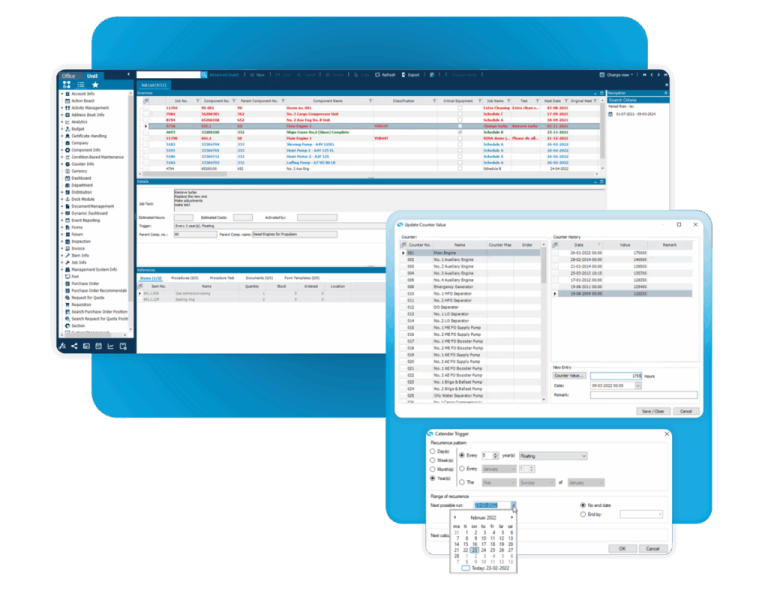
What is the Army Maintenance Management System: A Quick Guide
Have you ever wondered how the Army keeps its vehicles, equipment, and machinery running smoothly no matter where they are? The answer lies in the Army Maintenance Management System.
This system is crucial for making sure everything works when it matters most. If you want to understand how the Army stays ready and efficient, learning about this system is the key. Keep reading, and you’ll discover exactly what the Army Maintenance Management System is, how it works, and why it’s so important for mission success.
Army Maintenance Management System Basics
The Army Maintenance Management System (AMMS) is essential for keeping military equipment ready and reliable. Understanding its basics gives you a clear view of how the Army manages maintenance tasks efficiently. This system ensures that every piece of equipment is inspected, repaired, and maintained on time to support mission success.
Purpose And Goals
The main purpose of the AMMS is to maximize equipment availability while minimizing downtime. It helps you track maintenance schedules, identify issues early, and reduce costs by preventing major failures.
Think about how much smoother operations run when equipment is always ready. The system’s goals also include improving safety and extending the lifespan of valuable assets.
Are you aware of how much delayed maintenance can impact a mission? The AMMS ensures timely actions so such risks are minimized.
Key Components
The AMMS consists of several key parts that work together:
- Maintenance Scheduling:Organizes routine checks and repairs to keep everything on track.
- Work Order Management:Helps you create, assign, and complete repair tasks efficiently.
- Inventory Control:Tracks spare parts and tools needed for maintenance activities.
- Data Reporting:Collects maintenance records and performance data for analysis.
Each component plays a role in maintaining operational readiness. Imagine missing a critical part because of poor inventory tracking—AMMS prevents that from happening.
Maintenance Types
Understanding the different types of maintenance within the Army Maintenance Management System is crucial for keeping equipment reliable and mission-ready. Each maintenance type plays a specific role in extending the life of machinery and preventing unexpected failures. Knowing when and how to apply these maintenance methods can save time, reduce costs, and enhance operational efficiency.
Preventive Maintenance
Preventive maintenance involves routine checks and servicing performed on equipment before any problems arise. It’s like giving your vehicle regular oil changes and inspections to avoid breakdowns. This type of maintenance is scheduled based on time or usage intervals, helping you catch issues early and keep everything running smoothly.
Imagine a military vehicle that gets inspected every 1,000 miles. During these inspections, parts like brakes and filters are replaced or adjusted, preventing failures during critical missions. This proactive approach reduces downtime and keeps your gear mission-ready at all times.
Corrective Maintenance
Corrective maintenance happens after a failure or malfunction has occurred. It’s the reactive fix that gets equipment back to working order. While it may seem less ideal, sometimes unexpected issues arise that need immediate attention.
Think about a situation where a communication device suddenly stops working during a field operation. Corrective maintenance ensures technicians quickly diagnose and repair the problem so the mission continues without delay. This type of maintenance is essential for handling unforeseen breakdowns.
Predictive Maintenance
Predictive maintenance uses data and monitoring tools to forecast when equipment might fail. Sensors and software track conditions like temperature, vibration, and wear, allowing you to plan repairs just before a breakdown happens. This method saves money by avoiding unnecessary maintenance and unexpected failures.
For example, if a tank’s engine vibration increases beyond a certain threshold, predictive maintenance alerts your team to service it before a costly failure occurs. This approach maximizes equipment availability and helps you allocate resources efficiently.
System Workflow
The Army Maintenance Management System (AMMS) follows a clear workflow. This helps keep military equipment in top condition. Each phase ensures tasks are done on time and properly recorded. The system streamlines maintenance from start to finish.
Request And Scheduling
Maintenance begins with a request. Soldiers or units submit detailed reports of issues. The system prioritizes requests by urgency and availability. It schedules jobs based on resources and workload. This step prevents delays and organizes tasks efficiently.
Execution And Reporting
Technicians carry out the scheduled maintenance work. They follow precise instructions and safety protocols. After completing the task, they report the results in the system. This report includes parts used, time spent, and any problems found. Accurate reporting keeps the workflow transparent and accountable.
Tracking And Documentation
All maintenance activities are tracked in real time. The system stores records of repairs and inspections. This documentation helps predict future maintenance needs. It also supports audits and ensures compliance with standards. Easy access to history improves decision-making and equipment readiness.
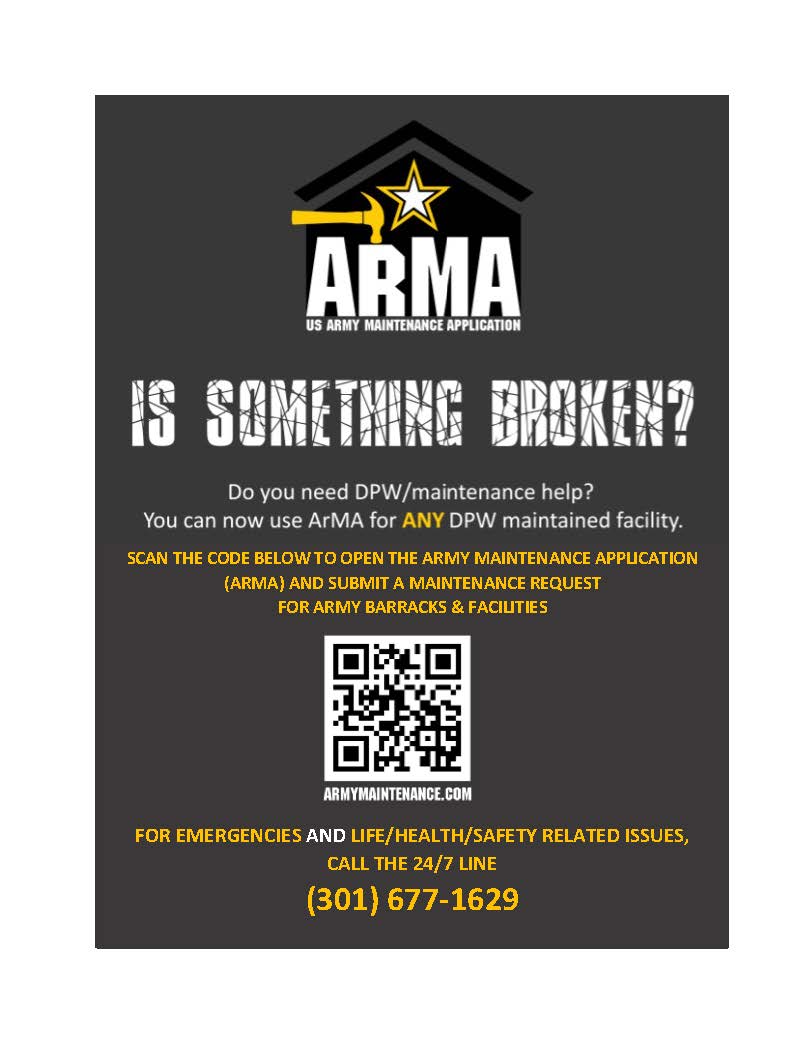
Credit: home.army.mil
Roles And Responsibilities
Understanding the roles and responsibilities within the Army Maintenance Management System (AMMS) is key to ensuring equipment readiness and operational success. Each level of personnel plays a distinct but interconnected role that keeps the system running smoothly. Your grasp of these roles can help you navigate the system more effectively and contribute to mission readiness.
Maintenance Personnel
Maintenance personnel are the frontline workers who perform routine inspections, repairs, and preventive maintenance on equipment. They document every action carefully in the AMMS to keep accurate records, which helps predict future maintenance needs. If you’ve ever wondered how equipment stays reliable in harsh conditions, it’s often due to their diligent work.
They must also be skilled in troubleshooting and reporting issues promptly. This ensures problems don’t escalate into mission-critical failures. Have you considered how much trust is placed on these individuals to keep complex machinery operational?
Supervisors
Supervisors coordinate the efforts of maintenance personnel, ensuring tasks are completed correctly and on time. They review maintenance records in the AMMS to verify accuracy and compliance with regulations. Their role demands keen attention to detail and the ability to manage resources efficiently.
Supervisors also provide training and guidance, helping your team improve skills and adhere to safety standards. They act as the bridge between the hands-on workers and command leadership, translating operational needs into actionable maintenance plans.
Command Leadership
Command leadership sets the overall maintenance strategy and allocates resources to support it. They rely on AMMS data to make informed decisions about readiness and logistics. Their focus is on long-term planning and ensuring your unit can meet its mission goals without equipment failures.
They also establish maintenance policies and ensure compliance with Army standards. By analyzing trends and performance reports, they can identify areas for improvement or investment. How often do you think leadership reviews maintenance data before making critical decisions?
Benefits Of The System
The Army Maintenance Management System offers many benefits that improve military operations. It helps manage equipment and resources efficiently. The system supports timely repairs and proper maintenance. This leads to better performance and longer equipment life.
Using this system reduces downtime and keeps vehicles and machines ready for use. It simplifies tracking maintenance schedules and work orders. The system also helps control costs and ensures safety during operations.
Improved Equipment Readiness
The system tracks maintenance needs and schedules repairs quickly. This keeps equipment in good working condition. Soldiers can rely on their vehicles and gear without delays. Better readiness means missions proceed smoothly and safely.
Cost Efficiency
The system helps avoid costly breakdowns by spotting problems early. It reduces waste by ordering only needed parts. Maintenance tasks are planned, saving time and money. Budget resources go further with careful management.
Enhanced Safety
Regular checks prevent accidents caused by faulty equipment. The system records all maintenance actions for accountability. It ensures safety standards are met consistently. Safer equipment protects soldiers and supports mission success.
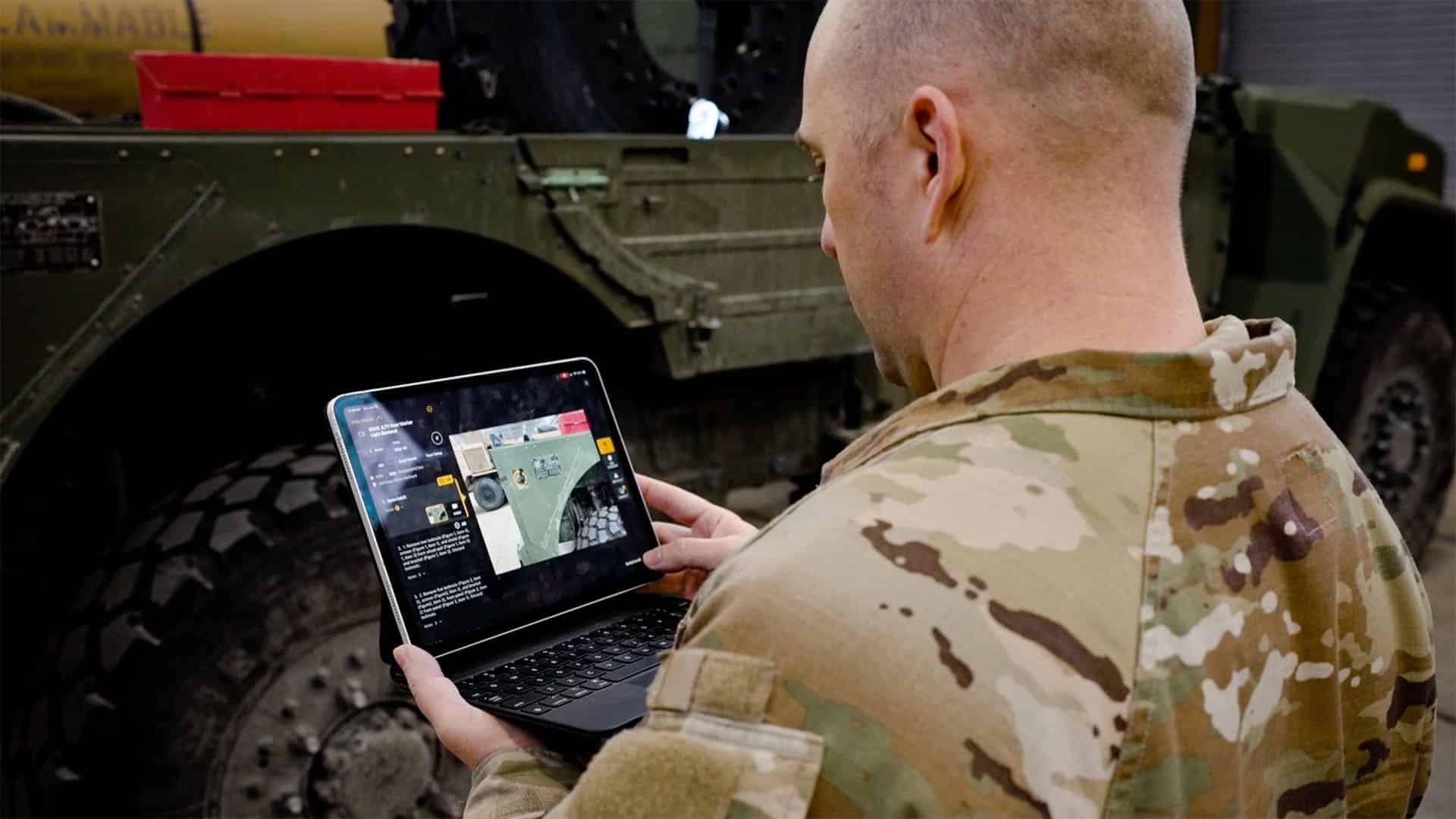
Credit: taqtile.com
Challenges And Solutions
The Army Maintenance Management System faces many challenges in daily operations. These challenges affect equipment readiness and mission success. Addressing these issues requires clear strategies and practical solutions. Understanding common problems helps improve maintenance processes and efficiency.
Common Issues
- Delayed maintenance scheduling causes equipment downtime.
- Poor communication between teams leads to errors.
- Lack of accurate data affects decision-making.
- Insufficient training reduces system effectiveness.
- Complex software interfaces slow down workflow.
- Supply chain delays impact part availability.
Best Practices
- Use real-time data to track maintenance needs.
- Train personnel regularly on system updates.
- Improve communication with clear protocols.
- Simplify software interfaces for easier use.
- Plan parts inventory to avoid shortages.
- Schedule maintenance based on priority and readiness.
Future Developments
The future of the Army Maintenance Management System (AMMS) is set to transform how maintenance tasks are planned, executed, and tracked. As technology evolves, the system is becoming smarter and more user-focused. This means you can expect improvements that make your job easier, faster, and more efficient.
Technology Integration
The AMMS is moving towards deeper integration with emerging technologies like artificial intelligence and the Internet of Things (IoT). Imagine maintenance sensors on vehicles that send real-time data directly to the system, alerting you before a part fails.
This proactive approach reduces downtime and helps you prioritize repairs based on actual needs, not just schedules. You’ll also see more mobile-friendly tools, allowing you to update maintenance records instantly from the field without returning to a desk.
Are you ready to trust a system that predicts issues before you even spot them? The shift to smarter, connected equipment means your maintenance decisions will rely on precise, real-time data.
Training Enhancements
Training for AMMS users is becoming more interactive and personalized. Instead of one-size-fits-all manuals, you’ll get access to virtual reality (VR) simulations that let you practice maintenance tasks safely and repeatedly.
This hands-on experience boosts your confidence and skill level before you handle actual equipment. Plus, the system will offer tailored learning paths based on your strengths and areas for improvement.
Think about how much easier it would be to learn new procedures if the training adapts to your pace. This means less guesswork and fewer mistakes when you’re on the job.

Credit: www.army.mil
Frequently Asked Questions
What Is The Army Maintenance Management System?
The Army Maintenance Management System (AMMS) is a software platform. It manages maintenance activities for military equipment. It ensures equipment readiness, tracks repairs, and schedules preventive maintenance efficiently.
How Does Amms Improve Military Equipment Readiness?
AMMS improves readiness by streamlining maintenance tracking. It schedules timely repairs and preventive care. This reduces downtime and enhances operational efficiency for military units.
Who Uses The Army Maintenance Management System?
AMMS is used by Army maintenance personnel and logistics teams. It helps soldiers and commanders monitor equipment status. This ensures mission-critical assets remain operational.
What Are The Key Features Of Amms?
Key features include real-time maintenance tracking, repair scheduling, and inventory management. It also provides detailed reports and asset condition monitoring. These features optimize maintenance workflows.
Conclusion
The Army Maintenance Management System helps keep equipment ready and safe. It tracks repairs, schedules checks, and manages parts quickly. Soldiers rely on it to avoid breakdowns in the field. This system saves time and reduces costs for the army.
Understanding its role shows how important maintenance is for success. Simple tools, big impact. It keeps the army strong and prepared every day.