What is Planned Maintenance System in Marine: A Guide
Have you ever wondered how ships stay in top shape while sailing through harsh seas? The secret lies in a Planned Maintenance System designed specifically for marine vessels.
This system helps you keep every part of your ship working smoothly, preventing costly breakdowns and ensuring safety for everyone on board. If you want to protect your investment and avoid unexpected problems, understanding how a Planned Maintenance System works is key.
Keep reading to discover how this approach can make your marine operations more efficient and reliable.
Planned Maintenance Basics
Understanding the basics of a Planned Maintenance System (PMS) is essential if you want to keep your marine vessel in top condition. A well-organized PMS helps you avoid unexpected breakdowns and costly repairs by scheduling regular checks and upkeep. This approach ensures your ship runs smoothly and safely throughout its voyages.
Definition And Purpose
A Planned Maintenance System in marine settings is a structured approach to maintaining equipment and machinery on board. It schedules routine inspections, servicing, and repairs before problems occur. The main purpose is to increase reliability, reduce downtime, and extend the lifespan of your vessel’s components.
Imagine you’re out at sea, and a critical engine part fails because it wasn’t checked regularly. A PMS prevents this by keeping maintenance tasks on track, so you avoid being stranded or facing emergency repairs.
Key Components
- Maintenance Schedule:A detailed timetable for when each piece of equipment needs attention.
- Checklists:Step-by-step guides for technicians to follow during inspections and repairs.
- Record Keeping:Logs that track what maintenance was done, when, and by whom.
- Resource Allocation:Ensuring necessary tools, parts, and personnel are available for tasks.
- Alert System:Reminders and notifications for upcoming or overdue maintenance activities.
These parts work together to make sure no detail is missed, and maintenance is performed efficiently. Think of it as your vessel’s health plan, where every system gets regular checkups.
Benefits On Marine Vessels
Using a Planned Maintenance System on your marine vessel offers several clear advantages. First, it reduces the chance of unexpected equipment failure, which can be dangerous and expensive.
Second, it helps you save money by fixing minor issues before they turn into major problems. Third, it boosts safety for everyone on board by ensuring all systems are functioning correctly.
Have you ever wondered how commercial ships manage to stay operational for years without frequent breakdowns? Their secret lies in a disciplined PMS that keeps everything running smoothly. You can apply the same principles to your vessel to improve performance and reliability.
Types Of Maintenance
Understanding the different types of maintenance is crucial for running an efficient Planned Maintenance System in the marine industry. Each type serves a specific purpose and helps you keep your vessel in top condition while avoiding costly downtime. Knowing how and when to apply these maintenance strategies can make a significant difference in your ship’s operational life.
Preventive Maintenance
Preventive maintenance involves scheduled inspections and servicing to avoid breakdowns before they happen. You perform regular checks, oil changes, and part replacements based on time or usage intervals. This approach reduces unexpected failures and extends the lifespan of equipment.
Imagine you routinely change the engine oil every 500 hours of operation. That simple act can prevent engine damage and save you from expensive repairs later. Are you tracking these schedules effectively on your vessel?
Predictive Maintenance
Predictive maintenance relies on real-time data and condition monitoring to predict when a component might fail. Sensors and diagnostic tools measure vibration, temperature, and other indicators to give you early warnings. This method helps you fix problems just before they occur, saving time and resources.
Consider the use of vibration analysis on your ship’s propeller shaft. If you notice an unusual pattern, you can plan repairs during the next port call instead of facing a sudden breakdown at sea. What tools are you using to monitor your critical systems?
Corrective Maintenance
Corrective maintenance happens after a failure or problem is detected. You fix or replace the faulty equipment to restore normal operation. While not ideal as a first approach, it’s sometimes necessary when unexpected issues arise.
For example, if your navigation system suddenly stops working, you must repair it immediately to ensure safe sailing. Have you prepared your crew to handle corrective maintenance swiftly when surprises occur?
Setting Up A Maintenance Schedule
Setting up a maintenance schedule is essential for a planned maintenance system in marine operations. It helps keep ships running safely and efficiently. A well-organized schedule prevents breakdowns and extends equipment life. Clear plans make maintenance easier to follow and manage on board.
Identifying Critical Equipment
Start by listing all equipment on the vessel. Focus on machines that affect safety and operation. Examples include engines, navigation systems, and pumps. Prioritize equipment that can cause serious problems if it fails. This ensures maintenance attention goes where it matters most.
Frequency And Timing
Set how often each piece of equipment needs checks or repairs. Some parts require daily inspections, others monthly or yearly. Consider the manufacturer’s guidelines and the vessel’s usage. Plan maintenance during low-activity periods to reduce disruption. Regular timing helps catch issues early and avoids costly damage.
Documentation And Records
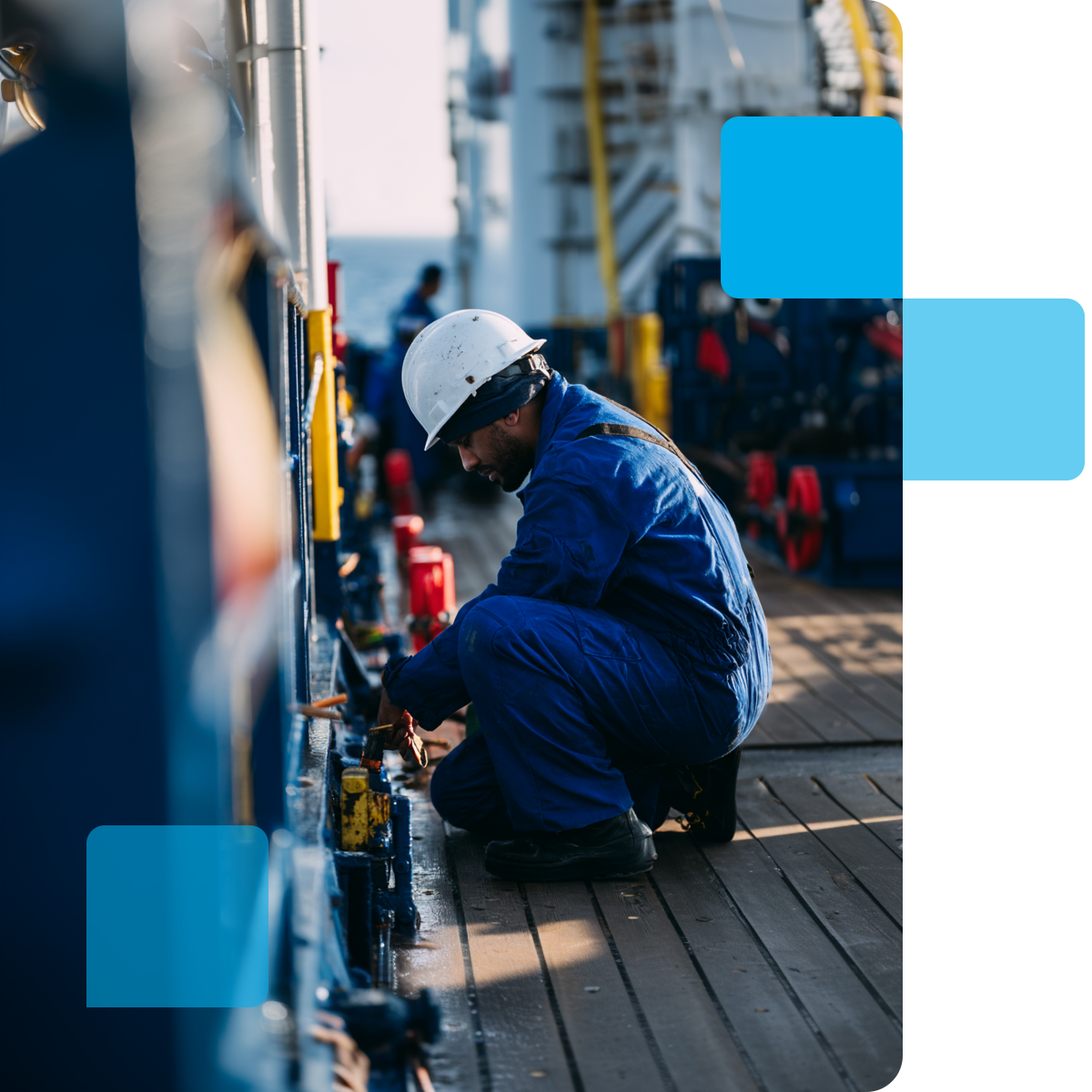
Keep detailed records of all maintenance activities. Note dates, tasks done, and any problems found. Use logs or digital systems for easy access and tracking. Good documentation supports compliance with maritime rules. It also helps plan future maintenance and improve the schedule.
Credit: www.sertica.com
Tools And Software
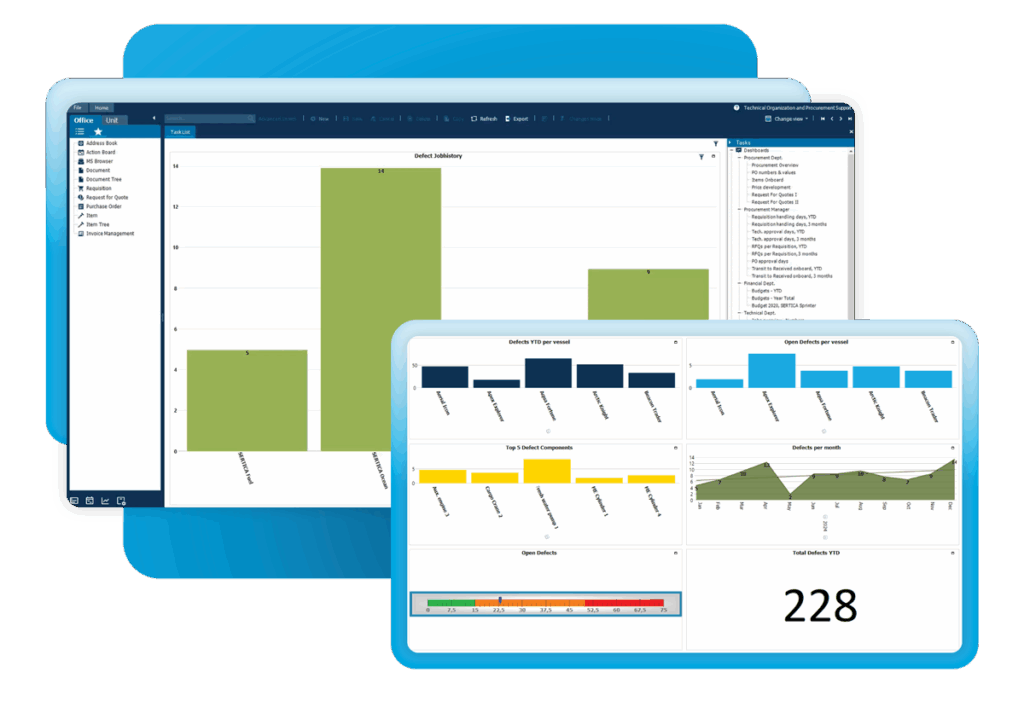
Tools and software play a vital role in planned maintenance systems for marine vessels. They help organize, track, and execute maintenance tasks efficiently. These solutions reduce downtime and improve safety on board by ensuring timely servicing of equipment. Using the right technology makes maintenance predictable and manageable.
Maintenance Management Systems
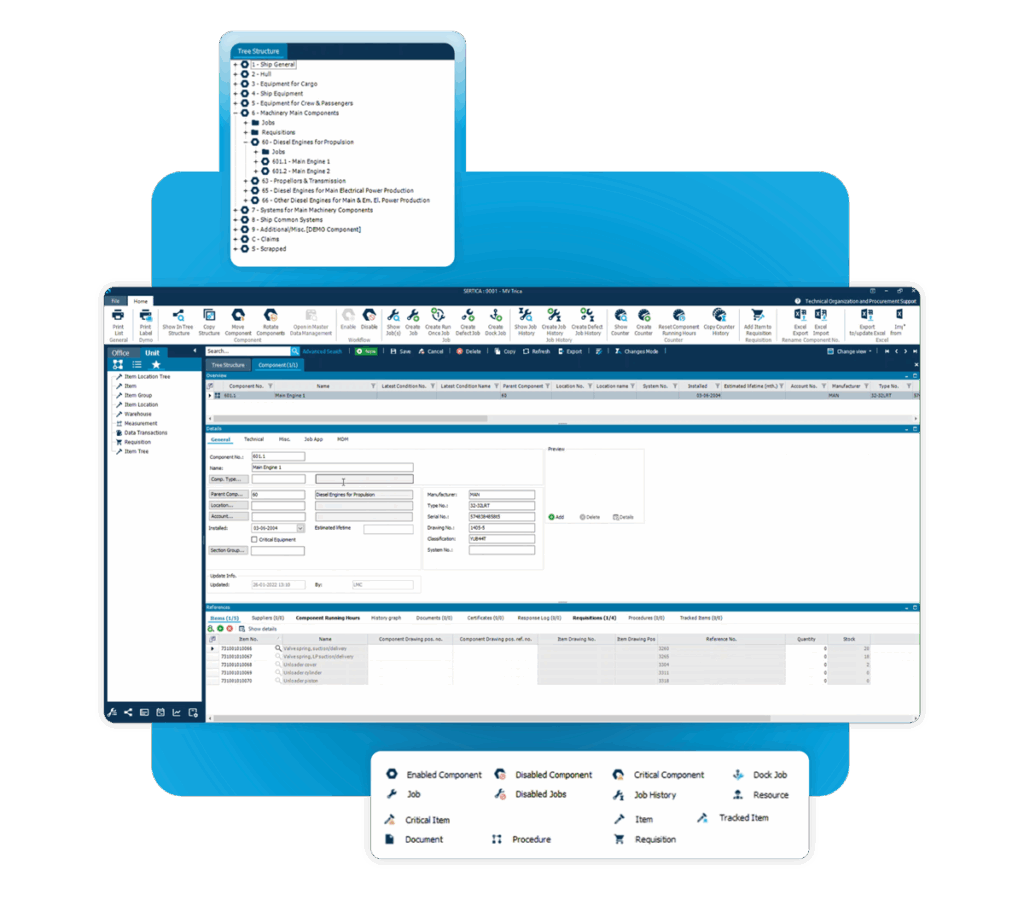
Maintenance management systems organize all maintenance activities in one platform. They store schedules, work orders, and equipment history. Crew members access detailed checklists and instructions easily. These systems simplify planning and improve communication between teams. They help avoid missed tasks and reduce costly repairs.
Monitoring And Alerts
Monitoring tools track the condition of machinery in real-time. Sensors collect data on temperature, pressure, and vibrations. The software analyzes this data to spot potential problems early. Alerts notify the crew immediately if parameters go out of range. This proactive approach prevents failures and extends equipment life.
Integration With Ship Systems
Modern maintenance software integrates with other ship systems seamlessly. It connects with navigation, engine, and safety systems to gather relevant data. This integration provides a complete picture of vessel health. It allows better decision-making and efficient resource allocation. Crew can manage maintenance without switching between multiple platforms.
Role Of Crew And Engineers
The role of crew and engineers is central to the success of a planned maintenance system in marine operations. They are not just the hands that carry out tasks but the eyes and minds that ensure every system runs smoothly. Their involvement directly affects the vessel’s safety, efficiency, and longevity.
Training And Responsibilities
Crew members and engineers need specific training tailored to the ship’s equipment and maintenance software. This ensures they understand both the technical and procedural aspects of maintenance tasks.
Clear responsibilities must be assigned. Each person should know what they are accountable for, from routine inspections to emergency repairs. This clarity helps prevent overlaps and gaps in maintenance activities.
Have you ever noticed how a well-trained engineer can spot a small issue before it becomes a costly breakdown? That skill comes from focused, ongoing education combined with hands-on experience.
Communication And Reporting
Effective communication between crew and engineers is vital. They must share observations, progress updates, and any concerns promptly. This creates a transparent maintenance environment where problems are addressed quickly.
Reporting tools should be user-friendly, allowing crew to log issues easily and engineers to track maintenance history. Detailed reports help identify recurring problems and improve future planning.
Imagine a situation where a minor leak is reported late due to poor communication. What could have been a simple fix might escalate into a major hazard. Timely communication saves time, money, and lives.
Safety Considerations
Safety is always the top priority during maintenance work. Crew and engineers must follow strict safety protocols to protect themselves and the vessel.
This includes wearing appropriate protective gear, using lockout-tagout procedures, and conducting risk assessments before starting any task. Safety briefings help everyone stay aware of potential hazards.
Do you regularly review safety procedures during maintenance? Staying vigilant can prevent accidents that disrupt operations and endanger lives.
Challenges And Solutions
Maintaining ships and marine equipment is not an easy task. The planned maintenance system faces many challenges that can affect safety and efficiency. Finding solutions helps keep vessels running smoothly and avoids costly repairs.
Dealing With Harsh Marine Environments
Saltwater, humidity, and strong winds cause fast wear and tear. Metal parts rust quickly, and electronics can fail due to moisture. Maintenance schedules must be strict and frequent. Using corrosion-resistant materials and protective coatings helps extend equipment life. Regular inspections catch problems before they grow.
Resource Constraints
Ships often have limited space for tools and spare parts. Crew size may be small, limiting available manpower. Budgets can restrict buying new equipment or hiring specialists. Planning maintenance around available resources is key. Prioritizing critical systems and using efficient tools saves time. Training crew members to handle multiple tasks also helps.
Ensuring Compliance
Marine regulations require strict adherence to safety and environmental rules. Documentation must be accurate and up to date. Missing inspections or repairs can lead to fines or detention. Digital maintenance logs and checklists improve record keeping. Regular audits ensure all standards are met. Clear communication between crew and management supports compliance efforts.
Case Studies
Case studies reveal the real impact of a Planned Maintenance System (PMS) in the marine industry. They show how effective maintenance can extend the life of vessels, reduce downtime, and save costs. At the same time, they highlight what happens when maintenance is neglected or poorly managed.
Successful Maintenance Programs
One vessel operator reduced engine failures by 40% after implementing a digital PMS. They scheduled regular inspections and used data to predict part wear before breakdowns occurred. This proactive approach kept the ship on schedule and cut emergency repair expenses dramatically.
Another shipping company used PMS to manage multiple vessels across different fleets. By standardizing maintenance tasks and tracking compliance, they improved safety records and passed inspections with fewer issues. The crew found the system easy to follow, which boosted overall maintenance quality.
- Consistent scheduling prevents unexpected failures.
- Data-driven decisions help prioritize repairs.
- Clear task lists improve team accountability.
Lessons From Failures
Ignoring planned maintenance led a cargo ship to suffer a major engine breakdown mid-voyage. The repair took weeks, costing the company millions and damaging their reputation. This case teaches that skipping scheduled checks can create far worse problems down the line.
In another case, a vessel’s PMS was outdated and not updated regularly. Maintenance crews missed critical alerts, causing minor issues to escalate. The lesson here is that a maintenance system must be current and actively used to be effective.
- Don’t treat PMS as a one-time setup—keep it updated.
- Regular training ensures crews understand and trust the system.
- Neglecting small tasks leads to costly failures.
Have you reviewed your maintenance records lately? What small steps could you take now to avoid a major breakdown later?
Credit: www.sertica.com
Future Trends
The future of planned maintenance systems in the marine industry is evolving fast. New technologies and ideas are shaping how ships stay in top condition. These trends aim to make maintenance smarter, safer, and greener. They help reduce costs and improve ship performance. Understanding these trends prepares marine operators for what lies ahead.
Automation And Ai
Automation is becoming key in marine maintenance. Machines can handle routine checks and repairs more efficiently. Artificial intelligence helps predict failures before they happen. AI analyzes data from sensors to spot issues early. This reduces downtime and avoids costly repairs. It allows crews to focus on complex tasks.
Remote Monitoring
Remote monitoring lets operators track ship systems from anywhere. Sensors send real-time data about engine health, fuel use, and more. This constant flow of information helps catch problems quickly. Remote access lowers the need for physical inspections. It also supports faster decision-making and response times.
Sustainability In Maintenance
Sustainability is gaining focus in marine maintenance. Using eco-friendly materials and methods reduces environmental impact. Planned maintenance helps extend equipment life and cut waste. Efficient fuel use and emissions monitoring support green goals. Sustainable practices protect oceans and improve the ship’s reputation.
Credit: www.sertica.com
Frequently Asked Questions
What Is A Planned Maintenance System In Marine?
A Planned Maintenance System (PMS) in marine is a scheduled approach to maintain ship equipment. It helps prevent failures and ensures smooth vessel operations. PMS organizes tasks, tracks maintenance history, and improves safety and efficiency onboard.
Why Is Planned Maintenance Important For Ships?
Planned Maintenance prevents unexpected breakdowns, reducing costly repairs and downtime. It enhances safety by ensuring all machinery works properly. Regular maintenance extends equipment life and complies with maritime regulations, promoting reliable vessel performance.
How Does A Planned Maintenance System Improve Ship Safety?
PMS schedules timely inspections and repairs, identifying issues before they escalate. It ensures critical systems operate correctly, reducing accident risks. Consistent maintenance fosters a safer working environment for the crew and protects the vessel from damage.
What Are The Key Components Of A Marine Pms?
Key components include maintenance schedules, task lists, equipment records, and monitoring tools. PMS software often tracks job completion and alerts for upcoming tasks. These elements streamline maintenance management and improve operational efficiency on ships.
Conclusion
A planned maintenance system keeps ships running safely and smoothly. It helps avoid sudden breakdowns and costly repairs. Regular checks catch problems early and save money. Crews follow clear schedules, making work easier and faster. This system improves ship performance and extends equipment life.
It supports safer voyages for everyone on board. Using planned maintenance means less stress and more control. A smart approach for every marine operation.