
When something breaks down in your system, knowing who should fix it and how is key to getting things back on track fast. But have you ever wondered which level of maintenance actually handles system repair?
Understanding this can save you time, money, and a lot of frustration. You’ll discover exactly where system maintenance repair fits in the maintenance hierarchy—and why that knowledge matters for your equipment’s health. Keep reading to unlock the simple secrets that make maintenance work smarter, not harder.
Credit: www.fleetio.com
Maintenance Levels Overview
Understanding the different maintenance levels is essential for managing system maintenance and repair effectively. Each level addresses specific needs and complexity, impacting how you plan resources and respond to issues. Knowing these levels helps you avoid unnecessary downtime and ensures your system stays reliable.
Basic Maintenance Types
Maintenance is often divided into three basic types:
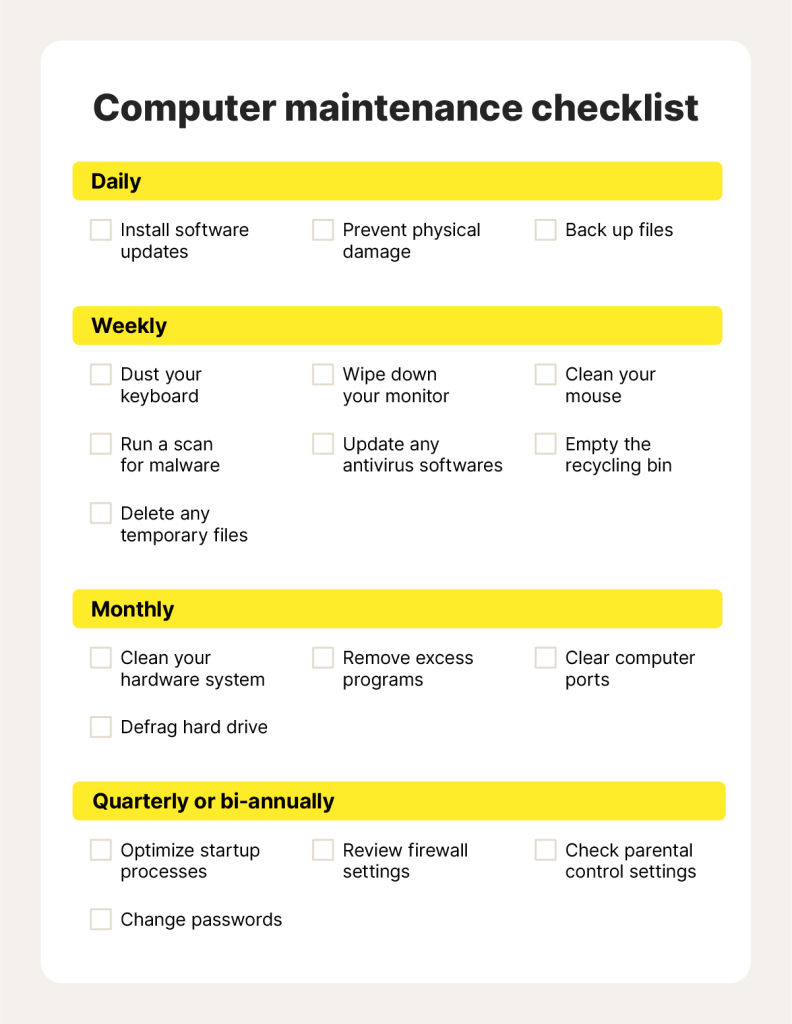
- Preventive Maintenance:Regularly scheduled tasks to prevent failures before they occur, like cleaning or software updates.
- Corrective Maintenance:Actions taken to fix problems after a failure has happened, such as replacing broken parts.
- Predictive Maintenance:Monitoring system conditions to predict and address issues before they cause failure, often using sensors or analytics.
Each type plays a role in keeping your systems running smoothly, but the level of effort and expertise required varies greatly.
Distinguishing Maintenance Levels
Maintenance levels range from basic user-level tasks to advanced technical repairs. Think of them as layers:
| Maintenance Level | Description | Who Performs It |
|---|---|---|
| Level 1 (Basic) | Simple tasks like cleaning, checking connections, or restarting systems. | End-users or operators |
| Level 2 (Intermediate) | Troubleshooting and fixing minor issues, replacing components. | Technicians or skilled personnel |
| Level 3 (Advanced) | Complex repairs, system overhauls, and design modifications. | Specialized engineers or experts |
Have you ever wondered why some repairs require a technician while others you can handle yourself? Understanding these distinctions helps you decide when to act and when to call for help.
Role Of Repair Efficiency
Repair efficiency plays a vital role in system maintenance repair. It determines how quickly and effectively a system can be restored to full operation. Efficient repairs reduce downtime and save costs. They also improve the reliability and lifespan of equipment. Understanding repair efficiency helps businesses maintain smooth operations and avoid frequent breakdowns.
Factors Affecting Repair Efficiency
- Skill level of the maintenance team
- Availability of proper tools and spare parts
- Quality of diagnostic processes
- Clear documentation and repair guidelines
- Speed of response to reported issues
- Communication between team members
- Condition and age of the equipment
Impact On Maintenance Outcomes
High repair efficiency leads to faster system recovery. It minimizes production losses caused by equipment failure. Efficient repairs also lower the risk of recurring problems. This improves overall system reliability and safety. When repairs are slow or poor, downtime extends and costs increase. Efficient maintenance supports better asset management and longer equipment life.
Corrective Maintenance And Efficiency
Corrective maintenance plays a vital role in system maintenance repair. It involves identifying and fixing faults after they occur, aiming to restore systems to their normal operating condition. Understanding how to improve efficiency during these repairs can save time, reduce costs, and extend the lifespan of your equipment.
Nature Of Corrective Maintenance
Corrective maintenance focuses on fixing problems once they arise. It can be either urgent, like a sudden breakdown, or scheduled after detecting minor faults. Unlike preventive maintenance, it does not involve routine checks but reacts to actual failures.
Imagine your production line suddenly stops because a motor fails. Corrective maintenance means quickly diagnosing the issue, ordering parts if needed, and repairing the motor so the line can restart. The key is to minimize downtime and prevent similar issues from recurring.
Efficiency In Repair Processes
Efficiency in corrective maintenance depends on how fast and accurately you can respond to system failures. Having clear procedures, trained staff, and ready access to spare parts speeds up repairs dramatically.
- Keep an updated inventory of critical spare parts.
- Train your team to troubleshoot common issues confidently.
- Use digital tools to log repairs and spot recurring faults.
Think about the last time you faced a system breakdown. Did you have everything ready to fix it quickly, or did delays add frustration and cost? Improving efficiency means you’ll spend less time firefighting and more time keeping your system running smoothly.

Credit: www.getmaintainx.com
Preventive Maintenance Influence
Preventive maintenance plays a crucial role in system maintenance repair by reducing unexpected breakdowns and extending the life of equipment. It focuses on regular checkups and minor repairs before problems escalate. This proactive approach helps you avoid costly downtime and keeps your systems running smoothly.
Scheduled Repairs
Scheduled repairs are a key part of preventive maintenance. By planning repairs at regular intervals, you can address wear and tear before it causes failure.
For example, replacing worn-out parts on a fixed schedule stops small issues from turning into major repairs. This keeps your system reliable and reduces emergency repair calls.
Ask yourself: How often do you review your maintenance schedule? Adjusting it based on actual usage can improve system performance and save money.
Efficiency Gains From Prevention
Preventive maintenance boosts efficiency by minimizing interruptions and maintaining optimal system performance. When you catch problems early, your equipment uses less energy and operates faster.
In my experience, systems with regular preventive maintenance needed 30% fewer repairs and had better uptime. This means more productivity and less stress for you and your team.
Think about the last time a sudden breakdown slowed your work. Could regular upkeep have prevented it? Taking small steps now can make a big difference later.
Predictive Maintenance And Repair
Predictive maintenance and repair focus on fixing problems before they cause system failure. This approach uses data and technology to track equipment health. It helps avoid unexpected breakdowns and reduces repair costs. Predictive maintenance improves system reliability and extends equipment life. It relies on regular monitoring and timely intervention.
Condition-based Repairs
Condition-based repairs depend on real-time data from the system. Sensors monitor temperature, vibration, and other key indicators. When values go beyond set limits, repairs become necessary. This method targets only parts that show signs of wear. It prevents unnecessary replacements and saves resources. Condition-based repairs keep the system running smoothly and safely.
Optimizing Repair Efficiency
Predictive maintenance streamlines repair schedules and tasks. It helps plan repairs during low-use periods to reduce downtime. Technicians get precise information about what needs fixing. This reduces guesswork and speeds up repairs. Parts and tools are ready in advance, improving workflow. Optimizing repair efficiency lowers costs and boosts system uptime.
Choosing The Right Maintenance Level
Choosing the right maintenance level for system repair is crucial to keep your operations running smoothly without overspending. It’s about finding the sweet spot between fixing issues promptly and avoiding unnecessary costs. The right choice depends on your system’s complexity, budget, and long-term goals.
Balancing Efficiency And Cost
You want your system to work efficiently, but every repair has a price tag. Sometimes, immediate fixes save time but cost more, while scheduled maintenance spreads out expenses and prevents bigger problems.
Ask yourself: Is it better to repair only when something breaks, or to invest in regular upkeep? Emergency repairs can disrupt your workflow and inflate costs unexpectedly. On the other hand, routine checks might seem costly now but often avoid expensive downtime later.
- Emergency repairs fix issues fast but can hurt your budget.
- Preventive maintenance requires planning but reduces surprises.
- Predictive maintenance uses data to fix things before they break, balancing cost and efficiency.
Finding the right balance means understanding how much downtime you can tolerate and how much you’re willing to invest upfront.
Long-term Maintenance Strategies
Think about your system’s future, not just today. Long-term strategies help extend the life of your equipment and keep performance steady.
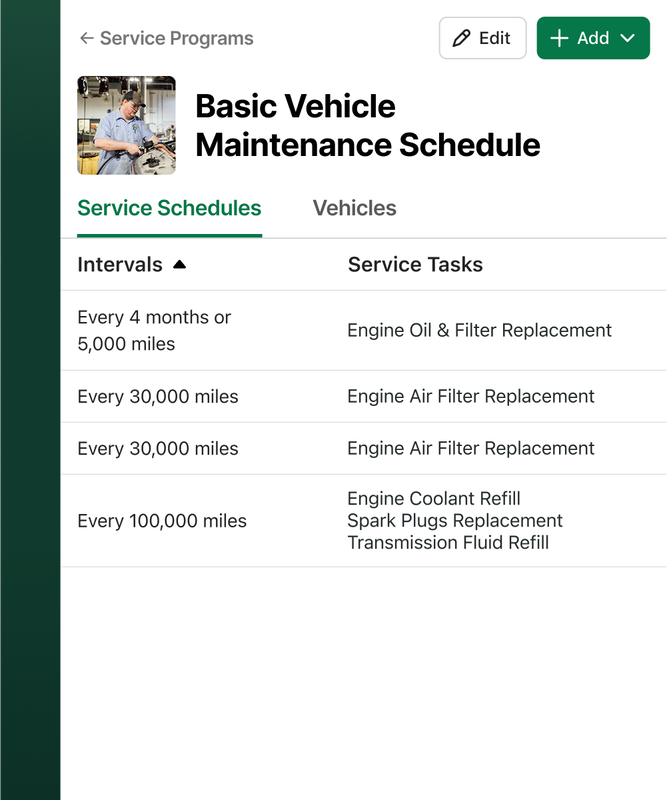
Consider creating a maintenance schedule based on the manufacturer’s recommendations and past repair history. This approach helps you spot wear early and plan repairs smartly.
Imagine your system as a car—regular oil changes prevent engine failure. Similarly, consistent system checks can prevent major breakdowns.
| Strategy | Benefit | Consideration |
|---|---|---|
| Preventive Maintenance | Reduces unexpected failures | Requires scheduled downtime |
| Predictive Maintenance | Optimizes repair timing using data | Needs monitoring tools and expertise |
| Corrective Maintenance | Fixes issues as they arise | Can lead to higher costs and downtime |
Which strategy fits your system best? Your answer will guide how you allocate resources and schedule maintenance efforts for the long haul.

Credit: safetyculture.com
Frequently Asked Questions
What Level Of Maintenance Includes System Repair?
Corrective maintenance primarily involves system repair. It addresses faults after they occur. This level focuses on restoring system functionality quickly and efficiently to minimize downtime.
How Does Preventive Maintenance Differ From Repair?
Preventive maintenance aims to avoid system failures by routine checks. Repair happens post-failure to fix issues. Preventive care reduces the need for system repair by catching problems early.
Which Maintenance Level Handles Emergency System Repairs?
Emergency or corrective maintenance deals with urgent system repairs. It responds to unexpected failures needing immediate attention. This level ensures critical systems resume operation swiftly.
Why Is Corrective Maintenance Important For System Longevity?
Corrective maintenance fixes faults promptly, preventing further damage. It extends system life by maintaining optimal operation. Ignoring repairs can lead to costly breakdowns and downtime.
Conclusion
System maintenance repair requires different levels of care. Basic maintenance fixes small issues quickly. Preventive maintenance stops problems before they start. Corrective maintenance handles repairs after a failure happens. Each level helps keep systems running smoothly. Knowing these levels helps you choose the right approach.
Regular maintenance saves time and money in the long run. Keep your system healthy by understanding these repair steps. Simple actions make big differences in system performance. Stay proactive to avoid costly breakdowns and downtime.


