
Have you ever wondered how many children own smart devices? If you’re a parent, teacher, or just curious, this question is more important than you might think.
Understanding the number of kids with smartphones, tablets, or other gadgets can change how you think about their safety, learning, and daily habits. Keep reading to discover surprising facts that could affect your approach to technology and children in your life.
Rising Trends In Kids’ Device Ownership
More children own smart devices today than ever before. These devices include smartphones, tablets, and other internet-connected gadgets. Kids use these tools for learning, entertainment, and communication. The growth in ownership reflects changes in technology access and family habits. Parents often provide devices to help with education and social connections.
Device ownership among children has grown steadily. This trend shows how digital life integrates into childhood. It also raises questions about screen time and safety. Understanding which age groups own devices helps guide discussions on healthy use.
Growth Over The Last Decade
In the past ten years, smart device ownership among children has increased sharply. Many families now have multiple devices at home. Ten years ago, fewer kids had personal smartphones or tablets. The rise of affordable technology made devices more accessible. Schools also encourage using tablets for learning activities. This support boosts device use among younger children. Surveys show ownership rates doubling or even tripling in some age groups.
Age Groups Most Likely To Own Devices
- Children aged 8 to 12 show the highest growth in device ownership.
- Teens aged 13 to 17 mostly have their own smartphones and tablets.
- Kids under 8 have fewer devices but usage is growing fast.
Older children often get smartphones for social reasons. Younger kids use tablets for games and education. Parents tend to delay device ownership for very young children. Yet, the trend is clear: more children across all ages have smart devices now.
Types Of Smart Devices Owned By Children
Children today have access to a wide range of smart devices that shape how they learn, play, and communicate. Understanding the types of devices they own helps you grasp their digital habits and potential impacts on their development. Let’s look closely at the most common categories of smart devices owned by children.
Smartphones And Tablets
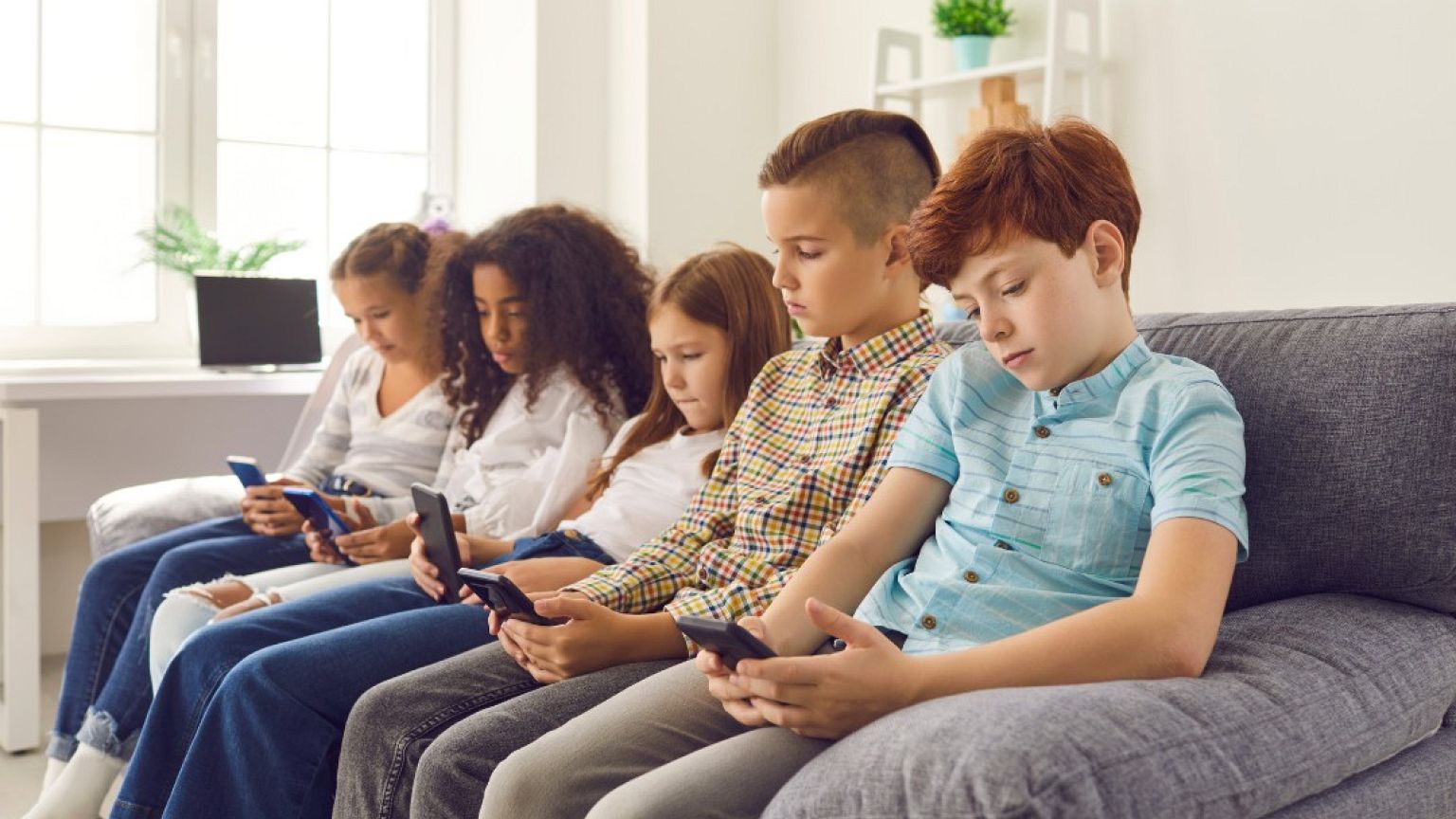
Smartphones and tablets top the list of smart devices owned by kids. These devices offer instant access to games, educational apps, and social media platforms. You might notice your child spending hours on a tablet, but have you considered how the content they consume influences their behavior?
Many parents choose tablets for younger children due to larger screens and parental controls. Smartphones, often owned by older kids, provide more freedom but also bring challenges like managing screen time and online safety. It’s important to set clear rules about usage to keep your child balanced.
Wearable Technology
Wearable devices like smartwatches are increasingly popular among children. These gadgets track activity, monitor health, and even allow messaging with approved contacts. Imagine your child’s smartwatch alerting you if they stray from a safe zone—this can bring peace of mind.
Some wearables also feature games and learning tools, blending fun with functionality. But, are these devices replacing physical playtime or encouraging it? Reflecting on how wearables fit into your child’s daily routine can guide you in promoting healthy habits.
Gaming Consoles With Smart Features
Gaming consoles now come with internet connectivity and apps beyond traditional games. Kids use them to stream videos, chat with friends, and participate in online communities. This adds layers of interaction but also raises questions about exposure to inappropriate content.
Devices like the Nintendo Switch or PlayStation offer parental controls to manage what your child accesses. Monitoring their gaming habits and encouraging breaks can prevent overuse and keep gaming a positive experience. How do you balance your child’s gaming time with other activities?
Global Differences In Device Ownership
Children’s ownership of smart devices differs greatly worldwide. These differences reflect economic, cultural, and technological factors. Understanding these patterns helps identify where children have more access and where gaps exist.
Variations By Region And Country
Device ownership varies widely between continents and countries. In North America and Europe, most children own smartphones or tablets. Ownership rates often exceed 70% in these areas.
In contrast, many countries in Africa and parts of Asia show much lower ownership rates. Some have fewer than 30% of children with smart devices. Economic challenges and limited internet access affect these numbers.
Countries with strong digital infrastructure tend to have higher ownership among children. School programs and government initiatives also boost access in some places.
Urban Vs. Rural Ownership Rates
Urban children usually have more access to smart devices than rural children. Cities have better internet coverage and more affordable technology options.
Rural areas often face connectivity issues. Device costs and fewer tech stores limit ownership. Schools in rural zones may lack digital resources.
These urban-rural gaps create unequal learning and social opportunities for children. Bridging this gap remains a key challenge for many countries.
Credit: www.euronews.com
Factors Influencing Device Ownership
Several factors affect how many children own smart devices today. Device ownership depends on family choices, finances, and social surroundings. Understanding these factors helps explain the growing trend of children using technology.
Parental Attitudes And Restrictions
Parents play a key role in deciding if children get smart devices. Some parents allow devices early for learning and communication. Others limit usage to avoid screen time or content risks. Rules about device use often vary by age and maturity. Trust and safety concerns guide many parents’ choices. These attitudes shape how many children have their own devices.
Economic And Social Influences
Household income strongly impacts device ownership among children. Families with higher income afford more devices for their kids. Lower-income families may share devices or delay buying new ones. Social circles also affect choices. Children often want devices to fit in with friends. Schools offering digital learning may encourage more device use. These economic and social factors shape children’s access to technology.
Impact Of Smart Devices On Children
Smart devices have become a common part of children’s lives. They influence how kids learn, play, and communicate. Understanding their impact helps parents and educators guide children safely. Smart devices offer many advantages but also come with some concerns. Balancing these effects is important for healthy development.
Educational Benefits
Smart devices provide access to a wide range of learning tools. Interactive apps make learning fun and engaging. Children can explore subjects like math, science, and languages at their own pace. Videos and games enhance understanding and memory. These devices also support creativity through drawing and music apps. Learning becomes more personalized and flexible.
Potential Risks And Concerns
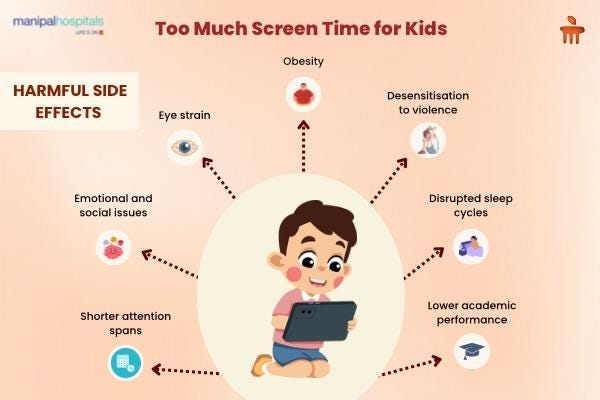
Excessive use of smart devices may affect children’s health. Too much screen time can lead to poor sleep and eye strain. Some content may not be suitable for young users. Privacy issues arise from sharing personal information online. Social skills might weaken if children spend less time with family and friends. Parents should monitor usage and set clear boundaries.

Credit: www.reddit.com
Future Predictions For Kids And Technology
The future of kids and technology is rapidly evolving, shaping how children interact with the world around them. As smart devices become more integrated into daily life, understanding upcoming trends helps you prepare your child for a balanced digital experience. Will the devices they own tomorrow change how they learn, play, and connect?
Emerging Technologies For Children
New devices designed specifically for children are appearing on the market, focusing on safety and educational value. Wearables that track health and activity are becoming more kid-friendly, encouraging healthy habits early on. Augmented reality (AR) tools are also gaining traction, blending digital content with the real world to make learning more interactive.
Imagine your child exploring ancient history by walking through a virtual museum at home. These technologies aim to make screen time more meaningful rather than just entertaining. How might you leverage these tools to support your child’s growth?
Changing Patterns In Device Usage
Children’s use of smart devices is shifting from passive consumption to active creation and collaboration. Instead of just watching videos, kids are now making their own content, coding simple games, and engaging in virtual classrooms. This shift requires parents to rethink screen time rules and encourage purposeful use.
You may notice your child spending more time on educational apps or social platforms designed for younger users. It’s important to guide them toward activities that build skills and social connections rather than just scrolling endlessly. What steps can you take to ensure your child’s device use stays productive and safe?

Credit: www.licenseglobal.com
Frequently Asked Questions
How Many Children Use Smart Devices?
A significant number of children own smart devices today. Studies show that over 50% of children aged 6-12 have access to a smartphone or tablet. These devices are often used for educational purposes, entertainment, and social interaction. This trend continues to grow as technology becomes more integrated into daily life.
At What Age Do Children Get Their First Smart Device?
Children often receive their first smart device between the ages of 8 and 12. Parents usually consider factors like maturity, responsibility, and necessity. Early exposure to technology can enhance learning opportunities but also requires supervision to ensure safe and healthy usage.
Why Do Parents Buy Smart Devices For Children?
Parents buy smart devices for children mainly for educational and safety reasons. These devices offer learning apps, communication tools, and location tracking features. They help children stay connected with family and access educational resources, but it’s crucial to monitor usage to prevent over-dependence.
What Are The Benefits Of Children Owning Smart Devices?
Smart devices offer educational apps, connectivity, and entertainment for children. They enhance learning through interactive content and facilitate communication with family and friends. However, it’s important to balance screen time with other activities to ensure a healthy lifestyle.
Conclusion
Many children today own smart devices, showing a clear trend. Parents and guardians play a big role in this choice. Devices help kids learn, play, and stay connected. Yet, it is important to set limits on screen time. Balance is key to healthy device use for children.
Understanding how many kids use smart devices helps guide better decisions. Technology will keep growing in kids’ lives. Staying informed helps families use devices wisely and safely.


