How Ai-Powered Home Devices the Future of Smart Living: Revolutionizing Comfort
Imagine a home where your coffee brews itself as you wake up, your lights adjust automatically to your mood, and your grocery list updates itself as you run low on essentials. This isn’t a scene from a sci-fi movie; it’s the reality of smart living with AI-powered home devices.
These innovative gadgets are not just about convenience; they’re about transforming your everyday experience into something extraordinary. You might wonder how this technology can seamlessly fit into your life and bring a new level of comfort and efficiency. We’ll delve into how AI-powered home devices are shaping the future of smart living, and why you should consider embracing this technological wave.
Stay with us to discover how these smart solutions can redefine your daily routine and elevate your home environment to new heights.
Rise Of Ai In Smart Homes
Smart homes are changing fast with the rise of artificial intelligence. AI is making devices smarter and more helpful. It allows homes to learn from habits and act on them. This creates more comfort, security, and energy savings. The use of AI in smart homes is growing every day.
Growth Of Connected Devices
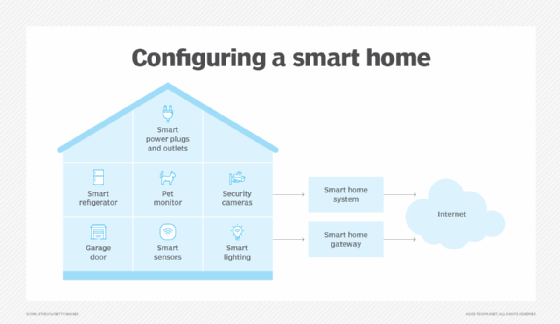
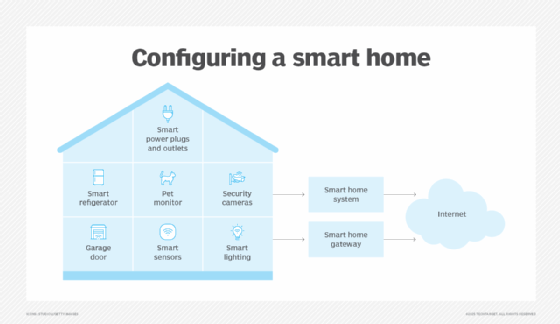
The number of connected devices in homes is rising quickly. Smart speakers, lights, cameras, and thermostats talk to each other. These devices share data to improve home management. More devices mean better control and convenience for users. This growth drives the need for smarter AI systems.
Role Of Machine Learning
Machine learning helps devices learn from user behavior. It enables personalized actions based on daily routines. Devices get better at predicting needs and preferences. This reduces manual control and saves time. Machine learning is key to making smart homes truly intelligent.
Integration With Iot
AI works closely with the Internet of Things (IoT) in homes. IoT connects all smart devices through the internet. AI analyzes data from these devices to improve decisions. This integration creates seamless and automated home experiences. It brings together technology for smarter living environments.
Credit: www.techtarget.com
Enhancing Daily Comfort
Enhancing your daily comfort goes beyond just convenience—it shapes the way you feel in your own home. AI-powered home devices adapt to your lifestyle, creating an environment tailored specifically to you. Imagine waking up in a space that intuitively knows how to make you feel relaxed, energized, or entertained without lifting a finger.
Personalized Climate Control
Forget adjusting the thermostat manually every time the weather changes. AI learns your temperature preferences throughout the day and adjusts heating or cooling automatically.
This means your home stays cozy when you’re cold and refreshingly cool when it’s hot, without any effort on your part. You can even set different temperatures for different rooms, ensuring each family member experiences comfort their way.
Smart Lighting Solutions
Lighting influences your mood more than you might realize. AI-powered lights adjust brightness and color based on time of day and your activities.
Whether you’re working, relaxing, or getting ready for bed, your lighting shifts to support your needs. You can control lights through voice commands or let the system operate silently in the background.
Automated Entertainment Systems
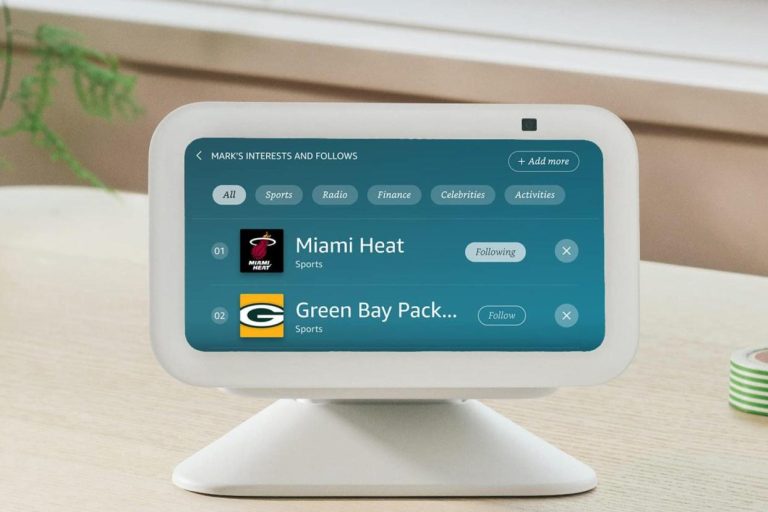
Your entertainment setup can become smarter by learning your viewing habits and music preferences. AI can suggest shows or playlists tailored just for you, without scrolling endlessly.
Plus, it can synchronize with your schedule to pause or resume media when you leave or enter a room. This level of automation transforms how you enjoy movies, music, and games every day.
Improving Home Security
Improving your home security with AI-powered devices changes how you protect what matters most. These smart technologies don’t just watch—they learn and react, giving you peace of mind like never before. Let’s see how AI enhances security through surveillance, smart locks, and emergency response.
Ai-driven Surveillance
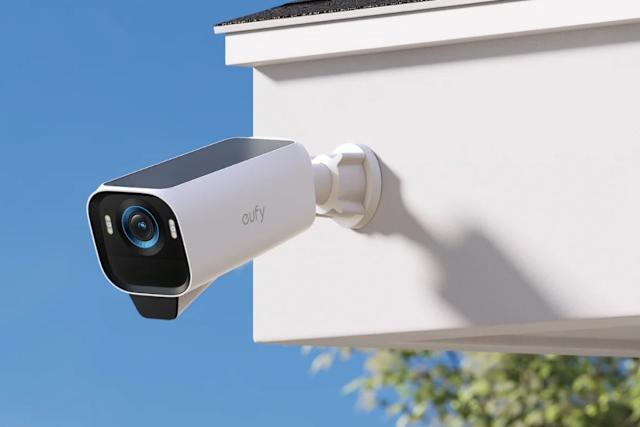
AI-driven cameras go beyond recording video. They can recognize faces, detect unusual behavior, and even tell the difference between a family member, a delivery person, or a stranger.
Imagine receiving an alert when someone loiters around your property or when a package is left at your doorstep. These systems reduce false alarms and help you focus on real threats.
Have you ever missed a suspicious activity because your cameras were just passive? AI surveillance ensures you don’t have to worry about that again.
Smart Locks And Access Control
Smart locks powered by AI adapt to your routines, making access smooth and secure. They can unlock your door as you approach and lock it automatically when you leave.
You can also set personalized access codes for family members, friends, or service providers and track who enters and exits your home in real time.
What if you could prevent unauthorized entry without changing your traditional keys? Smart locks give you that control and flexibility.
Emergency Response Systems
AI-enhanced emergency systems detect hazards like fire, gas leaks, or break-ins faster than traditional alarms. They can instantly notify you and emergency services.
Some systems analyze patterns to reduce false alarms, so you only get alerted for real emergencies.
Could your current setup respond quickly enough to protect your family? AI systems offer a smarter way to ensure help arrives when you need it most.
Boosting Energy Efficiency
Boosting energy efficiency in your home is no longer just about turning off lights or unplugging devices. AI-powered home devices bring a smarter way to manage energy use that adapts to your lifestyle. These technologies not only save money but also reduce your environmental impact by using energy more thoughtfully.
Intelligent Energy Management
AI systems learn your daily routines and adjust energy consumption accordingly. Imagine your heating system lowering the temperature when you leave for work and warming up just before you return. This kind of intelligent scheduling helps avoid wasting energy on empty rooms.
Some devices even integrate weather forecasts to optimize energy use. For example, they can delay heating if a sunny afternoon is expected, reducing unnecessary power consumption. How could such tailored adjustments change your monthly energy bills?
Smart Appliances And Conservation
Smart appliances like refrigerators, washing machines, and ovens now come with AI features that help conserve energy without compromising convenience. A smart fridge might adjust its cooling cycles based on how often you open the door.
Washing machines can schedule laundry during off-peak hours when electricity costs less. These small shifts add up, saving energy and money over time. Have you noticed how much power your appliances use during the day versus night?
Real-time Usage Analytics
Many AI-powered devices provide real-time feedback on your energy consumption through easy-to-understand apps. This immediate insight helps you spot patterns and identify which devices consume the most power.
By tracking your usage, you can make informed decisions—like turning off an idle device or upgrading to energy-efficient alternatives. What changes could you make if you knew exactly where your energy was going?
Voice And Gesture Control
Voice and gesture control are transforming how you interact with your home devices. Instead of tapping buttons or scrolling through menus, you can simply speak or use a simple hand movement to control lights, thermostats, or even security systems. This hands-free approach offers a more intuitive and seamless smart living experience.
Natural Language Processing
Devices understand your commands through natural language processing (NLP), which allows them to interpret everyday speech. This means you don’t have to memorize specific commands or phrases. Just talk naturally, like you would with a friend, and your smart device will respond accordingly.
Think about asking your smart speaker to “set the mood for movie night.” Instead of a rigid command, NLP lets it adjust lighting, close blinds, and play your favorite playlist, all from one casual request. This technology is constantly improving to grasp context and even detect your mood, making interactions feel more personal and effective.
Hands-free Interaction
Hands-free control frees you from being tethered to a remote or smartphone. Imagine cooking dinner while adjusting your oven or changing music without wiping flour off your hands. Gesture controls add another layer to this convenience, allowing simple hand movements to execute tasks quickly.
For instance, a wave of your hand could dim the lights or pause your TV. This reduces friction in daily routines and keeps your focus where it matters. Have you noticed how much time you spend fumbling with devices? Hands-free options help reclaim those moments.
Accessibility Benefits
Voice and gesture controls open up smart living to people with mobility or vision challenges. They remove barriers that traditional interfaces create, offering greater independence. Whether it’s a person with limited hand use or someone with visual impairments, these controls simplify tasks that might otherwise require assistance.
Devices can be customized to recognize different speech patterns or gestures, making them adaptable to individual needs. Have you considered how a simple voice command can transform daily life for someone facing physical obstacles? Accessibility isn’t just a feature—it’s a vital aspect of inclusive smart homes.
Challenges And Privacy Concerns
AI-powered home devices bring incredible convenience, but they also raise real challenges and privacy concerns you need to think about. These smart gadgets collect vast amounts of data, making your personal life more connected but also more vulnerable. Understanding these issues helps you make safer choices for your smart home.
Data Security Issues
Your smart devices gather sensitive information, from daily routines to voice commands. If this data isn’t properly protected, hackers can access your home network or personal details. A common mistake is using weak passwords or outdated software, which opens doors for cyberattacks.
To protect yourself, regularly update device firmware and use strong, unique passwords. Many devices offer two-factor authentication—turn it on to add an extra security layer. Do you know where your data is stored and who can access it?
User Consent And Transparency
Often, smart devices collect data without clear consent or explanation. You might agree to terms without fully understanding what information is gathered and how it’s used. This lack of transparency can leave you vulnerable to unwanted data sharing or targeted advertising.
Always review privacy policies carefully and adjust settings to limit data sharing. Ask yourself: Are you comfortable with the amount of information your device collects? Being proactive helps you keep control over your personal data.
Mitigating Ai Bias
AI in home devices learns from the data it receives, which can sometimes reflect biases. This might cause devices to misunderstand commands or behave unfairly, affecting your experience. If your device struggles to recognize diverse accents or languages, it’s a sign of this issue.
Providing feedback to manufacturers can help improve AI fairness. Also, choose devices known for ongoing updates and diverse training data. How well do your devices understand you and your household’s unique needs?
Future Trends In Smart Living
The future of smart living is bright and full of exciting possibilities. AI-powered home devices are evolving quickly. They will change how people live, work, and relax at home. These trends focus on making homes more intuitive, efficient, and connected.
Technology will blend seamlessly with daily life. Homes will not only respond to commands but also anticipate needs. This will make living more comfortable and stress-free.
Ai And Augmented Reality
AI combined with augmented reality (AR) creates new ways to interact with home devices. AR can project information and controls onto surfaces or through glasses. This allows users to manage their homes without screens or buttons.
Imagine pointing at a device and seeing its status or options instantly. AI helps understand gestures and voice, making control natural and fast. This trend will make smart homes more user-friendly for everyone.
Predictive Home Maintenance
AI sensors will monitor home systems like heating, plumbing, and electricity. They detect small issues before they become big problems. Predictive maintenance saves money and prevents emergencies.
Devices will alert homeowners about repairs or part replacements early. This reduces downtime and extends the life of appliances. Smart homes will run smoother and require less manual upkeep.
Seamless Device Interoperability
Future smart homes will feature devices that work perfectly together. Different brands and types will communicate without compatibility issues. This creates a unified and efficient home network.
Users will control everything from one app or voice assistant. Devices will share data to optimize energy use, security, and comfort. Interoperability will simplify managing multiple smart gadgets.

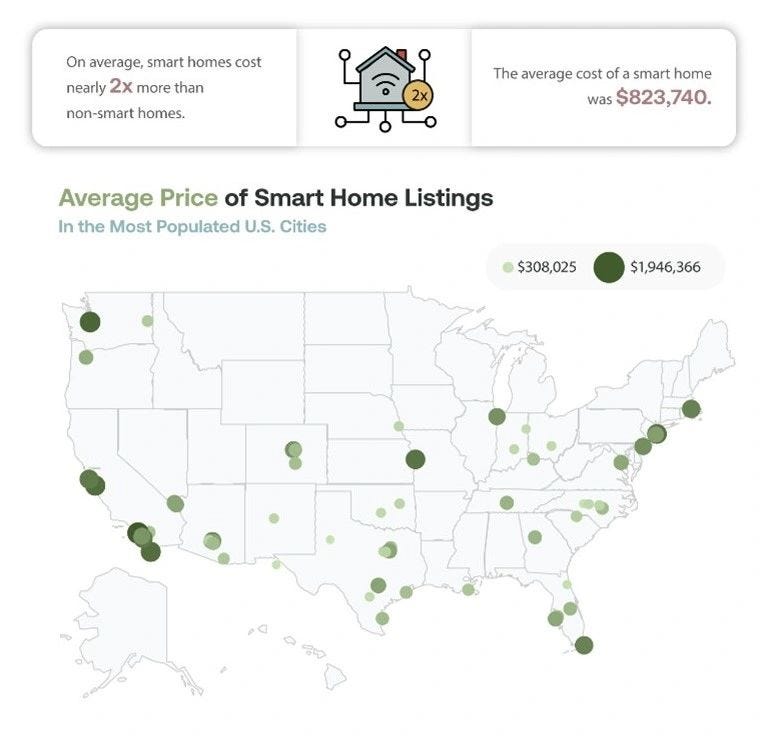
Credit: bernardmarr.com

Credit: leadertechinc.com
Frequently Asked Questions
What Are Ai-powered Home Devices?
AI-powered home devices use artificial intelligence to automate tasks. They learn user preferences and improve home comfort, security, and energy efficiency over time.
How Do Ai Devices Improve Smart Living?
AI devices enhance convenience by automating routines. They optimize energy use, increase security, and provide personalized experiences, making homes smarter and more efficient.
Are Ai Home Devices Secure And Private?
Most AI devices use encryption and secure protocols. However, users should update software regularly and follow privacy guidelines to protect personal data effectively.
Can Ai Devices Save Energy At Home?
Yes, AI devices optimize energy consumption by adjusting lighting, heating, and cooling based on real-time usage and preferences, reducing overall energy bills.
Conclusion
AI-powered home devices change how we live each day. They make homes safer, smarter, and more comfortable. These devices learn from your habits and adjust automatically. They save time and energy, helping you relax more. Technology keeps improving, bringing new tools for smart living.
Embracing these devices means staying ready for the future. Smart homes are not just a trend but a new way to live. Simple, helpful, and efficient—AI devices fit into everyday life. The future of smart living is here, and it’s easy to join.