
Have you ever stopped to think about how safe your smart devices really are? From your phone to your smart thermostat, these gadgets hold a lot of your personal information.
But are they truly secure, or could someone else be watching your every move? Understanding the risks and how to protect yourself is more important than ever. Keep reading to discover what you need to know to keep your smart devices—and your privacy—safe.
Smart Device Security Basics
Understanding the basics of smart device security helps you protect your home and personal data. These devices bring convenience but also open doors to potential risks. Knowing what security features are standard and which devices are commonly targeted can make a big difference in keeping your tech safe.
Common Smart Devices
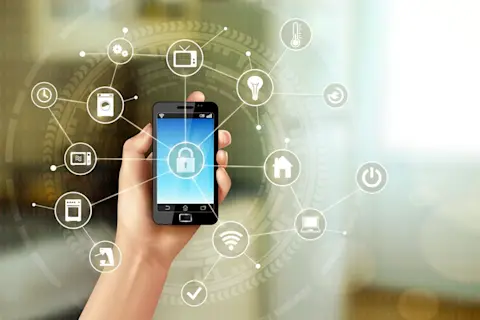
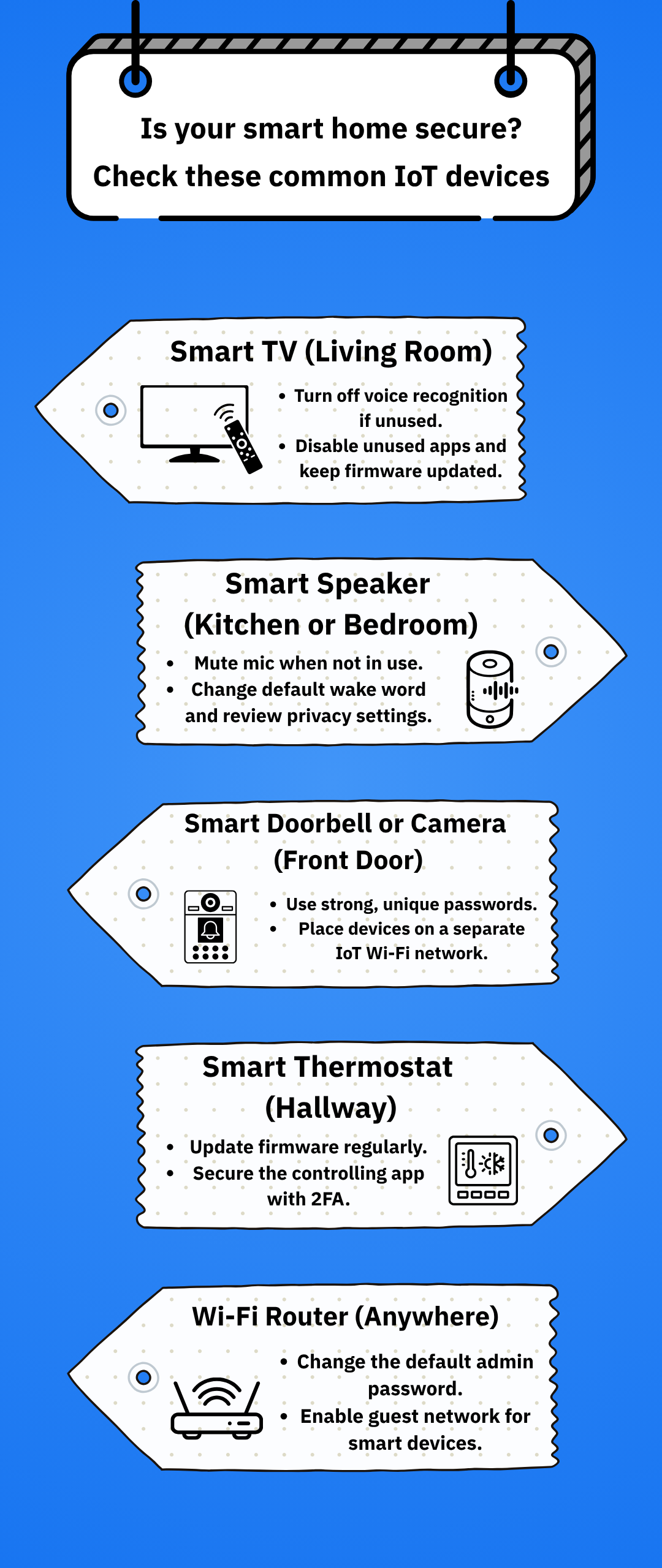
Smart devices are everywhere, from your living room to your kitchen. Popular ones include:
- Smart speakers like Amazon Echo or Google Home
- Smart thermostats such as Nest or Ecobee
- Security cameras and video doorbells
- Smart locks and lighting systems
- Wearables like smartwatches and fitness trackers
Each device connects to your network, creating multiple access points. This can be a concern if you don’t secure them properly. Have you checked how many of these devices are linked to your Wi-Fi right now?
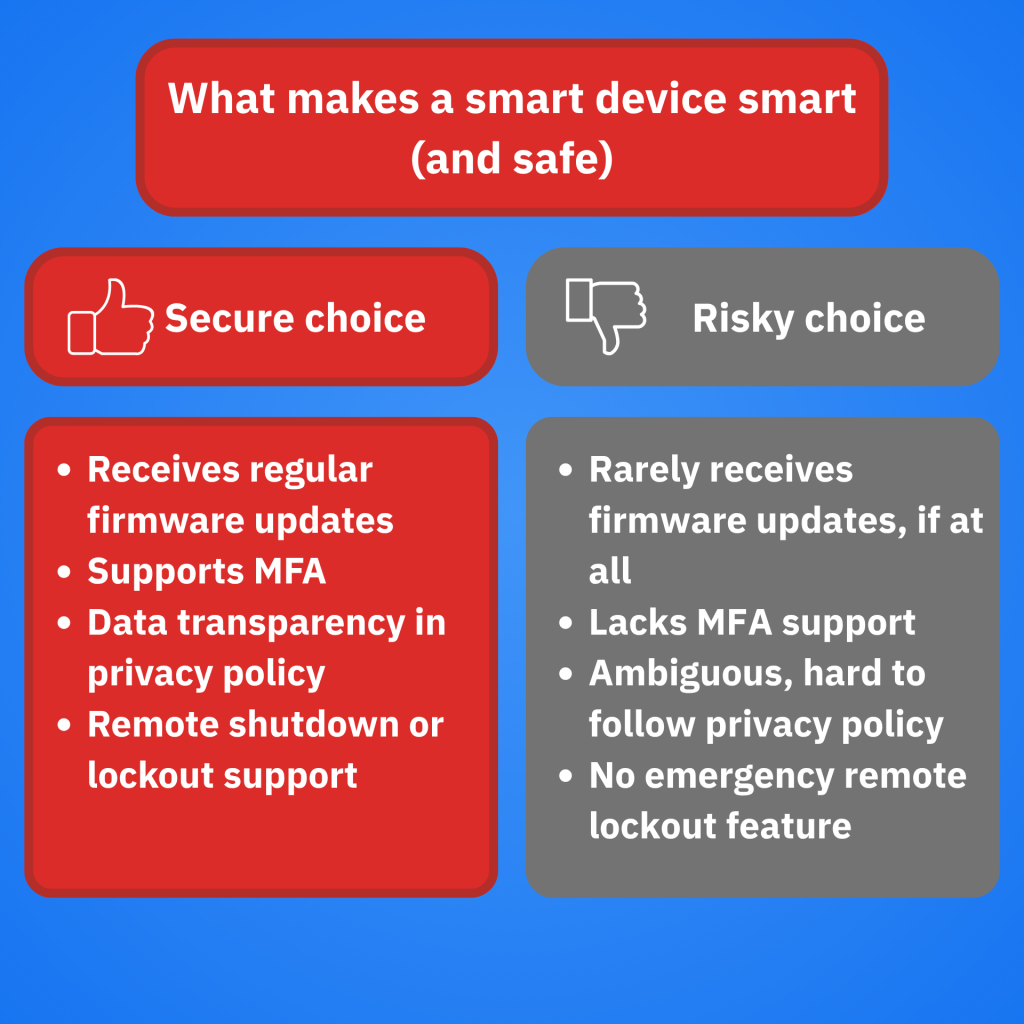
Typical Security Features
Most smart devices come with built-in security features, but their effectiveness varies. Common protections include:
- Password protection:Many devices require a strong password to prevent unauthorized access.
- Encryption:Data sent between the device and your phone or cloud service is often encrypted.
- Two-factor authentication (2FA):Adds an extra step to verify your identity.
- Automatic updates:Keeps the device’s software current with the latest security patches.
However, these features only work if you activate and maintain them. Leaving default passwords unchanged is like leaving the front door wide open. Are you actively managing your device settings to enhance security?
Credit: www.discovermagazine.com
Hidden Cyber Risks
Smart devices make life easier but hide many cyber risks. These risks often go unnoticed by users. Cybercriminals exploit these hidden weaknesses to access personal data or control devices. Understanding these risks helps protect your information and privacy.
Vulnerabilities In Hardware
Smart devices rely on hardware that can have security flaws. Hackers can exploit weak chips or circuits to bypass protections. Some devices use cheap parts without proper testing. This creates openings for attacks that users cannot see or fix easily.
Software Exploits
Software in smart devices often contains bugs or loopholes. Attackers find these to run malicious code or steal data. Many devices do not get regular software updates. Outdated software increases the chance of successful hacking attempts.
Weak Authentication Methods
Many smart devices use simple passwords or no password at all. Weak or default passwords are easy for hackers to guess. Some devices lack strong authentication like two-factor verification. This makes unauthorized access a common problem with smart devices.
Real-world Attack Examples
Understanding the real risks smart devices face is key to protecting your home and personal data. These devices, while convenient, have been targets of various attacks that reveal their vulnerabilities. Let’s look at some actual incidents that highlight the dangers lurking behind the smart technology you use every day.
Data Breaches
Massive data breaches have exposed millions of users’ information through compromised smart devices. One notable case involved a popular brand of smart cameras where attackers accessed thousands of video feeds. The breach didn’t just expose video footage; it also leaked users’ names, email addresses, and passwords.
When your device collects personal data, it becomes a treasure trove for hackers. Have you ever wondered how much of your personal info is stored in these gadgets? The risk grows if manufacturers don’t encrypt data properly or fail to update security patches regularly.
Device Takeovers
Attackers have managed to seize control of smart devices remotely, turning them into tools for further attacks. For instance, smart thermostats were hacked to create massive botnets that overwhelmed internet services. This kind of takeover means hackers can manipulate your devices without you even noticing.
Imagine your smart lock being controlled by a stranger. This reality has happened when weak default passwords weren’t changed. It’s a stark reminder that simple security steps, like strong passwords and regular updates, can make a huge difference.
Privacy Invasions
Privacy invasion is more than just a fear—there are real stories of hackers listening through smart speakers or watching through smart TVs. One user discovered unknown devices accessing their microphone and camera without consent. These breaches turn your private space into a public stage.
Are you comfortable knowing your private conversations or habits could be exposed? Protecting your privacy requires vigilance and understanding what permissions your devices have. Regularly reviewing app permissions and disabling unnecessary features can reduce your risk.
Impact On Users And Networks
Smart devices are everywhere, changing how you live and work. But these devices don’t just impact your daily routine—they also affect your personal security and the safety of the networks you use. Understanding these impacts can help you protect your information and keep your digital life safe.
Personal Data Theft
Smart devices collect a lot of personal data, from your location to your habits. If a hacker gains access, they can steal sensitive information like passwords, photos, and even medical records.
Think about the last time you connected a new device to your home Wi-Fi. Did you consider how much personal data it might share? Many users don’t realize that weak security settings can expose them to identity theft and privacy breaches.
Protect your personal data by regularly updating device software and using strong, unique passwords for each device.
Network Compromise
Your smart devices connect to your home or office network, making them potential gateways for attackers. A single vulnerable device can allow hackers to access other devices on the same network.
Imagine a smart camera or thermostat being hijacked to spy on you or to launch attacks on other systems. This risk grows as you add more devices without proper security measures.
Segment your network or create a guest network for smart devices to limit their access to your critical systems.
Financial Consequences
The impact of smart device insecurity isn’t just about privacy; it hits your wallet too. Cybercriminals can use stolen data to make unauthorized purchases or commit fraud.
In one case, a compromised smart speaker was used to make online purchases without the owner’s knowledge. The financial damage took months to resolve and caused a lot of stress.
Keep an eye on your financial statements and enable alerts for unusual activities to catch threats early.
Security Measures To Consider
Securing your smart devices starts with understanding the key measures that protect them from unauthorized access and cyber threats. These steps help you maintain control over your devices and safeguard your personal information. Let’s break down some essential security practices you can apply today.
Strong Password Practices
Weak passwords are like open doors for hackers. Use long, unique passwords that mix letters, numbers, and symbols for each device or account. Avoid default passwords that come with devices; changing them immediately is crucial.
Consider using a reputable password manager to keep track of complex passwords without the hassle. Have you ever tried guessing someone’s password and failed quickly? That’s the power of a strong password.
Regular Firmware Updates
Smart devices often receive updates that fix security flaws and improve performance. Skipping these updates leaves your device vulnerable to attacks that exploit outdated software. Make it a habit to check for firmware updates regularly or enable automatic updates if available.
Think about the last time your phone updated itself—did it feel annoying or necessary? That update probably blocked new security threats you weren’t even aware of.
Network Segmentation
Separating your smart devices from your main network adds an extra layer of security. By creating a dedicated network for your IoT gadgets, you limit the damage if one device is compromised. Many routers allow you to set up guest networks specifically for these devices.
Ask yourself: if a hacker gains access to one device, how much of your personal data could they reach? Network segmentation reduces that risk significantly.
Credit: bitwarden.com
Future Trends In Smart Device Security
Smart devices are becoming more common in daily life. Their security needs to improve as threats grow. Future trends show new ways to protect these devices. These trends focus on smarter defenses, stronger encryption, and clearer rules.
Ai-driven Protection
Artificial intelligence helps detect threats faster. AI learns from attacks and adapts security measures. It can spot unusual behavior in real time. This reduces the risk of hacks and breaches. AI also automates responses to stop threats quickly.
Improved Encryption Standards
Encryption keeps data safe from unauthorized access. New standards make encryption stronger and harder to break. Devices will use better keys and algorithms. This protects data during transfer and storage. Improved encryption ensures privacy and trust in smart devices.
Regulatory Developments
Governments create rules to protect users and data. Regulations require companies to follow security best practices. They set minimum standards for device safety. These rules increase accountability and reduce risks. Compliance helps build user confidence in smart technology.
Credit: www.bitdefender.com
Frequently Asked Questions
Are Smart Devices Vulnerable To Hacking?
Smart devices are vulnerable to hacking due to their internet connectivity. Weak passwords and outdated software increase risks. Regular updates and strong passwords enhance security. Always ensure your device firmware is up-to-date for better protection.
How Do Smart Devices Protect User Data?
Smart devices use encryption to protect user data from unauthorized access. Encryption converts data into a secure code. Additionally, most devices have built-in security measures like firewalls. Users should enable these features and regularly update their devices for optimal security.
Can I Improve The Security Of My Smart Devices?
Yes, you can improve security by regularly updating the device firmware. Use strong, unique passwords for each device. Enable two-factor authentication if available. Avoid using public Wi-Fi networks when accessing your smart devices remotely.
What Are Common Threats To Smart Devices?
Common threats include malware, unauthorized access, and phishing attacks. Malware can exploit vulnerabilities in outdated software. Unauthorized access often occurs due to weak passwords. Phishing attacks trick users into revealing sensitive information. Stay vigilant and update devices regularly to mitigate these risks.
Conclusion
Smart devices bring great convenience to everyday life. Yet, they also carry security risks. Protect your privacy by updating software regularly. Use strong passwords and avoid public Wi-Fi for sensitive tasks. Stay aware of what data your devices collect. Taking small steps can make a big difference.
Smart devices can be safer with your care. Keep learning about security to protect yourself better. Safety is a shared responsibility between users and manufacturers. Choose smart devices wisely and stay cautious always.


