Can Wearable Technology Change Autistic Lives? Discover Now
Imagine having a tool that understands your feelings before you even say a word. What if this tool could help you or someone you care about navigate daily challenges with more ease and confidence?
Wearable technology is making this possible for many autistic people. You might wonder how a small device can make such a big difference. Keep reading to discover how these smart gadgets could change lives, offering support, comfort, and a new way to connect with the world around you.

Credit: www.theaccessgroup.com
Wearable Tech In Autism
Wearable technology offers new support for people with autism. These devices help with communication, safety, and emotional regulation. They bring practical aid in everyday life. Wearable tech can track behaviors and provide timely alerts. This helps caregivers and individuals manage challenges better. The technology adapts to personal needs, making life easier.
Types Of Wearables
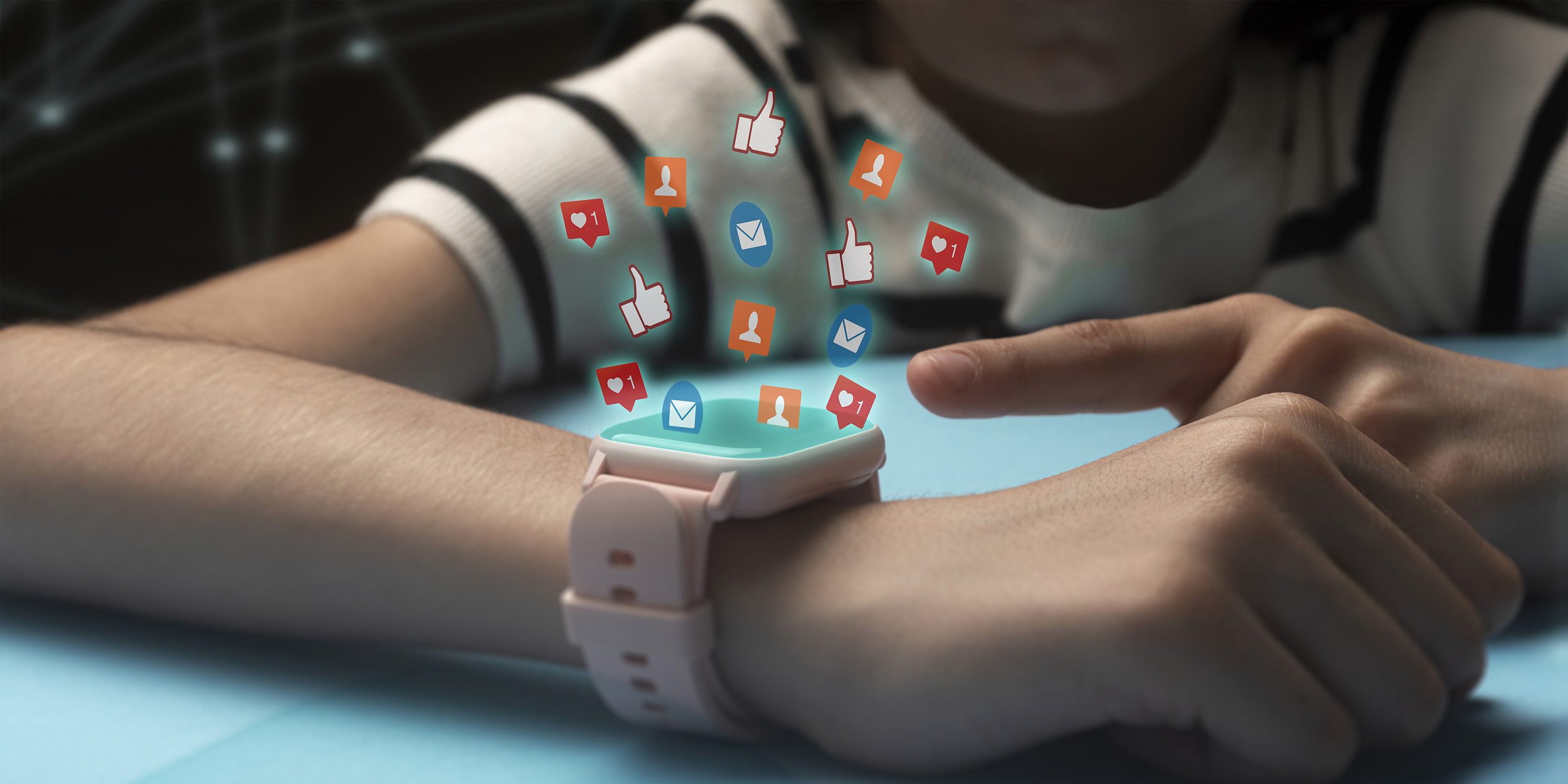
- Smartwatches: Track health signs and send reminders.
- Wearable cameras: Capture moments to improve social skills.
- Emotion-sensing bands: Detect stress or anxiety levels.
- GPS trackers: Ensure safety by locating the wearer.
- Communication devices: Help non-verbal users express themselves.
How They Work
Wearables use sensors to collect data from the body or environment. The devices analyze this data to detect changes in behavior or emotions. Alerts are sent to users or caregivers for quick action. Some wearables use apps that offer guidance and support. They encourage independence by giving users control over their needs. The devices work quietly and continuously for ongoing help.

Credit: www.mdpi.com
Benefits For Autistic Individuals
Wearable technology offers many benefits for autistic individuals. These devices support daily life and improve well-being. Small gadgets can make communication easier and reduce stress. They also help keep users safe in different situations. This section explores key benefits of wearable tech for people with autism.
Improving Communication
Wearables provide new ways to express thoughts and feelings. Some devices use symbols or pictures to help users share ideas. They can translate gestures or sounds into clear words. This support reduces frustration and builds confidence. Communication becomes faster and more natural.
Managing Sensory Overload
Many autistic people feel overwhelmed by loud noises or bright lights. Wearable sensors detect rising stress levels early. They alert users to take breaks or use calming techniques. Some devices offer soothing sounds or vibrations to ease discomfort. This helps prevent meltdowns and promotes calmness.
Enhancing Safety
Wearables track location and monitor health signs like heart rate. Caregivers receive alerts if the user wanders or shows distress. Emergency buttons on devices allow quick calls for help. These features give peace of mind to both users and families. Safety improves without limiting independence.
Challenges And Limitations
Wearable technology offers many benefits for autistic individuals. Still, it faces several challenges and limits that affect its success. Understanding these issues is key to improving these tools and making them more useful.
Privacy Concerns
Wearables collect personal data, including health and behavior details. This raises worries about who can access this sensitive information. Many users fear their data might be shared without permission. Strong privacy protections are needed to build trust. Clear rules on data use help protect users from misuse or theft.
Technical Issues
Devices must work reliably to be effective. Battery life can be short, causing interruptions. Sensors might give inaccurate readings in some environments. Software glitches may confuse users or caregivers. Regular updates and testing are crucial to fix problems quickly. Technology must be simple enough for easy use.
User Acceptance
Not all autistic people feel comfortable using wearable devices. Some find them distracting or uncomfortable to wear. Others may resist change or new technology. Acceptance depends on design, ease of use, and clear benefits. Involving users early in development helps create better products. Support and training also encourage ongoing use.
Real-life Success Stories
Real-life success stories reveal the true impact wearable technology can have on autistic individuals. These stories go beyond theory, showing how practical devices improve daily life. They offer hope and ideas you might consider for yourself or someone you care about.
Case Studies
Take the story of Alex, a non-verbal teenager who struggled with anxiety during social interactions. Using a wearable device that monitors heart rate and provides calming feedback, Alex learned to manage stress better. His parents noticed fewer meltdowns and more moments of calm, proving that simple tech can make big differences.
Another case involves Maya, a young adult who found it hard to maintain focus at work. A smartwatch with reminders and gentle vibrations helped her stay on track with tasks. This small change increased her confidence and independence, showing how wearables can support daily functioning.
User Testimonials
- John’s Experience:“The wearable helped me recognize when I was getting overwhelmed. It gave me time to step back before things got too intense.”
- Sarah’s Insight:“Having a device that alerts me quietly is a game-changer. It’s like having a personal assistant who cares.”
- Liam’s Reflection:“I didn’t think a gadget could help me connect better, but it did. It’s made socializing less stressful.”
What challenges do you face daily that wearable technology might ease? These stories suggest that by paying attention to specific needs, wearables can offer real, tailored support. Could such a device be your next step toward greater comfort and control?
Future Trends In Wearable Tech
Wearable technology holds great promise for autistic individuals. Its future is bright, with new trends shaping how these devices support daily life. These trends focus on smarter features, better therapy connections, and personal fit. Each step brings wearables closer to meeting unique needs.
Advancements In Ai
Artificial intelligence will make wearables smarter and more helpful. Devices can learn from user behavior and adapt in real time. AI can detect stress or sensory overload early. This lets the device respond quickly to calm the user. It also helps predict challenges before they happen. AI-driven insights make daily routines easier to manage.
Integration With Therapy
Wearables will connect more with therapy programs. Data from devices can guide therapists in real time. This supports personalized care and tracks progress accurately. Wearables might offer interactive exercises based on current needs. Such integration improves therapy effectiveness outside the clinic. It encourages continuous support and faster learning.
Customization And Adaptability
Future wearables will be highly customizable. Users can choose features that fit their preferences and needs. Devices will adjust settings automatically for comfort and effectiveness. Adaptable wearables can change sensory inputs like sound or light. This helps reduce discomfort and sensory overload. Personalization makes technology more user-friendly and supportive.
Credit: www.sixthtone.com
Choosing The Right Device
Choosing the right wearable technology device can be a game-changer for autistic individuals. It’s not just about picking a gadget; it’s about finding a tool that truly fits their unique needs and daily challenges. The right device can provide comfort, improve communication, and offer support in moments of stress.
Key Features To Consider
Look for devices that offer simplicity and ease of use. Features like clear visual displays, gentle vibrations, and customizable alerts can make a huge difference. Devices that track physiological signals such as heart rate or skin temperature can help anticipate sensory overload or anxiety.
Durability matters too. A device needs to withstand daily wear and occasional rough handling without causing frustration. Also, consider battery life—no one wants a helpful tool that dies halfway through the day.
Think about connectivity options as well. Some devices connect to smartphones or tablets to share data with caregivers or therapists. This feature can help personalize support based on real-time information.
Cost Vs. Benefit
Wearable technology can vary widely in price, from affordable fitness trackers to specialized devices costing hundreds of dollars. Ask yourself: does the device offer benefits that justify its cost? Sometimes, a simpler, less expensive device can provide essential support without breaking the bank.
Consider the long-term value. Will the device grow with the user’s needs? Will it reduce stress or improve daily routines enough to make the investment worthwhile? Sometimes spending a bit more upfront can save time and energy later.
Remember, the most expensive device isn’t always the best fit. Focus on what will truly help in daily life. Could a basic device with a few key features improve communication or reduce anxiety? Finding this balance is crucial.
Frequently Asked Questions
How Does Wearable Technology Assist Autistic Individuals Daily?
Wearable technology helps autistic individuals manage stress and sensory overload. It tracks emotions and provides real-time feedback. This support improves communication and social interaction. Devices like smartwatches and sensors offer personalized alerts and coping strategies.
Can Wearables Improve Communication For Autistic People?
Yes, wearables can enhance communication by translating emotions into signals. They help users express feelings non-verbally. This technology bridges gaps in understanding and promotes social engagement. It supports both users and caregivers effectively.
What Types Of Wearable Devices Benefit Autistic Users Most?
Smartwatches, biosensors, and sensory-friendly wearables are most beneficial. These devices monitor physiological signs and sensory input. They provide alerts to prevent meltdowns and anxiety episodes. Their design focuses on comfort and ease of use.
Are Wearable Technologies Safe For Autistic Children?
Wearable technologies are generally safe when used properly. They are designed with user comfort and privacy in mind. Parents and caregivers should supervise usage to ensure safety. Proper guidance maximizes benefits and minimizes risks.
Conclusion
Wearable technology offers new ways to support autistic people daily. It helps with communication, safety, and managing emotions. These tools can fit many needs and preferences. Progress in technology means more useful devices will come. Challenges remain, but hope grows for better support.
Everyone deserves tools that make life easier and happier. Small steps lead to bigger changes over time. The future looks promising for wearable help in autism care.