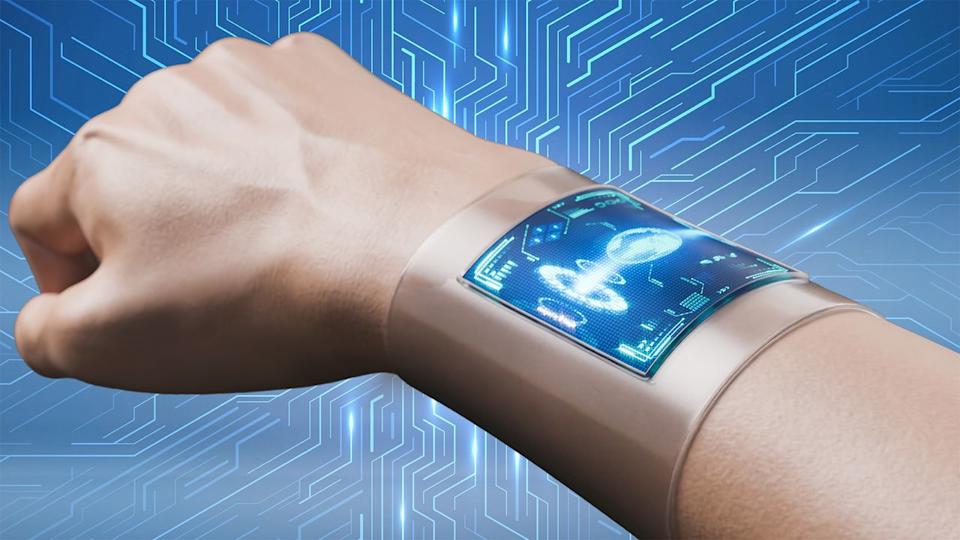
Are Smart Wearables the Future of Technology: Unveiling Tomorrow
Imagine having technology that fits right on your wrist or even inside your clothes, keeping you connected, healthy, and informed all day long. Smart wearables are not just gadgets; they are changing how you live, work, and play.
But are these tiny devices really the future of technology? If you’ve ever wondered how a simple watch or fitness band could make your life easier, this article will open your eyes to what’s coming next. Keep reading to discover how smart wearables might become your most essential tech companion.
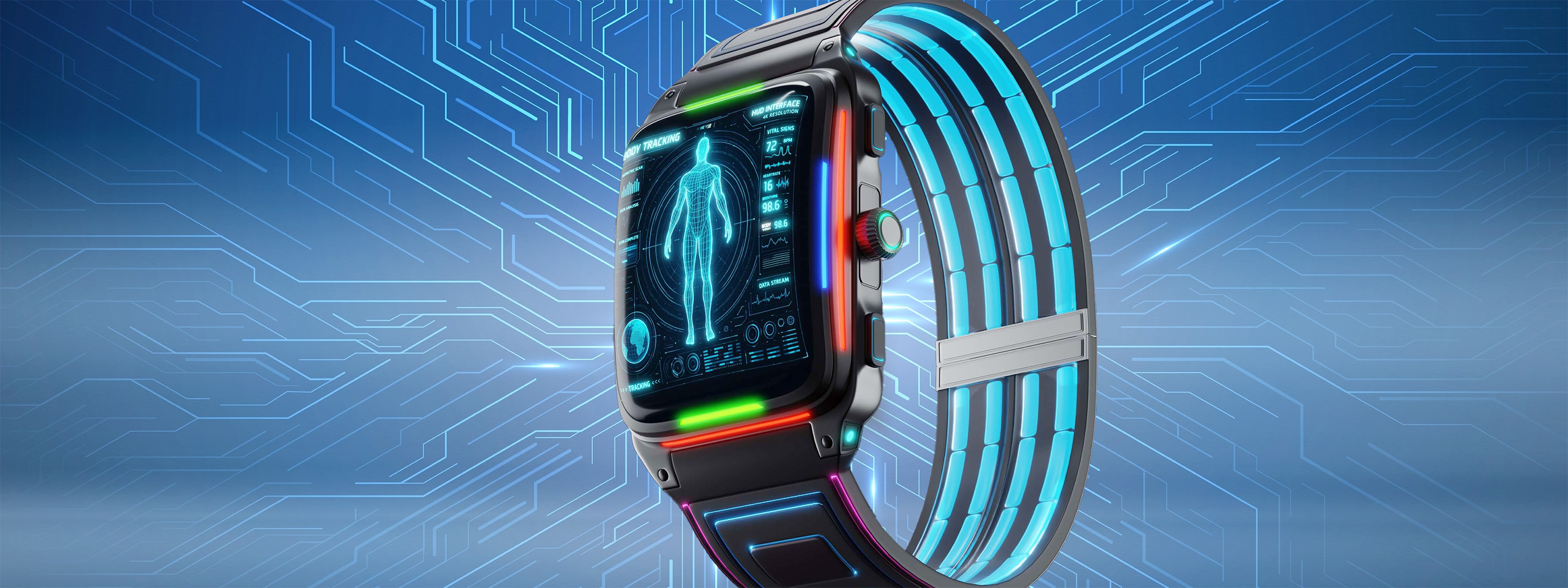
Credit: www.tomsguide.com
Rise Of Smart Wearables
The rise of smart wearables is reshaping how you interact with technology daily. These devices are no longer just gadgets; they are becoming essential tools for health, communication, and productivity. Have you noticed how seamlessly some wearables blend into your lifestyle, making tasks easier without interrupting your flow?
Evolution Of Wearable Technology
Wearables started as simple fitness trackers that counted steps and calories. Over the years, they’ve evolved into sophisticated devices that monitor heart rates, track sleep quality, and even detect irregular health patterns. Think about the first time you used a smartwatch—did it feel like just a fancy watch, or did it change how you manage your time and notifications?
Advancements in sensors and battery life have made wearables smaller and more powerful. Early models were bulky and limited, but today’s devices offer continuous monitoring and real-time data analysis. This progression shows how technology adapts to meet your needs more efficiently.
Current Market Trends
Smart wearables are expanding beyond fitness with features like contactless payments, voice assistants, and even augmented reality. Brands are focusing on personalized experiences, customizing alerts and health suggestions based on your unique data. Are you using any wearable that learns from your habits and helps you improve your daily routine?
The market is also shifting towards more stylish and diverse designs to suit different tastes and occasions. From luxury smartwatches to discreet health monitors, there’s a wearable for almost every lifestyle. This diversity means you can find a device that fits your personality and goals without compromising style.
Key Features Driving Innovation
Smart wearables are changing how we interact with technology every day. Their key features are pushing the boundaries of what gadgets can do, making them more than just accessories. Let’s look at the main elements that make these devices essential for the future.
Health And Fitness Tracking
Tracking your health has never been easier. Smart wearables monitor heart rate, sleep patterns, and physical activity with impressive accuracy. Imagine getting real-time feedback during your workouts or early warnings about potential health issues.
These devices motivate you to stay active and maintain better habits. Have you noticed how a simple vibration reminding you to move can change your day? This feature turns your wearable into a personal health coach that fits right on your wrist.
Seamless Connectivity
Smart wearables keep you connected without needing your phone in hand all the time. They deliver notifications, calls, and messages instantly, so you never miss important updates. This hands-free access lets you focus on what matters, whether you’re working or relaxing.
They also sync smoothly with other devices and apps, creating an integrated tech ecosystem around you. How often do you find yourself reaching for your phone just to check a notification? Wearables remove that hassle, making connectivity effortless.
Enhanced User Experience
The design and usability of smart wearables continue to improve rapidly. Touchscreens, voice commands, and customizable interfaces make them intuitive and easy to use. You don’t need to be a tech expert to navigate these devices effectively.
Personalization options let you tailor your wearable to fit your lifestyle and preferences. Whether it’s changing watch faces or adjusting notification settings, you control how your device works for you. What features would you want to see in your ideal wearable?
Impact On Daily Life
Smart wearables are changing how you interact with the world every day. They are not just gadgets but tools that influence your work, health, and even how you unwind. Understanding their impact on daily life helps you see their real value beyond the tech hype.
Work And Productivity
Imagine receiving important notifications without checking your phone constantly. Smartwatches and fitness bands keep you connected and focused by delivering alerts subtly on your wrist.
Many professionals use wearables to track their work hours and manage tasks. This simple habit can increase your efficiency and help maintain a better work-life balance.
Have you ever missed a meeting or deadline because you were distracted? Wearables can reduce such risks by keeping you organized and aware in real time.
Healthcare And Wellness
Wearables monitor your heart rate, sleep patterns, and physical activity. This data gives you insights into your health that were once only available through doctors.
People managing chronic illnesses use smart wearables for continuous monitoring, enabling timely interventions. This practical use can save lives and improve quality of life.
How often do you think about your daily steps or hydration? These devices gently remind you to stay active and healthy, turning small habits into lasting improvements.
Entertainment And Lifestyle
Smart wearables offer quick access to music, podcasts, and even games. You can enjoy entertainment without pulling out your phone, keeping your hands free and your focus sharp.
They also enhance social interactions by allowing you to respond to messages or calls discreetly. This can change how you stay connected in busy environments.
Think about the last time you used a wearable to check the weather or control your smart home devices. These small conveniences add up, making your lifestyle smoother and more enjoyable.
Challenges Facing Smart Wearables
Smart wearables hold incredible promise, but they face several hurdles that could slow their widespread adoption. These challenges are not just technical—they touch on your privacy, daily comfort, and convenience. Understanding these issues helps you make smarter choices about the devices you wear every day.
Privacy And Security Concerns
Smart wearables collect a lot of personal data, from your heart rate to your location. This raises serious questions about who can access this information and how it’s protected.
You might wonder, how safe is your health data from hackers? Unfortunately, many devices still lack robust encryption, leaving your sensitive info vulnerable. Always check if the wearable you choose offers strong security features and clear privacy policies.
Battery Life Limitations
Nothing frustrates more than your wearable dying in the middle of the day. Battery life remains a major limitation, with many devices needing daily charging.
Imagine relying on your smartwatch for notifications or health tracking, only to have it power down unexpectedly. Look for wearables that balance advanced features with efficient power use, so you aren’t constantly tethered to a charger.
Design And Comfort Issues
Wearing a device all day means it has to feel good on your skin. Some smart wearables are bulky or made from materials that irritate, which can make you want to take them off.
Have you ever stopped using a gadget simply because it was uncomfortable? Designers must focus on lightweight, breathable materials and adjustable fits to keep you comfortable without sacrificing functionality.
Future Trends And Possibilities
The future of smart wearables holds exciting possibilities that could change how you interact with technology every day. As these devices become more powerful and interconnected, they will offer new ways to enhance your health, work, and lifestyle. Let’s look at some key trends shaping what lies ahead.
Integration With Ai And Iot
Smart wearables will increasingly connect with artificial intelligence and the Internet of Things to offer more personalized experiences. Imagine your watch not only tracking your fitness but also analyzing your habits to suggest better routines. This seamless interaction means your devices will work together to anticipate your needs and make smarter decisions on your behalf.
Have you ever wished your devices could talk to each other without you having to intervene? This trend is pushing wearables to become central hubs in your digital ecosystem, improving convenience and efficiency.
Advanced Sensors And Materials
New sensors will allow smart wearables to monitor health metrics with medical-grade accuracy. From tracking blood sugar levels to detecting stress, these sensors will provide valuable insights right from your wrist. At the same time, materials will become lighter and more durable, making devices comfortable to wear all day without feeling bulky.
Consider how much easier it will be to manage your health when your wearable can alert you to issues before symptoms even appear. This proactive approach could save you time, money, and worry.
Expansion Into New Industries
Wearables are already popular in fitness and healthcare, but their reach will soon expand into sectors like education, manufacturing, and entertainment. For example, students might wear devices that help improve focus or track learning progress. In factories, wearables could monitor worker safety in real time, reducing accidents.
What new ways could you see wearables improving your daily routine or work environment? This expansion means more tailored solutions for different needs, making technology more useful for everyone.
Credit: www.tomsguide.com
Consumer Adoption And Market Growth
The rise of smart wearables shows a clear trend in consumer adoption and market growth. More people are buying devices like smartwatches, fitness bands, and smart glasses. These gadgets offer convenience, health tracking, and connectivity. This growing interest drives companies to innovate and expand their product lines. The market for smart wearables is becoming more competitive and diverse.
Understanding who uses these devices helps predict future trends. The growth also depends on how different regions accept this technology. Market reports reveal strong forecasts for the coming years. This growth suggests smart wearables will play a larger role in daily life.
User Demographics
Young adults lead in adopting smart wearables. They use these devices for fitness, notifications, and social connections. Middle-aged users value health monitoring features. Older adults are slowly adopting wearables for medical alerts and activity tracking.
- Age group 18-34: Highest adoption rates
- Age group 35-54: Growing interest in health functions
- Age group 55+: Increasing use for safety and health monitoring
- Tech-savvy users prefer advanced features
- Casual users focus on basic functions like time and notifications
Global Market Forecasts
Global sales of smart wearables are expected to rise sharply. Asia-Pacific leads in market growth due to large population and tech adoption. North America and Europe maintain strong demand with high purchasing power.
| Region | Market Growth Rate (2024-2029) | Key Drivers |
|---|---|---|
| Asia-Pacific | 15% CAGR | Smartphone integration, health awareness |
| North America | 10% CAGR | Advanced technology, fitness trends |
| Europe | 9% CAGR | Healthcare focus, innovation |
The global market shows strong potential for growth. Increasing consumer interest and technology improvements support this trend.
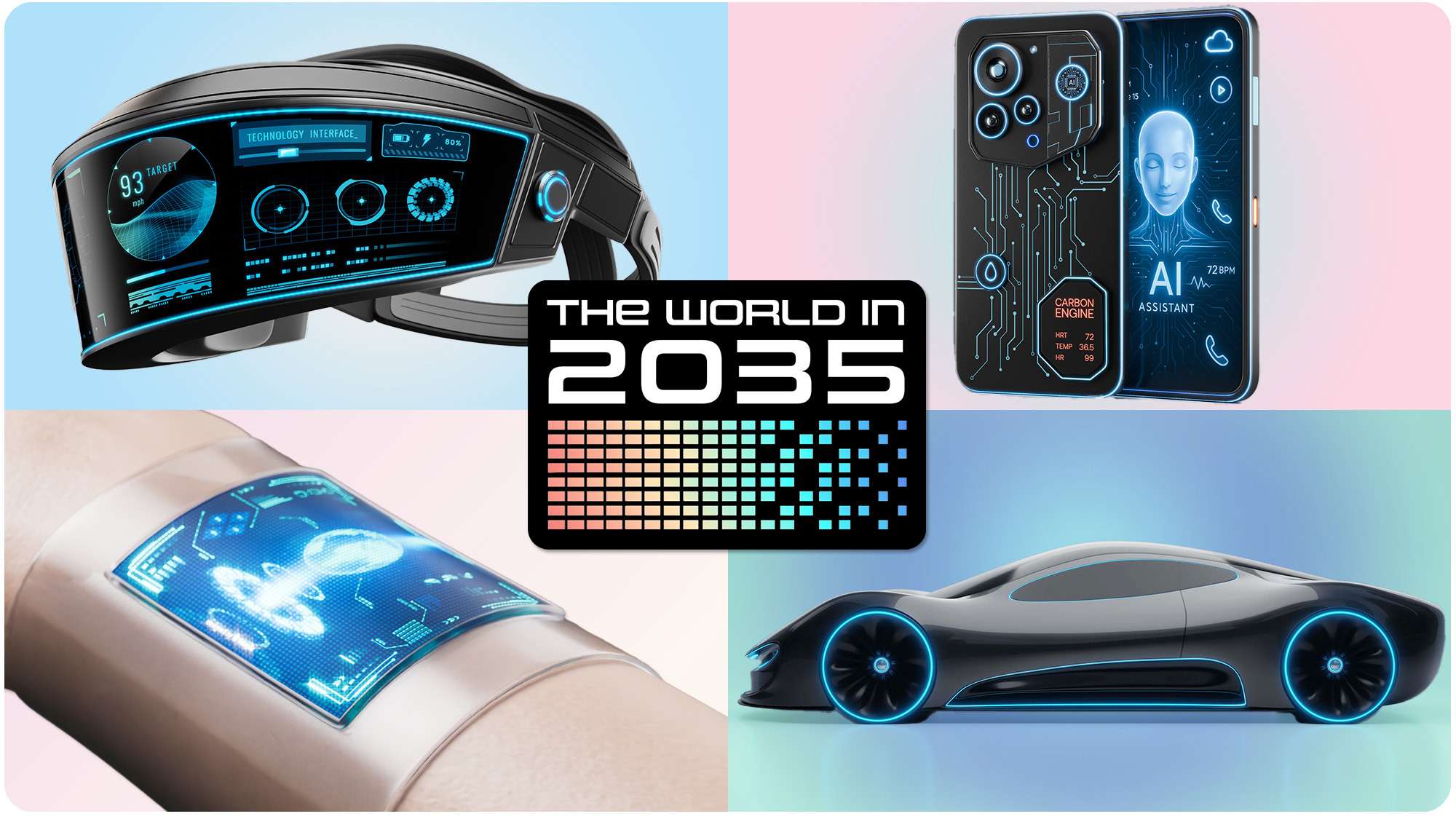
Credit: www.tomsguide.com
Frequently Asked Questions
What Are Smart Wearables And How Do They Work?
Smart wearables are electronic devices worn on the body. They collect and analyze data using sensors. These devices connect to smartphones or the internet for real-time updates and notifications.
Why Are Smart Wearables Considered The Future Of Technology?
Smart wearables offer convenience, health tracking, and connectivity. They integrate seamlessly into daily life, enhancing productivity and wellness. Their evolving features make them essential tech tools.
How Do Smart Wearables Improve Health And Fitness?
Smart wearables monitor heart rate, steps, sleep, and activity levels. They provide personalized insights and reminders for healthier habits. This real-time data motivates users to stay active and improve wellness.
Are Smart Wearables Secure For Personal Data?
Smart wearables use encryption and secure protocols to protect data. However, users should enable privacy settings and update software regularly. Security depends on both technology and user awareness.
Conclusion
Smart wearables continue to grow in use and features. They help people stay healthy, connected, and organized. Technology keeps getting smaller and easier to wear every day. These devices will likely play a bigger role in our lives soon. Many industries already benefit from smart wearables.
The future looks bright for this technology. It offers convenience and new ways to interact with the world. Smart wearables seem set to stay and evolve. The question is not if, but how fast.