Do Radon Systems Need Maintenance: Essential Insights
Are you sure your radon system is working as it should? Many people install radon systems to keep their homes safe but forget one crucial step—maintenance.
Just like any important home device, your radon system needs regular care to keep protecting you and your family. If you want to breathe easy and avoid hidden dangers, understanding how to maintain your radon system is key. Keep reading to learn what you need to do to keep your home safe and your system running smoothly.

Credit: utahradon.org
Radon System Basics
Understanding the basics of radon systems is key if you’re concerned about radon levels in your home. Radon is a colorless, odorless gas that can pose serious health risks. Knowing how these systems work and the types available helps you make informed decisions about maintenance and safety.
Types Of Radon Systems
There are several types of radon mitigation systems, each designed to suit different home structures and radon levels. The most common is the sub-slab depressurization system, which involves installing pipes beneath your home’s foundation to vent radon gas outside.
Another type is the drain-tile suction system, used where homes have a drain tile or perforated pipe beneath the slab. It actively pulls radon from the soil and vents it safely outdoors.
For homes without basements, a crawl space ventilation systemimproves air circulation to reduce radon buildup. Some systems also combine ventilation with sealing cracks and openings to limit radon entry.
How Radon Systems Work
Radon systems create a pressure difference between your home and the soil underneath. This pressure change stops radon from entering your living space.
A fan attached to the system pulls radon gas from below the foundation and pushes it outside, where it disperses harmlessly in the air. This process runs continuously to keep your home safe.
Have you checked if your radon fan is still running quietly? A malfunctioning fan can let radon levels rise again without you noticing. Regular checks ensure your system works as intended, protecting your family effectively.
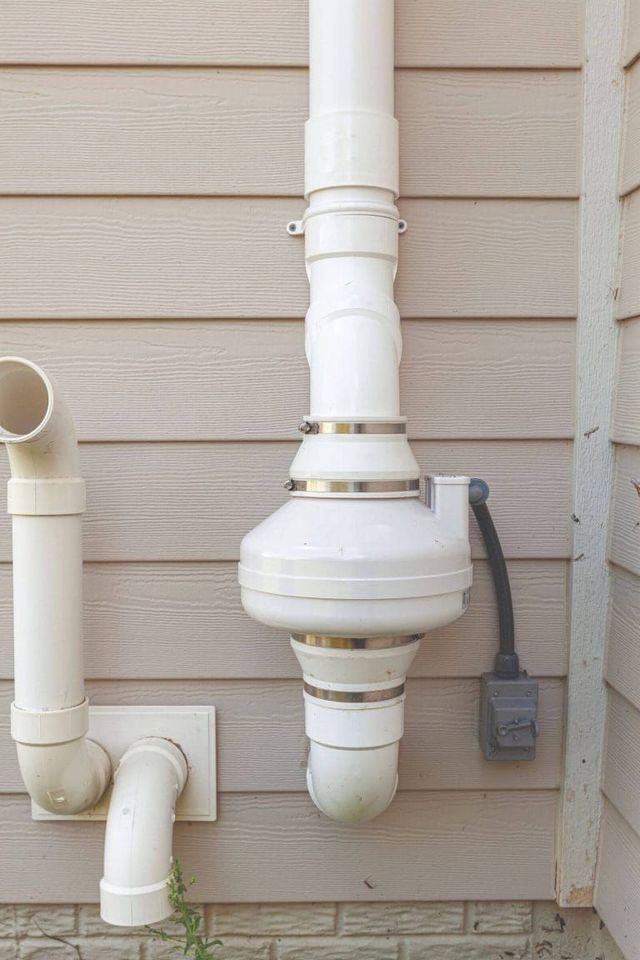
Credit: www.johnnyenviro.com
Signs Radon Systems Need Maintenance
Radon systems are crucial for keeping your home safe from harmful radon gas. But just like any system, they need attention to work effectively. Recognizing the signs that your radon system needs maintenance can save you from costly repairs and health risks.
Common Warning Indicators
One clear sign is an unexpected rise in radon levels in your home. If your radon detector shows higher readings than usual, it may mean the system isn’t working properly.
Listen for unusual noises coming from the radon system’s fan or vent pipe. A loud or constant humming can indicate a mechanical problem.
Check for visible damage, like cracks or holes in the pipes, or loose connections. These can reduce the system’s efficiency and let radon seep back inside.
Another sign is water pooling around the radon system components, which can cause corrosion or blockages. If you notice damp spots near the system, it’s time to inspect it closely.
Impact Of Neglected Maintenance
Ignoring these signs can lead to a dangerous buildup of radon gas in your home. Radon is a silent threat; you won’t smell or see it, but it can cause serious health problems over time.
A broken or inefficient system can also mean higher energy bills because the fan might be working harder or longer than necessary. This adds unnecessary costs to your household budget.
Regular maintenance prevents costly repairs. Waiting too long can lead to major system failures that require complete replacement, which is much more expensive.
Have you checked your radon system lately? Catching small issues early can protect your home and family effectively.
Routine Maintenance Tasks
Radon systems need regular care to work well and keep your home safe. Routine maintenance helps spot small problems before they grow. It also ensures the system runs quietly and uses less energy. Simple tasks can keep your radon system effective for many years.
Inspecting System Components
Check the pipes, seals, and joints for cracks or leaks. Look for any signs of wear or damage. Tighten loose fittings to stop radon from escaping. Make sure the system’s vent pipe is clear and properly connected. Early inspection avoids costly repairs later.
Cleaning And Filter Replacement
Clean dust and debris from the system’s exterior regularly. Some radon systems have filters that trap particles. Replace these filters every 6 to 12 months. A clean filter improves air flow and system performance. Follow the manufacturer’s guide for proper cleaning steps.
Checking Fan Operation
Listen to the fan to ensure it runs smoothly without noise. Feel the fan housing for vibrations or unusual sounds. Check if the fan is running continuously, as it should. Test the system pressure with a gauge if possible. A working fan is key to removing radon gas safely.
Professional Inspection And Servicing
Professional inspection and servicing keep radon systems working well. These checks help find problems early. They ensure your home stays safe from radon gas. Skilled technicians use special tools to test the system’s performance. Regular service can extend the system’s life and maintain air quality.
When To Call A Specialist
Call a specialist if you notice unusual noises from the system. Sudden changes in radon levels also need expert attention. Schedule an inspection every 1 to 2 years for best results. After severe weather, check the system for damage. If your radon test shows high levels, contact a professional immediately.
What To Expect During Service
Technicians start by inspecting all system parts carefully. They test radon levels to check if the system works well. The fan, pipes, and seals get a thorough check for leaks or cracks. Cleaning may be done to remove any blockages. The technician shares a report and suggests fixes if needed.
Maintaining System Efficiency
Maintaining the efficiency of your radon system is essential to keep your home safe and the air quality high. Even the best-installed systems need attention over time to continue working well. Small upkeep tasks can prevent bigger problems and ensure you breathe easier every day.
Sealing Entry Points
One key to system efficiency is sealing all radon entry points thoroughly. Radon often seeps through cracks in floors, walls, and gaps around pipes. If these spots are not sealed properly, your system has to work harder to reduce radon levels.
Check your basement and crawl spaces for visible cracks or openings. Use appropriate sealants like caulk or hydraulic cement to close these gaps. Sealing not only improves system performance but can also lower your energy bills by reducing drafts.
Have you noticed any damp or musty smells in your home? These can hint at hidden cracks where radon or moisture enters. Regular inspections and sealing help prevent such issues and keep your system running smoothly.
Monitoring Radon Levels Regularly
Keeping an eye on radon levels is crucial even after your system is installed. Radon concentrations can fluctuate due to weather, changes in your home’s foundation, or system wear and tear.
Use a radon detector or test kit to check levels every few months. Many homeowners find it helpful to keep a log of readings to spot any sudden increases. If levels rise, it may mean your system needs repair or adjustments.
Think about how often you check other safety devices in your home, like smoke alarms. Radon testing deserves the same attention. Regular monitoring gives you peace of mind and helps you act before radon becomes a health risk.

Credit: www.angi.com
Cost And Benefits Of Maintenance
Maintaining radon systems involves some costs but offers clear benefits. Proper upkeep ensures the system works correctly and protects your home. Small investments in maintenance can prevent bigger problems later. Understanding these costs and benefits helps you make smart decisions.
Preventing Health Risks
Radon is a dangerous gas that can cause lung cancer. A well-maintained radon system reduces radon levels effectively. Regular checks catch faults early, stopping radon from entering your home. Maintenance keeps your family safe from this invisible threat.
Saving Money Long-term
Fixing a small issue costs less than replacing a system. Maintenance extends the life of your radon system. It avoids expensive repairs caused by neglect. A functioning system also prevents health costs linked to radon exposure. Spending on maintenance saves money over time.
Frequently Asked Questions
How Often Should Radon Systems Be Maintained?
Radon systems typically need maintenance every 1 to 2 years. Regular checks ensure the system operates effectively and prevents radon buildup. Prompt maintenance extends system life and keeps your home safe.
What Are Common Radon System Maintenance Tasks?
Maintenance includes inspecting fans, seals, and pipes for damage or blockages. Checking system pressure and ensuring alarms work properly is vital. Professional inspections help detect hidden issues early.
Can I Maintain My Radon System Myself?
Basic visual inspections can be done by homeowners. However, professional maintenance is recommended for thorough checks and repairs. Experts ensure the system meets safety standards and functions correctly.
Why Is Radon System Maintenance Important?
Proper maintenance keeps radon levels low, protecting your health. It prevents system failures that could lead to dangerous radon exposure. Regular upkeep ensures continuous, effective radon mitigation.
Conclusion
Radon systems need regular care to keep working well. Check them often to catch problems early. Clean filters and fans help the system run smoothly. Testing your home’s radon levels ensures safety for your family. Small efforts now can prevent big issues later.
Stay aware and keep your system in good shape. This simple care protects your home from radon risks. Don’t let radon go unchecked—maintenance matters.