Do Smart Devices Emit More Radiation When Searching for Signal? Uncovered
Have you ever noticed your phone heating up or using more battery when the signal is weak? You might wonder if your smart device is emitting more radiation during those moments.
Understanding how your device behaves when searching for a signal is important—not just for your phone’s performance, but also for your health. Keep reading to find out what really happens inside your smart device and what you can do to protect yourself.
Radiation Basics
Understanding radiation is key to knowing how smart devices work. Radiation is energy that moves through space or materials. It comes in many forms, some safe and some harmful. Smart devices use specific types of radiation to send and receive signals. This section explains the basics of radiation related to these devices. Knowing this helps clear up common worries about radiation exposure.
Types Of Radiation From Devices
Smart devices mainly emit non-ionizing radiation. This type has lower energy than ionizing radiation. Non-ionizing radiation includes radio waves, microwaves, and visible light. Devices use radio waves to communicate with cell towers and Wi-Fi. This radiation does not damage DNA or cells directly. Ionizing radiation, like X-rays, is not emitted by smart devices. Understanding these types helps reduce fear about device radiation.
How Radiation Is Measured
Radiation from smart devices is measured in specific units. The most common is the Specific Absorption Rate (SAR). SAR shows how much radiation the body absorbs from a device. It is measured in watts per kilogram (W/kg). Government agencies set limits on safe SAR levels. Devices must pass these tests before sale. Radiation power can also be measured in milliwatts (mW). These measurements ensure devices stay within safe exposure levels.
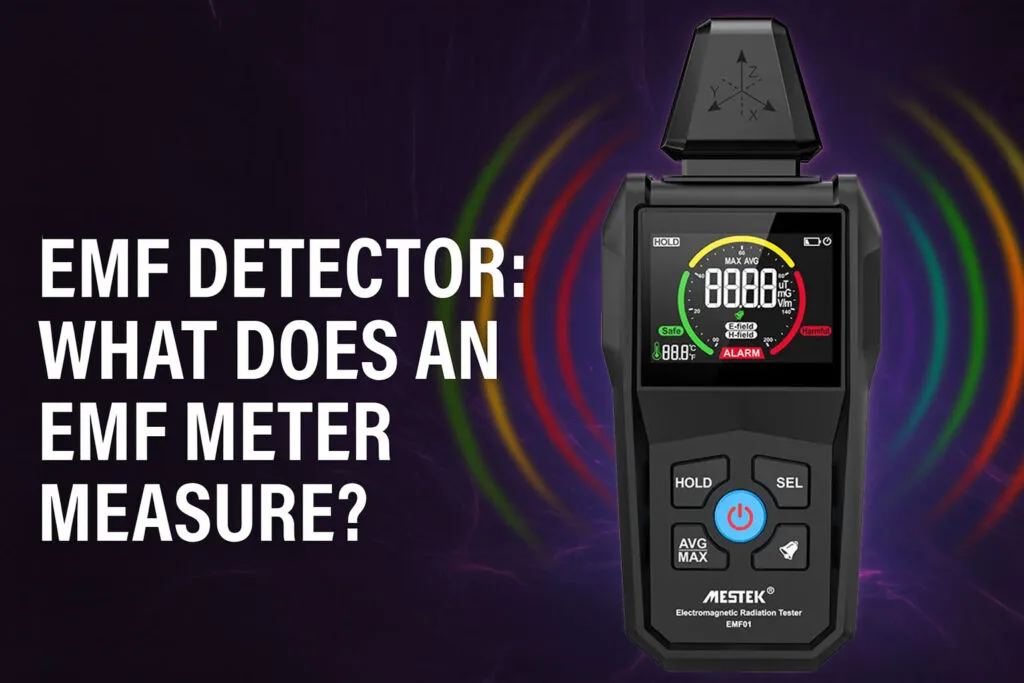
Credit: mestekinstruments.com
Signal Searching Process
Understanding the signal searching process is key to knowing why your smart device might emit more radiation at certain times. Every time your phone or tablet struggles to find a stable connection, it increases its efforts to communicate with nearby cell towers or Wi-Fi routers. This effort can lead to higher radiation emissions, but what exactly happens during this process?
What Happens When Devices Search For Signal
Your device constantly scans the environment for the best available signal. When the signal is weak or lost, it boosts its transmitter power to reach a more distant or stronger source.
This boost means your device sends out stronger radio waves, which translates to more radiation emission temporarily. Think about a time you were in a basement or a remote area—your phone probably heated up or drained battery faster because it was working harder to find a connection.
The searching process involves:
- Scanning multiple frequencies to detect any available network.
- Increasing power output to send signals over longer distances.
- Repeating the process until a stable connection is established.
Factors Affecting Signal Strength
Several factors impact how strong or weak your device’s signal will be, which in turn affects how much radiation is emitted during the searching phase.
| Factor | How It Affects Signal | Impact on Radiation |
|---|---|---|
| Distance from Cell Tower | Greater distance means weaker signal. | Device increases power output to connect, raising radiation. |
| Obstacles (Buildings, Trees) | Physical barriers block or weaken signals. | Device works harder, emitting more radiation. |
| Network Congestion | Many users sharing the same tower reduce signal quality. | Devices boost signal strength intermittently, increasing emissions. |
| Device Hardware | Older or cheaper devices may have weaker antennas. | More power needed to maintain connection, more radiation emitted. |
Have you noticed your phone acting differently in crowded places or indoors? These real-life observations highlight how your device adapts its signal searching, impacting radiation levels. Being aware of these factors helps you make smarter choices about where and how you use your devices.
Radiation Levels During Signal Search
Smart devices rely on wireless signals to stay connected. At times, they search actively for a stronger signal. This process raises questions about radiation levels during such searches. Understanding these radiation changes helps users assess any potential risks. Radiation levels vary depending on the device’s state—idle or searching.
Comparing Idle Vs Searching Radiation Emission
When a device is idle, it emits low radiation. It maintains minimal communication with nearby towers. The power output remains at a low level to save battery and reduce exposure.
During signal searching, the device increases power. It sends stronger signals to find the best connection. This boost raises radiation emissions temporarily.
Key differences include:
- Idle state radiation is steady and low.
- Searching state radiation spikes for short periods.
- Radiation return to low levels once connection is found.
Scientific Studies And Findings
Researchers have measured radiation during different device states. Studies show radiation rises during active searching. The increase depends on factors like signal strength and device model.
One study found that searching can double radiation emission briefly. Yet, overall exposure stays within safety limits set by health authorities.
Important findings include:
- Radiation spikes last only seconds to minutes.
- Average radiation remains low during daily use.
- No clear evidence links searching radiation to health problems.
Credit: www.snopes.com
Impact On Health
The impact of smart devices emitting radiation while searching for signals is a concern for many users. Understanding how this radiation affects your health is crucial. It helps you make informed decisions about your device usage and safety measures.
Potential Risks Of Increased Radiation
When your device struggles to find a signal, it often increases its radiation output. This means you might be exposed to higher levels of electromagnetic fields (EMF) than usual. Some studies suggest that prolonged exposure to elevated radiation could cause headaches, sleep disturbances, or even more serious health issues.
Have you ever noticed discomfort or buzzing in your ear when your phone is hunting for a signal? This could be linked to increased radiation. While conclusive evidence is still being researched, it’s wise to stay cautious and limit unnecessary exposure.
Safety Guidelines And Limits
Regulatory bodies like the FCC and WHO set safety limits for radiation emissions from smart devices. These limits are designed to keep exposure within levels considered safe for humans. Your device must meet these standards before it reaches the market.
You can protect yourself by following simple tips:
- Use speaker mode or headphones to keep the device away from your head.
- Avoid making calls in areas with poor reception where your device works harder.
- Turn off wireless functions when not needed, like Wi-Fi or Bluetooth.
Knowing these guidelines empowers you to reduce any potential health risks. What small changes can you start today to lower your radiation exposure?
Reducing Radiation Exposure
Reducing radiation exposure from your smart devices is a practical concern that many overlook. Radiation levels can fluctuate, especially when your device struggles to find a signal. Taking simple steps can help you keep your exposure as low as possible without sacrificing convenience.
Best Practices For Device Usage
Holding your phone away from your head during calls can significantly cut down radiation exposure. Using speaker mode or wired earbuds are easy ways to create distance. Have you noticed your phone’s signal bars drop inside certain buildings? Avoid making calls or streaming videos in those spots to reduce the device working harder to connect.
Switching off wireless features like Wi-Fi, Bluetooth, or mobile data when not in use lowers constant radiation emission. Charging your phone overnight with it away from your bed also makes a difference. How often do you check your phone in airplane mode? This mode stops radiation but keeps offline apps functional, a smart way to reduce exposure during quiet moments.
Technological Advances To Minimize Emission
Smart device makers are improving hardware to emit less radiation. Newer models often come with adaptive power control, which reduces signal strength when full power isn’t necessary. This means your phone won’t blast out high radiation in strong signal areas.
Some devices now include radiation shields built into their design. These shields help direct emissions away from your body. Software updates can also optimize how your device searches for signals, cutting down radiation spikes during poor reception.
Have you explored apps that monitor radiation levels? They offer real-time feedback, helping you adjust your usage habits. Staying informed about these technological tools empowers you to protect yourself without giving up your smart lifestyle.

Credit: www.waveblock.com
Myths Vs Facts
Understanding the difference between myths and facts about smart devices and radiation can help you make better decisions about your tech use. Many people worry that their phone or tablet emits more radiation when searching for a signal, but not all information out there is accurate. Let’s separate the common misconceptions from what science actually says.
Common Misconceptions About Radiation
One popular belief is that smart devices emit dangerously high levels of radiation when they struggle to find a signal. You might have noticed your phone’s signal bars dropping and assumed the radiation spikes immediately. Another misconception is that radiation from these devices can cause severe health issues in a short time.
Some people think turning off Wi-Fi or cellular data completely stops radiation, but the device may still emit low levels for background processes. Others believe that radiation exposure is cumulative and always harmful regardless of intensity or duration.
Clarifying The Truth
Smart devices do increase their radiofrequency output when searching for a signal, but this increase is controlled and remains within safety limits. Radiation levels from phones are regulated by agencies like the FCC to keep you safe during normal use.
Remember, the increased radiation when signal strength is low is still very minimal compared to other everyday sources like sunlight or even your microwave. If you want to reduce exposure, simple steps like using speaker mode, texting instead of calling, or keeping your device away from your body can help.
Have you ever noticed your phone working harder in the basement or crowded areas? That’s the device trying to connect, but it doesn’t mean it’s a radiation hazard. Understanding these facts helps you stay calm and use your devices confidently without unnecessary fear.
Frequently Asked Questions
Do Smart Devices Emit More Radiation Searching For Signal?
Yes, smart devices emit more radiation when searching for a signal. The device increases power to locate a network, resulting in higher radiation emissions. This typically happens in areas with poor network coverage. Minimizing use in low-signal areas can help reduce exposure.
Why Do Devices Emit More Radiation With Low Signal?
Devices emit more radiation with low signal because they boost power to find a network. This increased power helps maintain connectivity, but also elevates radiation levels. Reducing device usage in these areas can help lower radiation exposure.
How Can I Reduce Radiation From Smart Devices?
To reduce radiation, limit use in poor signal areas and enable airplane mode. Using a headset or speakerphone can also help. Keep the device away from the body whenever possible to minimize exposure.
Is Radiation From Smart Devices Harmful?
Radiation from smart devices is generally considered low-risk. However, prolonged exposure in low-signal areas may pose health concerns. It’s advisable to take precautions, such as using speakerphones or headsets, to limit direct contact.
Conclusion
Smart devices do emit more radiation when searching for a signal. This happens because they use extra power to find a connection. The increase is usually small and lasts only a short time. Keeping devices away from the body can reduce exposure.
Using Wi-Fi or wired connections helps lower radiation. Understanding this helps users make safer choices daily. Stay informed and use devices wisely to protect your health. Simple steps make a big difference in radiation exposure.