How Many Types of Smart Devices are There: Ultimate Guide 2025
Ever wondered just how many types of smart devices are out there, waiting to make your life easier and more connected? You’re not alone.
As technology continues to evolve at lightning speed, you might feel overwhelmed by the sheer number of gadgets promising to revolutionize your everyday tasks. From smart speakers to intelligent thermostats, the options seem endless. But don’t worry, we’re here to help you navigate this smart device jungle.
Imagine having a home that adjusts to your preferences, a watch that tracks your health, and even a refrigerator that helps you manage groceries. Intrigued? Keep reading to discover the fascinating world of smart devices and learn how they can seamlessly integrate into your life.
Credit: smartlifestack.com
Smartphones And Tablets
Smartphones and tablets have become essential smart devices in our daily lives. They keep you connected, entertained, and productive on the go. Understanding the types available helps you choose the right device that fits your needs and budget.
Flagship Models
Flagship smartphones and tablets showcase the latest technology and premium features. Brands like Apple, Samsung, and Google push the limits with powerful processors, advanced cameras, and vibrant displays. These devices often receive the fastest software updates, making them ideal if you want the best performance and longevity.
Consider how owning a flagship device feels—it’s like having a portable powerhouse. But ask yourself, do you really need all those high-end features if your daily tasks are simple?
Budget And Mid-range Devices
Budget and mid-range devices offer great value without breaking the bank. They usually come with decent cameras, good battery life, and smooth performance for everyday use. Brands like Xiaomi, Motorola, and OnePlus provide reliable options that fit many budgets.
If you mostly use your device for social media, browsing, or streaming, these models might be perfect for you. What features can you sacrifice to save money and still enjoy a good experience?
Foldable And Dual-screen Devices
Foldable and dual-screen smartphones and tablets are changing how you interact with your device. They offer larger screen real estate without increasing the device’s pocket size. Samsung’s Galaxy Z Fold and Microsoft Surface Duo are popular examples that blend phone and tablet functionality.
Think about how a foldable device could change your multitasking or gaming habits. Are you ready to adapt to a new form factor that might redefine your mobile experience?
Wearable Technology
Wearable technology has become a powerful extension of your daily life, blending convenience with innovation. These devices not only track your health and fitness but also keep you connected and productive without interrupting your routine. Let’s take a closer look at some of the most popular types of wearable devices and how they can impact your lifestyle.
Smartwatches
Smartwatches do more than just tell time. They act as mini-computers on your wrist, delivering notifications, tracking your activity, and even enabling calls and messages without reaching for your phone.
Imagine getting a reminder to stand up or hydrate just when you need it. With GPS, heart rate monitoring, and music control, smartwatches help you stay organized and motivated throughout the day.
Fitness Trackers
Fitness trackers focus primarily on your health and exercise habits. They monitor steps, calories burned, sleep patterns, and sometimes even stress levels.
If you’ve ever wondered why you’re not meeting your fitness goals, these devices provide clear insights. They encourage you to move more and rest better by turning your data into actionable advice.
Smart Glasses
Smart glasses bring information right into your line of sight, combining augmented reality with everyday functionality. They can display directions, translate languages, or show notifications without distracting you from what you’re doing.
Have you ever wished you could get hands-free help while working or navigating a new city? Smart glasses offer that solution, making multitasking smoother and more efficient.
Smart Home Devices
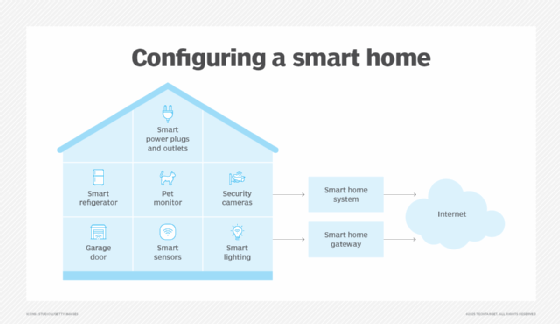
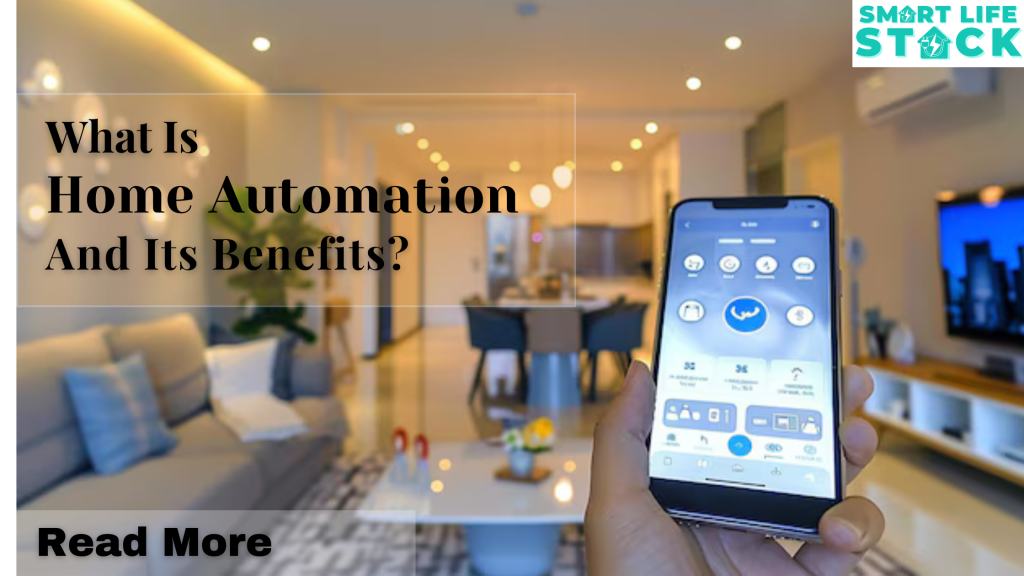
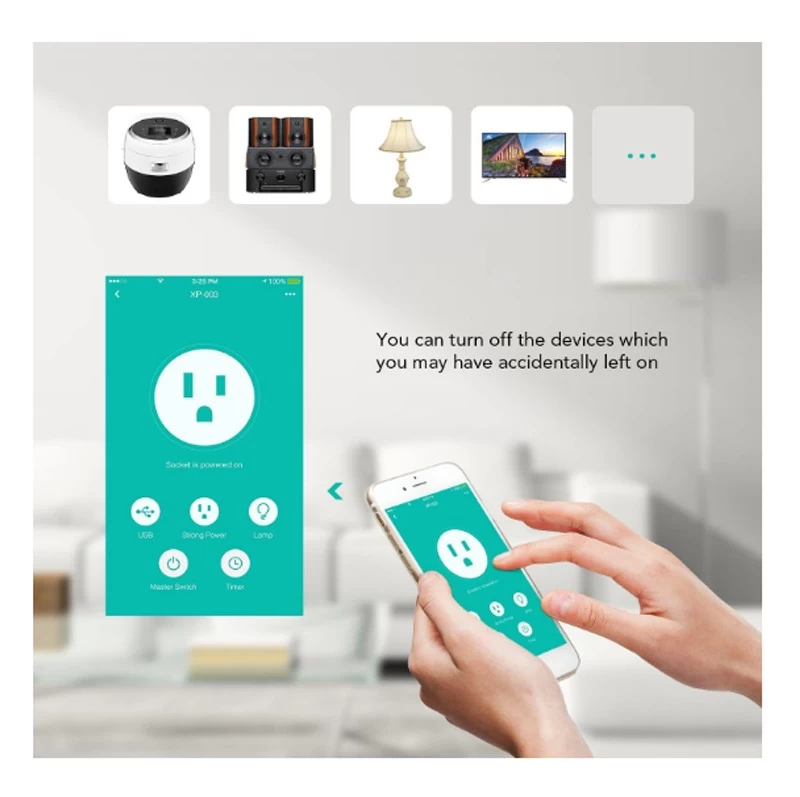
Smart home devices have become essential in modern living, making everyday tasks easier and homes more efficient. These gadgets connect to your Wi-Fi network, allowing you to control various functions remotely or through automation. Whether you want to save energy, boost security, or simply add convenience, smart home technology offers numerous options tailored to your needs.
Voice Assistants
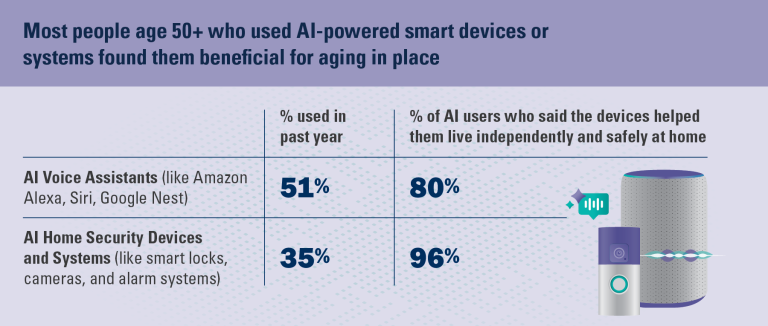
Voice assistants like Amazon Alexa, Google Assistant, and Apple’s Siri are the central hub for many smart homes. They respond to simple voice commands, helping you play music, set reminders, or control other smart devices without lifting a finger.
Imagine walking into your home with your hands full, saying “turn on the lights,” and the room brightens instantly. This hands-free control adds ease and efficiency to daily routines.
Smart Lighting
Smart lighting systems allow you to adjust brightness, color, and schedules through apps or voice commands. You can create moods for different occasions or save energy by setting lights to turn off automatically when no one is home.
Some smart bulbs even sync with music or movies, enhancing your entertainment experience. Have you tried adjusting your room’s lighting to match your mood or activity? It can surprisingly affect how you feel and focus.
Home Security Systems
Smart home security includes cameras, motion sensors, doorbell cameras, and alarms that you can monitor from anywhere using your smartphone. These devices provide real-time alerts if something unusual happens, giving you peace of mind.
Many systems also offer features like facial recognition and two-way audio, allowing you to see and speak to visitors remotely. How secure would you feel knowing you can check on your home anytime, no matter where you are?
Smart Thermostats
Smart thermostats learn your schedule and preferences to optimize heating and cooling, often saving money on energy bills. You can control the temperature remotely, so your home is always comfortable when you arrive.
Some models provide detailed energy reports, helping you identify ways to reduce consumption. Have you ever thought about how much energy you waste heating or cooling an empty house?

Credit: www.forrent.com
Connected Entertainment
Connected entertainment devices bring fun and convenience right into your home. These smart gadgets connect to the internet. They stream movies, play music, and offer interactive content. They make entertainment more personal and easy to access. Here are the main types of connected entertainment devices.
Smart Tvs
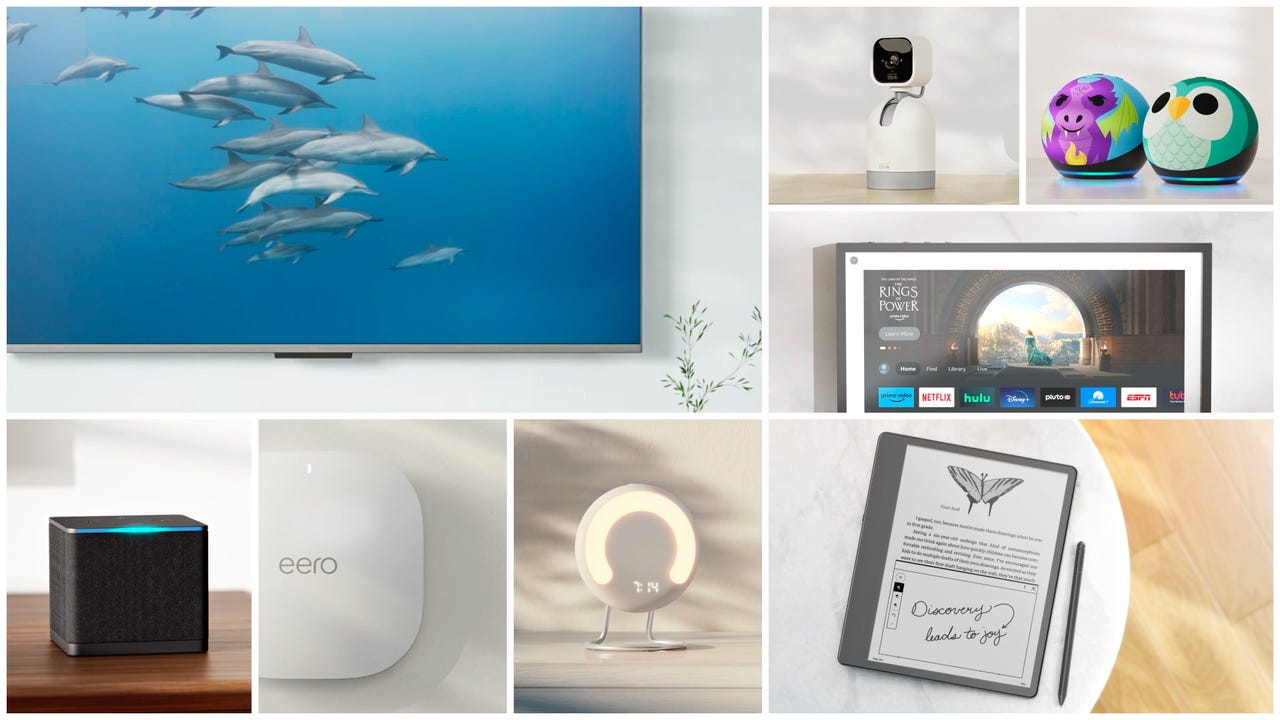
Smart TVs are more than just screens. They connect to the internet and apps. Watch movies, shows, and videos directly on the TV. Use built-in platforms like Netflix, YouTube, and Hulu. Control the TV with voice commands or apps. They also let you browse the web and play games.
Streaming Devices
Streaming devices turn regular TVs into smart TVs. Plug them into your TV’s HDMI port. They offer access to various streaming services. Examples include Roku, Amazon Fire Stick, and Google Chromecast. These devices provide easy navigation and quick access to content. They often support 4K resolution and smart home integration.
Smart Speakers
Smart speakers play music and answer questions. They connect to the internet and your smart home devices. Popular options include Amazon Echo, Google Nest, and Apple HomePod. Use voice commands to play songs, check news, or control lights. They also link with streaming services for hands-free entertainment.
Health And Medical Devices
Health and medical devices have become an essential part of how we manage our well-being today. These smart devices not only help track your health but also provide valuable data that can improve medical decisions. They offer convenience and a proactive approach to health, making it easier for you to stay on top of your condition without constant hospital visits.
Remote Monitoring Devices
Remote monitoring devices let you keep an eye on your health from anywhere. These gadgets send real-time data like blood pressure, glucose levels, or heart rate directly to your doctor. Imagine being able to manage a chronic illness without frequent trips to the clinic—these devices make that possible.
They are especially useful for elderly patients or those with mobility issues. Wouldn’t it be reassuring to know your health is under constant watch, even when you’re alone?
Smart Medical Wearables
Smart medical wearables include devices such as fitness trackers, ECG monitors, and smart patches. These wearables collect detailed data about your physical activity, sleep patterns, and vital signs. Unlike basic fitness trackers, medical-grade wearables provide accurate information that doctors can rely on.
When I started using a smart heart monitor, I noticed subtle changes in my heart rhythm that I might have missed otherwise. This early detection can prevent serious health problems before they develop.
Telehealth Gadgets
Telehealth gadgets enable you to connect with healthcare providers remotely using video calls, digital stethoscopes, or connected otoscopes. These devices give you access to medical consultations from the comfort of your home. This is a game-changer, especially for those living in remote areas or with tight schedules.
Have you ever wished you could get a quick check-up without waiting in a crowded clinic? Telehealth gadgets make that wish a reality and save you valuable time.
Smart Appliances
Smart appliances bring intelligence to everyday home devices. They improve convenience, save energy, and offer remote control. These devices connect to the internet and adapt to your lifestyle. Kitchens and laundry rooms are common places for smart appliances. They make daily chores easier and more efficient.
Smart Refrigerators
Smart refrigerators keep food fresh longer. They have cameras inside to show contents on your phone. Some models suggest recipes based on available ingredients. They can track expiration dates and send alerts. Energy-saving modes reduce electricity use. Voice control adds hands-free convenience.
Smart Ovens And Cooktops
Smart ovens and cooktops offer precise temperature control. They can preheat remotely using a smartphone app. Many models include cooking timers and recipe guides. Some ovens adjust cooking time based on food type. Voice commands allow easy operation. Safety features include automatic shut-off and child locks.
Connected Laundry Machines
Connected laundry machines notify when cycles finish. They offer customized wash settings for different fabrics. Remote start lets you run machines from anywhere. Some washers detect load size and optimize water use. Energy-efficient cycles reduce utility bills. Maintenance alerts help avoid breakdowns.
Automotive Smart Devices
Automotive smart devices are changing how we drive and interact with vehicles. These devices improve safety, comfort, and convenience. Smart technology in cars helps drivers stay connected and alert. They also add entertainment and assist with navigation. This section explores key types of automotive smart devices.
Connected Cars
Connected cars use internet and wireless networks to communicate. They share data with other vehicles, traffic systems, and cloud services. This connectivity helps with real-time traffic updates and remote diagnostics. Drivers can access apps and control car functions remotely. Connected cars increase safety and improve driving experience.
Infotainment Systems
Infotainment systems combine information and entertainment features in cars. They include touchscreens, voice control, and smartphone integration. Drivers and passengers can listen to music, use GPS, and make calls hands-free. These systems keep drivers focused on the road. They offer simple and fun ways to stay entertained during trips.
Advanced Driver-assistance Systems
Advanced driver-assistance systems (ADAS) use sensors and cameras to help drivers. They warn about collisions, lane departures, and blind spots. Some systems control braking and steering automatically. ADAS reduces accidents and makes driving safer. These smart devices support drivers in complex traffic situations.
Credit: www.electronic-supplier.com
Industrial And Commercial Smart Devices
Industrial and commercial smart devices have transformed how businesses operate, making processes more efficient and data-driven. These devices collect real-time information, optimize workflows, and reduce human error. If you manage or work within such environments, understanding these technologies can help you make smarter decisions and improve productivity.
Iot Sensors
IoT sensors are small devices that monitor physical conditions like temperature, humidity, pressure, and motion. They send data to centralized systems for analysis and immediate action.
Think about a warehouse where sensors track inventory levels automatically. This helps avoid stock shortages without manual checks. Have you ever wondered how factories maintain quality control without constant human supervision?
Smart Robotics
Smart robots perform repetitive or dangerous tasks with precision. They adapt to changing conditions using artificial intelligence and machine learning.
Robotics in manufacturing can speed up assembly lines and reduce workplace injuries. If you’ve seen automated arms working flawlessly on car production lines, you’ve witnessed smart robotics in action.
Automation Controllers
Automation controllers manage and coordinate machines, devices, and systems within industrial settings. They ensure that every component works together smoothly.
These controllers can be programmed to respond instantly to sensor data or operator inputs. Imagine your facility adjusting heating or lighting based on occupancy without manual adjustments—automation controllers make that possible.
Emerging Smart Device Categories
Emerging smart device categories are changing how we interact with technology daily. These devices blend innovation with everyday use, making life easier and more connected. Their designs focus on comfort, style, and new functionalities.
Smart devices now go beyond phones and watches. They enter new areas like fashion and augmented reality. These categories show how technology adapts to our lifestyles.
Smart Jewelry
Smart jewelry looks like regular accessories but offers tech features. It can track health, receive notifications, or even act as a safety alert. Designs include rings, bracelets, and necklaces. These devices combine style with useful functions.
Augmented Reality Devices
Augmented reality (AR) devices overlay digital images on the real world. They include AR glasses and headsets. Users can see information, games, or work tools in their environment. AR devices enhance experiences in education, gaming, and shopping.
Smart Fabrics And Textiles
Smart fabrics have technology woven into the material. They can monitor body temperature, heart rate, or movement. These textiles help in sports, healthcare, and fashion. Clothing with sensors offers comfort and valuable data without extra gadgets.
Frequently Asked Questions
What Are The Main Types Of Smart Devices?
Smart devices include smartphones, smartwatches, smart home assistants, smart TVs, and smart appliances. Each type serves different needs like communication, entertainment, home automation, or health monitoring.
How Do Smart Devices Differ From Regular Electronics?
Smart devices connect to the internet and can be controlled remotely. They offer automation, data collection, and interactive features not found in regular electronics.
Which Smart Devices Are Popular In Home Automation?
Popular home automation devices include smart lights, thermostats, security cameras, and voice assistants. They enhance convenience, security, and energy efficiency in homes.
Can Smart Devices Improve Daily Productivity?
Yes, smart devices streamline tasks through automation and real-time updates. They help manage schedules, control environments, and optimize communication efficiently.
Conclusion
Smart devices come in many types, each with unique uses. They help us live, work, and play in smarter ways. From phones to home assistants, the options are wide. Choosing the right device depends on your needs and budget. Technology grows fast, so expect new smart gadgets soon.
Staying informed helps you pick the best tools for life. Smart devices make daily tasks easier and more fun. The future holds even more connected and helpful devices.