Do Wearable Technologies Work: Unveiling the Truth Behind Gadgets
Are you curious about the gadgets you strap to your wrist or clip onto your clothes? Wearable technology promises to track your steps, monitor your heart rate, and even improve your sleep.
But do these devices actually deliver on their promises, or are they just shiny accessories? We’ll unravel the truth behind wearable tech, helping you decide if it’s a worthwhile investment for your lifestyle. Stay with us as we dive into the facts and uncover whether these high-tech tools can truly enhance your daily routine and health goals.
Your journey to understanding wearable technology starts here, and the insights could surprise you!

Credit: wellworkforce.com
Types Of Wearable Technologies
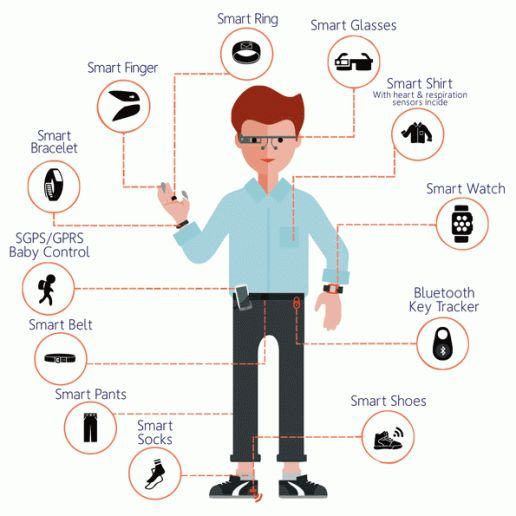
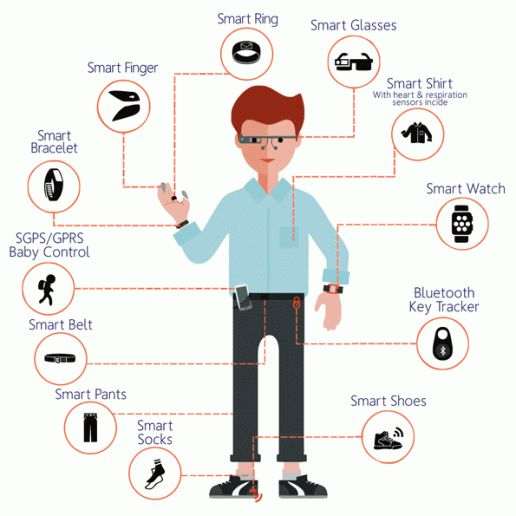
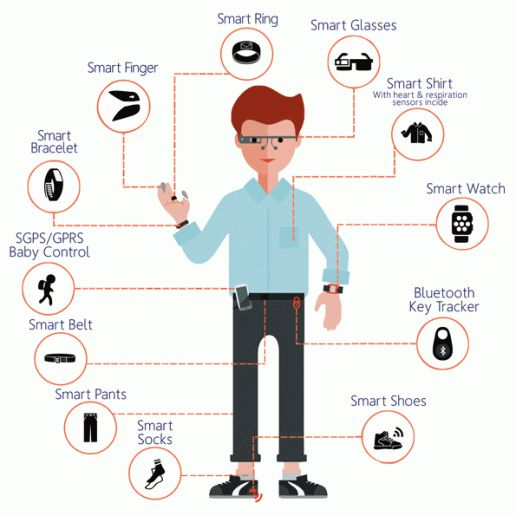
Wearable technologies come in various forms, each designed to serve different needs. These devices help track health, improve fitness, provide quick access to information, and even enhance reality.
Understanding the types of wearable technology clarifies how they fit into daily life. Here are the main categories you will often find.
Fitness Trackers
Fitness trackers monitor physical activity like steps, calories, and distance. They are simple devices worn on the wrist or clipped to clothes. Many models also track sleep patterns and heart rate. These tools motivate users to stay active and reach fitness goals.
Smartwatches
Smartwatches do more than tell time. They connect to smartphones to show notifications, messages, and calls. Many also include fitness tracking and GPS features. Users can control music, check the weather, and even make payments directly from the watch.
Health Monitoring Devices
Health monitoring devices keep an eye on vital signs like blood pressure, oxygen levels, and glucose. These wearables assist people with chronic conditions in managing their health. Some devices send real-time data to doctors for better care.
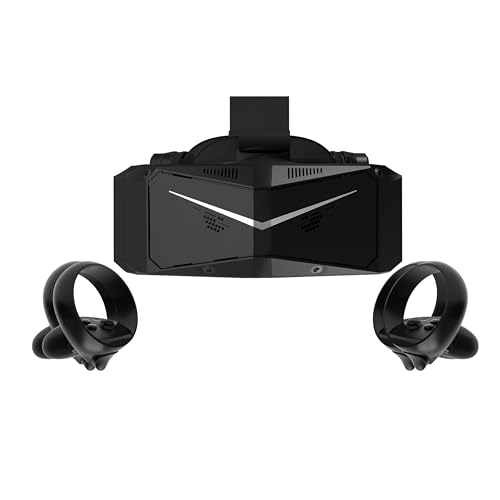
Augmented Reality Glasses
Augmented reality glasses overlay digital information onto the real world. They can show navigation, translate languages, or display work instructions. These glasses help in industries, gaming, and even education by blending virtual content with everyday views.
How Wearables Collect Data
Wearable technologies gather data in ways that often go unnoticed but are crucial to their function. Understanding how these devices collect data helps you appreciate their capabilities and limitations. It also guides you in choosing the right wearable for your needs.
Sensors And Their Functions
Wearables use a variety of sensors to track your body’s signals and movements. Accelerometers detect motion and steps, while gyroscopes measure orientation and balance. Optical sensors monitor your heart rate by shining light through your skin to detect blood flow changes.
Some devices include temperature sensors, electrodermal activity sensors for stress levels, and even GPS for location tracking. Each sensor plays a unique role in collecting specific data points that together provide a complete picture of your health and activity.
Data Accuracy Challenges
The accuracy of data from wearables can vary depending on sensor quality and placement. For example, a wrist-based heart rate monitor might struggle during intense workouts due to movement interference. Environmental factors like temperature and skin tone can also affect sensor readings.
Have you noticed your device showing unusual readings during certain activities? This happens because even the best sensors have limitations. Understanding these challenges helps you interpret your wearable’s data more realistically.
Real-time Monitoring
One of the biggest advantages of wearables is their ability to provide real-time data. This means you get immediate feedback on your activity, heart rate, or sleep patterns. Real-time monitoring can motivate you to adjust your behavior on the spot, like slowing down if your heart rate spikes.
Imagine getting instant alerts when your stress levels rise or when you’ve been inactive too long. This kind of timely information can help you make healthier choices throughout your day. How often do you check your wearable’s real-time data to guide your actions?
Benefits Of Wearable Gadgets
Wearable gadgets offer many benefits that improve daily life. They help track health, provide easy access to information, and encourage positive habits. These devices fit seamlessly into routines and support overall well-being.
Health And Fitness Improvements
Wearables monitor heart rate, steps, and sleep quality. This data helps users understand their body better. Tracking progress keeps people aware of their health goals. Some devices detect irregular health signs early. This promotes timely medical care and prevention.
Convenience And Connectivity
Wearables allow quick access to calls, messages, and notifications. Users stay connected without reaching for their phones. Many gadgets offer GPS and payment options. This adds ease to travel and shopping. Compact design means users carry less gear daily.
Motivation And Behavior Change
Wearable tech sends reminders to move or drink water. Users receive positive feedback for meeting goals. This support encourages healthy habits and routines. Social features enable friendly competition and shared achievements. These help maintain long-term motivation and commitment.

Credit: www.happiestminds.com
Limitations And Drawbacks
Wearable technologies promise convenience and health insights, but they come with clear limitations that affect their effectiveness. Understanding these drawbacks helps you decide how much trust to place in these devices. Let’s look closer at some key issues you might face when using wearables daily.
Privacy And Security Concerns
Wearables collect a vast amount of personal data, from your heart rate to location. This data is often stored on cloud servers, making it vulnerable to hacking or misuse. Have you ever wondered who else might access your health information?
Many devices lack strong encryption, putting your privacy at risk. It’s important to check the security features before you buy or connect a wearable to your smartphone. Regularly updating software and using strong passwords can help protect your data.
Battery Life And Durability
One common frustration with wearables is their limited battery life. Most need charging every day or two, which can disrupt continuous tracking. Imagine missing an important health alert because your device ran out of power overnight.
Durability is another concern. Wearables are exposed to sweat, rain, and accidental drops. Not all models withstand daily wear and tear, so choose one that fits your lifestyle and environment. Otherwise, you might end up replacing your device sooner than expected.
Data Reliability Issues
Wearables don’t always provide 100% accurate data. Sensors can be affected by skin tone, wrist movement, or how tightly you wear the device. Have you noticed discrepancies between your wearable’s readings and what a healthcare professional reports?
Inconsistent data can lead to confusion or false alarms. Use wearable data as a guide rather than a definitive source. Cross-check important health information with medical tests or professional advice to avoid unnecessary worry.
Scientific Evidence On Effectiveness
Scientific evidence plays a key role in understanding if wearable technologies truly work. Researchers conduct many studies to test their benefits and limits. These studies explore health tracking, fitness improvements, and user behavior changes. Results vary, but they provide useful insights. Some research shows clear benefits. Other studies find mixed or weak effects. This section reviews important scientific findings on wearables.
Studies Supporting Wearable Benefits
Many studies show wearables help improve health and fitness. They track steps, heart rate, and sleep patterns accurately. This data encourages users to stay active and make better choices.
- A 2019 study found users increased daily activity by 20% using fitness trackers.
- Research shows wearables help manage chronic diseases by monitoring vital signs continuously.
- Sleep trackers assist in identifying poor sleep habits, leading to improved rest.
- Some studies report weight loss success linked to wearable use combined with coaching.
Wearables also motivate users through feedback and goal setting. This boosts physical activity and promotes healthier lifestyles.
Critiques And Conflicting Results
Not all research agrees on wearables’ effectiveness. Some studies highlight limitations and challenges.
- Accuracy varies between devices and types of measurements.
- Some users lose interest and stop using wearables after a short time.
- Studies show that data alone does not guarantee behavior change.
- Small sample sizes and short durations affect study reliability.
- Results often depend on user engagement and personal motivation.
Wearables may work better as part of a broader health program. Alone, they might not produce strong, lasting changes.
Future Trends In Wearables
Wearable technology is evolving rapidly. New trends promise smarter and more useful devices. These trends focus on health, intelligence, and medical use. They aim to make wearables more accurate and helpful in daily life.
Advanced Health Monitoring
Wearables will track more health data with better sensors. They will monitor heart rate, sleep, and blood pressure closely. New devices might detect blood sugar or hydration levels. This helps users manage health without visiting clinics. Real-time alerts will warn about health issues early.
Integration With Ai
Artificial intelligence will make wearables smarter. AI can analyze health data to give personalized advice. It learns user habits to improve suggestions over time. Voice assistants will become more natural and helpful. AI will help predict problems before they happen.
Wearables In Medical Treatment
Wearables will assist doctors in treating patients better. They will send real-time data to healthcare providers. This helps in faster diagnosis and treatment adjustments. Devices may support remote patient monitoring at home. Wearables could also deliver therapies like electrical stimulation.
Choosing The Right Wearable
Choosing the right wearable technology can make a big difference in your experience and satisfaction. Many devices offer different features, price points, and support options. Picking one that fits your lifestyle and needs helps you get the most value and usability.
Matching Features To Needs
Start by listing what you want from a wearable. Some focus on fitness tracking, while others offer health monitoring or smart notifications. Think about your daily activities and goals. Choose features that will help you stay motivated or organized.
- Step counting and activity tracking
- Heart rate and sleep monitoring
- GPS for outdoor workouts
- Smartphone notifications and calls
- Music control and apps
Avoid devices with too many features you won’t use. Simpler can mean easier and more enjoyable.
Budget Considerations
Wearables come in many price ranges. Set a budget before you start shopping. Higher prices don’t always mean better for your needs. Compare what you get for your money. Look for reliable brands with good reviews.
| Price Range | Typical Features |
|---|---|
| Under $50 | Basic step tracking, simple design |
| $50 – $150 | Heart rate, sleep tracking, notifications |
| $150 and above | Advanced health metrics, GPS, apps |
Balance your budget with the features you need most.
User Experience And Support
How easy is the wearable to use? Check if the screen is clear and the controls simple. The device should connect smoothly with your phone or other gadgets. Read user reviews about comfort and battery life.
- Simple app interface
- Reliable Bluetooth connection
- Good battery life
- Comfortable to wear all day
- Customer support and warranty
Good customer service can help fix problems fast. Choose a brand with helpful support and clear instructions.
Credit: blog.stackademic.com
Frequently Asked Questions
Do Wearable Technologies Accurately Track Health Data?
Yes, most wearable technologies accurately monitor health metrics like heart rate, steps, and sleep patterns with reliable sensors. However, results may vary based on device quality and user habits. Regular updates improve their accuracy over time.
How Effective Are Wearables In Improving Fitness Levels?
Wearables motivate users by tracking progress and setting goals, which boosts fitness efforts. They provide real-time feedback and personalized insights. Consistent use helps maintain healthy habits and achieve fitness objectives efficiently.
Can Wearable Devices Detect Medical Conditions Early?
Some advanced wearables can detect irregular heart rhythms, sleep apnea, and other conditions early. They alert users to seek medical advice promptly. However, they are not substitutes for professional diagnosis or treatment.
Are Wearable Technologies Compatible With Smartphones?
Yes, most wearable devices sync seamlessly with smartphones via Bluetooth or Wi-Fi. This integration allows easy access to data, notifications, and app features, enhancing user convenience and overall experience.
Conclusion
Wearable technologies can help track health and fitness daily. They provide useful data to improve habits and stay active. Some devices may not be perfect but still offer value. Choosing the right wearable depends on your needs and budget. Try one to see if it suits your lifestyle.
Small changes can lead to better health over time. Wearables are tools, not magic fixes. Use them wisely and stay consistent for best results.