How to Find Electronic Bugs in Your Home: Ultimate Detection Guide
Imagine feeling uneasy in your own home, suspecting that someone might be listening in on your private conversations. It’s a chilling thought, isn’t it?
Electronic bugs can invade your personal space and compromise your privacy. You don’t have to be a spy to encounter this unsettling issue. Many people face it, and it’s more common than you might think. But don’t worry—you’re not powerless.
By understanding how to find these hidden devices, you can take back control and feel safe again. In this guide, you’ll discover straightforward techniques to detect electronic bugs in your home. You’ll learn how to safeguard your sanctuary and ensure your private moments remain just that—private. Curious to know how? Let’s delve into the practical steps you can take right now.
Signs Of Hidden Electronic Bugs
Hidden electronic bugs often give subtle clues before detection. Recognizing these signs helps protect privacy and security. Bugs can interfere with daily life in strange ways. Small changes in devices or environment may indicate their presence.
Unusual Sounds And Interference
Hearing static, clicking, or buzzing noises near electronics is suspicious. These sounds may come from hidden transmitters or microphones. Radio or TV signals may also experience unexpected interference or noise. Such audio disruptions rarely happen without cause.
Unexpected Battery Drain
Devices losing power faster than usual could hide bugs. Small listening devices need batteries and drain power quickly. Check phones, remote controls, and other gadgets for unusual battery use. Rapid battery loss can signal spying equipment inside.
Strange Lights Or Devices
Look for blinking LEDs or unusual lights on gadgets. Hidden bugs sometimes have small indicator lights that stay on or flash. Unknown devices or wires found in walls or furniture raise concern. Spotting odd objects helps reveal electronic bugs.

Credit: m.youtube.com
Types Of Electronic Bugs
Electronic bugs come in different types and serve various spying purposes. Recognizing these bugs helps you spot them in your home. Each type has unique features and ways to detect them. Understanding the common types improves your chances of finding hidden devices.
Audio Bugs
Audio bugs capture sounds and voices nearby. They are small and easy to hide in objects like clocks or pens. These devices transmit conversations to a receiver. Some audio bugs use wires, while others work wirelessly. Listening for unusual static or interference can reveal their presence.
Video Bugs
Video bugs record or stream video secretly. They often look like everyday items such as smoke detectors or USB chargers. These cameras may transmit video through Wi-Fi or cellular signals. Spotting tiny lenses or unusual lights helps find video bugs. They can record continuously or activate by motion.
Gps Trackers
GPS trackers track location in real-time. They attach to vehicles, bags, or personal items. Some are very small and battery-powered. These devices send coordinates to a remote user. Checking for unfamiliar devices in your belongings or car is essential. GPS trackers do not usually record audio or video.
Wireless Transmitters
Wireless transmitters send data without cables. They can carry audio, video, or other signals. These bugs use radio waves, Bluetooth, or Wi-Fi. Detecting unusual signals or interference helps identify transmitters. Some have blinking lights or unusual heat signatures. Wireless bugs are often hidden in walls or furniture.
Basic Detection Tools
Basic detection tools help find hidden electronic bugs in your home. These tools detect signals or unusual objects that may be spying devices. Using the right tool increases your chances of finding bugs quickly and safely.
Many tools are easy to use and do not require special skills. They scan for different types of signals or signs left by electronic bugs. Some tools detect radio waves, others find hidden electronic parts or heat signatures.
Rf Signal Detectors
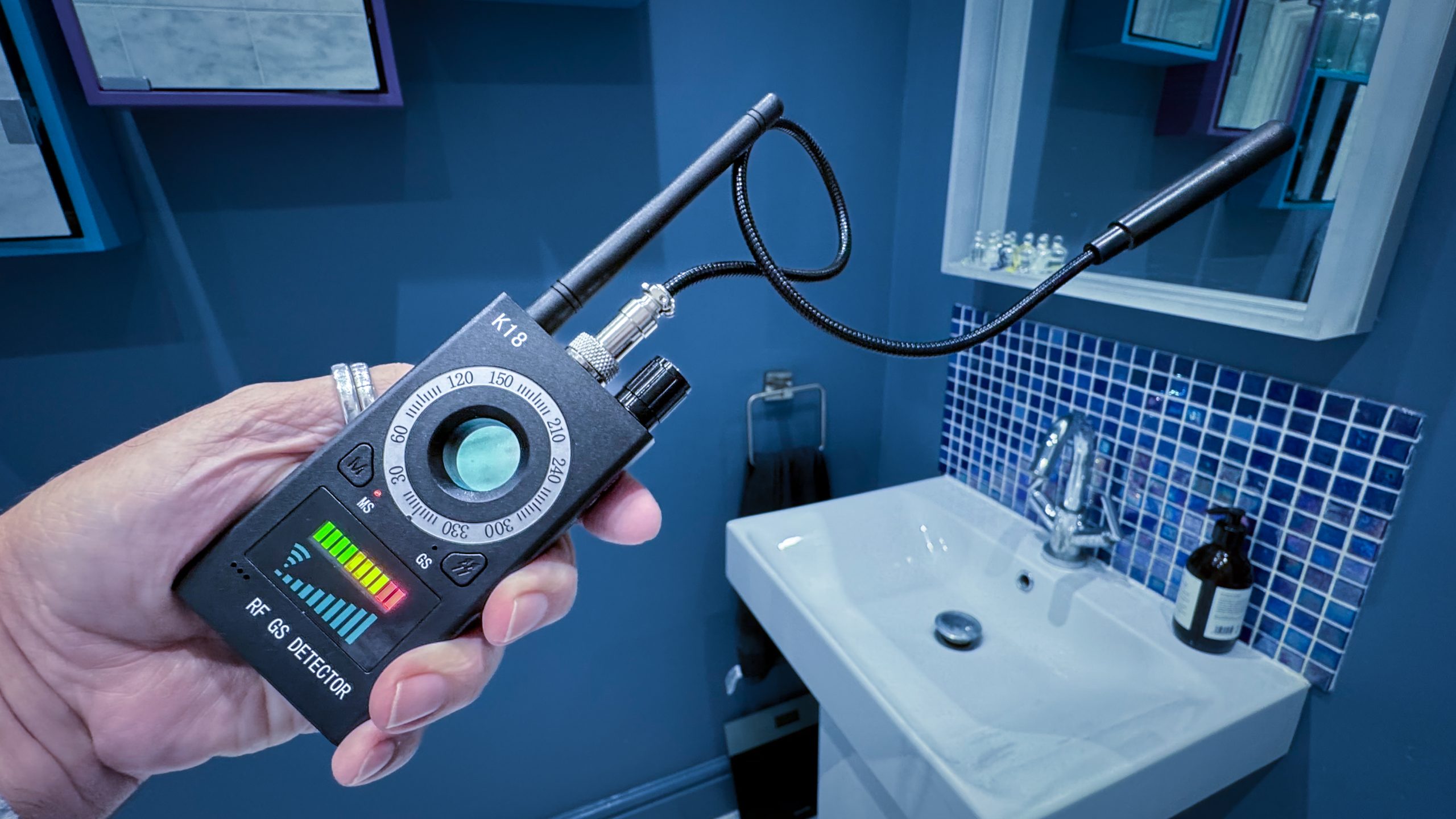
RF signal detectors scan for radio frequencies emitted by wireless bugs. These devices pick up signals from hidden microphones or cameras. They alert you with sound or light when a signal is found nearby. Carry the detector slowly around rooms and furniture. Pay close attention to places like smoke detectors, lamps, and outlets.
Non-linear Junction Detectors
Non-linear junction detectors find electronic components inside objects. Bugs have semiconductors that reflect special signals sent by this tool. It helps find hidden circuits even if the device is turned off. Use it by pointing the detector at suspicious areas. It can detect bugs inside walls, furniture, or electronics.
Infrared Cameras
Infrared cameras detect heat from active electronic devices. Bugs produce heat while operating, visible through infrared lenses. Scan rooms slowly, focusing on unusual heat spots. These cameras help spot hidden cameras or transmitters. They work best in dark or low-light conditions.
Mobile Apps For Bug Detection
Mobile apps can help detect bugs using your smartphone. Some apps scan for unusual Wi-Fi signals or magnetic fields. Others use the phone’s camera and microphone to find hidden devices. These apps are easy to use but less accurate than dedicated tools. Use them as a first check before using advanced detectors.

Credit: convectex.com
Step-by-step Bug Detection Process
Finding electronic bugs in your home requires a careful and detailed approach. Following a clear process helps spot hidden devices quickly. This step-by-step bug detection process guides you through key checks and tools. Each part focuses on common hiding places and smart techniques.
Visual Inspection Techniques
Start by scanning every room closely. Look at unusual objects or small holes in walls. Check for tiny wires or blinking lights on devices. Examine smoke detectors, clocks, and picture frames carefully. Bugs often hide inside everyday items that seem normal.
Using Rf Detectors Effectively
RF detectors find signals bugs send out. Turn off all wireless devices to reduce interference. Slowly move the detector around rooms, especially near walls and corners. Listen for beeps or watch for signal spikes. Pause at spots with strong signals for a deeper check.
Checking Common Hiding Spots
Focus on areas bugs like best. Inspect under furniture, behind curtains, and inside vents. Look inside electrical outlets and light fixtures. Search inside books, cabinets, and ceiling tiles. These spots hide bugs well and are often overlooked.
Testing Electrical Outlets And Wiring
Turn off power before opening outlets or switches. Look for unusual wiring or devices attached inside. Use a flashlight to see hidden compartments. Bugs may connect to power sources to stay active. Testing wiring helps find these secret devices quickly.
Professional Bug Sweeping Services
Professional bug sweeping services offer a thorough and reliable way to detect hidden electronic bugs in your home. These experts use specialized tools and techniques that go beyond what most people can do on their own. If you suspect someone might be spying on you, hiring professionals can give you peace of mind and keep your private space secure.
When To Hire Experts
If you notice unusual interference on your phone or radio, unexplained noises during calls, or suspect someone has unauthorized access to your conversations, it’s time to call in the pros. You don’t need to wait for concrete proof; trusting your instincts about privacy concerns is enough reason.
Experts are also crucial if you’ve experienced a break-in or have sensitive information that must stay confidential. They can pinpoint hidden devices that are nearly impossible to find without experience.
What To Expect From A Sweep
During a professional sweep, technicians will inspect your home room by room. They use handheld detectors and spectrum analyzers to locate bugs transmitting signals.
The process includes checking common hiding spots like smoke detectors, electrical outlets, and even your furniture. Some services also include a physical inspection for wired devices that may not emit signals.
Expect a detailed report at the end, explaining their findings and recommending next steps if bugs are found.
Cost And Equipment Used
Professional bug sweeps typically range from $300 to $1,500 depending on the size of your home and the complexity of the search. High-end equipment drives the price but ensures accuracy.
| Equipment | Purpose |
|---|---|
| RF Detectors | Detect wireless signals from bugs |
| Non-Linear Junction Detectors | Find electronic components hidden in objects |
| Spectrum Analyzers | Analyze signal frequencies to identify bugs |
| Thermal Cameras | Spot heat signatures from active devices |
Would you invest in professional help if it meant protecting your family’s privacy from invisible threats? Sometimes, the cost is small compared to the value of your peace of mind.

Credit: www.angi.com
Preventive Measures Against Electronic Bugs
Protecting your home from electronic bugs requires smart preventive steps. These measures reduce risks and keep your privacy intact. A strong defense starts with securing your wireless networks, enhancing physical security, and performing regular audits. Each step helps block unauthorized devices and signals.
Securing Wireless Networks
Wireless networks are common targets for electronic bugs. Protect your Wi-Fi with a strong password that mixes letters, numbers, and symbols. Change default router settings to stop easy access. Use WPA3 encryption for the best security. Turn off the network when not in use to limit exposure. Consider hiding your network name to avoid unwanted attention.
Physical Security Enhancements
Physical security limits chances of bug installation. Lock all entry points and windows with sturdy locks. Use security cameras to monitor suspicious activity. Avoid leaving bags or boxes unattended in your home. Inspect new or borrowed devices for hidden bugs. Keep sensitive areas off-limits to visitors and staff.
Regular Home Audits
Routine checks help find bugs before they cause harm. Sweep rooms with a bug detector to catch hidden devices. Listen for unusual sounds or static in phone lines and speakers. Check for small lights or wires in unexpected places. Keep a log of audits and any suspicious findings. Regular audits build awareness and stop spying early.
Frequently Asked Questions
How Can I Detect Electronic Bugs In My Home?
To detect electronic bugs, use a bug detector or RF signal scanner. Check for unusual devices, wires, or sounds. Regularly inspect suspicious areas such as smoke detectors, lamps, and electronics. Stay vigilant for unexpected interference on phones or Wi-Fi.
What Tools Are Best For Finding Hidden Bugs?
Bug detectors and RF signal scanners are effective tools. They detect radio frequencies emitted by bugs. Infrared cameras and spectrum analyzers also help. Mobile apps can assist but are less reliable. Use multiple tools for thorough detection.
Are Electronic Bugs Harmful To Privacy?
Yes, electronic bugs compromise your privacy by transmitting conversations. They can record and send personal information secretly. Detecting and removing them is crucial to protect your confidentiality. Regular security checks help maintain your home’s privacy.
Can Everyday Devices Hide Electronic Bugs?
Yes, everyday devices like smoke detectors, clocks, and power adapters can conceal bugs. These devices provide easy access to power and blend in naturally. Always inspect unfamiliar or newly added gadgets in your home carefully.
Conclusion
Finding electronic bugs in your home takes patience and care. Use a mix of tools and your senses to check every space. Small devices can hide in many places. Stay calm and do regular checks to keep your privacy safe.
Trust your instincts if something feels off. Protecting your home is important for peace of mind. Keep learning and stay alert. Your safety matters most.