How to Remove Gold from Electronics at Home: Easy & Safe Steps
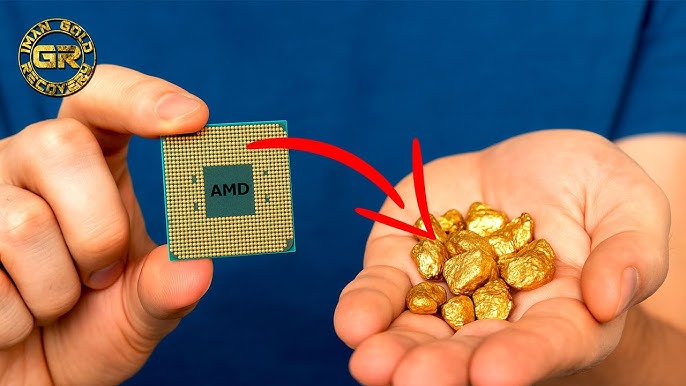
Have you ever wondered if there’s treasure hidden in your old electronics? You might be surprised to learn that those outdated gadgets lying around your home could be a goldmine—literally.
Gold is used in electronics due to its excellent conductivity and resistance to tarnish. But how can you tap into this hidden wealth without any specialized equipment or advanced knowledge? This guide will reveal the secrets of extracting gold from electronics right in the comfort of your own home.
Imagine turning your unwanted devices into valuable assets. Intrigued? Let’s dive into the fascinating world of home gold recovery and see how you can make the most of your electronic waste. Keep reading to unlock the potential of your forgotten tech!

Credit: www.youtube.com
Why Gold Is In Electronics
Gold might seem like an unusual metal to find inside your everyday electronics. Yet, it plays a critical role in making devices work smoothly and reliably. Understanding why gold is in electronics helps you appreciate its value and why recovering it at home can be worthwhile.
Common Electronics With Gold
You might be surprised how many gadgets around your home contain gold. It’s not just in expensive devices; even older phones, computers, and gaming consoles have small amounts of gold.
- Smartphones and tablets
- Laptops and desktop computers
- Old cell phones and cordless phones
- DVD and Blu-ray players
- Video game consoles and controllers
- Television sets and remote controls
When you look at these items, keep in mind that gold is usually found in tiny amounts within connectors and circuit boards. This means even a few devices can add up to a valuable source if you know how to extract the gold carefully.
Role Of Gold In Circuitry
Gold is used in electronics because it conducts electricity exceptionally well and doesn’t rust or corrode over time. This ensures that connections remain stable, which is crucial for your device’s performance.
Think about your phone’s charging port or internal wiring. Gold plating on these parts guarantees a reliable connection every time you plug in or use your device. This durability means fewer repairs and longer device life.
Have you ever wondered why devices can still work well after years of use? Gold’s resistance to oxidation keeps signals flowing smoothly, even in harsh environments. This small detail makes a huge difference in electronics reliability.
Tools And Materials Needed
Removing gold from electronics at home requires careful preparation and the right set of tools and materials. Getting these ready before you start will make the process smoother and safer. Let’s look at what you’ll need to work efficiently and protect yourself along the way.
Safety Gear
Safety should be your top priority. Handling chemicals and sharp tools can be risky without proper protection.
- Gloves:Use nitrile gloves to protect your hands from harsh chemicals and sharp edges.
- Eye protection:Safety goggles or glasses prevent splashes from entering your eyes.
- Respirator mask:A mask with a filter helps you avoid inhaling harmful fumes or dust.
- Apron or old clothes:Wear something durable to protect your skin and clothes from spills.
Have you ever underestimated the importance of safety gear? It’s easy to skip, but it can save you from serious injury.
Basic Extraction Tools
You don’t need fancy gadgets to start extracting gold. Most tools are simple and affordable.
- Screwdrivers:To dismantle electronic devices and access the circuit boards.
- Pliers:Useful for pulling out small components or wires.
- Plastic containers:For soaking parts during chemical treatment.
- Brushes:Soft-bristled brushes help clean off residues without damaging delicate parts.
- Sandpaper or steel wool:To gently remove surface layers and expose gold-plated areas.
Having these tools ready makes the dismantling and cleaning process faster and less frustrating. Which of these do you already have at home?
Chemicals To Use
Chemicals play a crucial role in separating gold from other metals. Choose them wisely and handle with care.
- Acid mixture:A common recipe includes hydrochloric acid (muriatic acid) and hydrogen peroxide. This combo helps dissolve base metals.
- Aqua regia:A powerful mix of nitric acid and hydrochloric acid, used for dissolving gold itself.
- Baking soda:Used to neutralize acids after the extraction process.
- Distilled water:Essential for rinsing and diluting chemicals safely.
Handling acids can be intimidating. Do you feel confident knowing how to neutralize and dispose of them properly? It’s important to learn before starting.
Preparing Electronics For Extraction
Preparing electronics for gold extraction is a crucial phase that sets the foundation for effective recovery. Before you can extract gold, you need to carefully break down the devices and identify the parts that contain gold. This step not only makes the process safer but also improves your yield.
Disassembling Devices
Start by gathering your electronic devices and setting up a clean workspace with proper lighting. Use screwdrivers and pliers to carefully open up the gadgets without damaging the internal components. Remember, patience is key here—rushing can lead to broken parts that reduce your chances of extracting gold.
Wear gloves to protect your hands from sharp edges and small components. Keep screws and small pieces organized in labeled containers to avoid confusion later. Have you noticed how many tiny screws and clips hold these devices together? Keeping track of them saves you time and frustration.
Sorting Gold-containing Parts
Once disassembled, focus on identifying circuit boards, connectors, and pins—these are the parts most likely to contain gold. Not every piece contains gold, so knowing what to keep is vital. For example, older motherboards and SIM card connectors often have higher gold content.
Use a magnifying glass to inspect the components and separate them into piles. Sorting helps you avoid wasting time and chemicals on parts without gold. Have you ever been surprised by the small parts that actually hold the most value? This step sharpens your eye and boosts your efficiency.
Simple Chemical Methods
Extracting gold from electronics at home can seem complicated, but simple chemical methods make it doable with common items. These approaches break down the metal layers without needing expensive tools. You just need to follow clear steps and handle everything carefully to get good results.
Using Household Chemicals
You can use common household chemicals like vinegar, baking soda, and lemon juice to help remove gold from electronic parts. Vinegar’s mild acidity softens the metal layers, while baking soda neutralizes and helps lift the gold flakes.
Start by soaking the circuit boards in vinegar for a few hours to loosen the gold coating. Then gently scrub the surface with a soft brush dipped in baking soda solution to separate gold particles. Lemon juice works well to further clean and brighten the gold bits.
Remember, this method works best on small, thin layers of gold. You won’t get pure gold but can collect tiny flakes for further refining. Have you thought about trying this on old phone parts gathering dust at home?
Safe Handling Tips
Handling chemicals at home requires caution to protect yourself and your surroundings. Always wear gloves and eye protection to avoid skin contact and accidental splashes.
Work in a well-ventilated area to avoid inhaling fumes, and keep a neutralizing agent like baking soda nearby in case of spills. Store chemicals away from children and pets to prevent accidents.
Dispose of leftover chemicals responsibly by checking local hazardous waste guidelines. Taking these safety steps helps you focus on recovering gold without risking your health.
Mechanical Separation Techniques
Mechanical separation techniques help remove gold from electronics using physical methods. These methods do not involve chemicals. They are safe and easy to do at home with basic tools. Mechanical separation focuses on detaching gold from circuit boards and other parts.
Using tools like sandpaper or scrapers, you can collect tiny gold bits. This process needs patience and care to avoid damaging the gold. The gold is often thinly layered, so gentle scraping works best.
Scraping And Sanding
Start by identifying gold-plated areas on the electronic parts. Use a small scraper or a sharp blade to gently scrape off the gold layer. Avoid pressing too hard to prevent mixing with other metals.
Sanding is another option. Use fine-grit sandpaper to rub the gold-plated surface lightly. This wears off the gold particles without harming the base material. Collect the dust carefully during sanding.
Wear safety gear like gloves and a mask to avoid dust inhalation. Keep your workspace clean to prevent losing tiny gold particles.
Collecting Gold Particles
After scraping or sanding, collect the gold dust and flakes carefully. Use a clean, dry surface to gather the particles. A sheet of white paper or a shallow tray works well.
Use a soft brush or a dry cloth to sweep the gold dust into a pile. Avoid mixing the gold with other debris. Store the collected particles in a sealed container.
These particles can be further processed to extract pure gold. Mechanical separation is just the first step in recovering gold from electronics.
Purifying Extracted Gold
Purifying extracted gold is a crucial step to ensure the metal you recover from electronics is clean, usable, and valuable. After you separate the gold from circuit boards or connectors, it often contains impurities like copper, nickel, and other metals. Refining this raw gold improves its quality and prepares it for crafting or resale.
Melting And Refining
Melting your extracted gold helps remove many of the impurities by turning the metal into a liquid form. Use a small crucible and a reliable heat source, such as a propane torch, to carefully melt the gold. Make sure to do this in a well-ventilated space and wear protective gear to avoid burns or inhaling fumes.
Once melted, you can add a flux, like borax, which helps separate slag and unwanted metals from the gold. The impurities will float to the top and can be skimmed off easily. This process raises the purity and leaves you with a smooth, shiny gold nugget ready for further cleaning or use.
Cleaning Residue
After melting, some residue or dark spots might still remain on your gold. Cleaning this residue ensures your gold is as pure and shiny as possible. A simple way to clean is by soaking the gold in a mild acid solution, such as diluted hydrochloric acid or a commercial gold cleaner, which dissolves leftover contaminants.
Always handle acids with care—wear gloves and eye protection. Rinse the gold thoroughly with distilled water after cleaning to remove any acid remnants. Dry it with a soft cloth, and you will see a much brighter, cleaner piece of gold ready for your next project or sale.
Have you ever tried refining metals at home? What challenges did you face during purification? Sharing your experience can help others avoid common pitfalls and improve their process.
Safety Precautions
Working with electronics to extract gold involves handling chemicals and materials that can be harmful if not treated carefully. Prioritizing safety precautions protects your health and the environment. Before you start, consider what protective gear and disposal methods will keep you safe and compliant with local regulations.
Protective Measures
Always wear gloves to prevent skin contact with acids and other chemicals used in the process. Goggles are essential to protect your eyes from splashes or fumes.
Work in a well-ventilated area or outdoors to avoid inhaling harmful fumes. If possible, use a mask or respirator designed to filter chemical vapors.
Keep a first aid kit and a source of clean water nearby in case of accidental spills on your skin. I once ignored ventilation and ended up with a headache from fumes—don’t make the same mistake.
Disposal Of Waste
Do not pour chemical waste down the drain or into the soil. These substances can contaminate water supplies and harm wildlife.
Collect all waste liquids and solids in labeled, sealed containers. Check your local hazardous waste disposal guidelines for drop-off locations or special instructions.
Consider reusing or recycling materials when possible to reduce waste. Have you checked how your community handles chemical waste? It could save you from hefty fines and environmental damage.

Credit: www.youtube.com
Maximizing Gold Recovery
Maximizing gold recovery from electronics requires careful attention and patience. Small details can impact the amount of gold you extract. Proper techniques help reduce waste and improve results.
Focusing on efficiency and avoiding common errors saves time and materials. Careful handling and correct processes are essential for good recovery.
Tips For Efficiency
- Sort electronics by gold content before starting work.
- Use the right tools to remove gold-plated parts cleanly.
- Work in small batches to control the process better.
- Keep chemicals at recommended temperatures for best reaction.
- Stir solutions gently to improve gold dissolution.
- Wear protective gear to avoid contamination and accidents.
- Recycle leftover chemicals safely to reduce waste.
Avoiding Common Mistakes
- Do not rush the process; slow work yields more gold.
- Avoid mixing incompatible chemicals that can cause hazards.
- Do not discard scraps with gold without processing them.
- Avoid overheating chemicals to prevent loss of gold.
- Do not ignore safety instructions for handling acids and bases.
- Do not use excessive force when removing gold parts.
- Avoid skipping cleaning steps to prevent impurities in gold.

Credit: www.youtube.com
Frequently Asked Questions
How Can I Safely Remove Gold From Electronics At Home?
Use protective gloves and goggles. Disassemble devices carefully. Soak gold-plated parts in a safe chemical like nitric acid. Rinse thoroughly with distilled water. Work in a well-ventilated area to avoid harmful fumes.
What Tools Do I Need For Gold Extraction From Electronics?
You need gloves, goggles, plastic containers, nitric acid, distilled water, and tweezers. A well-ventilated workspace and a plastic strainer help in handling chemicals safely.
Is It Profitable To Extract Gold From Old Electronics?
Extracting gold from electronics can be profitable if you have enough scrap. Small amounts may not cover chemical and safety costs. Large batches increase the chances of earning a decent return.
How Do I Identify Gold-plated Parts In Electronics?
Gold-plated parts usually include connectors, pins, and circuit board edges. They appear shiny and yellowish. Testing with a magnet helps, as gold is non-magnetic.
Conclusion
Removing gold from electronics at home takes care and patience. Always work in a safe, well-ventilated area. Use simple tools and follow each step carefully. Small pieces of gold add up over time. This process helps recycle valuable materials and reduce waste.
Stay cautious with chemicals and dispose of waste properly. Practice makes perfect, so don’t rush. With time, you can recover gold safely and efficiently.