How to Solder Electronic Components Like a Professional Course: Master Skills Fast
Are you ready to take your electronics skills to the next level? Learning how to solder electronic components like a professional can open doors to exciting projects and repairs.
Imagine confidently joining wires and parts with clean, strong connections that last. This course will guide you step-by-step, breaking down complex techniques into simple, easy-to-follow lessons. Whether you’re a beginner or want to sharpen your skills, you’ll discover tips and tricks that save time and prevent common mistakes.
Keep reading, and soon you’ll be soldering like a pro—turning your ideas into working devices with precision and ease.
Essential Tools And Equipment
Mastering soldering requires more than just steady hands—it demands the right tools and equipment. Having a well-chosen set of essentials makes your work precise, efficient, and safe. Let’s look at the key items that will help you solder like a professional.
Soldering Iron Types
Your choice of soldering iron shapes the quality of your solder joints. Basic pencil-style irons are great for beginners and small tasks, offering fine tips for detailed work. For heavier jobs, a soldering station with adjustable temperature control gives you precision and consistency.
Consider a cordless soldering iron if you need portability, but remember it might lack the consistent heat of plugged-in models. If you’ve ever struggled with a soldering iron that overheats or cools down too fast, switching to a temperature-controlled station can make a big difference. What kind of projects do you plan to tackle? That will guide your choice here.
Choosing The Right Solder
Not all solder is created equal. Lead-free solder is now standard due to health and environmental concerns, but it melts at a higher temperature than leaded solder. A good solder wire should have a rosin core flux that helps the solder flow and bond properly.
The diameter of the solder wire matters too; thinner wire works best for tiny components, while thicker wire is suitable for larger connections. I once ruined a delicate circuit board by using thick solder wire that made the joints bulky and messy—don’t let that happen to you. What size and composition of solder will fit your projects best?
Safety Gear And Precautions
Soldering involves heat, fumes, and potentially harmful materials. Always wear safety glasses to protect your eyes from hot solder splashes. A well-ventilated workspace or a fume extractor helps you avoid inhaling toxic fumes, especially when working with flux or leaded solder.
Heat-resistant gloves can prevent burns, but they shouldn’t reduce your dexterity. Keep a fireproof mat or surface beneath your work area to avoid accidents. Have you checked your workspace for safety hazards before starting your soldering session?
Understanding Circuit Boards
Understanding circuit boards is essential before you start soldering electronic components. Knowing what types of boards exist and the role of each component helps you avoid mistakes and achieve a strong, reliable connection. This knowledge also builds your confidence and precision, making your soldering work look professional.
Types Of Circuit Boards
Circuit boards come in several types, each designed for different uses and complexity levels. The most common type is the Printed Circuit Board (PCB), which has copper tracks to connect components.
- Single-sided PCBs:These have copper on one side only, ideal for simple circuits.
- Double-sided PCBs:Copper layers are on both sides, allowing more complex designs.
- Multi-layer PCBs:These have multiple layers of copper separated by insulation, used in advanced electronics like smartphones.
Have you ever tried soldering on a multi-layer board? The challenge is ensuring connections don’t short between layers, which makes understanding the board layout crucial.
Basic Components And Their Functions
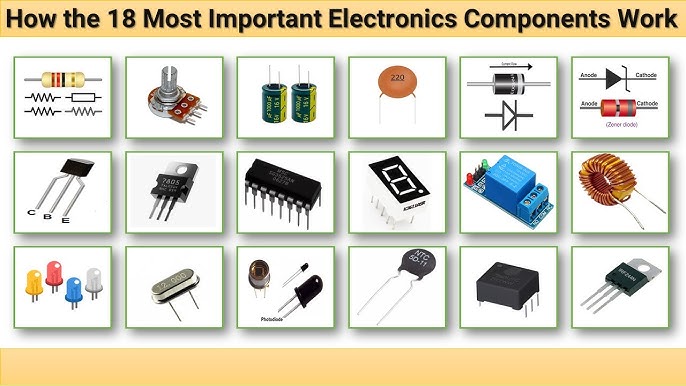
Each component on a circuit board has a specific job, and recognizing them helps you solder correctly. Here are some common components you will encounter:
| Component | Function |
|---|---|
| Resistor | Limits electrical current to prevent damage to other parts. |
| Capacitor | Stores and releases electrical energy to smooth out signals. |
| Diode | Allows current to flow in one direction only, protecting circuits. |
| Transistor | Acts as a switch or amplifier for electrical signals. |
| Integrated Circuit (IC) | Contains multiple electronic components in a small package to perform complex tasks. |
When you place these components on the board, ask yourself: Does the component’s orientation matter? Usually, yes. For example, diodes and ICs have specific directions that affect how the circuit works.
Understanding these basics changes how you approach soldering, helping you avoid common errors like reversed polarity or cold joints. What component do you find most challenging to solder? Practicing on each type will sharpen your skills and turn you into a confident electronics maker.
Preparing For Soldering
Preparing for soldering sets the foundation for clean, strong connections. Careful preparation ensures your work is efficient and safe. Taking time to get ready reduces errors and improves the final result.
Component Handling Techniques
Handle electronic parts with clean, dry hands or use tweezers. Avoid touching pins directly to prevent oils or dirt transfer. Hold components gently to avoid bending leads or damaging delicate parts. Organize components by type and value before starting your work. Use anti-static wrist straps to protect sensitive parts from static electricity.
Cleaning And Maintenance
Clean the soldering iron tip before and after use to maintain heat transfer. Use a damp sponge or brass wire cleaner for best results. Remove oxidation by tinning the tip with fresh solder regularly. Keep the workspace free of dust and debris to avoid contamination. Clean component leads and circuit boards with isopropyl alcohol before soldering to improve adhesion.
Basic Soldering Techniques
Basic soldering techniques lay the foundation for strong and reliable electronic connections. Learning these skills helps avoid common mistakes and ensures lasting results. This section covers essential practices every beginner should know.
Tinning The Tip
Tinning the soldering iron tip protects it from damage. It also improves heat transfer to the components. To tin the tip, heat it and apply a small amount of solder. Spread the solder evenly over the tip surface. Clean the tip regularly with a wet sponge to remove old solder and dirt.
Creating Secure Joints
Secure joints ensure good electrical connections and mechanical strength. Start by heating both the component lead and the pad simultaneously. Apply solder to the heated parts, not the iron tip. Let the solder flow smoothly and cover the joint fully. Avoid using too much solder to prevent shorts. Allow the joint to cool naturally without moving the components.
Advanced Soldering Techniques
Advanced soldering techniques take your skills beyond the basics and prepare you to handle complex electronic components with precision. These methods require more control, better tools, and an understanding of component sensitivity. Mastering them will boost your confidence and help you tackle projects that demand high accuracy.
Surface Mount Soldering
Surface mount soldering deals with tiny components placed directly on the surface of circuit boards. These parts are much smaller than through-hole components, so you need a steady hand and the right tools, like fine-tipped soldering irons and magnifiers.
Using solder paste instead of wire can make the process cleaner and more efficient. Apply a small amount of paste on the pads, position the component carefully with tweezers, then heat evenly with a soldering iron or hot air gun. Avoid overheating, as these components are sensitive and can easily be damaged.
Have you tried using flux to improve solder flow? It helps prevent solder bridges and ensures a strong connection. Practicing on scrap boards can sharpen your ability to place and solder these delicate parts accurately.
Desoldering Components
Removing components without damaging the board or parts is just as important as soldering them correctly. Desoldering requires patience and the right techniques to avoid lifting pads or breaking leads.
A solder sucker or desoldering braid can be your best friend here. Heat the solder joint until the solder melts, then quickly remove it with a solder sucker or soak it up with braid. Always keep your iron tip clean and at the right temperature to avoid excessive heat.
Sometimes, heating both the component leads and the pads simultaneously helps loosen stubborn joints. Ever struggled with a stuck component? Applying gentle, steady pressure while heating usually does the trick without damage. Practicing desoldering will improve your troubleshooting and repair skills immensely.
Troubleshooting Common Issues
Troubleshooting is a key skill that separates a beginner from a professional in soldering electronic components. You’ll face issues like weak connections or accidental solder bridges that can stop your circuit from working. Knowing how to spot and fix these problems quickly saves you time and frustration.
Identifying Cold Joints
A cold joint happens when the solder doesn’t melt properly, creating a weak or unreliable connection. You might notice dull, grainy solder instead of a shiny, smooth finish. This often causes intermittent faults or complete failure in your circuit.
To check if you have a cold joint, gently wiggle the component lead after soldering. If it moves or feels loose, the joint needs rework. Also, look for solder that looks cracked or has gaps between the metal and solder.
Improving heat application is crucial. Make sure your soldering iron tip is clean and hot enough before touching the joint. Touch the soldering iron to the joint and add solder only after both the component lead and pad reach the right temperature.
Fixing Solder Bridges
Solder bridges occur when excess solder connects two or more adjacent pins, creating a short circuit. This mistake is common when working with tightly spaced components like ICs. The circuit might behave unpredictably or fail to power up.
To fix solder bridges, use a solder wick or desoldering pump to remove the extra solder. Heat the affected area gently, then apply the wick or pump to soak up the solder. Afterward, carefully reflow the joint with your soldering iron to ensure clean separation between pins.
Preventing bridges starts with applying just the right amount of solder. Practice controlling your solder flow and use a fine-tipped iron for precision. Have you ever wondered if your soldering iron tip size is affecting your ability to avoid these common mistakes?
Practical Soldering Projects
Practical soldering projects help build real skills fast. These hands-on tasks show how to connect parts and fix devices. Practice boosts confidence and improves technique. It turns theory into clear, useful results.
Building A Simple Circuit
Start with a basic circuit using a breadboard and components. Learn to solder resistors, LEDs, and wires onto a circuit board. This project teaches how to handle small parts carefully. It also helps understand electrical connections clearly.
- Place components in the correct spots.
- Heat the soldering iron to the right temperature.
- Touch the solder to the joint, not the iron.
- Check the connection for strong, shiny joints.
Building a simple circuit improves hand-eye coordination. It shows the importance of neat and clean solder joints. This project prepares for more complex tasks.
Repairing A Broken Device
Fixing a device sharpens problem-solving and soldering skills. Find broken wires, loose connections, or damaged parts. Use a soldering iron to reconnect or replace components. This practice teaches patience and precision.
- Identify the broken part carefully.
- Remove old solder using a desoldering pump or braid.
- Clean the area before resoldering.
- Apply new solder to secure the joint.
Repair work shows how soldering saves electronics. It also reduces waste by restoring devices. This task builds useful skills for daily life and hobbies.

Credit: www.instructables.com
Tips For Professional Results
Getting professional results in soldering requires attention to detail and the right techniques. Small changes in how you work can improve your solder joints. Focus on cleanliness and speed to create strong connections that last.
Achieving Clean Soldering
Clean solder joints ensure good electrical connections and reduce failures. Start by cleaning component leads and pads with isopropyl alcohol. Use a fine-tip soldering iron for precise heat application.
Remove excess solder using a solder wick or pump. Avoid cold joints by heating both parts evenly before applying solder. A shiny, smooth surface shows a strong joint.
Speed And Efficiency
Work quickly but carefully to avoid damaging components. Pre-tin wires and pads to speed up soldering. Keep your soldering iron clean by wiping it on a damp sponge often.
Organize your workspace to reach tools easily. Practice steady hand movements to place solder exactly where needed. Efficient soldering saves time and improves results.
Continuous Learning And Improvement
Continuous learning and improvement are key to becoming a skilled soldering expert. The electronics field changes fast. Staying updated helps you keep your skills sharp and effective.
Practicing regularly and exploring new techniques builds confidence. Learning from mistakes improves your work quality. The journey to professional soldering never ends.
Resources And Courses
Many online platforms offer courses on soldering basics and advanced skills. Videos and tutorials show clear step-by-step instructions. Books and articles explain different soldering tools and methods.
Joining a structured course provides practice exercises and feedback. This helps you track your progress. Some courses offer certificates to prove your skills.
- Watch tutorial videos for visual learning
- Read beginner-friendly soldering guides
- Join online forums for tips and advice
- Take part in hands-on workshops
Networking With Professionals
Connecting with experienced soldering technicians opens doors to new knowledge. Professionals share real-world tips and tricks that improve your work. They can suggest tools and techniques that save time and effort.
Attend electronics meetups, trade shows, or online groups. Ask questions and share your progress. Building relationships with experts motivates you to learn more.
- Join local electronics clubs
- Participate in online soldering communities
- Follow industry experts on social media
- Attend webinars and workshops

Credit: www.youtube.com

Credit: www.viasion.com
Frequently Asked Questions
What Tools Are Essential For Soldering Electronics?
Essential tools include a soldering iron, solder wire, flux, tweezers, and a sponge. A quality soldering station helps control temperature, ensuring precise and safe solder joints. Proper tools improve accuracy and reduce errors during electronic component assembly.
How Do I Prepare Components For Soldering?
Clean component leads and PCB pads with isopropyl alcohol. Trim excess leads and apply flux to ensure better solder flow. Proper preparation prevents cold joints and enhances electrical connections, ensuring durable and reliable soldered components.
What Is The Best Soldering Technique For Beginners?
Heat both the pad and component lead simultaneously. Apply solder to the heated area, not directly to the iron tip. This technique ensures a strong, shiny joint and reduces the risk of damaging components or creating weak connections.
How Can I Avoid Common Soldering Mistakes?
Avoid excessive heat and solder quantity. Don’t move components while solder cools. Use proper ventilation and clean tools regularly. Following these tips prevents cold joints, bridges, and component damage, ensuring professional-quality soldering results.
Conclusion
Soldering electronic components takes patience and practice. Follow the steps carefully to avoid mistakes. Use the right tools and keep your workspace clean. Pay attention to heat and timing for strong joints. Keep learning by trying different projects often. Soon, your soldering skills will improve a lot.
Enjoy building and fixing electronics with confidence. This course helps you build a solid foundation. Your effort will lead to better results every time. Keep practicing and stay curious about new techniques.