How to Identify Counterfeit Electronic Components: Essential Tips
Imagine spending your hard-earned money on electronic components only to find out they don’t work or worse, damage your device. How can you be sure the parts you buy are genuine?
Knowing how to identify counterfeit electronic components is crucial to protect your projects, save time, and avoid costly repairs. You’ll learn simple yet powerful ways to spot fake parts before they cause problems. Keep reading to safeguard your electronics and make every purchase count.

Credit: suntsu.com
Signs Of Counterfeit Components
Spotting counterfeit electronic components can save you from costly failures and delays. Recognizing the signs early helps protect your projects and reputation. Pay close attention to details that often get overlooked but reveal a lot about the authenticity of a part.
Visual Inspection Clues
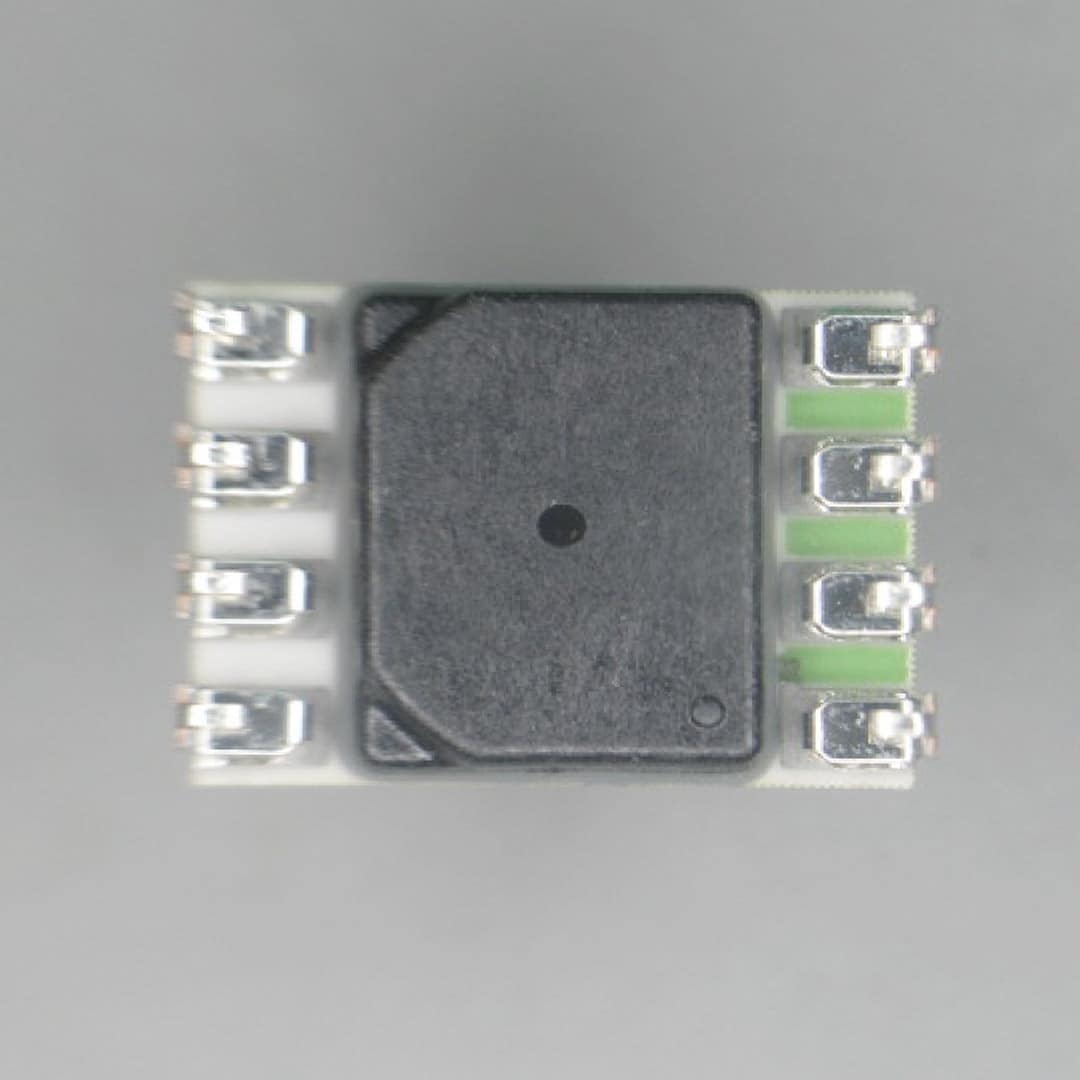
Look carefully at the component’s surface. Genuine parts usually have clean, consistent markings, while fakes may show smudges, uneven fonts, or blurry text.
Check for scratches or unusual discoloration that might indicate a recycled or re-marked part. Have you ever noticed a component that looks too shiny or too dull compared to others in the batch? That’s a red flag.
Unusual Packaging Features
Packaging tells a story. Original manufacturers use high-quality, sealed packaging with clear labels and barcodes. If the package is damaged, resealed, or missing critical information, question its authenticity.
Sometimes counterfeiters use generic or inconsistent packaging that doesn’t match the brand’s usual style. Ask yourself: does this packaging feel right, or does it seem off compared to your previous orders?
Suspicious Labeling
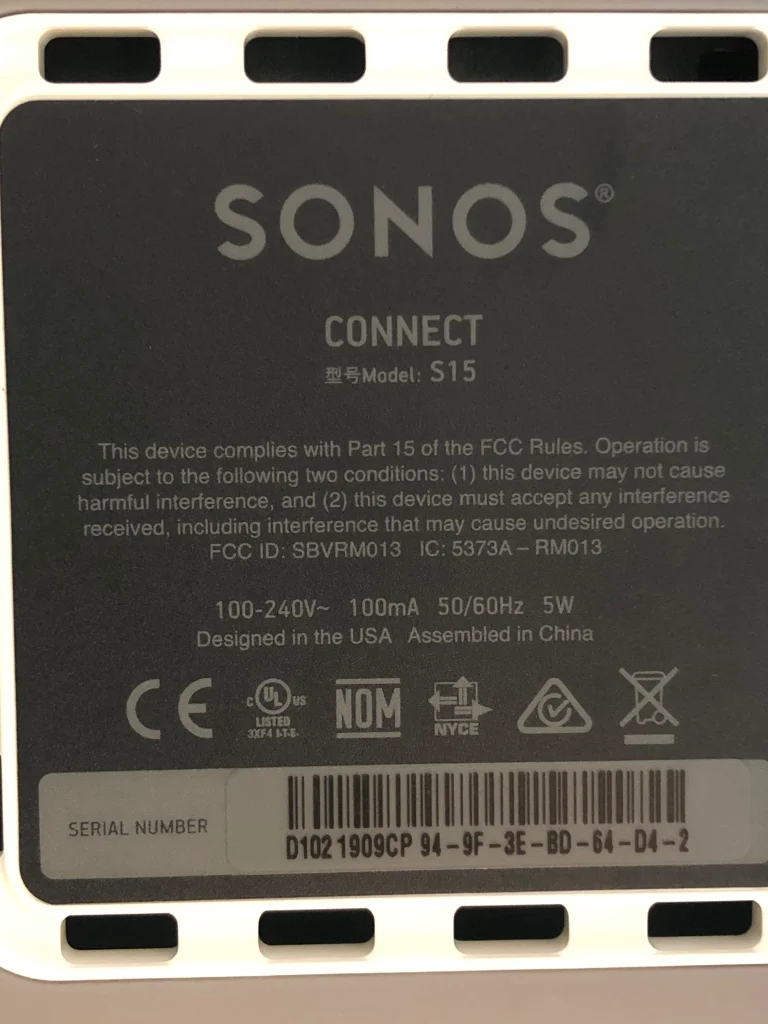
Labels should have precise and uniform printing. Look for misspellings, font inconsistencies, or misplaced logos. These are often signs of counterfeit products.
Beware of labels that look like they were manually applied or have uneven edges. If the date codes or batch numbers don’t match the manufacturer’s records, that’s a major warning sign.
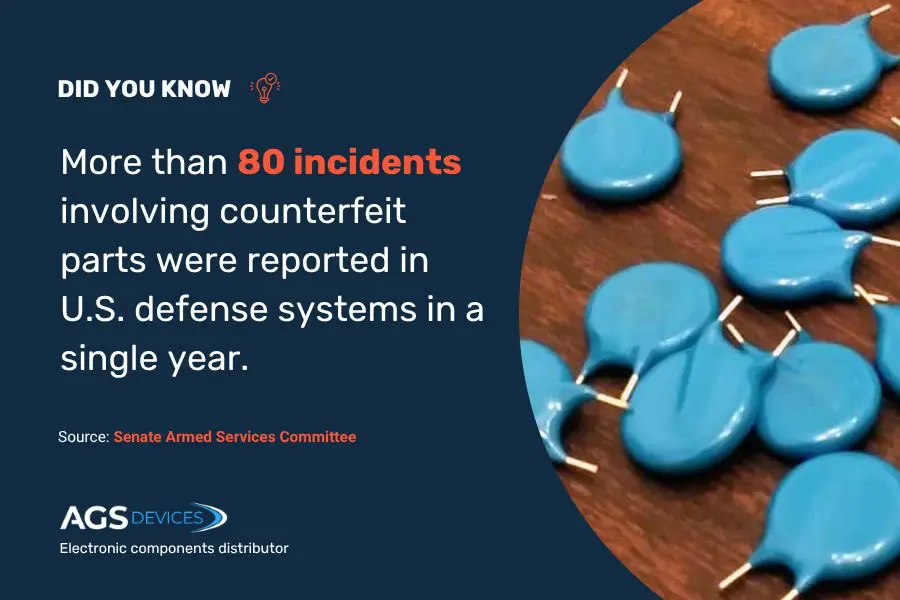
Credit: www.agsdevices.com
Vendor Verification
Vendor verification is a crucial step in protecting your projects from counterfeit electronic components. Identifying trustworthy sellers reduces the risk of receiving fake parts that can cause failures and costly delays. How can you be sure your supplier is reliable? The answer lies in thorough checks and understanding where your components come from.
Authorized Distributors
Purchasing from authorized distributors ensures the components are genuine and backed by the original manufacturers. These distributors have direct agreements with manufacturers, providing a layer of security and traceability. Have you ever ordered from a marketplace without verifying the source and ended up with parts that didn’t work?
Authorized distributors also offer warranties and support, making it easier to resolve issues. Checking the manufacturer’s website often lists their authorized sellers, so always cross-reference before buying.
Supplier Reputation Checks
Reputation matters a lot when selecting a supplier. Look for reviews, testimonials, and feedback from other customers in your industry. Online forums and trade groups can be valuable resources to see if the supplier has a history of delivering quality parts.
Ask yourself: Has this supplier been consistent with delivery times and product authenticity? A quick search might reveal red flags you wouldn’t want to overlook. Don’t hesitate to reach out to previous clients for firsthand experiences.
Reviewing Supplier Certifications
Certifications provide proof that a supplier meets industry standards and follows strict quality controls. Look for ISO certifications, such as ISO 9001, which indicate a commitment to quality management systems. Some suppliers also carry certificates from reputable organizations that audit supply chain integrity.
Request these documents before placing an order. Genuine suppliers usually have no problem sharing their certifications, and this transparency can save you from costly mistakes.
Testing And Analysis Methods
Testing and analysis methods are crucial to uncover counterfeit electronic components hidden within your supply chain. These approaches provide a hands-on way to verify authenticity beyond just visual inspection. By diving into electrical performance, internal structure, and material composition, you gain clearer proof of a component’s legitimacy.
Electrical Testing Procedures
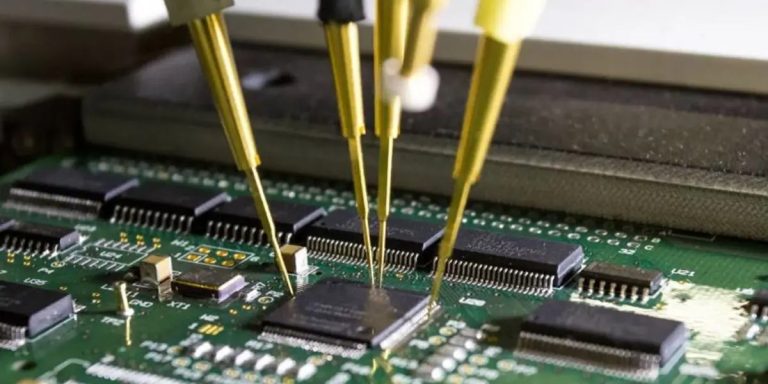
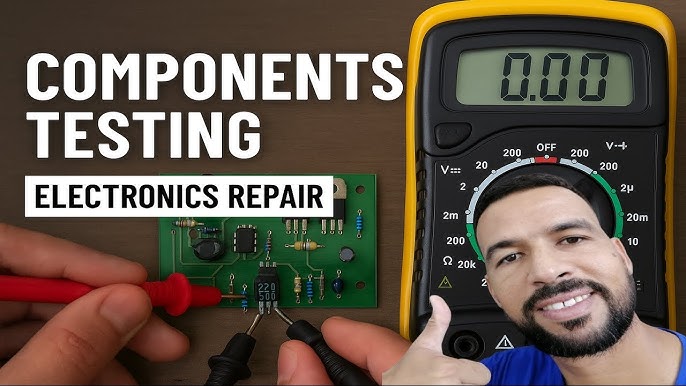
Electrical testing checks if a component behaves as it should under specific conditions. You can measure parameters like resistance, capacitance, and current leakage to see if they match the original specifications.
For instance, I once found a batch of capacitors that passed visual checks but failed leakage current tests. This simple step saved a project from costly failures down the line.
- Use curve tracers to compare transistor characteristics.
- Measure voltage thresholds on logic ICs.
- Check timing delays to detect altered chips.
Does your testing process catch subtle electrical differences that counterfeiters often hide?
X-ray Inspection Techniques
X-ray imaging reveals the internal structure of components without damaging them. It’s especially useful for spotting counterfeit chips that contain altered or missing internal features.
One time, an X-ray inspection revealed a fake microcontroller with a completely different die inside the package. This was impossible to detect through external examination alone.
- Check wire bonding patterns and die size.
- Look for inconsistencies in internal layers or solder joints.
- Compare images against known authentic parts.
Have you considered how much internal detail you might be missing by skipping X-ray analysis?
Chemical Analysis
Chemical analysis examines the materials used in a component to verify their authenticity. Techniques like spectroscopy help identify elemental composition and detect unauthorized materials.
In one project, chemical analysis exposed counterfeit resistors made from substandard alloys that would fail under heat. This test was key to ensuring long-term reliability.
- Use X-ray fluorescence (XRF) to check metal compositions.
- Apply Fourier-transform infrared spectroscopy (FTIR) for polymer identification.
- Detect plating and coating materials to spot fake finishes.
Could verifying material composition be the missing step in your counterfeit detection routine?
Documentation And Certification
Documentation and certification play a crucial role in identifying counterfeit electronic components. Authentic parts come with proper paperwork that confirms their origin and quality. These documents help verify that the components meet industry standards and match the manufacturer’s specifications.
Without valid documentation, it becomes difficult to trust the component’s authenticity. Proper certification reduces the risk of buying fake or substandard parts that could fail in critical applications.
Checking Certificates Of Conformance
Certificates of Conformance (CoC) prove that the component meets required standards. Always request a CoC from the supplier before purchasing. The certificate should include:
- Manufacturer’s name and contact details
- Part number and description
- Test results and inspection data
- Date of manufacture and batch information
- Signature or stamp of approval
Verify the authenticity of the CoC by contacting the manufacturer. Fake certificates often have errors or missing information.
Verifying Batch Numbers
Batch numbers link components to their production history. Check the batch number printed on the part against the supplier’s documents. This helps ensure the component is from a legitimate manufacturing run.
Manufacturers keep records of each batch for quality control. If the batch number is missing or doesn’t match, the part may be counterfeit or recycled.
Comparing Datasheets
Datasheets provide detailed technical specifications for components. Compare the datasheet received from the supplier with the official datasheet on the manufacturer’s website. Look for differences in:
- Electrical characteristics
- Physical dimensions
- Markings and packaging details
Discrepancies in datasheets can indicate counterfeit products. Use datasheets to confirm the part’s identity and expected performance.
Industry Standards And Guidelines
Industry standards and guidelines play a vital role in identifying counterfeit electronic components. These standards provide clear criteria and processes to verify component authenticity. Following them helps companies maintain product quality and safety. They also reduce the risk of counterfeit parts entering supply chains.
Understanding and applying these standards creates trust among buyers and suppliers. It ensures compliance with legal and market requirements. The most recognized standards cover inspection methods, documentation, and testing protocols. Learning about these helps professionals spot fake components quickly.
Understanding Iso Standards
ISO standards set global rules for quality and safety. ISO 9001 focuses on quality management systems. It ensures manufacturers have processes to avoid counterfeit parts.
ISO/IEC 17025 defines requirements for testing and calibration labs. Accredited labs follow strict guidelines to confirm component authenticity. These standards improve reliability in testing results.
Following Ipc Guidelines
IPC guidelines target electronics manufacturing and assembly. IPC-610 covers acceptability of electronic assemblies. It highlights how to spot physical signs of counterfeit parts.
IPC-1752A deals with data exchange for material traceability. It supports tracking components back to trusted sources. This traceability helps detect fake or suspect parts early.
Adhering To As6081
AS6081 is a key standard to prevent counterfeit electronics. It outlines requirements for distributors and suppliers. This includes inspection, testing, and documentation rules.
The standard demands controls on procurement and storage. It helps ensure only genuine components enter the supply chain. Following AS6081 reduces risks and protects product integrity.
Technological Tools For Detection
Technological tools help detect counterfeit electronic components quickly and accurately. They provide advanced methods to verify authenticity. These tools reduce risks and save costs in manufacturing and repairs. Below are key technologies used today for detection.
Software Solutions
Software tools scan component details for irregularities. They compare serial numbers and datasheets against trusted databases. Many programs use visual recognition to spot fake labels or markings. These tools help inspectors catch issues before components enter the supply chain.
Blockchain For Traceability
Blockchain records every step of a component’s journey. It creates a secure, tamper-proof history from production to delivery. This traceability makes it easy to verify origins and detect counterfeit parts. Companies use blockchain to build trust and improve transparency.
Machine Learning Applications
Machine learning analyzes large datasets to find counterfeit patterns. It learns from past detection cases to improve accuracy. Algorithms can spot subtle differences in component images and specifications. This technology speeds up inspections and reduces human error.
Reporting And Prevention Strategies
Reporting and prevention strategies play a vital role in stopping counterfeit electronic components. Acting quickly and following clear steps helps protect your business and the entire supply chain. These strategies reduce risks and improve product safety.
Alerting Authorities
Report suspected counterfeit parts to relevant authorities immediately. This includes government agencies and industry watchdogs. Providing detailed information helps track and stop counterfeiters. Early reporting can prevent fake components from spreading further.
Keep records of all suspicious parts and where they came from. Share evidence like photos and batch numbers. This supports investigations and helps authorities take action.
Establishing Anti-counterfeit Policies
Create clear policies to prevent counterfeit parts in your supply chain. Define strict supplier approval processes. Use trusted and certified vendors only. Set guidelines for inspecting and testing components before use.
Include penalties for suppliers who provide fake parts. Regular audits ensure compliance with these policies. Strong rules protect your company and customers from harm.
Continuous Training And Education
Train employees to recognize counterfeit electronic components. Offer regular workshops and updated materials. Teach staff how to check packaging, markings, and electrical performance.
Educate purchasing teams on safe sourcing practices. Keep everyone aware of the latest counterfeit trends. Continuous learning helps catch fakes early and reduces risks.

Credit: electroniccomponent.com
Frequently Asked Questions
What Are Common Signs Of Counterfeit Electronic Components?
Common signs include inconsistent markings, poor soldering, and unusual packaging. Counterfeits often lack proper certifications and have suspiciously low prices.
How Can I Verify The Authenticity Of Electronic Parts?
Check datasheets, use trusted suppliers, and inspect components under magnification. Cross-reference part numbers and batch codes with manufacturer databases.
Why Is Detecting Counterfeit Components Important?
Counterfeit parts can cause device failure, safety hazards, and increased costs. Identifying fakes helps ensure reliability and compliance with industry standards.
What Tools Help Identify Fake Electronic Components?
Magnifying glasses, X-ray inspection, and chemical analysis are effective. These tools reveal hidden defects and irregularities not visible to the naked eye.
Conclusion
Detecting fake electronic parts helps protect your devices and money. Check labels, packaging, and quality carefully every time. Use trusted sellers and tools to verify parts. Stay alert for unusual marks or poor finishes. Knowing these signs keeps your projects safe and working well.
Trust your eyes and double-check before buying parts. Stay smart, and avoid costly mistakes with counterfeit components.