How to Start a Consumer Electronics Company: Ultimate Startup Guide
Are you dreaming of launching your own consumer electronics company? Imagine the thrill of bringing the next must-have gadget to market and seeing your brand become a household name.
It’s an exciting venture, but one that comes with its own set of challenges and rewards. Whether you’re passionate about innovative tech or driven by the potential for profit, knowing where to start can make all the difference. This guide is crafted to help you navigate the crucial first steps.
Ready to turn your vision into reality? Discover the essential strategies and insights to kickstart your journey into the world of consumer electronics. Dive in and unlock the secrets to success in this dynamic industry.

Credit: www.thebusinessresearchcompany.com
Market Research
Market research is the foundation of your consumer electronics company. Without it, you risk building products no one wants or entering a saturated market without a unique angle. Effective market research helps you understand your potential customers, your competition, and where the market is headed.
Identify Target Audience
Knowing exactly who you’re designing for changes everything. Think beyond age and gender—consider lifestyles, tech habits, and pain points. For instance, are you targeting tech-savvy millennials who crave the latest gadgets, or are you focusing on seniors needing simple, reliable devices?
Use surveys, social media polls, and even informal conversations to gather insights. The clearer your audience, the easier it is to tailor your products and marketing strategies to meet their specific needs.
Analyze Competitors
Look closely at companies already thriving in your niche. What are they doing well? What gaps do they leave open? I once studied a competitor’s product reviews and discovered common complaints about battery life and customer service, which gave me clear areas to improve in my own offering.
Track their pricing, features, and customer feedback. Understanding your competition helps you position your products more smartly and avoid costly mistakes.
Spot Market Trends
Technology moves fast. Staying ahead means spotting trends before they become mainstream. Watch industry news, attend trade shows, and follow thought leaders on social media. Trends like AI integration or eco-friendly materials can shape your product’s future appeal.
Ask yourself: which trends align with your company’s strengths and values? Jumping on the right trend early can make your brand a market leader rather than a follower.
Business Planning
Business planning is the foundation of a successful consumer electronics company. It guides your decisions and helps manage risks. A clear plan shapes your ideas into actionable steps. It also attracts investors and partners. Planning forces you to think about your market, products, and finances carefully.
Choose A Business Model
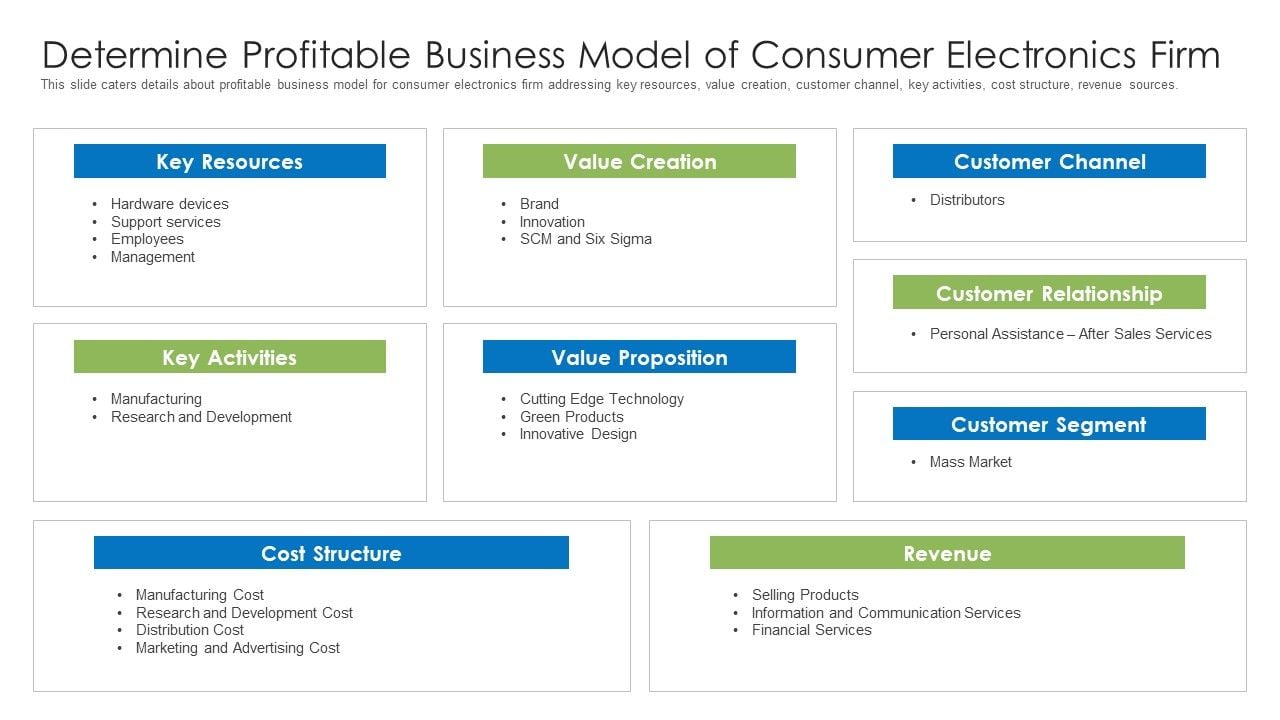
Select a business model that fits your goals and resources. Options include manufacturing your own products, reselling existing products, or offering repair services. Each model has different costs and profit margins. Consider your skills, budget, and customer needs. Research competitors to find a unique position. Your choice affects marketing, operations, and financial planning.
Draft A Business Plan
Create a detailed business plan to outline your strategy. Include sections on your company overview, target market, product line, and marketing approach. Define your operational plan, including suppliers and production methods. A strong business plan shows how you will solve problems and meet demand. Use simple language and clear goals. Update the plan as your company grows or market changes.
Set Financial Goals
Define clear financial goals to track your progress. Set targets for sales, profits, and expenses. Plan for startup costs like equipment, inventory, and marketing. Budget for unexpected expenses and cash flow needs. Use realistic numbers based on research and industry standards. Regularly review your financial goals to stay on track. Good financial planning helps secure funding and manage growth.
Product Development
Product development is the heart of any consumer electronics company. It transforms ideas into real products that customers want. This phase shapes your company’s future and builds your brand reputation.
Effective product development balances creativity with practical steps. It starts with a clear idea and moves through design, prototyping, and rigorous testing. Each step ensures the final product works well and meets customer needs.
Conceptualize Product Ideas
Begin by generating clear and simple ideas. Focus on solving problems or improving daily life. Gather input from potential users and study market trends. Write down all ideas, then choose the best based on feasibility and demand.
- Identify customer pain points
- Research existing products
- Brainstorm innovative features
- Evaluate costs and materials
Design And Prototyping
Turn your idea into a visual form. Sketch designs and create 3D models using software. Build prototypes to see how the product looks and feels. Use prototypes to find flaws and improve the design.
- Create detailed technical drawings
- Choose materials and components
- Develop functional prototypes
- Gather feedback from testers
Testing And Quality Assurance
Check the product for safety and performance. Test under different conditions to ensure durability. Fix any problems found during testing. Quality assurance helps maintain customer trust and meet regulations.
- Perform functionality tests
- Conduct safety and compliance checks
- Test battery life and charging
- Analyze user experience feedback
Funding Options
Starting a consumer electronics company requires money to build products, market, and grow. Choosing the right funding option helps control your business and reach goals faster. Funding sources vary in risk, control, and repayment terms. Understanding different ways to fund your startup helps pick the best fit for your needs.
Bootstrap Strategies
Bootstrapping means using your own money to start and grow your company. It keeps full control over your business and avoids debt. Use personal savings or income from another job to cover early costs. Focus on low-cost ways to develop and test your products. This method builds a strong foundation but may limit growth speed.
Seek Investors
Investors give money in exchange for ownership or future profits. They can be friends, family, angel investors, or venture capitalists. Prepare a clear business plan and pitch to attract investors. They provide funds, advice, and connections to help your company succeed. Expect to share decision-making and profits with investors.
Explore Loans And Grants
Loans provide money that you repay with interest over time. Banks and online lenders offer business loans with different terms. Grants are funds that do not require repayment but need meeting specific criteria. Research government programs or industry grants for startups. Loans increase costs but keep full ownership of your company.
Legal Setup
Starting a consumer electronics company needs a solid legal foundation. Legal setup protects your business and ensures smooth operations. It covers registering your business, getting licenses, and guarding your inventions. Each step helps you avoid future problems and build trust with customers and partners.
Register Your Business
Register your company with the government to make it official. Choose a business name that fits your brand and check if it is available. Decide your business structure, such as sole proprietorship, partnership, or corporation. Each type has different rules and tax benefits.
Filing registration documents usually requires:
- Business name registration
- Employer Identification Number (EIN)
- State and local registrations
Registering your business creates a legal identity. It allows you to open bank accounts and sign contracts.
Obtain Licenses And Permits
Consumer electronics companies may need special licenses to operate. Check local, state, and federal rules for your products and services. Common permits include:
- Sales tax permit
- Import/export license
- Environmental permits
Some electronics need safety certifications before sale. Meeting these rules helps you avoid fines and legal issues. It also builds customer confidence in your products.
Protect Intellectual Property
Protect your ideas and inventions with intellectual property rights. This includes trademarks, patents, and copyrights. Trademarks protect your brand name and logo. Patents guard your unique inventions and designs. Copyrights cover manuals, software, and marketing materials.
Registering your IP rights stops others from copying your work. It increases your company’s value and market strength. Consider consulting an IP attorney for proper protection steps.

Credit: appstle.com
Manufacturing And Supply Chain
Manufacturing and supply chain form the backbone of any consumer electronics company. How you handle these aspects directly impacts your product quality, cost, and delivery speed. Getting this right can set you apart in a crowded market and build trust with your customers.
Find Reliable Manufacturers
Choosing the right manufacturer is critical. Look for partners who specialize in electronics and have a proven track record of quality and timely delivery.
Visit factories if possible or request sample products to assess quality firsthand. Don’t hesitate to ask for references or client testimonials to verify their credibility.
Consider manufacturers who offer flexibility to scale production as your business grows. This saves time and money when demand suddenly spikes.
Manage Inventory
Keeping the right amount of inventory is tricky. Too much ties up your cash; too little risks stockouts and lost sales.
Use inventory management software to track stock levels in real-time. Set reorder points that trigger automatic purchasing so you never run dry.
Think about holding safety stock for components with long lead times. This small buffer can prevent costly production delays.
Optimize Logistics
Efficient logistics cut down shipping costs and speed up delivery to customers. Partner with reliable freight and courier companies who understand electronics handling.
Map out the best routes and shipping methods for your target markets. Sometimes air shipping is faster but more expensive; sea freight saves money but takes longer.
Consider warehousing options near your main customer base to reduce transit times. How can you balance cost and speed to keep your customers happy?
Branding And Marketing
Branding and marketing form the backbone of any consumer electronics company. Strong branding sets your products apart in a crowded market. Effective marketing spreads awareness and builds trust with customers. Together, they create a powerful force that drives sales and growth.
Create Brand Identity
Start by defining your brand’s core values and mission. Choose a simple, memorable name that reflects your products. Design a logo that looks good on packaging and online. Pick colors and fonts that match your brand’s personality. Keep your message clear and consistent across all platforms.
Develop Marketing Strategy
Identify your target audience and understand their needs. Set clear goals, such as increasing website visits or boosting sales. Plan campaigns that highlight your product’s unique features. Use a mix of advertising, promotions, and public relations. Track results and adjust your approach to improve performance.
Leverage Digital Channels
Use social media to connect directly with customers. Create content like videos, blogs, and reviews to show product benefits. Optimize your website for search engines to attract organic traffic. Run targeted ads on platforms like Google and Facebook. Use email marketing to keep customers informed and engaged.
Sales And Distribution
Sales and distribution form the backbone of your consumer electronics company’s success. Without a clear plan for reaching customers and delivering your products, even the best gadgets can fail to gain traction. How you choose to sell and distribute your products shapes your brand’s reputation and influences customer loyalty.
Choose Sales Channels
Decide where your customers are most likely to shop. Online marketplaces like Amazon or your own e-commerce site can reach a global audience quickly. Physical stores or pop-up shops can create a hands-on experience that builds trust in your products.
Consider a mix of channels to maximize exposure. Are you targeting tech-savvy early adopters who prefer online shopping? Or does your product appeal to traditional buyers who like visiting retail outlets? Your choice will impact marketing strategies and inventory management.
Build Retail Partnerships
Strong retail partnerships open doors to wider distribution and customer access. Approach retailers that align with your brand’s values and customer base. Local electronics stores can provide personalized service, while big-box retailers offer volume sales and visibility.
Negotiate terms that benefit both parties, such as exclusive offers or co-branded promotions. Keep communication clear and consistent to maintain a healthy relationship. Have you explored partnering with niche stores that cater specifically to your target market?
Implement Customer Support
Customer support is more than just fixing problems—it’s about building trust and encouraging repeat business. Provide multiple channels for support like phone, email, and live chat to meet different preferences. Quick and helpful responses can turn a frustrated customer into a loyal advocate.
Use support interactions to gather feedback on your products. This direct insight can guide improvements and new feature development. What systems will you put in place to ensure your team stays responsive and informed?
Scaling The Business
Scaling the business is a crucial phase for any consumer electronics company. Growth requires careful planning and smart strategies. Expanding your reach and improving operations help the company compete better in the market. Focus on broadening your product range, exploring new markets, and streamlining your processes. These steps build a stronger foundation for long-term success.
Expand Product Line
Adding new products attracts different types of customers. Study current trends and customer needs. Develop items that complement your existing lineup. Small variations or upgrades can increase sales. Keep innovation simple and practical. Avoid overcomplicating designs to reduce costs and delays.
Enter New Markets
Explore markets beyond your initial location. Research local demands and regulations. Tailor marketing and products to fit each area. Start with nearby regions before moving further. Use local partnerships to ease entry. Understand cultural differences to connect with customers.
Enhance Operational Efficiency
Improve production and delivery methods. Automate repetitive tasks to save time. Train staff regularly for better performance. Monitor inventory closely to avoid shortages or excess. Use technology to track orders and shipments. Efficient operations reduce costs and boost profits.
Credit: www.slidegeeks.com
Frequently Asked Questions
What Are The First Steps To Start A Consumer Electronics Company?
Begin with thorough market research and identify your target audience. Develop a solid business plan focusing on product design, manufacturing, and marketing strategies. Secure funding and comply with legal requirements before launching your company.
How To Choose The Right Products For Your Electronics Company?
Analyze current market trends and customer needs. Focus on innovative, high-demand, and profitable products. Consider your expertise and manufacturing capabilities to ensure quality and competitiveness in the market.
What Legal Requirements Are Needed For An Electronics Startup?
Register your business and obtain necessary licenses. Comply with industry standards and safety regulations. Protect your intellectual property through patents and trademarks to avoid legal issues.
How Can I Fund My Consumer Electronics Startup?
Explore options like personal savings, angel investors, venture capital, or crowdfunding. Prepare a detailed business plan to attract investors. Consider government grants and loans designed for tech startups.
Conclusion
Starting a consumer electronics company takes clear steps and strong focus. Plan your products carefully and know your market well. Build a team that shares your vision and skills. Stay patient and ready to learn from challenges. Keep improving your designs and listen to customer needs.
Success grows with hard work and smart choices. Begin small, think big, and move forward every day. Your journey in electronics can start today.