What is Consumer Electronics Industry: Ultimate Guide to Trends & Impact
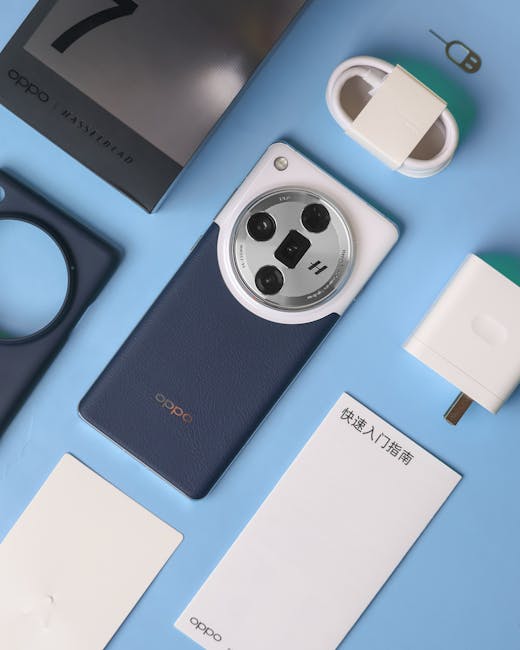
Ever wondered how the gadgets you use every day come to life? From the smartphone in your pocket to the smart TV in your living room, the consumer electronics industry is behind it all.
But what exactly is this industry, and why should you care? Understanding the consumer electronics industry can help you make smarter choices when buying new tech, and keep you ahead of the curve with the latest innovations. Imagine being the first to know about groundbreaking devices before they hit the shelves.
Intrigued? Stick around to discover what makes this industry tick and how it impacts your daily life in more ways than you might think.
.png)
Credit: www.podbase.com
Consumer Electronics Landscape
The consumer electronics landscape is vast and dynamic. It covers devices used daily by millions worldwide. This industry evolves rapidly with tech advances. It shapes how people communicate, entertain, and work. Understanding this landscape helps grasp the market’s scope and impact.
Key Product Categories
- Smartphones and mobile devices
- Computers and tablets
- Wearable technology like smartwatches
- Home entertainment systems including TVs and speakers
- Personal audio devices such as headphones and earbuds
- Smart home products like security cameras and thermostats
- Gaming consoles and accessories
Major Market Players
Several companies lead the consumer electronics market globally. These brands innovate and set industry standards. They invest heavily in research and development. Some top players include:
- Apple
- Samsung
- Sony
- LG Electronics
- Microsoft
- Huawei
- Panasonic
Global Market Size
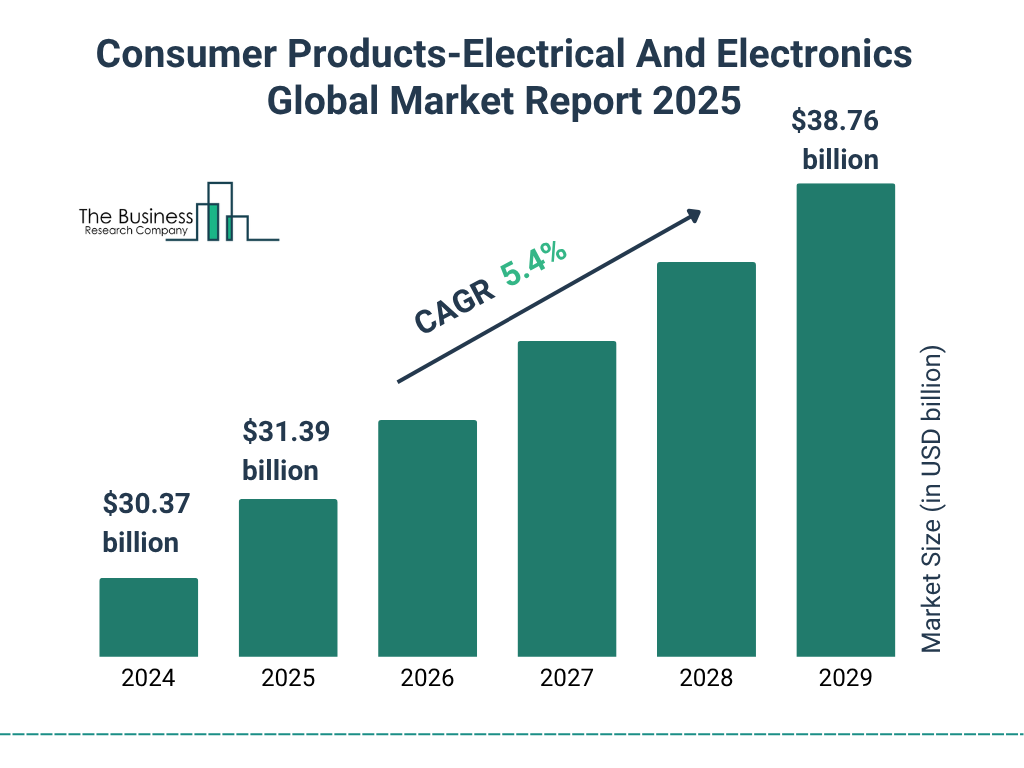
The consumer electronics market is worth trillions of dollars. It grows steadily each year. Demand rises due to technology adoption and lifestyle changes. Regions like Asia Pacific and North America hold large shares. Online sales contribute significantly to market expansion. Future growth depends on innovation and consumer preferences.
Emerging Trends
The consumer electronics industry is changing fast. New trends shape how people use technology daily. These trends improve convenience, health, and connectivity. They also focus on protecting the planet. Understanding these trends helps consumers and businesses stay updated and make smart choices.
Smart Home Devices
Smart home devices control lighting, temperature, and security. They connect to the internet and respond to voice commands. These devices make homes more comfortable and safe. Popular examples include smart speakers, thermostats, and cameras. They learn user habits to save energy and improve living quality.
Wearable Technology
Wearables track health, fitness, and activity levels. Smartwatches and fitness bands monitor heart rate, sleep, and steps. These devices help users stay active and healthy. Some wearables also offer GPS and contactless payments. They are becoming smaller and more stylish.
5g And Connectivity
5G offers faster internet and better network stability. It supports more devices connected at once. This boosts streaming, gaming, and smart device performance. 5G enables real-time communication and new applications like smart cities. It changes how devices interact and share data.
Sustainability Practices
Companies focus on reducing electronic waste and energy use. Many products now use recyclable materials and eco-friendly packaging. Energy-efficient designs lower electricity consumption. Some brands offer repair services to extend product life. These efforts help protect the environment for future generations.
Technological Innovations
Technological innovations drive the consumer electronics industry forward. New ideas and tools improve the products we use daily. These changes make devices smarter, faster, and easier to use. Innovation touches every part of consumer electronics, from how devices operate to how they look and feel.
Artificial Intelligence Integration
Artificial intelligence (AI) helps devices learn and adapt to users. Smart assistants like voice-activated speakers use AI to understand commands. AI also improves camera quality by recognizing scenes and faces. It powers features such as personalized recommendations and automated settings.
Augmented And Virtual Reality
Augmented reality (AR) adds digital elements to the real world. Virtual reality (VR) creates a fully digital environment. Both technologies enhance gaming, education, and shopping experiences. They allow users to interact with digital content in new ways. AR and VR are becoming more affordable and widespread.
Advances In Display Technologies
Display technologies have improved in brightness, color, and resolution. OLED and AMOLED screens offer sharper images and deeper blacks. Flexible and foldable displays provide new design possibilities. Higher refresh rates make visuals smoother. These advances enhance how users view videos, games, and photos.
Battery And Power Solutions
Battery life is crucial for portable electronics. New battery types last longer and charge faster. Wireless charging offers convenience without cables. Energy-efficient components reduce power consumption. These improvements help devices stay active throughout the day.
Credit: www.thebusinessresearchcompany.com
Consumer Behavior Shifts
Consumer behavior in the electronics market is changing fast. Buyers want more than just basic devices. They seek smart features, social influence, and products that fit their style. These shifts shape how companies design and sell gadgets.
Preference For Smart Devices
People now choose devices that connect to the internet. Smartphones, smartwatches, and smart home products are popular. These devices offer convenience and save time. Consumers want gadgets that work together smoothly.
Influence Of Social Media
Social media impacts what people buy. Reviews, unboxing videos, and influencer opinions guide choices. Consumers trust peers more than ads. This creates a strong push for trendy, well-reviewed electronics.
Demand For Customization
Buyers want products that match their needs and tastes. Custom colors, features, and designs attract more customers. Personalized devices make users feel special and satisfied. This trend pushes brands to offer more options.
Economic And Social Impact
The consumer electronics industry shapes not only the economy but also the way we live, work, and connect. Its influence reaches beyond gadgets and devices, affecting job markets, the environment, and access to technology worldwide. Understanding these economic and social impacts helps you see the bigger picture behind every screen and smart device.
Job Creation And Industry Growth
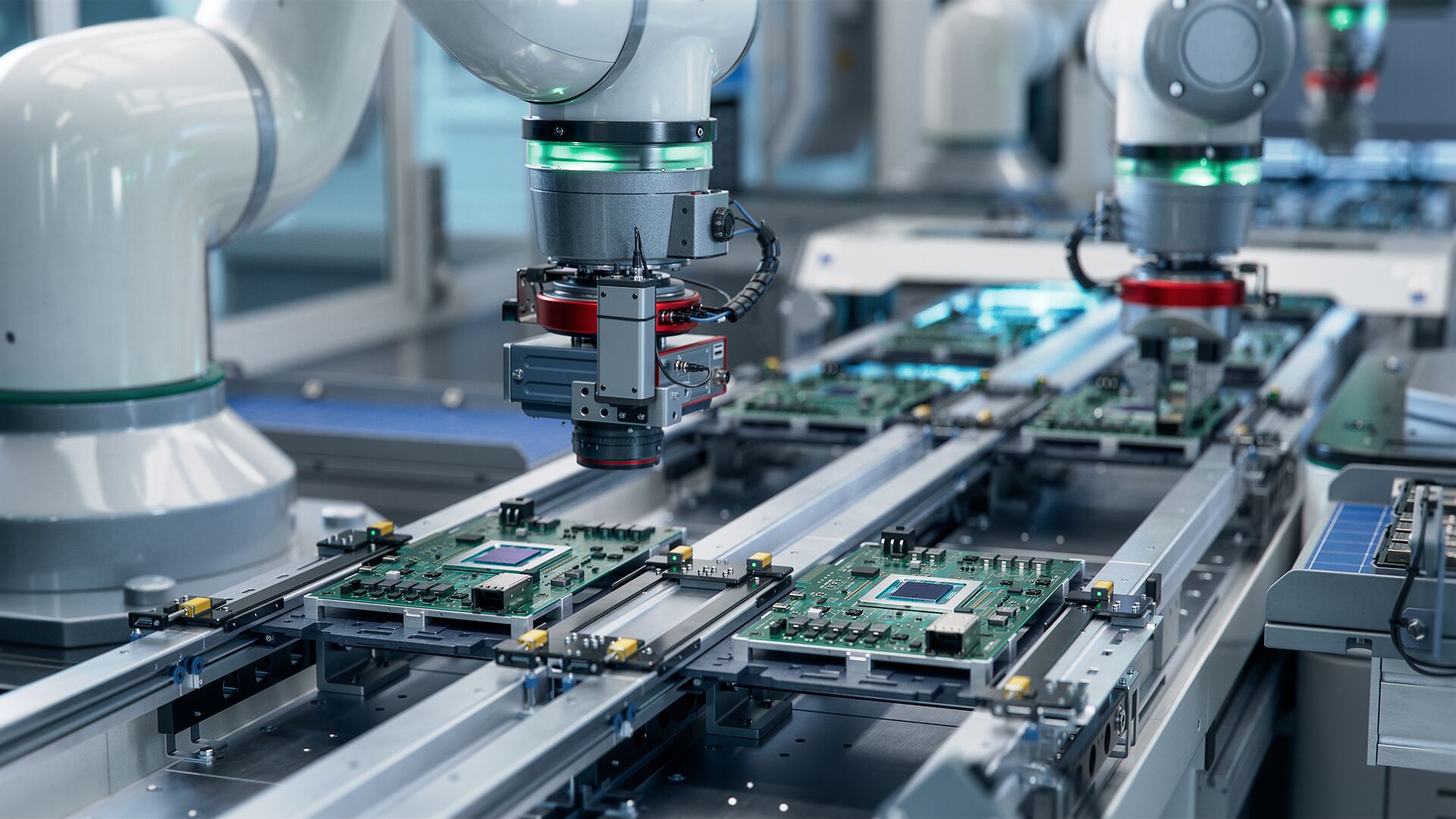
The consumer electronics sector generates millions of jobs globally, from manufacturing to software development. These jobs often require a mix of technical skills and creativity, offering opportunities for various career paths. Have you ever thought about how many hands worked to bring your smartphone to life?
The industry’s rapid growth fuels innovation hubs and local economies. New startups and established companies compete to produce the next breakthrough, driving demand for talent and investment. This continuous growth means more chances for you or someone you know to enter a dynamic and evolving field.
Environmental Considerations
Consumer electronics pose significant environmental challenges, especially in terms of resource use and electronic waste. Devices often contain rare metals, and improper disposal can harm ecosystems. You might wonder how your old gadgets affect the planet once you toss them away.
Efforts to reduce environmental impact include recycling programs and designing for longer product life. Brands are beginning to focus on sustainability, but the pace varies widely. What steps can you take to minimize your tech footprint?
Digital Divide And Accessibility
Access to consumer electronics isn’t equal worldwide, creating a digital divide that affects education, employment, and social inclusion. Many people still lack reliable access to basic devices or the internet. How does this gap influence your community or country?
Improving accessibility means designing affordable devices and expanding connectivity to underserved areas. Technology should empower everyone, not just those who can easily afford it. What role can you play in bridging this divide and making tech more inclusive?

Credit: www.signalintegrityjournal.com
Challenges Facing The Industry
The consumer electronics industry faces many challenges. These affect how companies design, produce, and sell their products. Understanding these issues helps explain the industry’s current state and future trends.
Supply Chain Disruptions
Supply chain problems cause delays and increase costs. Shortages of key parts like chips slow down production. Shipping delays affect product availability worldwide. Companies must find new suppliers and manage risks carefully.
Regulatory And Privacy Issues
New rules impact how products are made and used. Privacy laws require better protection of user data. Companies must follow strict guidelines to avoid fines. Meeting these standards takes time and resources.
Competitive Pressure
The market is crowded with many brands and products. Companies compete on price, features, and innovation. Staying ahead requires constant improvement and quick responses. Small mistakes can lead to lost customers.
Future Outlook
The consumer electronics industry is evolving rapidly. New products, ideas, and technologies shape its future. Understanding what lies ahead helps businesses and consumers prepare for changes. The industry’s future outlook shows exciting possibilities and clear challenges.
Predicted Market Trends
- Growth in smart home devices continues steadily.
- Wearable tech gains popularity among all age groups.
- Eco-friendly and sustainable products attract more buyers.
- Integration of artificial intelligence improves user experience.
- 5G technology expands faster global connectivity.
Potential Breakthrough Technologies
- Flexible displays may change how devices look and feel.
- Advances in battery life extend device usage time.
- Augmented reality blends digital and real worlds smoothly.
- Voice recognition becomes more accurate and widely used.
- Quantum computing shows promise for faster data processing.
Shifts In Consumer Expectations
- Consumers demand simpler, more intuitive device interfaces.
- Privacy and data security become top concerns.
- Customization options grow in importance.
- Users expect quicker software updates and support.
- Affordable pricing remains a key factor in buying decisions.
Frequently Asked Questions
What Defines The Consumer Electronics Industry?
The consumer electronics industry includes companies designing and manufacturing devices like smartphones, TVs, and wearables. It focuses on products for personal use and entertainment. This industry drives innovation and shapes modern lifestyles globally with rapidly evolving technology.
Which Products Belong To Consumer Electronics?
Products include smartphones, laptops, tablets, TVs, audio equipment, and smart home devices. These gadgets enhance communication, entertainment, and convenience. The industry constantly updates these products to meet consumer demands and technological advancements.
How Does Consumer Electronics Impact Daily Life?
Consumer electronics simplify communication, work, and entertainment. They enable instant connectivity, smart home control, and access to information. This industry improves efficiency and lifestyle quality by integrating technology into everyday activities seamlessly.
What Drives Growth In The Consumer Electronics Industry?
Innovation, consumer demand, and technological advances drive growth. Trends like IoT, AI, and 5G expand product capabilities. Globalization and e-commerce also boost market reach and sales for consumer electronics companies.
Conclusion
The consumer electronics industry shapes much of our daily life. It brings new gadgets that help us work and play. This industry grows fast and changes often. People everywhere use its products for fun and ease. Understanding this field helps you see its impact.
Technology will keep improving and reaching more people. The consumer electronics industry will stay important in the future. Stay curious about the gadgets that surround you. They tell a story of progress and connection.