What are the Latest Trends in Wearable Technology: 2025 Insights
Are you curious about how wearable technology is changing the way you live, work, and stay healthy? Imagine having a device that not only tracks your steps but also monitors your heart, helps you sleep better, and keeps you connected without pulling out your phone.
The latest trends in wearable technology are making this possible—and much more. You’ll discover the newest gadgets and features that could soon become part of your daily routine. Ready to see what’s next and how it can improve your life?
Keep reading to find out.
Emerging Wearable Devices
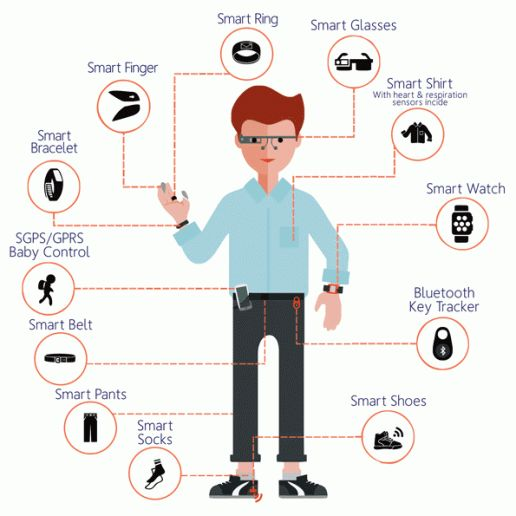
Emerging wearable devices are reshaping how people interact with technology daily. These gadgets go far beyond traditional uses. They blend style, health, and convenience in new ways. Innovation drives the creation of devices that fit seamlessly into life. Each new device adds unique features to improve user experience.
Smartwatches Beyond Timekeeping
Smartwatches now do much more than show time. They track fitness, monitor heart rates, and manage notifications. Some models support voice assistants and mobile payments. Users can control smart home devices with a simple tap. Advanced sensors detect stress levels and sleep quality. These watches act as personal health and lifestyle hubs.
Advanced Fitness Trackers
Fitness trackers have become smarter and more precise. They measure steps, calories, and distance with improved accuracy. New models include GPS and blood oxygen monitoring. Users receive personalized workout suggestions and recovery tips. Waterproof designs allow tracking during swimming and other activities. These trackers motivate users to maintain active lifestyles.
Health Monitoring Implants
Health monitoring implants offer continuous data collection inside the body. They track glucose, blood pressure, and other vital signs. Doctors can monitor patients remotely using real-time information. These devices improve disease management and early detection. Implants are designed to be safe and minimally invasive. They represent a new frontier in personalized healthcare.
Innovations In Wearable Sensors
Wearable sensors are evolving fast, changing how you track health and interact with technology. These tiny devices are becoming smarter, more precise, and comfortable to wear. Let’s look at some key innovations that are shaping the future of wearable sensors.
Biometric Data Accuracy
Accuracy in biometric data is crucial for making reliable health decisions. New sensor technologies now measure heart rate, blood oxygen, and even stress levels with higher precision. This means you can trust your wearable to give you meaningful insights rather than just rough estimates.
For example, improvements in optical sensors reduce interference from skin tone and movement, making readings more consistent. Have you noticed how your fitness tracker now gives fewer false alerts? That’s the impact of better sensor accuracy.
Environmental Monitoring
Wearables are no longer limited to tracking your body—they’re also sensing the world around you. Sensors can detect air quality, UV exposure, and temperature to help you make smarter choices daily. Imagine getting a notification to avoid outdoor workouts because pollution levels are high.
This adds a practical layer to your wearable, linking your health with your environment. What if your watch could warn you about allergens before you step outside? The potential to improve your lifestyle is enormous.
Flexible And Skin-like Sensors
Comfort plays a big role in how often you wear a device. Flexible sensors that feel like a second skin are becoming more common, allowing continuous monitoring without discomfort. These sensors bend and stretch as you move, making them nearly invisible during daily activities.
My own experience with a flexible patch sensor showed me how easy it is to forget I’m wearing it, yet it keeps tracking vital signs all day. Could this be the future where wearables blend seamlessly into your skin?
Ai Integration In Wearables
AI integration in wearable technology is changing how you interact with your devices and manage your health daily. These smart wearables are not just tracking steps or heart rate anymore—they analyze your data deeply to offer insights tailored to your unique body and lifestyle. This means your wearable can become a personal health advisor right on your wrist.
Personalized Health Insights
Wearables equipped with AI can now provide health suggestions based on your specific patterns. Instead of generic advice, you get recommendations that consider your sleep habits, activity levels, and even stress indicators. Imagine your device alerting you to subtle changes in your heart rate that might signal early signs of illness, helping you act before things get worse.
I’ve seen people adjust their diets and exercise routines simply by paying attention to these personalized insights. It’s like having a coach who knows exactly what your body needs every day.
Predictive Analytics
Wearables are getting smarter at predicting health events before they happen. AI analyzes trends in your data to foresee issues like potential heart problems or irregular sleep patterns. This early warning system can encourage you to seek medical advice sooner, potentially avoiding serious complications.
Think about the power of your watch telling you to slow down or rest, not just after you feel tired, but before fatigue even hits. Such predictive capabilities can make a real difference in maintaining your well-being.
Voice And Gesture Controls
Interacting with wearables is becoming more natural through AI-powered voice and gesture controls. You can now navigate apps, set reminders, or check your stats without touching your device. This hands-free interaction is especially useful during workouts or when your hands are busy.
Have you ever tried pausing your music or answering a call just by a simple hand wave or voice command? This convenience enhances your experience and keeps you connected without breaking your flow.

Credit: localandglobaleco.com
Wearables In Healthcare
Wearable technology is changing how healthcare works by making it easier to keep track of your health anytime, anywhere. These devices are no longer just about counting steps; they provide vital data that can improve treatment and even save lives. You might be surprised how much your smartwatch or fitness band can do beyond fitness tracking.
Remote Patient Monitoring
Remote patient monitoring devices let doctors keep an eye on your health without you needing to visit the clinic. These wearables can track heart rate, blood pressure, oxygen levels, and more in real time. This means you get quicker responses to potential health issues and fewer hospital trips.
Imagine your doctor receiving alerts if your blood sugar spikes or your heart rhythm changes. This kind of monitoring helps catch problems early and keeps you safer at home. Could this be the future of personalized healthcare for you?
Chronic Disease Management
Wearables play a big role in managing chronic diseases like diabetes, asthma, and heart conditions. Devices can remind you to take medication, monitor symptoms, and even predict flare-ups before you notice them. This proactive approach helps reduce emergencies and improves your daily life.
One person I know controls their asthma better thanks to a wearable that tracks air quality and breathing patterns. What chronic condition could you manage better with a wearable’s help?
Mental Health Applications
Mental health is getting new support through wearables that monitor stress levels, sleep quality, and mood changes. These devices use sensors to detect signs of anxiety or depression, offering real-time feedback and coping suggestions. You can even share this data with therapists for more targeted care.
Have you ever considered how tracking your mental state daily might improve your well-being? These tools could offer insights that go unnoticed during routine checkups.
Fashion And Wearable Tech
Fashion and wearable tech are merging to create new styles and functions. Clothes and accessories now do more than just look good. They help users stay connected, track health, and express themselves.
This fusion brings exciting choices for people who want tech that fits their lifestyle and taste. Designers and engineers work together to blend style with smart features.
Smart Fabrics And Textiles
Smart fabrics have sensors and conductive threads woven in. They can monitor heart rate, temperature, and movement. These textiles stay comfortable and flexible. Users wear technology without feeling bulky or heavy.
Some fabrics change color or light up based on the environment. This adds fun and function to everyday wear. Smart textiles are used in sportswear, casual clothes, and even formal outfits.
Customizable Designs
Wearable tech now offers customization options. Users can choose colors, patterns, and features. This makes each product unique and personal.
Customizable designs allow for better fit and style preferences. People want wearables that match their personality and needs. The tech adapts to different tastes and daily routines.
Collaborations With Fashion Brands
Tech companies team up with fashion brands to create stylish wearables. These partnerships bring high-end design and advanced technology together.
Collaborations produce limited editions and trendy collections. They attract fashion lovers and tech enthusiasts alike. The result is wearable tech that looks good on the runway and in daily life.
Battery And Power Advances
Battery and power advances are crucial for wearable technology. Devices need to stay powered throughout the day. This ensures users enjoy continuous tracking and connectivity. Innovations focus on extending battery life and improving charging methods. These changes make wearables more practical and user-friendly.
Longer Battery Life Solutions
Manufacturers now use better batteries with higher capacity. New materials increase energy storage without adding bulk. Software improvements reduce power consumption by optimizing device functions. Low-power chips help extend usage time significantly. These solutions allow wearables to last days or even weeks.
Energy Harvesting Technologies
Wearables can now capture energy from the environment. Solar cells absorb light to recharge devices slowly. Kinetic energy harvesters convert body movements into power. Thermal energy harvesters use body heat as a power source. These technologies reduce reliance on traditional batteries.
Fast And Wireless Charging
Charging speed has improved with advanced fast charging systems. Users can quickly boost battery levels in minutes. Wireless charging pads offer convenience without cables. Some wearables support charging on the go. This flexibility helps keep devices ready anytime.
Privacy And Security Challenges
Wearable technology collects a lot of personal data. This raises concerns about privacy and security. Users want their information safe from hackers and misuse. Companies must address these challenges to keep trust. Strong measures are needed to protect sensitive data. Users also seek control over their own information. Laws and rules are evolving to improve safety in this space.
Data Protection Measures
Wearable devices use encryption to secure data. This prevents unauthorized access during transmission. Many devices also store data locally to reduce risk. Regular software updates fix security vulnerabilities quickly. Some wearables offer biometric locks for extra protection. Strong passwords and two-factor authentication are common features. Companies invest in secure cloud storage solutions. These steps help keep user information private and safe.
User Consent And Control
Users want clear choices about data collection. Consent requests must be simple and easy to understand. Options to limit data sharing are growing in wearables. Users can now delete or export their data easily. Transparency about how data is used builds trust. Some devices allow users to turn off tracking features. Giving control back to users reduces privacy risks. Respecting user preferences is a key focus for brands.
Regulatory Developments
Governments introduce laws to protect wearable data privacy. These rules set standards for data handling and security. The GDPR in Europe is a key example. It requires companies to get explicit user consent. The CCPA in California offers data access rights. New regulations promote transparency and accountability. Compliance helps brands avoid fines and legal issues. These laws push the wearable industry toward safer practices.
Credit: www.idtechex.com
Future Outlook For Wearables
The future of wearable technology looks promising and full of potential. As devices become smarter and more connected, they will play an even bigger role in our daily lives. You might be wondering how these changes will affect your routines and what new possibilities will emerge.
Integration With Iot Ecosystems
Wearables are no longer standalone gadgets. They are increasingly becoming part of larger Internet of Things (IoT) ecosystems.
Imagine your smartwatch communicating seamlessly with your smart home, car, and even workplace devices. This integration will allow you to control multiple systems effortlessly and gain deeper insights into your health and environment.
Have you thought about how your wearable could sync with other devices to simplify your life?
Emerging Use Cases
Wearable technology is expanding beyond fitness tracking and notifications. New use cases are appearing in healthcare, sports, and even workplace safety.
For example, wearables can now monitor vital signs in real time to alert you or medical professionals about potential health issues. In sports, devices help optimize training and prevent injuries by tracking movement and muscle activity.
What everyday task would you like your wearable to assist with next?
Market Growth Predictions
The wearable tech market is expected to grow rapidly over the next few years. Analysts predict significant increases in both consumer and enterprise adoption.
Smartwatches, fitness bands, and smart glasses are some key product categories driving this growth. Companies are investing heavily in research to deliver more innovative and affordable options.
Are you ready to invest in the latest wearable to enhance your lifestyle or work performance?

Credit: moldstud.com
Frequently Asked Questions
What Are The Newest Features In Wearable Technology?
The latest wearables offer advanced health monitoring, longer battery life, and AI integration. They include ECG sensors, sleep tracking, and real-time alerts. These features enhance user experience and promote wellness through personalized data insights.
How Is Ai Transforming Wearable Devices Today?
AI enables wearables to analyze health data, predict trends, and personalize recommendations. It improves accuracy in fitness tracking and supports voice assistants. This integration makes wearables smarter and more responsive to individual needs.
Which Wearable Tech Trends Are Popular In 2024?
Popular trends include smartwatches with medical-grade sensors, AR glasses, and hybrid devices. Sustainability and eco-friendly materials also gain traction. Users seek devices that combine style, functionality, and health benefits.
Are Wearable Devices Improving Health Monitoring Accuracy?
Yes, new sensors and AI algorithms increase precision in tracking heart rate, oxygen levels, and sleep patterns. This helps users and healthcare providers make informed decisions. Accuracy improvements boost wearable technology’s reliability for health management.
Conclusion
Wearable technology keeps changing fast. New features make devices smarter and more useful. People use wearables to track health and stay connected. Smaller sizes and longer battery life improve comfort. Many wearables now help with fitness and medical needs. The future will bring even more helpful tools.
Staying updated helps you choose the best devices. Wearable tech is becoming a part of daily life. It’s clear these gadgets will grow and improve soon.