How Will Wearable Technology Help the World: Transforming Lives Today
Imagine a world where your watch not only tells time but also monitors your health, predicts potential illnesses, and even helps you manage stress. This isn’t a distant dream; it’s the reality of wearable technology.
You might have heard about smartwatches and fitness trackers, but do you know how these tiny gadgets are set to revolutionize our lives? They promise to enhance your well-being, improve your productivity, and even protect the environment. Are you curious about how these small devices could make such a big impact on the world?
Keep reading to discover the incredible ways wearable technology is poised to change your life and the planet for the better.
Health Monitoring Advances
Wearable technology is changing how people watch their health daily. These devices offer new ways to track body functions easily and quickly. Advances in health monitoring give users better control over their well-being. This leads to timely decisions and healthier lifestyles.
Real-time Vital Tracking
Wearables collect data like heart rate, blood pressure, and oxygen levels instantly. This constant monitoring helps catch problems early. Users can see changes in their body right away. Alerts notify users of unusual readings. This reduces the risk of serious health issues.
Chronic Disease Management
People with diabetes, asthma, or heart disease benefit greatly from wearables. Devices track symptoms and medication effects daily. They help keep conditions stable and avoid emergencies. Doctors can receive accurate data for better treatment plans. This ongoing support improves quality of life.
Mental Health Support
Wearables also monitor stress, sleep, and mood patterns. Detecting signs of anxiety or depression becomes easier. Some devices offer breathing exercises or relaxation guides. Users gain tools to manage mental health effectively. Early attention helps prevent worsening of symptoms.
Credit: www.t3.com
Enhancing Fitness And Wellness
Wearable technology is changing how people stay fit and healthy. These devices track many health factors and offer useful insights. They help users stay active and improve overall wellness. Wearables make fitness more accessible and personal.
Personalized Workout Plans
Wearables collect data on heart rate, steps, and calories burned. They use this data to create workout plans tailored to each person. Plans adjust based on progress and fitness levels. This helps users exercise safely and effectively. Personalized plans keep workouts interesting and challenging.
Sleep Quality Improvement
Many wearable devices monitor sleep patterns and duration. They identify restless periods and deep sleep phases. Users get tips to improve sleep habits and routines. Better sleep supports recovery and boosts energy. Wearables help track changes in sleep over time.
Motivation And Goal Setting
Wearables offer reminders and alerts to stay active. They set daily or weekly goals based on user ability. Users can see progress through charts and badges. This visual feedback encourages consistency and effort. Social features allow sharing achievements with friends for support.
Improving Workplace Efficiency
Wearable technology is changing how people work. It helps workers do tasks faster and safer. This technology fits on the body. It gives real-time data that helps workers and managers make quick decisions.
Wearables cut down mistakes and make work smoother. They help track health and environment. This leads to fewer accidents and better job quality. Companies save money by avoiding delays and injuries.
Safety Monitoring
Wearable devices watch workers’ health and surroundings. Sensors detect hazards like high temperatures or toxic gases. They alert workers before danger happens. Heart rate monitors check if workers feel stressed or tired.
This early warning helps prevent accidents. It keeps workers safe in risky places. Employers can respond fast to emergencies. This reduces injuries and boosts confidence at work.
Productivity Boosts
Wearables help workers manage tasks better. They give reminders and track progress on jobs. Smart glasses can show instructions without needing paper manuals. Workers spend less time searching for information.
These devices reduce breaks and errors. They help workers stay focused and organized. As a result, work gets done faster. Teams meet deadlines easier and produce higher quality work.
Remote Collaboration Tools
Wearables connect workers even from far away. They support live video calls and instant messaging. Teams can share views and data in real time. This helps solve problems quickly without waiting.
Remote experts guide on-site workers through tasks. It saves travel time and costs. Workers feel supported and less isolated. Communication improves, and projects move forward smoothly.
Supporting Accessibility
Wearable technology supports accessibility by making daily tasks easier for people with disabilities. These devices offer new ways to interact with the world. They help users gain independence and improve their quality of life.
Wearables use sensors and smart software. They can assist with hearing, vision, communication, and movement. This technology bridges gaps, helping users connect with others and navigate spaces confidently.
Assistive Devices For Disabilities
Wearable devices provide support tailored to specific disabilities. For example, smart glasses can help visually impaired users by reading text aloud. Hearing aids with Bluetooth connect directly to smartphones for clearer sound.
Wearables monitor health and alert users to changes. Devices track heart rate, movement, and stress levels. These features ensure timely assistance and improve safety for users with chronic conditions.
Communication Enhancements
Wearables improve communication for people with speech or hearing difficulties. Some devices translate sign language into speech in real time. Others convert spoken words into text on a screen.
Smartwatches and wristbands offer vibration alerts for calls or messages. These signals allow users to stay connected without missing important information. This technology removes communication barriers in social and work settings.
Navigation Aids
Navigation wearables guide users through unfamiliar places. GPS-enabled devices provide audio directions for people with vision impairments. They use haptic feedback to signal turns or obstacles.
Wearables help users avoid hazards and find safe routes. They make travel more accessible and less stressful. This support encourages independence and confidence during daily activities.
Revolutionizing Healthcare Delivery
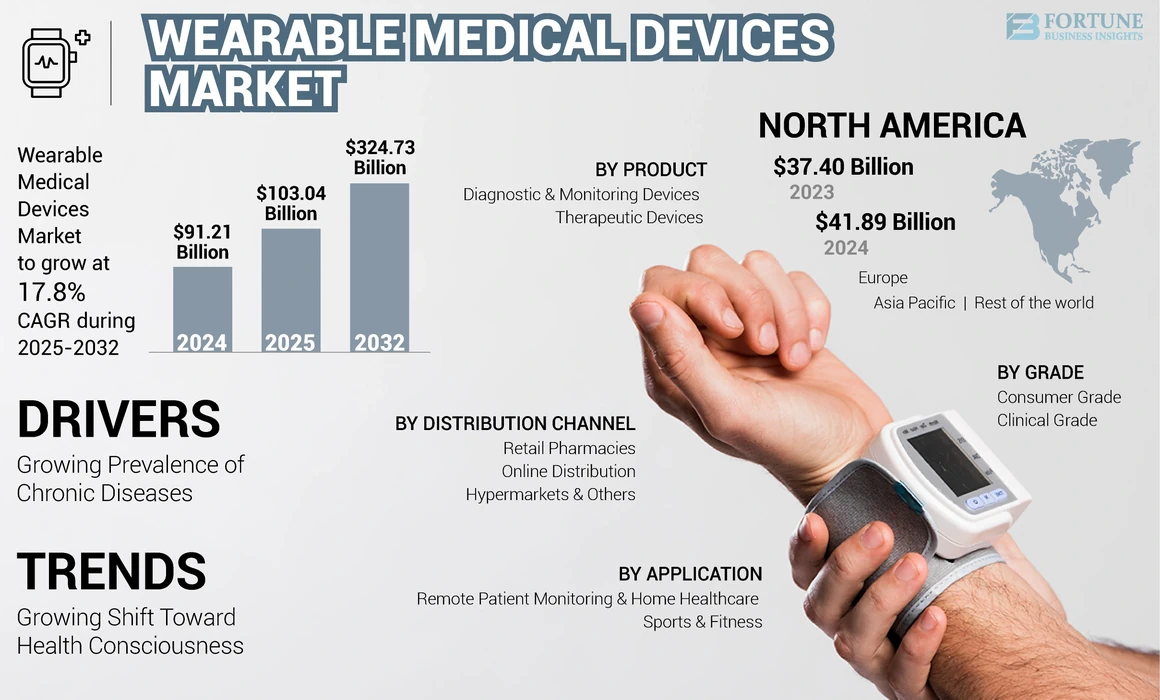
Wearable technology is changing how healthcare reaches patients. It allows doctors to track health in real time, even from afar. This change makes care faster and more personal. Patients can get help without visiting clinics often. The technology also helps catch health issues early. Treatment plans become smarter with more health data. Overall, healthcare delivery becomes more efficient and patient-friendly.
Remote Patient Monitoring
Wearable devices send health data like heart rate and blood pressure to doctors. This helps doctors watch patients without physical visits. Patients with chronic illnesses get constant care. It reduces hospital stays and emergency visits. Caregivers can spot problems early and act fast. Remote monitoring keeps patients safer and more independent.
Early Disease Detection
Wearables track small changes in health signals daily. These changes can show signs of illness before symptoms appear. Early detection helps start treatment quickly. It can slow or stop disease progress. Diseases like diabetes and heart conditions can be caught early. This saves lives and lowers healthcare costs.
Data-driven Treatment Plans
Doctors use data from wearables to tailor treatments to each patient. They see how patients respond to medicine and adjust plans. This approach avoids trial and error. Patients get treatments that work best for them. It improves outcomes and patient satisfaction. Data-driven care makes healthcare smarter and more precise.
Credit: www.fortunebusinessinsights.com
Driving Innovation In Education
Wearable technology is changing education in many ways. It helps teachers and students interact better. Classrooms become more engaging and personal. This technology supports new ways to learn and teach.
Interactive Learning Experiences
Wearables offer hands-on learning through virtual and augmented reality. Students can explore 3D models and simulations. This makes complex subjects easier to understand. Learning becomes more fun and memorable. Students stay interested and active during lessons.
Tracking Student Engagement
Wearable devices monitor how students focus and participate. Teachers get real-time data on attention levels and activity. This helps identify students who need extra support. Early detection of issues improves learning outcomes. Teachers can adjust lessons based on each student’s needs.
Customized Educational Content
Wearables help deliver personalized learning materials. Content adapts to each student’s pace and style. This supports different learning abilities and preferences. Students receive lessons that fit their strengths and challenges. Personalized education boosts confidence and success.
Future Trends And Challenges
Wearable technology continues to grow fast. It offers many benefits but also faces big challenges. These challenges affect how devices work and how people use them. Understanding future trends helps us see what lies ahead.
Wearables will blend more with daily life and technology. They will get smarter and more helpful. But issues like privacy, battery life, and comfort must be solved. The connection with AI and IoT will change how wearables serve users.
Privacy And Security Concerns
Wearables collect a lot of personal data. This data can include health, location, and habits. Protecting this information is very important. Users need strong security to keep data safe. Without it, risks of hacking and misuse rise. Companies must build better protection and clear privacy rules.
Battery Life And Comfort
Long battery life is a key issue for wearables. Users want devices that last all day or more. Charging often can be annoying and limits use. Comfort also matters. Devices must feel light and fit well. If wearables are bulky or heavy, people avoid using them. Improving battery and design will boost user experience.
Integration With Ai And Iot
AI helps wearables understand and predict user needs. It can improve health tracking and alerts. IoT connects wearables with other smart devices. This creates a seamless user experience. For example, wearables can control home devices or cars. The challenge is making these systems work smoothly together. Better integration will make wearables more useful and smart.

Credit: medium.com
Frequently Asked Questions
How Does Wearable Technology Improve Healthcare?
Wearable technology monitors vital signs and health data in real-time. It helps detect illnesses early and supports chronic disease management. This improves patient care and reduces hospital visits. Wearables also encourage healthier lifestyles through activity tracking and personalized feedback.
Can Wearable Devices Enhance Workplace Productivity?
Yes, wearables track stress levels, posture, and movement to improve employee wellness. They promote better focus and reduce fatigue by encouraging breaks. Enhanced health leads to fewer sick days and higher overall productivity in the workplace.
What Role Do Wearables Play In Fitness And Wellness?
Wearables track steps, heart rate, and calories burned to guide workouts. They motivate users by setting goals and providing progress updates. These devices help create personalized fitness plans, encouraging consistent exercise and healthier habits.
How Do Wearables Support Safety And Emergency Response?
Wearable devices can detect falls, accidents, or abnormal health conditions. They send alerts to emergency contacts or medical services instantly. This quick response capability enhances personal safety and can save lives during emergencies.
Conclusion
Wearable technology helps people stay healthy and safe every day. It tracks fitness, heart rate, and sleep with ease. Doctors can find problems early, saving lives. It also makes work and learning easier and faster. Wearables connect us in new ways.
The world will keep changing as this tech grows. Small devices, big impact. The future looks bright with wearable help.