How Long Has Wearable Technology Been Around: The Surprising History
Have you ever wondered how long wearable technology has been part of our lives? It’s easy to think of wearables as a recent innovation, with smartwatches and fitness trackers becoming everyday accessories.
But the history of wearable tech stretches far beyond what you might expect. Your curiosity might lead you to discover surprising facts and a fascinating timeline that dates back over centuries. This exploration not only highlights the evolution of technology but also reveals how these innovative gadgets have seamlessly integrated into your daily routine.
Ready to uncover the story behind the tech that you wear? Let’s dive deeper into the past and discover the amazing journey of wearable technology.

Credit: usashop.filatime.com
Early Innovations
Wearable technology might seem like a recent trend, but its roots stretch far back into history. Early innovations show us how people have always sought to blend utility with portability. These inventions reveal the constant human desire to carry useful tools and information on the body itself.
Ancient Wearable Devices
In ancient times, people created simple yet effective wearable devices. One of the earliest examples is the sundial ring, which helped tell time using the sun’s position. It was both a piece of jewelry and a practical tool.
Another example is the use of amulets and talismans. These were worn not just for decoration but believed to offer protection or bring luck. This shows how wearables served emotional and spiritual needs as well as physical ones.
Medieval And Renaissance Gadgets
During the medieval and Renaissance periods, wearable technology became more complex. Pocket watches emerged as a way to keep time on the go, marking a significant step toward modern smartwatches.
There were also ingenious mechanical devices like wearable magnifying glasses for craftsmen. These gadgets improved daily tasks, showing that wearable tech was already helping people work smarter hundreds of years ago.
Have you ever thought about what your daily wearable devices might look like centuries from now? Understanding these early inventions can inspire you to appreciate the technology you carry every day.
20th Century Breakthroughs
The 20th century marked a significant leap in wearable technology, transforming early concepts into practical devices that started to shape how we interact with technology daily. This era laid the groundwork for what you now see in smartwatches, fitness trackers, and health monitors. Understanding these breakthroughs helps you appreciate how far wearables have come and what might be next.
First Electronic Wearables
The first electronic wearable device appeared in the early 1900s, with the invention of the hearing aid. These bulky devices, though primitive by today’s standards, were revolutionary in assisting people with hearing impairments.
In the 1960s, the introduction of the calculator watch added a new dimension to wearable tech. Suddenly, people could perform basic math calculations on their wrist, a novelty that hinted at future multifunctional gadgets.
Did you know that early wearables often required external power sources and were not very user-friendly? This challenge pushed inventors to make devices smaller, lighter, and more efficient.
Military And Medical Applications
Military needs were a major driver for wearable technology advancements throughout the 20th century. Soldiers used wearable radios and early heads-up displays to enhance communication and situational awareness on the battlefield.
Medical applications also flourished, with devices like portable heart monitors and glucose sensors emerging. These tools allowed doctors to track patient health outside of hospital settings, giving patients more freedom and control.
Think about your own health devices. Could these early innovations have inspired what you rely on today to manage your fitness or chronic conditions?
Rise Of Fitness Trackers
The rise of fitness trackers has changed how we approach health and exercise. These devices encourage you to stay active by tracking your movements and vital signs throughout the day. From simple step counters to sophisticated smartwatches, fitness trackers have become essential tools for many people aiming to improve their well-being.
Pedometers And Heart Rate Monitors
Pedometers were some of the first fitness trackers to gain popularity. They count your steps, giving you a clear number to hit each day. I remember starting with a basic pedometer, and seeing my daily steps motivated me to walk more and take the stairs instead of the elevator.
Heart rate monitors added a new level of insight. They help you understand how hard your heart is working during exercise, making workouts safer and more effective. If you’ve ever felt unsure whether you’re pushing too hard or not enough, these monitors can guide you.
Integration With Smartphones
Fitness trackers became even more powerful when they started connecting with smartphones. This integration allows you to see detailed reports, set goals, and even share your progress with friends. Imagine getting a gentle reminder on your phone to move after sitting too long—this simple nudge can make a big difference in your activity levels.
Many apps also provide personalized advice based on your tracked data. Have you ever wondered how small changes in your daily routine affect your health? With smartphone integration, you get answers grounded in your own activity patterns, helping you make smarter choices.
Smartwatches And Beyond
Smartwatches have changed how people use technology every day. These devices are more than just watches. They combine timekeeping with apps and fitness tracking. The story of smartwatches is long and shows how technology grew smaller and smarter. The journey started decades ago, and the devices have become a key part of daily life.
Early Smartwatch Models
The first smartwatches appeared in the 1970s and 1980s. These early models had simple functions. Some showed the time and date. Others included calculators or basic games. They were bulky and expensive.
In the 1990s, companies added more features. Watches could store phone numbers and send simple messages. Battery life was short, and screens were small. These devices were not yet common.
Expansion Into Daily Life
In the 2010s, smartwatches improved quickly. Touchscreens and color displays became standard. They connected to smartphones for calls and notifications. Fitness tracking features like heart rate monitors grew popular.
Today, smartwatches do much more. They help with health monitoring, navigation, and payments. Many people wear them every day. They blend style with technology in a small device.
Future Trends
The future of wearable technology holds exciting possibilities. Devices will become smarter, lighter, and more connected. This evolution will change how people live, work, and stay healthy.
Wearables will blend seamlessly with daily life. They will track more than just steps and heart rate. New materials and smarter software will enhance user experience.
Wearables In Health Care
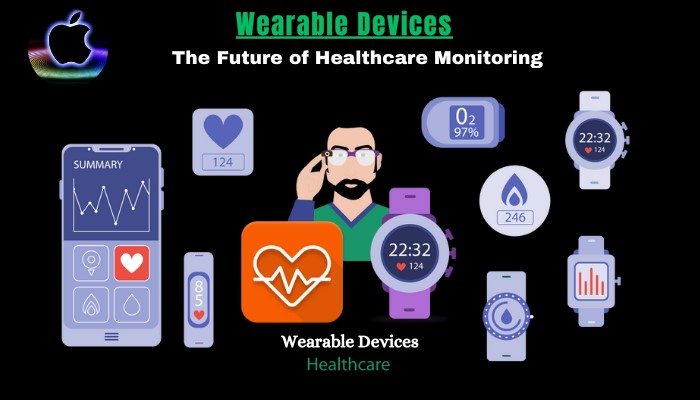
Wearable devices will play a bigger role in health care. They will monitor vital signs continuously and alert doctors instantly. Early disease detection will improve with real-time data.
- Blood sugar monitors for diabetes management
- Wearable ECG devices for heart health
- Smart patches to deliver medication
These tools will help patients manage chronic conditions better. Doctors will use data to create personalized treatments. Remote monitoring will reduce hospital visits and costs.
Augmented Reality And Smart Fabrics
Augmented reality (AR) will merge with wearables for new experiences. Glasses and contact lenses will overlay digital info on the real world. This will assist in navigation, learning, and entertainment.
Smart fabrics will embed sensors directly into clothing. Clothes will track body temperature, movement, and stress levels. Users will enjoy comfort while staying connected to their health data.
- Fitness shirts that measure muscle activity
- Jackets that adjust temperature automatically
- Fabrics that change color or pattern
These advances will make wearable tech more natural and useful. People will rely on their devices without noticing them.
Credit: www.idtechex.com
Credit: www.fortunebusinessinsights.com
Frequently Asked Questions
How Long Has Wearable Technology Existed?
Wearable technology dates back to the 1960s with early devices like the calculator watch. It evolved rapidly in the 2000s with fitness trackers and smartwatches becoming mainstream. Today, wearables integrate health, communication, and entertainment features, showing over 60 years of development in this field.
When Did Wearable Tech Become Popular?
Wearable tech gained popularity in the early 2010s with the launch of devices like Fitbit and the Apple Watch. These devices made health monitoring and connectivity convenient, driving mass adoption. Since then, the market has expanded to include smart glasses, hearables, and more.
What Were The First Wearable Devices?
The first wearable devices included calculator watches in the 1970s and early heart rate monitors in the 1980s. These simple devices paved the way for modern smartwatches and fitness trackers by introducing portable, on-body technology for daily use.
How Has Wearable Technology Evolved?
Wearable technology evolved from basic gadgets to advanced smart devices. Early wearables tracked simple data; modern ones monitor heart rate, sleep, and GPS. Integration with smartphones and AI has enhanced their functionality, making wearables essential for health, fitness, and communication.
Conclusion
Wearable technology has a long and interesting history. It started with simple devices and grew into smart gadgets. People use wearables for health, fitness, and daily convenience. This technology keeps improving and becoming part of our lives. Understanding its past helps us see its future.
Wearables will likely become even more helpful and common soon. The journey of wearable tech shows how humans blend with machines. It’s a story of progress and innovation that continues today.