Is Electronics a Good Hobby: Discover Fun and Future Skills
Are you looking for a hobby that sparks your curiosity and challenges your mind? Perhaps you’ve found yourself drawn to the world of electronics, with its intricate circuits and endless possibilities.
But is electronics a good hobby for you? Imagine the satisfaction of building your own gadgets, or the thrill of understanding how your favorite devices work. This hobby isn’t just about tinkering; it’s a gateway to innovation and creativity. You’ll find yourself exploring new ideas, solving problems, and even feeling a sense of accomplishment with every project you complete.
Dive into the world of electronics and discover if it could be your perfect pastime. Let’s explore the benefits and joys of this electrifying hobby together.
Benefits Of Electronics As A Hobby
Electronics as a hobby offers many benefits that go beyond simple enjoyment. It helps develop important skills and opens doors to new learning experiences. This hobby can be both fun and educational, making it a great choice for people of all ages.
Enhances Problem-solving Skills
Working with electronics requires careful thinking and testing. You learn to find problems and figure out how to fix them. This process improves your ability to solve puzzles and challenges in daily life.
Encourages Creativity
Electronics allow you to build and design your own projects. You can create gadgets or tools that suit your needs. This freedom helps your imagination grow and pushes you to try new ideas.
Promotes Hands-on Learning
Electronics involve working with real components and tools. This hands-on experience makes learning more effective and fun. You gain practical knowledge that helps you understand how things work.
Popular Electronics Projects
Electronics offers a wide range of projects that can suit beginners and advanced hobbyists alike. These projects not only sharpen your technical skills but also allow you to create useful and fun devices. Whether you enjoy hands-on building or programming, you’ll find something that fits your interest and level.
Building Simple Circuits
Starting with simple circuits is a great way to understand the basics of electronics. You can create a blinking LED, a basic alarm, or a simple radio transmitter using just a few components. These projects help you learn how components like resistors, capacitors, and transistors work together.
Have you ever noticed how satisfying it is to see a circuit come to life with just a few wires and a battery? This immediate feedback encourages you to try more complex designs. Plus, it builds your confidence to tackle bigger challenges.
Diy Gadgets And Devices
Once you’re comfortable with simple circuits, you can move on to making your own gadgets. Popular projects include homemade speakers, digital clocks, or even weather stations. These devices combine multiple components and sometimes microcontrollers to add more functionality.
Creating your own gadget means you can customize it exactly how you want. Imagine building a device that solves a small problem in your daily life. This practical approach keeps you motivated and teaches you problem-solving skills.
Robotics And Automation
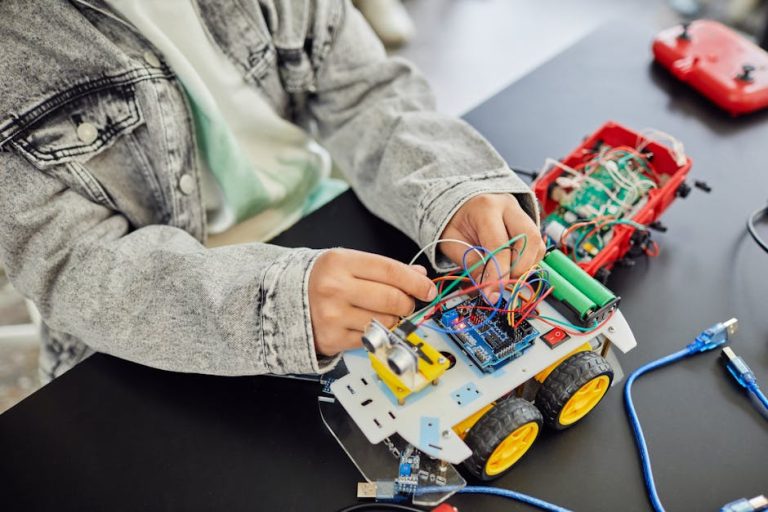
Robotics takes electronics to another level by combining sensors, motors, and programming. You can start with basic robots that follow a line or avoid obstacles. As you progress, you might build automated systems that perform tasks like watering plants or sorting objects.
Working on robotics challenges you to think about how machines interact with the environment. It’s a hands-on way to learn coding and mechanical design. What kind of robot would you create to make your daily routine easier?
Essential Tools And Components
Getting started with electronics means gathering the right tools and components. These essentials help you build projects effectively and avoid common frustrations. Whether you’re fixing a gadget or creating something new, having the right gear makes the experience smoother and more rewarding.
Basic Tools For Beginners
Every beginner needs a few tools to get hands-on with electronics. A good soldering iron is crucial for connecting components securely. Along with that, a multimeter helps you measure voltage, current, and resistance to troubleshoot your circuits.
You’ll also want wire cutters and strippers to prepare your wires neatly. Tweezers come in handy when working with tiny parts. Keeping these tools within reach can save time and improve your accuracy.
Common Electronic Components
Understanding key components gives you a solid foundation. Resistors control the flow of electricity and come in different values to match your needs. Capacitors store and release electrical energy, influencing how circuits behave over time.
Other essentials include LEDs, which light up to show your circuit is working, and transistors that act as switches or amplifiers. Don’t forget basic items like batteries and breadboards — the latter lets you test circuits without soldering. Which components have you found most useful in your early projects?
Where To Source Materials
Finding quality parts at a good price can make a big difference in your hobby. Online retailers like Digi-Key, Mouser, and Adafruit offer a wide range of components with detailed specs. Local electronics stores might have what you need and allow you to ask questions face-to-face.
Consider scavenging old electronics for parts. I once salvaged useful resistors and capacitors from discarded radios, which saved money and added a fun challenge. Have you tried repurposing parts from old devices? It’s a practical way to build your toolkit while being eco-friendly.
Learning Resources And Communities
Electronics as a hobby offers many ways to learn and grow. Resources are easy to find online and offline. Communities help beginners and experts share ideas and solve problems. Learning becomes fun with support from others who love electronics.
Online Tutorials And Courses
Many websites offer free and paid tutorials. Step-by-step videos and articles explain basic to advanced topics. Interactive courses help you practice as you learn. Popular platforms include YouTube, Coursera, and Khan Academy. These resources fit any schedule and skill level.
Electronics Forums And Groups
Forums bring together hobbyists and professionals worldwide. You can ask questions and get quick answers. Members share projects, tips, and troubleshooting help. Examples include Reddit’s r/electronics and the EEVblog forum. Online groups create a friendly learning environment.
Local Workshops And Clubs
Many cities have clubs for electronics enthusiasts. Workshops offer hands-on experience with guidance. You meet people who share your interest and learn together. Libraries and community centers often host these events. Joining a club builds skills and friendships.
Career Skills Gained From Electronics
Electronics is more than just a hobby; it’s a gateway to developing valuable career skills. When you work with electronics, you sharpen your problem-solving abilities, learn to think logically, and gain hands-on experience with technology that powers the modern world. These skills can open doors to various professional paths and give you a competitive edge in technical fields.
Electronics In Engineering Fields
Engineering disciplines like electrical, computer, and robotics engineering heavily rely on electronics knowledge. Understanding circuits, sensors, and microcontrollers helps you design and troubleshoot real-world systems. Your experience in electronics can make complex engineering concepts easier to grasp and apply.
Have you ever wondered how engineers create devices that improve everyday life? Electronics skills give you the tools to be part of that innovation. You learn to analyze how components work together and improve system performance, a critical skill in engineering projects.
Opportunities In Tech Industries
The tech industry offers a wide range of roles for those skilled in electronics—from hardware design to embedded systems programming. Your hobby can turn into a career in companies developing smartphones, medical devices, or automotive electronics.
Working with electronics teaches you to read schematics, use testing equipment, and write code for microcontrollers. These are highly sought-after skills in tech startups and established firms alike. Are you ready to explore job roles where you build the devices others rely on daily?
Building A Strong Technical Foundation
Starting with electronics helps you build a solid technical foundation that supports learning in many STEM areas. You gain hands-on experience with components and tools that reinforce theoretical knowledge from books or courses.
For example, soldering a circuit board teaches precision and patience, while debugging a faulty connection develops your analytical thinking. These practical skills prepare you to tackle complex projects and adapt to new technologies quickly.
What technical skill will you master next through your electronics hobby? Each project adds to your expertise and confidence, equipping you for future challenges.
Challenges And How To Overcome Them
Electronics can be a rewarding hobby, but it comes with its own set of challenges. Facing these obstacles head-on is part of the learning journey. Understanding common pitfalls and practical ways to handle them can make your experience smoother and more enjoyable.
Common Beginner Mistakes
Many beginners jump into projects without fully grasping the basics of circuits and components. This often leads to incorrect wiring or using parts with incompatible ratings, causing circuits to fail or even damage components.
Another frequent mistake is rushing through soldering, which can cause cold joints or shorts. Taking your time to learn proper soldering techniques pays off in the long run.
Ask yourself: have you double-checked your component values and connections before powering your project? Building a habit of careful review helps avoid unnecessary setbacks.
Troubleshooting Tips
When your circuit doesn’t work, start by breaking the problem into smaller parts. Test each section individually instead of tackling the entire system at once.
- Use a multimeter to check voltages and continuity.
- Inspect for visible issues like loose wires or cold solder joints.
- Refer to datasheets to ensure components are used correctly.
Patience is key. Troubleshooting is like detective work—each clue brings you closer to the solution.
Staying Motivated
Progress can be slow, and frustration might creep in, especially when your project doesn’t work as expected. Setting small, achievable goals helps maintain enthusiasm.
Celebrate each success, no matter how minor. Completing a simple circuit can boost your confidence to tackle more complex projects.
Connect with fellow hobbyists through forums or local groups. Sharing experiences and tips makes the journey less lonely and more inspiring.
Frequently Asked Questions
Is Electronics A Good Hobby For Beginners?
Yes, electronics is great for beginners. It teaches problem-solving and creativity. Starter kits and online tutorials make learning easy and fun.
What Skills Can I Gain From Electronics Hobby?
You learn circuit design, soldering, and programming. It improves critical thinking and technical understanding, useful for many careers.
How Does Electronics Hobby Benefit Mental Health?
Electronics hobbies reduce stress by engaging your mind. They boost focus, patience, and provide a sense of accomplishment.
Can Electronics Hobby Lead To A Career?
Absolutely. Electronics skills open doors to engineering, IT, and tech jobs. It builds a strong foundation for STEM careers.
Conclusion
Electronics offers a fun way to learn and create. It teaches problem-solving and critical thinking skills. You can build gadgets and understand how things work. This hobby fits many ages and interests. It also opens doors to new careers. Enjoying electronics can bring pride and joy.
Try it out and see what you can do. It might become your favorite pastime. Simple projects can lead to big ideas. Electronics is more than a hobby; it’s a chance to grow.