
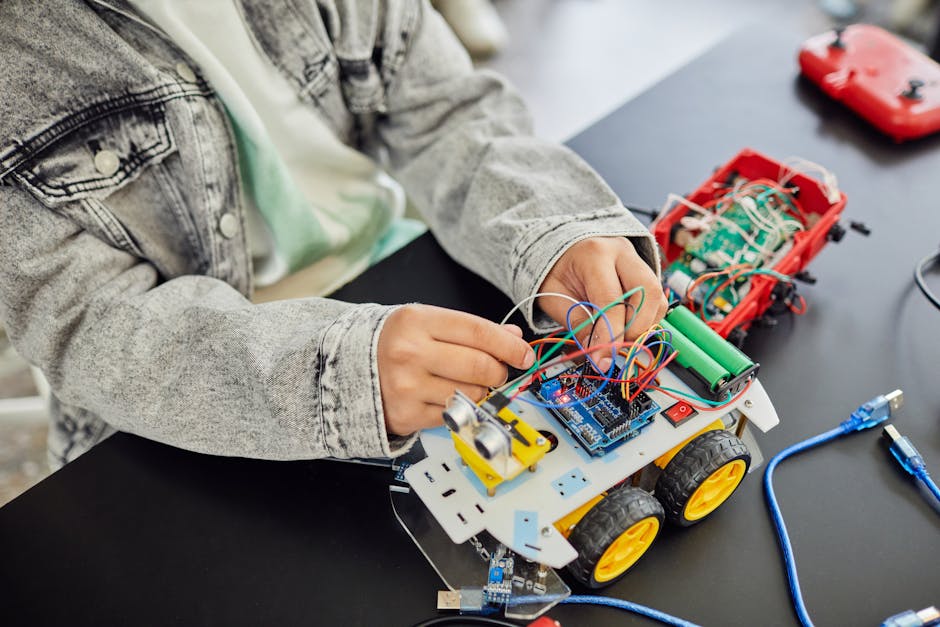
Where to Buy Hobby Electronic Components: Top Trusted Sources
Are you looking to dive into the exciting world of electronics? Finding the right components is the first step to bringing your projects to life.
But where do you start? With so many options out there, it can be overwhelming to find a trustworthy source for hobby electronic components. You want quality parts that won’t break the bank, and you want them fast. Imagine the satisfaction of completing your project with ease, knowing you’ve chosen the best components available.
In this guide, we’ll uncover the top places where you can buy hobby electronic components, ensuring that your creative journey is both smooth and successful. Stay with us, and let’s simplify your search for the perfect parts.
Online Retailers
Buying hobby electronic components online offers you access to a vast range of parts without leaving your home. The convenience and variety available through online retailers make it easier to find exactly what you need for your projects. You can compare prices, check reviews, and discover new components all in one place.
Popular Global Platforms
Platforms like Amazon, eBay, and AliExpress are go-to spots for many hobbyists. They offer millions of components from basic resistors to advanced microcontrollers. You benefit from user reviews, multiple sellers, and international shipping options.
Have you noticed how these platforms often have combo packs and kits? These bundles can save you money and help you stock up on essentials quickly.
Specialized Electronics Stores
Stores like Digi-Key, Mouser Electronics, and Adafruit focus exclusively on electronic components. They provide detailed datasheets, technical support, and often faster shipping for specific parts. Their inventories include rare and high-quality components that general platforms might not have.
Shopping here can feel like talking to a knowledgeable friend who understands exactly what you need.
Benefits Of Online Shopping
- Wide Selection:Online stores offer thousands of parts, far beyond what any local store can stock.
- Convenience:Order parts anytime, anywhere, and have them delivered to your doorstep.
- Price Comparison:Easily compare prices and find the best deals across multiple sellers.
- Access to Reviews:Read real user feedback to avoid buying low-quality or incompatible parts.
- Time-Saving:No need to visit multiple physical stores; everything is just a few clicks away.
Have you ever ordered a hard-to-find component online and had it arrive faster than expected? That’s the kind of surprise that keeps many hobbyists coming back to online shopping.
Local Electronics Shops
Local electronics shops offer a unique experience for hobbyists hunting for electronic components. These stores often carry a diverse range of parts, from basic resistors and capacitors to niche modules and sensors. Visiting these shops gives you more than just components; it connects you to a community and provides hands-on access to products before you buy.
Advantages Of Visiting In-person
Walking into a local store lets you see and feel the components, helping you avoid ordering the wrong parts online. You can ask questions directly and get immediate advice tailored to your project. Sometimes, you stumble upon new or rare items that online listings don’t highlight.
In-person visits save time on shipping and reduce the risk of delays. If you need a component quickly for a weekend project, local shops can be a lifesaver. Plus, the immediate availability means you can experiment and iterate without waiting.
Finding Shops Near You
Start by searching online maps with terms like “electronics components store” or “hobby electronics near me.” Community forums and maker groups often share recommendations for reliable local shops. Don’t overlook smaller or older stores tucked away in less obvious locations—they often have hidden gems.
Visiting your local university or tech community boards can also lead you to specialty suppliers. Once you find a few shops, check their inventory online or call ahead to confirm availability. This effort ensures your trip is productive, saving you from empty-handed visits.
Building Relationships With Store Owners
Getting to know the people behind the counter can open doors to better deals and insider tips. Store owners often have deep knowledge about electronics and can suggest alternatives when your desired part is out of stock. Sharing your project goals with them can lead to personalized recommendations.
Regular customers sometimes get first access to new stock or special discounts. Your curiosity and enthusiasm can turn you from a casual buyer into a valued community member. Have you ever received unexpected help or advice from a local shop owner? That experience might be the boost your next project needs.
Electronic Component Marketplaces
Electronic component marketplaces have transformed how hobbyists source parts for their projects. These platforms gather a vast range of components, from resistors and capacitors to microcontrollers and sensors, all in one place. Whether you’re building a simple circuit or a complex device, knowing where to shop smartly can save you time and money.
B2b And B2c Platforms
You’ll find two main types of electronic marketplaces: B2B (business-to-business) and B2C (business-to-consumer). B2B platforms like Digi-Key or Mouser cater to bulk orders and professional buyers, offering extensive catalogs and technical support. On the other hand, B2C platforms such as Amazon or eBay provide easier access for hobbyists who need smaller quantities or want to try out new parts without a big commitment.
Which platform suits you depends on your project scale. If you need just a few components quickly, B2C sites might be more convenient. But if your project requires dozens or hundreds of parts, B2B platforms often have better pricing and reliability.
Checking Seller Ratings
Seller ratings are your best tool for avoiding disappointment. Before buying, always check feedback scores and read customer reviews. Sellers with high ratings tend to ship authentic parts and provide good service, while low scores can hint at counterfeit goods or slow delivery.
Keep an eye out for detailed reviews that mention shipping times and product quality. These insights can help you decide whether a seller is trustworthy. Have you ever received a faulty component? Learning from others’ experiences can prevent that frustration.
Negotiating Prices
Many hobbyists overlook price negotiation, but it’s worth trying, especially on B2B marketplaces or when buying in bulk. Don’t hesitate to contact sellers directly to ask for discounts or better shipping rates. Sometimes, expressing your intent to buy repeatedly or larger quantities can unlock special deals.
Even on B2C platforms, sellers may accept offers or provide coupons if you ask. A quick message could save you a few dollars, which adds up over time. Have you tried negotiating before? Your next project budget might benefit more than you expect.
Hobbyist Communities And Forums
Hobbyist communities and forums are treasure troves for anyone looking to buy electronic components. These spaces connect you directly with fellow enthusiasts who share your passion and often have spare parts or recommendations. Engaging with these groups can lead to better deals and trustworthy sellers than you might find on large commercial sites.
Trading And Selling Between Members
Many hobbyist forums have dedicated sections where members trade or sell components. This peer-to-peer exchange often results in fair prices and unique finds that aren’t available in regular stores. By participating, you can score rare parts or bulk deals directly from other hobbyists.
One time, I found a set of vintage capacitors through a forum trade that saved my restoration project. The seller was knowledgeable and provided extra tips on using them. Would you consider trading parts instead of buying new?
Recommended Sellers By Community
Communities usually maintain lists of trusted sellers and shops. These recommendations come from real experiences, so you avoid questionable vendors. Look for threads where members share reviews or updates on their purchases to identify reliable sources.
Some forums even feature sellers who offer exclusive discounts or bundles for members. This benefit can lower your overall project costs. Have you checked if your favorite community has a recommended seller list yet?
Tips For Safe Transactions
Buying from individuals requires caution. Always verify the seller’s reputation by reading feedback and checking their history on the forum. Use secure payment methods that offer buyer protection to avoid scams.
- Communicate clearly about the item’s condition and shipping details.
- Request photos or serial numbers when possible.
- Keep records of all messages and receipts.
Trust builds gradually, so start with small purchases until you feel confident. How do you ensure a safe deal when buying from someone new?
Secondhand And Surplus Stores
Secondhand and surplus stores offer a treasure trove for hobbyists seeking electronic components. These stores carry a wide range of parts at lower prices than typical retail shops. Many components are salvaged from old equipment, giving you access to rare or discontinued items. Exploring these stores can be an exciting way to find unique pieces for your projects.
Finding Affordable Components
Prices in secondhand and surplus stores are usually much lower. You can save a lot by buying used or excess stock. Look for bulk deals or mixed lots to get more value. Some stores sell components by weight or in loose packs. This can help stretch your budget further.
Assessing Quality
Quality varies widely in secondhand and surplus stores. Check parts carefully for damage or corrosion. Testing components with a multimeter is a good idea. Ask store staff about the source and condition of parts. Some stores offer return policies or guarantees on certain items.
Popular Surplus Sources
- Local electronics recyclers
- Military surplus outlets
- Industrial surplus warehouses
- Online surplus marketplaces
- Estate sales and auctions
These sources often have diverse inventories. Visiting frequently can reveal new and interesting finds. Patience pays off in uncovering valuable components.
Manufacturer Direct Purchases
Buying hobby electronic components directly from manufacturers can give you unique advantages that retail stores or middlemen often cannot offer. You gain access to authentic parts, better prices for large orders, and sometimes even customization options. This approach can make your projects more reliable and cost-effective.
Benefits Of Buying From Manufacturers
Purchasing directly from manufacturers often means better pricing. They eliminate the markup added by distributors or retailers, which can save you money, especially if you need many components.
You also get access to the latest product releases and authentic parts. This reduces the risk of receiving counterfeit or outdated components that can ruin your project.
Additionally, manufacturers often provide technical support and datasheets. This extra help can be crucial when you’re trying to understand component specs or troubleshoot issues.
How To Contact Manufacturers
Start by visiting the official websites of the component brands you trust. Most manufacturers have dedicated pages for direct sales or inquiries.
Look for contact forms, sales email addresses, or phone numbers. Don’t hesitate to explain your hobby project and ask about minimum order quantities or sample availability.
Social media platforms and LinkedIn can also connect you with company representatives. Sometimes, a direct message leads to faster responses than emails.
Bulk Buying Options
If your hobby projects require numerous components, bulk buying can significantly cut costs. Manufacturers usually offer discounts when you order large quantities.
- Check if they have tiered pricing based on volume.
- Ask about shipping costs and delivery times for bulk orders.
- Inquire if they provide samples before committing to a large purchase.
Remember, buying in bulk means you need proper storage to keep components safe. Have you considered how many parts you can realistically use before they become obsolete or damaged?
Tips For Choosing Reliable Sources
Choosing the right place to buy hobby electronic components matters a lot. Reliable sources ensure you get quality parts that work well in your projects. Trustworthy sellers also make the buying process smooth and safe. Here are some tips to help you pick dependable suppliers.
Verifying Authenticity
Check if the components are original and not fake copies. Authentic parts last longer and perform better. Look for official brand logos and certification marks on product pages. Avoid sellers that do not provide clear product details or images.
Customer Reviews And Feedback
Read what other buyers say about the seller and products. Genuine reviews reveal product quality and service experience. Pay attention to both positive and negative feedback. Sellers with many satisfied customers are usually more reliable.
Return And Warranty Policies
Good sellers offer clear return and warranty terms. This protects you if parts arrive damaged or do not work. Check how long the warranty lasts and what it covers. Easy returns show the seller cares about customer satisfaction.
Frequently Asked Questions
Where Can I Buy Hobby Electronic Components Online?
You can buy hobby electronic components from online stores like Adafruit, SparkFun, Digi-Key, and Mouser. These sites offer a wide range of parts, quick shipping, and detailed product descriptions. They cater specifically to hobbyists and provide tutorials and project ideas, enhancing your shopping experience.
Which Stores Offer The Best Prices On Hobby Electronics?
Online retailers like AliExpress, eBay, and Amazon often provide competitive prices on hobby electronics. Bulk buying from distributors like Digi-Key or Mouser can also reduce costs. Always compare prices and check shipping fees to find the best deals for your electronic component needs.
Are Local Electronics Stores Good For Hobby Components?
Local electronics stores can be convenient for hobby components, especially for immediate needs. They often stock common parts like resistors and capacitors. However, their selection may be limited compared to online stores, which offer a broader variety and specialty items for advanced projects.
What Should I Consider When Buying Hobby Electronics Components?
Consider component quality, compatibility with your project, and supplier reliability. Check datasheets and user reviews before purchasing. Also, factor in shipping time and return policies. Buying from reputable sources ensures you get reliable parts that work well for your hobby projects.
Conclusion
Finding the right place to buy hobby electronic parts matters. Choose stores with good prices and quality items. Online shops offer wide choices and fast delivery. Local stores let you see parts before buying. Always check reviews to avoid bad deals.
Keep your project needs in mind when picking sellers. With the right sources, your hobby can grow smoothly. Enjoy building and learning with trusted components. Keep exploring new parts to improve your skills. Happy soldering!


