
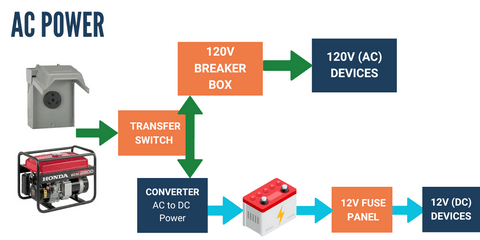
Are you curious about what makes your RV’s electronic systems tick? Understanding RV electronic components can save you time, money, and frustration.
Whether you’re a seasoned traveler or new to RV life, knowing these parts helps you keep your home on wheels running smoothly. You’ll discover exactly what RV electronic components are, how they work, and why they matter to your adventures.
Keep reading to unlock the secrets behind your RV’s technology and take control of your travel experience like never before.
Basics Of Rv Electronics
Understanding the basics of RV electronics helps make RV life easier and safer. RV electronics control many systems inside the vehicle. These systems include lighting, power, safety, and entertainment. Knowing how these parts work can help with troubleshooting and upgrades.
Common Components In Rvs
- Battery and power converter
- Inverter for AC power
- Solar panels and charge controllers
- Fuses and circuit breakers
- Lighting systems
- Water pump and sensors
- Control panels and monitors
- Entertainment systems like radios and TVs
Role Of Electronics In Rv Functionality
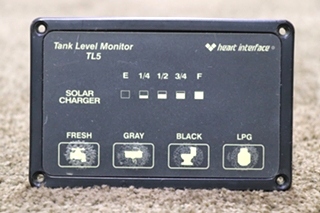
Electronics manage energy flow and safety in the RV. They power lights, appliances, and heating systems. Monitoring panels show battery levels and water tank status. Electronics also control slide-outs and leveling systems. They make the RV comfortable and easy to use. Without them, many conveniences would be impossible.
Types Of Rv Electronic Components
RV electronic components come in various types, each designed to enhance your travel experience. Understanding these components helps you maintain your RV better and make smart upgrades. Let’s break down the main categories you’ll encounter inside your RV’s electrical system.
Power Systems And Batteries
The heart of your RV’s electronics is the power system. It includes batteries that store energy and converters that change power from one form to another. You might find deep-cycle batteries that last longer when camping off-grid.
Solar panels often connect to these systems, offering a renewable energy source. Have you checked if your battery capacity matches your energy needs on longer trips? Upgrading to lithium batteries can also give you more power without extra weight.
Lighting And Control Modules
Lighting in an RV isn’t just about bulbs; it’s about control modules that let you customize brightness and save energy. LED lights are common for their efficiency and long life. Control panels allow you to manage lighting zones, fan speeds, and even monitor water levels.
Smart switches and dimmers add convenience. Think about how much easier it is to adjust lights with a single button rather than walking around your RV. Have you tried installing a control module that integrates all your lights and fans?
Entertainment And Communication Devices
Entertainment systems keep your journeys enjoyable. These include TVs, satellite receivers, and Bluetooth speakers designed for RV environments. Communication devices like Wi-Fi boosters and CB radios help you stay connected and safe.
Choosing compact, multi-functional devices saves space and reduces clutter. Ever struggled with weak signal reception on the road? Investing in quality communication equipment can make a big difference in your travel comfort and safety.
Choosing The Right Components
Choosing the right electronic components for your RV is essential. It affects the performance and safety of your vehicle’s electrical system. Picking the correct parts ensures everything works smoothly and lasts longer.
Many factors influence the choice of components. Focus on compatibility and quality to avoid frequent failures. Proper selection saves money and reduces hassle during repairs.
Compatibility Considerations
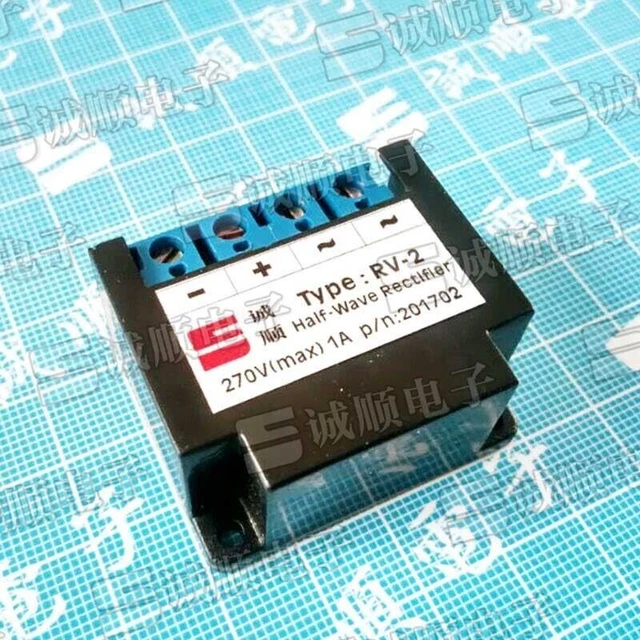
Check if the component matches your RV’s electrical system specifications. Voltage, current, and power ratings must align perfectly. Using incompatible parts can cause damage or malfunctions.
Consider the size and connection type too. Components should fit physically and connect easily without forcing. Look for parts designed for RV use or with similar ratings.
Review the manufacturer’s guidelines for your RV model. They often list recommended components. This helps avoid guesswork and ensures safe operation.
Quality And Durability Factors
Choose parts made from high-quality materials. They withstand vibrations, moisture, and temperature changes common in RVs. Cheap components may fail quickly under these conditions.
Look for certifications such as UL or CE marks. These indicate the component meets safety and quality standards. Trusted brands often provide better reliability.
Consider the warranty and customer reviews. They reveal real-world performance and durability. Investing in quality parts reduces maintenance needs and increases peace of mind.
Credit: picclick.ca
Installation Tips For Beginners
Installing RV electronic components can seem tricky at first, especially if you’re new to it. However, with the right guidance and tools, you can set up your system efficiently and safely. Below are practical tips to help you get started confidently and avoid common mistakes.
Basic Tools Required
- Multimeter:Essential for checking voltage, continuity, and troubleshooting.
- Screwdrivers:Both flathead and Phillips for securing components.
- Wire Strippers:To remove insulation cleanly without damaging wires.
- Crimping Tool:For attaching connectors securely.
- Electrical Tape and Heat Shrink Tubing:To insulate and protect connections.
- Drill:Useful for mounting components or running cables.
Having these tools ready before you start can save time and reduce frustration. Think about which items you already have and what you might need to buy.
Safety Precautions
Safety should never be an afterthought. Always disconnect your RV’s battery before working on any electrical parts to prevent shocks or short circuits.
Use insulated tools and wear gloves to protect yourself. Double-check your workspace for any wet or damp areas, as water and electricity don’t mix well.
Have a fire extinguisher nearby just in case. Asking yourself, “Am I taking all safety measures seriously?” can help you stay cautious and avoid accidents.
Step-by-step Installation Guide
Start by reading the component’s manual carefully. Understanding the wiring diagrams and specifications will prevent confusion later.
Next, plan the layout. Decide where each component will go, considering accessibility and cable routing.
Begin connecting wires one at a time. Use your multimeter to verify connections before finalizing with tape or shrink tubing.
Secure all components firmly, avoiding loose fittings that might vibrate loose while driving. Finally, reconnect the battery and test the system thoroughly.
Have you ever installed something and realized a tiny missed step caused big headaches? Taking your time and checking each part as you go can save you from those moments.
Maintenance And Troubleshooting
Maintaining and troubleshooting RV electronic components is key to keeping your system reliable. Regular care helps prevent major problems. Quick fixes save time and reduce stress on your travels. Simple checks can reveal small issues before they grow.
Routine Checks
Start with visual inspections. Look for loose wires, corrosion, or damaged parts. Check battery voltage and connections. Test fuses and circuit breakers regularly. Clean contacts and terminals to ensure good connections. Verify that all switches and controls work smoothly. Keep electronic panels dry and free from dust.
Common Issues And Fixes
Power failures often result from blown fuses or weak batteries. Replace fuses with the correct rating only. Recharge or replace old batteries promptly. Faulty wiring causes intermittent problems; tighten or replace wires. Overheated components need better ventilation or cooling. Reset circuit breakers if tripped. Check for water damage in electronic units and dry them thoroughly.

Credit: rvcomponents.visonerv.com
Upgrading Your Rv Electronics
Upgrading your RV electronics can improve comfort and convenience on the road. New devices help you stay connected, entertained, and safe. Choosing the right upgrades makes your travel more enjoyable. Simple changes can save energy and space. Knowing the latest trends and budget options guides smart choices.
Latest Technology Trends
Smart RV electronics now include touchscreen controls and voice commands. Solar power systems are popular for eco-friendly energy. Wi-Fi boosters improve internet access in remote areas. Compact security cameras add extra safety without bulk. LED lighting uses less power and lasts longer. Many devices connect via apps for easy control.
Budget-friendly Upgrades
Small changes can have a big impact without high costs. Replace old bulbs with LED lights to save power. Add USB charging ports for convenience. Install a basic GPS system for easy navigation. Upgrade to a multi-functional radio for music and weather. Use portable solar panels to reduce generator use.
Credit: rvcomponents.visonerv.com
Frequently Asked Questions
What Are Rv Electronic Components?
RV electronic components are devices and systems used in recreational vehicles. They include batteries, solar panels, inverters, and more. These components ensure the smooth functioning of various RV systems. They provide power, enhance safety, and improve comfort during travel.
Why Are Rv Electronic Components Important?
RV electronic components are vital for powering appliances and systems. They ensure efficient energy use, enhance safety, and provide comfort. Without them, RVs would lack essential functionalities. These components help in maintaining a modern, convenient lifestyle while on the road.
How Do Rv Electronic Components Work?
RV electronic components function by converting and distributing power. They manage energy from batteries, solar panels, or generators. Components like inverters change DC to AC power. This process allows appliances to operate efficiently. Properly functioning components ensure a seamless RV experience.
Can I Upgrade My Rv Electronic Components?
Yes, upgrading RV electronic components is possible. You can install advanced batteries, solar panels, and more. Upgrades enhance energy efficiency and performance. They provide better power management and increased convenience. Always consult a professional for safe and effective upgrades.
Conclusion
RV electronic components help your vehicle run smoothly and safely. They control lights, power, and other important functions. Knowing about these parts helps you maintain your RV better. It also makes repairs easier and saves money. Small parts can make a big difference in your trip.
Keep your RV’s electronics in good shape for a better travel experience. Understanding these basics is useful for every RV owner.


