

What Maintenance Activities Should I Perform on My Solar System: Essential Guide
You’ve invested in a solar system to save money and help the environment. But are you sure you’re doing everything needed to keep it running smoothly?
Proper maintenance can boost your system’s efficiency and extend its lifespan, saving you headaches and extra costs down the road. You’ll discover the key maintenance tasks you should perform regularly. By the time you finish reading, you’ll know exactly how to protect your investment and get the most from your solar setup.
Keep reading to find out what simple steps you can take today to keep your solar system in top shape.
Credit: sunnyenergyrx.com
Regular Cleaning
Regular cleaning is essential to keep your solar system running efficiently. Dirt, dust, bird droppings, and leaves can block sunlight and reduce energy output. You might not realize how much grime accumulates until you see the difference after a good cleaning.
Cleaning Frequency
How often should you clean your solar panels? It depends on your location and environment.
- If you live in a dusty or dry area, cleaning every 1 to 2 months might be necessary.
- In rainy or humid regions, natural rain often helps, so cleaning every 3 to 6 months may suffice.
- After storms or heavy pollen seasons, an extra cleaning can boost performance.
Pay attention to your system’s output data; a sudden drop might be a sign that cleaning is overdue.
Safe Cleaning Methods
Safety should be your top priority when cleaning solar panels. Avoid using harsh chemicals or abrasive materials that can scratch the surface.
Use soft brushes or sponges with mild soap and water. Rinse thoroughly to prevent soap residue, which can block sunlight.
Never clean panels during peak sunlight hours; cooler mornings or late afternoons are best. Also, be cautious on roofs — consider hiring professionals if you’re uncomfortable with heights.
Tools And Materials
You don’t need fancy equipment to clean your solar panels effectively.
- A soft cloth, sponge, or a soft-bristled brush works well.
- A bucket with warm water mixed with a few drops of mild dish soap is usually enough.
- A hose or a watering can for gentle rinsing helps avoid scratching the panels.
If you want, a squeegee with a soft rubber blade can help remove excess water without leaving streaks.
Inspecting Panels
Inspecting the solar panels is key to keeping your system running well. Regular checks can spot small problems early. This helps maintain energy output and extends panel life. Pay close attention to the panels’ condition and surroundings during each inspection.
Checking For Damage
Look closely at each panel for cracks or chips. Damage from hail, debris, or weather can reduce efficiency. Also, check for loose wiring or corrosion on connections. Fixing these issues quickly prevents bigger problems later.
Identifying Shading Issues
Shade blocks sunlight and lowers power production. Trees, buildings, or dirt can create shadows on panels. Note any new sources of shade and trim nearby branches if needed. Clean panels regularly to remove dust or leaves that cause shading.
Monitoring Panel Performance
Track your system’s energy output often. Compare current data with past performance to spot drops. Sudden decreases may indicate panel faults or dirt buildup. Use monitoring tools or apps designed for your solar system for easy checks.
Monitoring System Performance
Monitoring system performance is crucial to keep your solar setup running efficiently. Without regular checks, small issues can go unnoticed and reduce your energy output. Staying on top of your system’s health helps you catch problems early and maximize your investment.
Using Monitoring Software
Many solar systems come with monitoring software that tracks your panels’ performance in real-time. This software often provides easy-to-understand dashboards accessible on your phone or computer. You can see how much energy your system generates daily and spot dips that signal potential issues.
Choosing the right monitoring app can make a difference. Look for features like alert notifications and historical data so you can compare performance over time. Some apps even allow you to share data with your installer for quick troubleshooting.
Tracking Energy Output
Keeping a close eye on your system’s energy output is one of the simplest ways to monitor performance. Compare your current output to past months or similar weather days to spot inconsistencies. Sudden drops in energy production often mean your panels need cleaning or there’s shading affecting them.
Make it a habit to check your system’s output regularly. You might find patterns, like lower output during certain hours or seasons, which can guide adjustments or upgrades. Have you noticed how even small debris can cut your energy production?
Detecting Anomalies
Detecting anomalies early can save you money and prevent bigger failures. Look for unusual signs such as frequent inverter shutoffs, error messages, or unexpected power drops. These could indicate wiring problems, inverter faults, or panel damage.
Use the alerts from your monitoring software to act fast. If you spot something odd, don’t ignore it—contact your solar provider for a professional checkup. How quickly you respond to these signals can make a big difference in your system’s lifespan.
Credit: www.batteriesplus.com
Checking Electrical Components
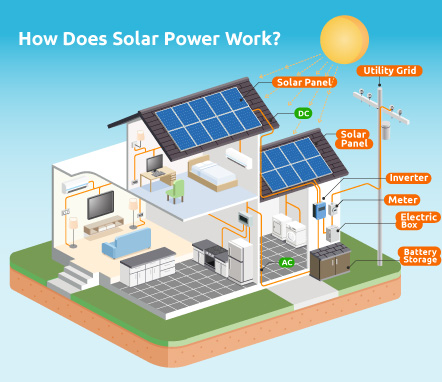
Checking the electrical components of your solar system is crucial for its safe and efficient operation. These components connect the panels, inverter, and batteries to ensure smooth power flow. Regular inspections can catch issues early and prevent costly repairs.
Electric parts may wear out over time due to weather or usage. Keeping them in good condition helps maintain energy output and system reliability.
Inspecting Wiring And Connections
Look for loose or corroded wires. Tighten all connections carefully to avoid sparks or power loss. Check for damaged insulation that could cause short circuits. Clean any dust or debris around wires to prevent overheating. Use a voltage tester to confirm proper current flow through cables.
Testing Inverters
The inverter changes solar energy into usable electricity. Monitor its display for error codes or warning lights. Test the inverter’s output voltage with a multimeter. Make sure it matches the system’s specifications. A faulty inverter can reduce the whole system’s performance. Schedule professional checks if you notice irregularities.
Assessing Battery Health
Batteries store energy for use when the sun is not shining. Check battery terminals for corrosion and clean them if needed. Measure battery voltage regularly to track charge levels. Look for signs of swelling or leaks, which indicate damage. Replace weak or old batteries to maintain system efficiency and safety.
Maintaining Mounting And Racking
Maintaining the mounting and racking of your solar system is essential to ensure its stability and longevity. These components hold your panels in place against wind, rain, and other weather conditions. Neglecting this part of your solar system can lead to costly repairs and reduced energy output.
Tightening Loose Fixtures
Loose bolts and screws can cause panels to shift or vibrate, potentially damaging the system over time. Regularly check all fixtures and tighten any that feel loose. Even small movements can affect the alignment and efficiency of your solar panels.
Consider using a torque wrench to apply the correct pressure without over-tightening. Have you ever noticed a rattling sound on a windy day? That’s often a sign that some fixtures need your attention.
Corrosion Prevention
Metal parts in mounting and racking are prone to rust, especially if your system is near the coast or exposed to moisture. Inspect these parts for any signs of corrosion during your maintenance checks. Applying a rust-resistant coating or replacing corroded parts can prevent further damage.
Keep an eye on the joints and connections where corrosion tends to start. Would you rather catch rust early or face a costly replacement later? The choice is yours.
Adjusting Panel Angles
Seasonal changes can affect the angle at which your solar panels capture sunlight. Adjusting the tilt of your panels can maximize your system’s energy production throughout the year. Use a simple protractor or angle finder to set the optimal tilt based on your location and season.
Don’t forget to check if your mounting system allows easy angle adjustments. Have you measured your panel’s angle lately? A small change might boost your power output significantly.
Seasonal Maintenance Tips
Seasonal changes bring unique challenges to your solar system’s performance. Each season demands specific attention to keep your panels efficient and durable. Paying attention to these seasonal maintenance tips can save you from costly repairs and energy losses.
Preparing For Winter
Winter can reduce sunlight and cover your panels with snow or ice. Make sure to clear off any snow gently using a soft brush or a roof rake designed for solar panels. Avoid sharp tools that can scratch the glass surface.
Check your panels for cracks or loose wiring before the cold hits. Cold weather can make materials brittle and worsen existing damage. Have a professional inspect your system if you notice any issues.
Consider adjusting the tilt of your panels if possible, to maximize sunlight exposure during the shorter days. Have you noticed how your energy output drops in winter? Small adjustments can make a difference.
Managing Summer Heat
High temperatures can reduce the efficiency of your solar panels, even though the sun is at its strongest. Keep your panels clean from dust and debris, which tend to accumulate more during dry, hot months.
Ensure there is enough airflow around the panels to help cool them down. Check for any shading from growing trees or new structures that might block the sun during peak hours.
Inspect your inverter and electrical components for signs of overheating. If your system has an external cooling fan or ventilation, make sure it’s working properly. Have you checked how your energy production varies between spring and summer?
Handling Storm Damage
Storms bring wind, hail, and heavy rain that can damage your solar panels or mounting system. After a storm, safely inspect your panels for cracks, loose parts, or debris that may have lodged on the surface.
Look for any bent or broken mounts and wiring that may have come loose. If you spot damage, contact a certified technician immediately to avoid further issues.
Keep a record of your system’s condition before and after storms with photos. This documentation can help with insurance claims if needed. Have you prepared a storm response plan for your solar setup?
Professional Maintenance Services
Professional maintenance services play a key role in keeping your solar system efficient. These services ensure the system operates safely and at peak performance. Trained technicians use specialized tools to inspect and repair components. This helps prevent costly breakdowns and extends the lifespan of your solar panels and equipment.
Regular professional checks can uncover hidden issues early. Experts clean panels properly, avoiding damage that DIY methods might cause. They also test electrical connections and system output to confirm everything works well.
When To Call Experts
Call professionals if your system shows unusual behavior. Examples include sudden drops in power output or error messages on the inverter. Strange noises or visible damage also require expert attention. Schedule a check-up at least once a year for routine inspection. After severe weather events, a professional review can identify hidden damage.
Benefits Of Professional Checks
- Identify and fix problems before they worsen
- Ensure panels are clean and free from debris
- Test electrical parts for safety and efficiency
- Verify system output matches expected performance
- Extend the lifespan of your solar equipment
- Maintain warranty validity by documenting service
Choosing A Reliable Service
Look for certified technicians with experience in solar systems. Check reviews and ask for references before hiring. Confirm the company offers a clear service plan and warranty on repairs. Ensure they follow safety standards and use proper equipment. A reliable service will communicate clearly and provide detailed reports after inspection.
Credit: medium.com
Frequently Asked Questions
How Often Should I Clean My Solar Panels?
Clean solar panels every 6 months to maintain efficiency. Use soft water and a non-abrasive cloth. Avoid harsh chemicals or pressure washing to prevent damage.
What Routine Checks Keep My Solar System Efficient?
Regularly inspect for debris, shading, or physical damage. Check wiring connections and monitor system output. Address any irregularities promptly to ensure optimal performance.
When Should I Schedule Professional Solar Maintenance?
Schedule a professional inspection annually. Experts can identify hidden issues, test electrical components, and ensure system safety. This prevents costly repairs and extends system lifespan.
How Do I Monitor My Solar System’s Performance?
Use a monitoring app or inverter display to track energy production daily. Sudden drops may indicate maintenance needs. Consistent monitoring maximizes energy output and savings.
Conclusion
Regular maintenance keeps your solar system working well. Clean panels often to remove dust and dirt. Check for any damage or loose wires. Monitor energy output to spot problems early. Trim nearby trees to avoid shade on panels. Simple steps help your system last longer.
Save money by preventing costly repairs. Stay safe by following all guidelines carefully. Good care ensures steady power from the sun. Solar systems work best with regular attention.


