What Smart Home Devices are Worth It: Top Picks for 2025
Are you thinking about upgrading your home with smart devices but not sure which ones really make a difference? You want gadgets that save you time, boost your comfort, and maybe even cut down your bills.
With so many options out there, it’s easy to feel overwhelmed and waste money on things you don’t need. This guide will help you cut through the noise and focus on smart home devices that truly add value to your life.
Keep reading to discover which devices are worth your investment and how they can transform your daily routine.
Smart Speakers
Smart speakers have become a staple in many homes, offering more than just music playback. They act as your personal assistant, control center, and even a source of entertainment. But with so many options available, which smart speakers truly deliver value for your money?
Voice Assistants
Choosing the right voice assistant can change how you interact with your smart speaker. Alexa, Google Assistant, and Siri each have unique strengths. Alexa excels in smart home control, Google Assistant offers superior search capabilities, and Siri works best if you’re already in the Apple ecosystem.
Think about which assistant matches your daily habits. Do you ask questions often or prefer voice commands to control your home? This will guide your choice effectively.
Sound Quality
Sound quality varies widely among smart speakers. Some prioritize crisp highs and deep bass, ideal for music lovers, while others focus on clear voice recognition. If you mostly use your speaker for podcasts or calls, a model with excellent voice clarity matters more than booming sound.
Test speakers in-store or watch reviews focusing on audio performance. Remember, a speaker that sounds great in a large room might be too powerful for a small bedroom.
Integration With Other Devices
Smart speakers shine when they connect seamlessly with your other devices. Check compatibility with your smart lights, thermostats, and security systems. A speaker that integrates well can simplify daily routines, like setting the mood with a single command.
Ask yourself: Does your current smart home setup align with the speaker’s ecosystem? Sticking to one platform often avoids frustrating compatibility issues.

Credit: www.vesternet.com
Smart Lighting
Smart lighting transforms ordinary bulbs into powerful tools for comfort and savings. It offers more than just turning lights on or off. These devices bring convenience, style, and control to your home environment.
Energy Efficiency
Smart bulbs use LED technology that consumes less power than traditional bulbs. They last longer, reducing the need for replacements. Some models adjust brightness automatically to save energy. You can set schedules to turn lights off when not needed. These features lower your electricity bills effectively.
Color And Ambiance Control
Smart lighting allows you to change colors to suit your mood or activity. Choose warm tones for relaxation or bright whites for work. Many devices offer millions of colors to create unique atmospheres. Adjust brightness levels easily from your phone or voice assistant. This control helps improve comfort and room aesthetics.
Automation Features
Automation lets lights turn on or off based on your routine. Use motion sensors to light up hallways only when you walk by. Set timers for lights to mimic natural sunrise and sunset. Integration with other smart devices adds extra convenience. Automation reduces manual effort and improves home security.
Smart Thermostats
Smart thermostats are a popular choice for modern homes. They help control your home’s temperature efficiently. These devices offer comfort and save money on energy bills. Easy to use and install, smart thermostats fit most heating and cooling systems.
Energy Savings
Smart thermostats reduce energy use by adjusting temperatures automatically. They lower heating or cooling when no one is home. This prevents wasting energy on empty rooms. Many users see noticeable drops in their utility bills. Saving energy also helps the environment.
Remote Control
Control your thermostat from anywhere using a smartphone app. Change settings while at work or on vacation. This feature ensures your home is comfortable when you arrive. You avoid heating or cooling an empty house. The app is simple and works on most devices.
Learning Capabilities
Smart thermostats learn your schedule and preferences over time. They adjust temperatures based on your daily routine. This means no need to program settings manually. The device adapts to your lifestyle for better comfort. Learning saves time and improves energy efficiency.
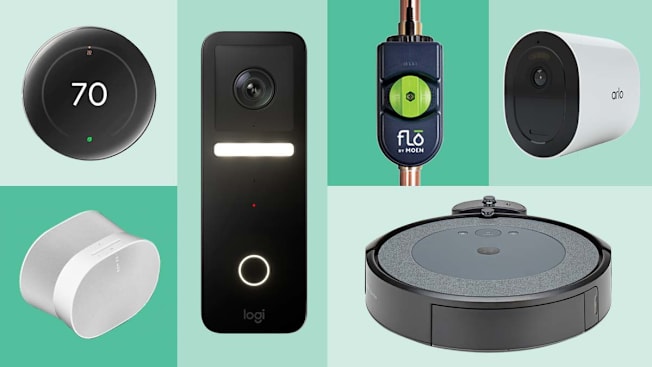
Credit: www.consumerreports.org
Home Security Systems
Home security systems offer peace of mind by helping you monitor and protect your property. Choosing the right smart devices can make a big difference in how secure you feel at home. Let’s dive into some must-have security gadgets that provide both convenience and protection.
Surveillance Cameras
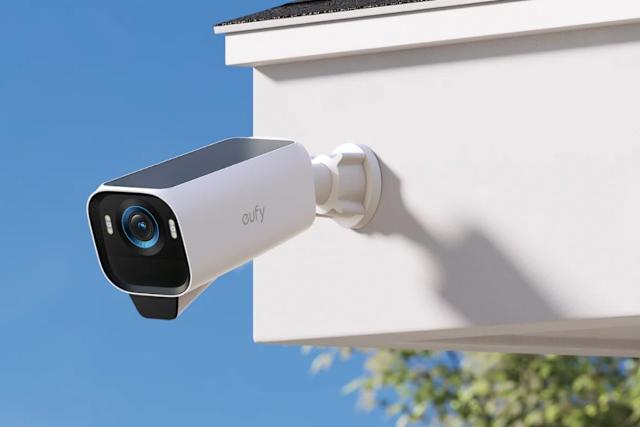
Surveillance cameras let you keep an eye on your home anytime, anywhere. Many models offer high-definition video, night vision, and real-time alerts sent straight to your phone. I installed a camera at my front door, and it caught a delivery person leaving my package safely when I couldn’t be home.
Look for cameras with easy installation and cloud storage options so you don’t lose important footage. Think about where you need coverage most—front door, driveway, or backyard—and choose cameras that fit those spots. Would you feel safer knowing you can check on your home with a quick tap on your screen?
Motion Detectors
Motion detectors alert you to unexpected movement around your property. They’re especially useful for detecting intruders before they get too close. I once had a motion detector catch movement near my garage late at night, giving me time to check the feed and call a neighbor for help.
Modern detectors often connect with your security system to trigger alarms or lights. Place them near entrances or less visible areas to maximize their effectiveness. How much more secure would you feel if your home could sense trouble and alert you instantly?
Smart Locks
Smart locks let you control who enters your home without needing physical keys. You can lock and unlock doors remotely, give temporary access to guests, and receive notifications whenever someone comes or goes. After switching to smart locks, I no longer worry about lost keys or hiding spare copies.
Choose models that offer strong encryption and easy app control. Some even integrate with other smart devices, like cameras or alarms, for a complete security setup. Wouldn’t it be convenient to grant access to a trusted friend while you’re away, all from your phone?
Smart Kitchen Appliances
Smart kitchen appliances bring convenience and efficiency to daily cooking tasks. They save time and often help reduce energy use. These devices connect to the internet, allowing remote control and monitoring. Smart kitchen tools can improve meal planning and food storage.
Refrigerators With Smart Features
Smart refrigerators offer more than just cooling. They can track food inventory and suggest recipes. Some models have touchscreens to display calendars and notes. Many include cameras to view contents without opening the door. These features help reduce food waste and keep groceries organized.
Voice-controlled Ovens
Voice-controlled ovens let you adjust settings hands-free. You can set temperatures, timers, and cooking modes using simple voice commands. This feature is helpful when your hands are full or messy. Some ovens also offer guided cooking with step-by-step voice instructions.
Automated Coffee Makers
Automated coffee makers brew coffee at a scheduled time. You can control them remotely via a smartphone app. Many models allow customization of brew strength and cup size. Wake up to fresh coffee without any extra effort.
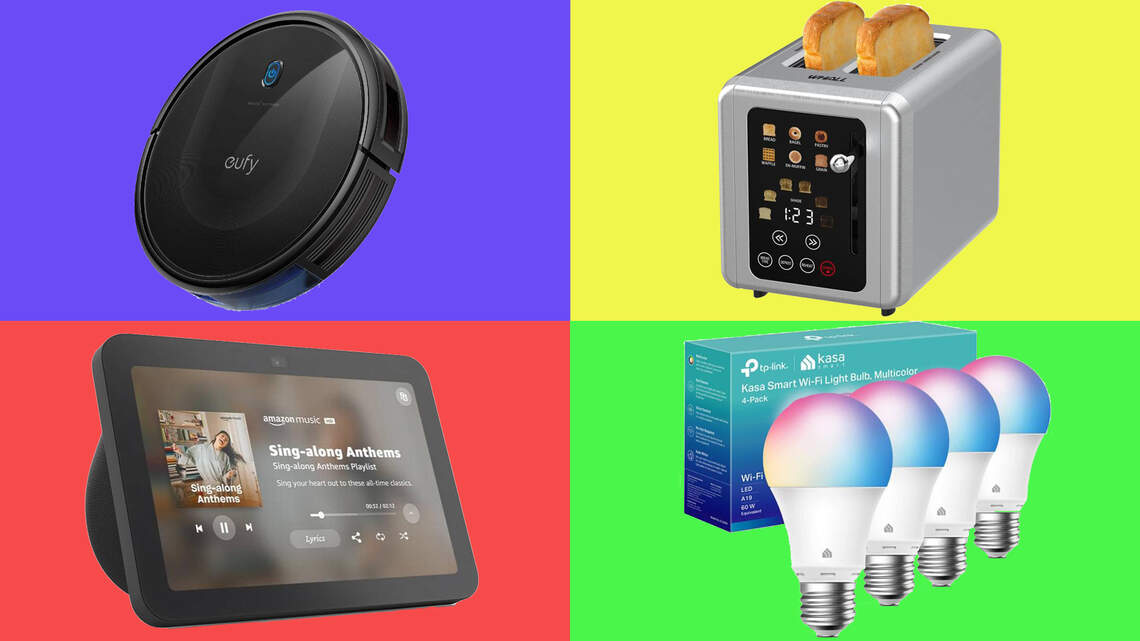
Credit: www.miamiherald.com
Wearable Tech Integration
Wearable tech devices connect seamlessly with smart homes. They bring convenience and efficiency into daily life. These devices help manage health, fitness, and home controls right from your wrist. The integration enhances user experience and saves time. Here are some key areas where wearable tech adds value.
Health Monitoring
Wearables track important health metrics continuously. They monitor heart rate, sleep patterns, and stress levels. Alerts notify users about unusual readings quickly. This real-time data helps in early detection of health issues. Integration with smart home devices allows automatic adjustments for comfort and safety.
Fitness Tracking
Fitness features in wearables keep users motivated. They count steps, calories burned, and workout duration. Wearables sync with smart home gyms and equipment. This connection offers personalized workout plans and progress tracking. It encourages consistent physical activity and better results.
Home Device Control
Wearables simplify control of smart home gadgets. Users can adjust lights, thermostats, and security systems easily. Voice commands and gestures provide hands-free operation. This feature adds convenience, especially when multitasking or away from home. Smart notifications keep users informed about home status anytime.
Smart Home Hubs
Smart home hubs act as the brain of your smart home system. They connect and control various smart devices in one place. This makes managing your home easier and more efficient.
Choosing the right hub can improve your smart home experience significantly. A good hub offers smooth operation and helps devices work together seamlessly.
Centralized Control
A smart home hub lets you control all devices from one app or voice command. This removes the need to open multiple apps for different gadgets.
You can turn lights on or off, adjust the thermostat, and check security cameras all in one place. Centralized control saves time and reduces confusion.
Compatibility With Devices
The best hubs work with many brands and types of devices. This ensures you can add new gadgets without worrying about compatibility.
Look for hubs that support popular protocols like Zigbee, Z-Wave, and Wi-Fi. This broad compatibility keeps your options open.
User-friendly Interface
A simple and clear interface makes using a smart home hub easy for everyone. It should have intuitive menus and clear instructions.
Good hubs offer quick setup guides and responsive apps. A user-friendly design helps avoid frustration and makes smart home tech accessible.
Sustainability And Smart Homes
Smart homes offer more than convenience and security. They help protect the environment by using resources wisely. Sustainability in smart homes means saving energy, reducing waste, and lowering carbon footprints. Many devices support eco-friendly living without sacrificing comfort or style.
Eco-friendly Devices
Eco-friendly smart devices use less energy and last longer. Examples include LED smart bulbs, low-power sensors, and smart thermostats made from sustainable materials. These devices reduce electricity use and lower utility bills. Choosing eco-friendly gadgets helps cut down on harmful waste and pollution.
Energy Management Systems
Energy management systems track and control home energy use. They show real-time data on electricity consumption and suggest ways to save power. These systems can turn off unused devices automatically. They also adjust heating and cooling for maximum efficiency. This smart control keeps energy use low and costs down.
Reducing Carbon Footprint
Smart home devices help shrink your carbon footprint by cutting energy waste. Using solar-powered chargers and energy-efficient appliances lowers greenhouse gas emissions. Smart irrigation systems save water by watering plants only when needed. Small changes add up, making homes greener and healthier for the planet.
Future Trends In Smart Homes
The future of smart homes promises exciting changes. Technology is evolving fast, making homes smarter and more connected. These trends will shape how people live and interact with their devices. Understanding these trends helps in choosing smart home devices that last.
Ai And Machine Learning
Smart homes are getting smarter with AI and machine learning. Devices learn habits and adjust settings automatically. Lights turn on when someone enters a room. Thermostats adapt to daily routines for energy savings. AI improves security by detecting unusual activities. This makes homes safer and more efficient.
5g Connectivity
5G will speed up smart home communication. Faster internet means devices respond instantly. Streaming and video calls become smoother. Many devices can connect without delays. This supports complex smart systems working together. 5G also allows remote control from anywhere easily.
Increased Automation
Automation will grow beyond simple tasks. Smart homes will handle many chores without human input. Appliances will work together to save time and energy. For example, refrigerators can order groceries when supplies run low. Lighting, heating, and security will adjust based on real-time data. This creates a more comfortable and convenient living space.
Frequently Asked Questions
What Smart Home Devices Save The Most Energy?
Smart thermostats and smart lighting save the most energy. They adjust settings based on usage patterns. This reduces electricity waste and lowers bills. These devices also offer remote control for convenience and efficiency.
Are Smart Security Systems Worth The Investment?
Yes, smart security systems provide real-time monitoring and alerts. They enhance home safety with cameras, sensors, and alarms. These systems allow remote access via smartphones. They offer peace of mind and deter potential intruders effectively.
Which Smart Home Devices Improve Daily Convenience?
Voice assistants, smart plugs, and robotic vacuums improve daily convenience. They automate tasks like controlling devices and cleaning floors. These products save time and simplify home management. Integration with other smart devices enhances their usefulness.
How Do Smart Home Devices Increase Property Value?
Smart home devices boost property value by adding modern appeal. Buyers often seek homes with advanced technology. Features like smart security and energy management attract more interest. They make homes more comfortable and efficient, increasing marketability.
Conclusion
Smart home devices can make daily life easier and safer. Choose gadgets that fit your needs and budget. Focus on products that save time and add comfort. Simple devices often bring the most value. Investing wisely helps avoid clutter and confusion.
Enjoy a connected home that works for you. Start small and expand as you learn. Smart living is about convenience, not complexity.